The Glyptotek in Copenhagen

A visit to the Glyptotek in Copenhagen

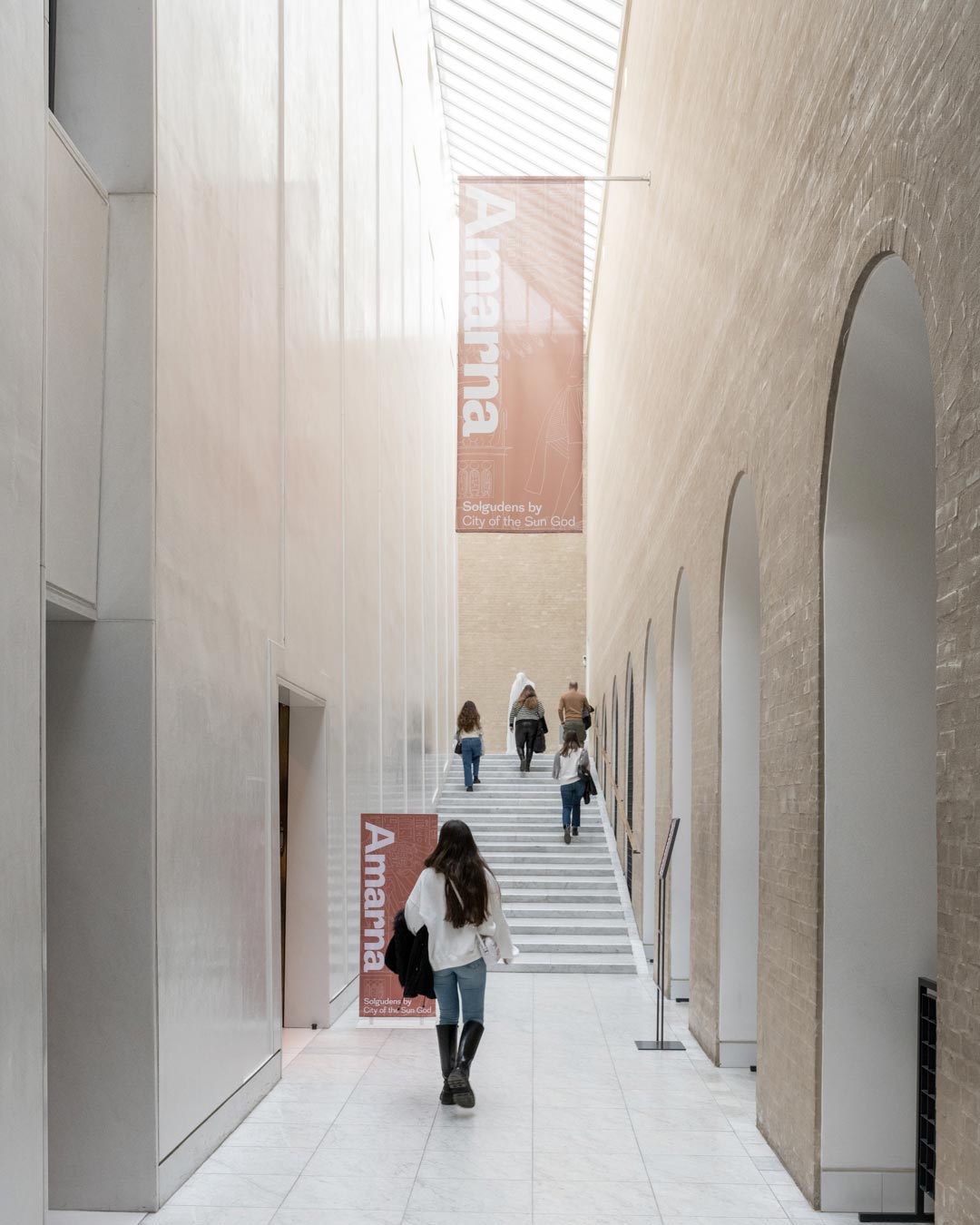
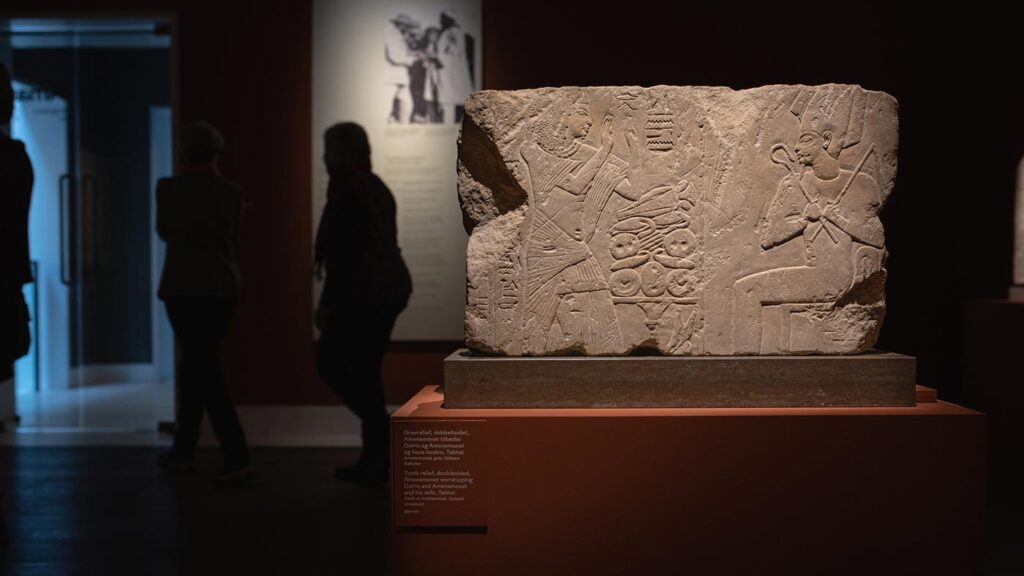
I recently revisited the Glyptotek in Copenhagen to experience their newly opened ‘Amarna – City of the Sun God’ exhibition. I have read extensively on this specific period of ancient Egypt and always welcome the opportunity to see the ancient artefacts from this lost city.

Poster for the Glyptotek's Amarna exhibit

I brought my trusty Nikon Z7II camera and using the FTZ adapter to attach a Sigma 35mm Art 1.4 lens. In this post you can read more about the Amarna period, the Glyptotek and see my photos from the various exhibitions.

The Amarna period

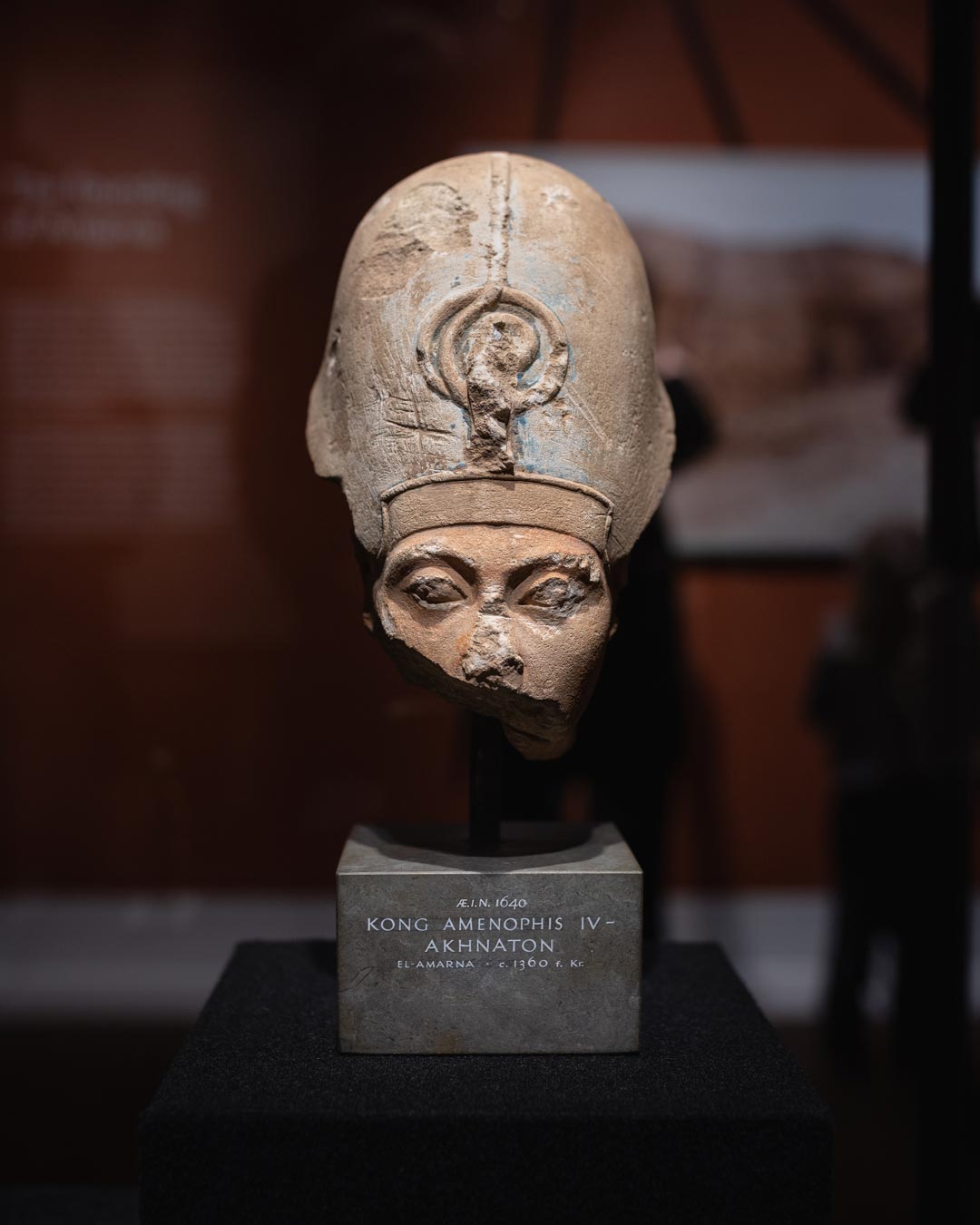
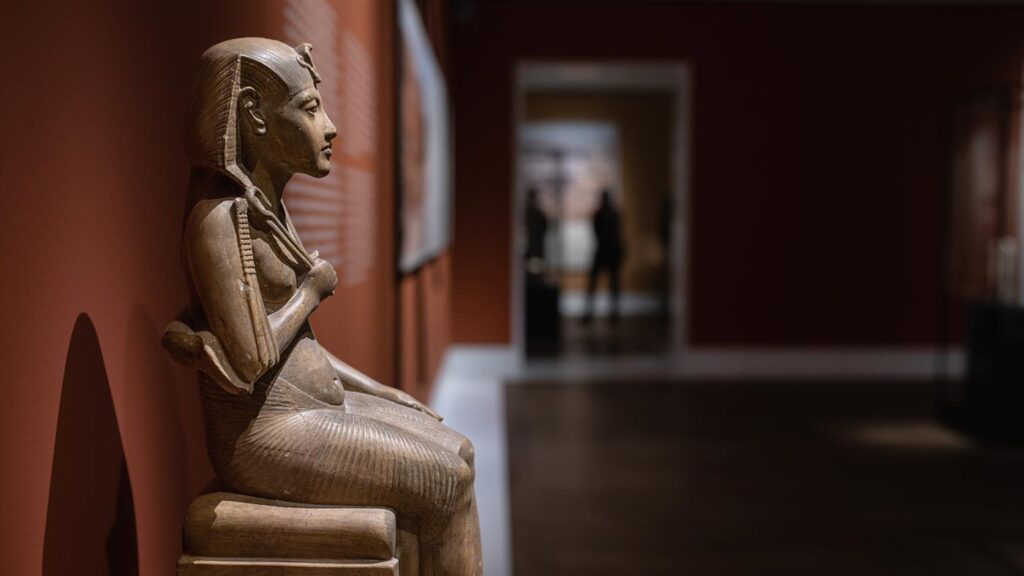
The Amarna period in ancient Egypt, lasting from 1353 to 1336 BC, was a time of significant religious and political change. Pharaoh Akhenaten, who ruled during this time, abolished the traditional polytheistic religion and introduced a new monotheistic religion centered around the worship of the sun disk, the Aten. A new capital city, Akhetaten (now known as Amarna), was built where Akhenaten and his queen Nefertiti were buried. This period is also known for its distinctive art style, which featured a new realism and a focus on the human form.

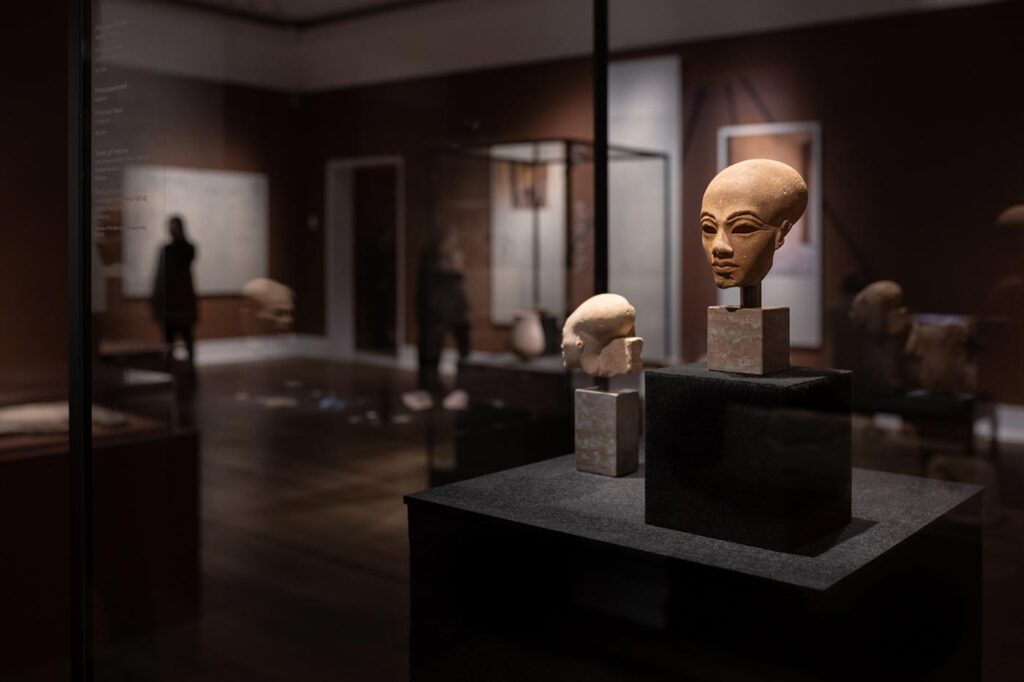
In Glyptotek’s exhibition, parts of the lost city are brought to life with recreations of a temple wall, a column in a chapel and a palace floor. Photos, drawings, and a 3d animated video provide an insight into life in the magnificent city.

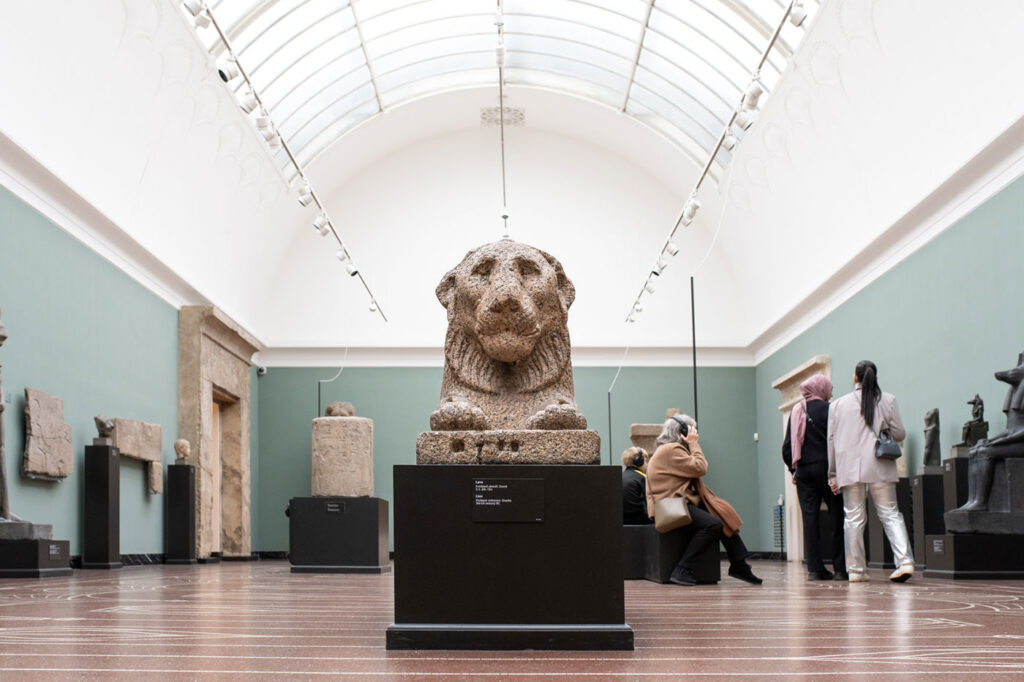
Statue of Akhenaten - Taken with a Nikon Z7II + Sigma 35mm Art 1.4
Taken with a Nikon Z7II + Sigma 35mm Art 1.4

You can read more about the exhibition ‘Amarna – City of the Sun God’ on The Glyptotek’s website here.

The Glyptotek

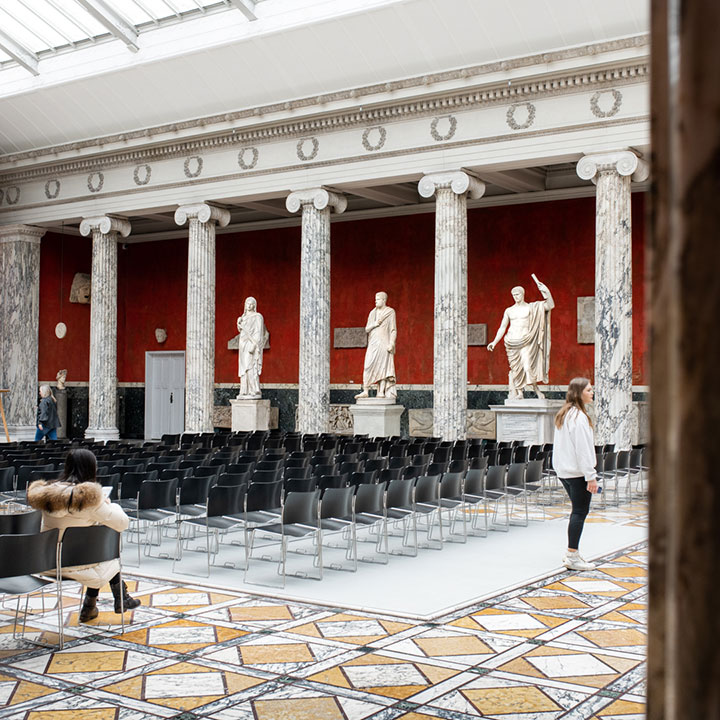
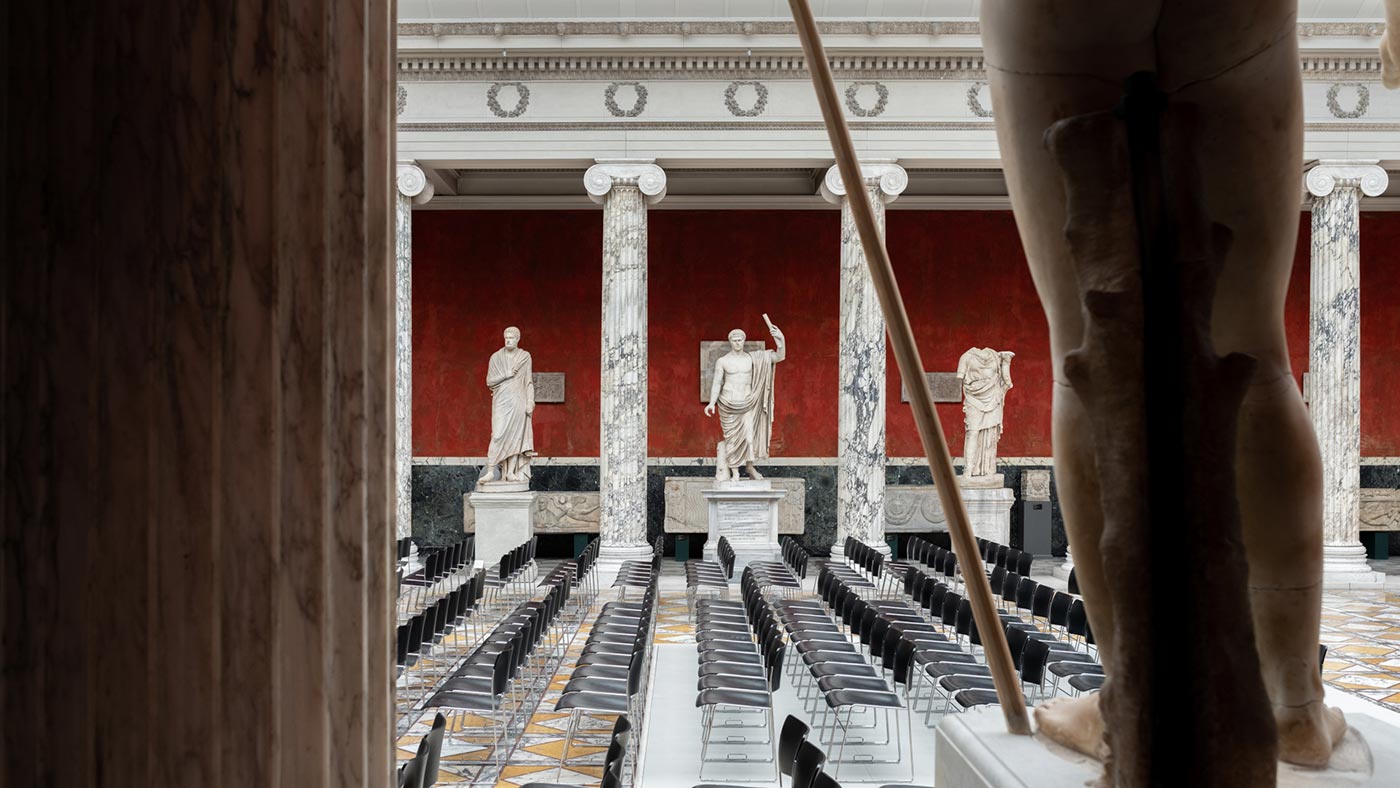
The Ny Carlsberg Glyptotek is an art museum in Copenhagen, Denmark. It is located near the city center and is known for its collection of ancient Egyptian, Greek, and Roman art, as well as a large collection of French Impressionist and Post-Impressionist art. The museum also features a beautiful winter garden. It was founded by the brewer Carl Jacobsen in 1888.

Taken with a Nikon Z7II + Sigma 35mm Art 1.4 (ISO800, F5.6, 1/60)

There are plenty of opportunities to take great photos in the Glyptotek’s various exhibitions. I only had a few hours, so I focused on the period of ancient Egypt, Greece and Rome.

Read more about the Glyptotek and their exhibitions on the website www.glyptoteket.com

Photo hide in Southern Sweden

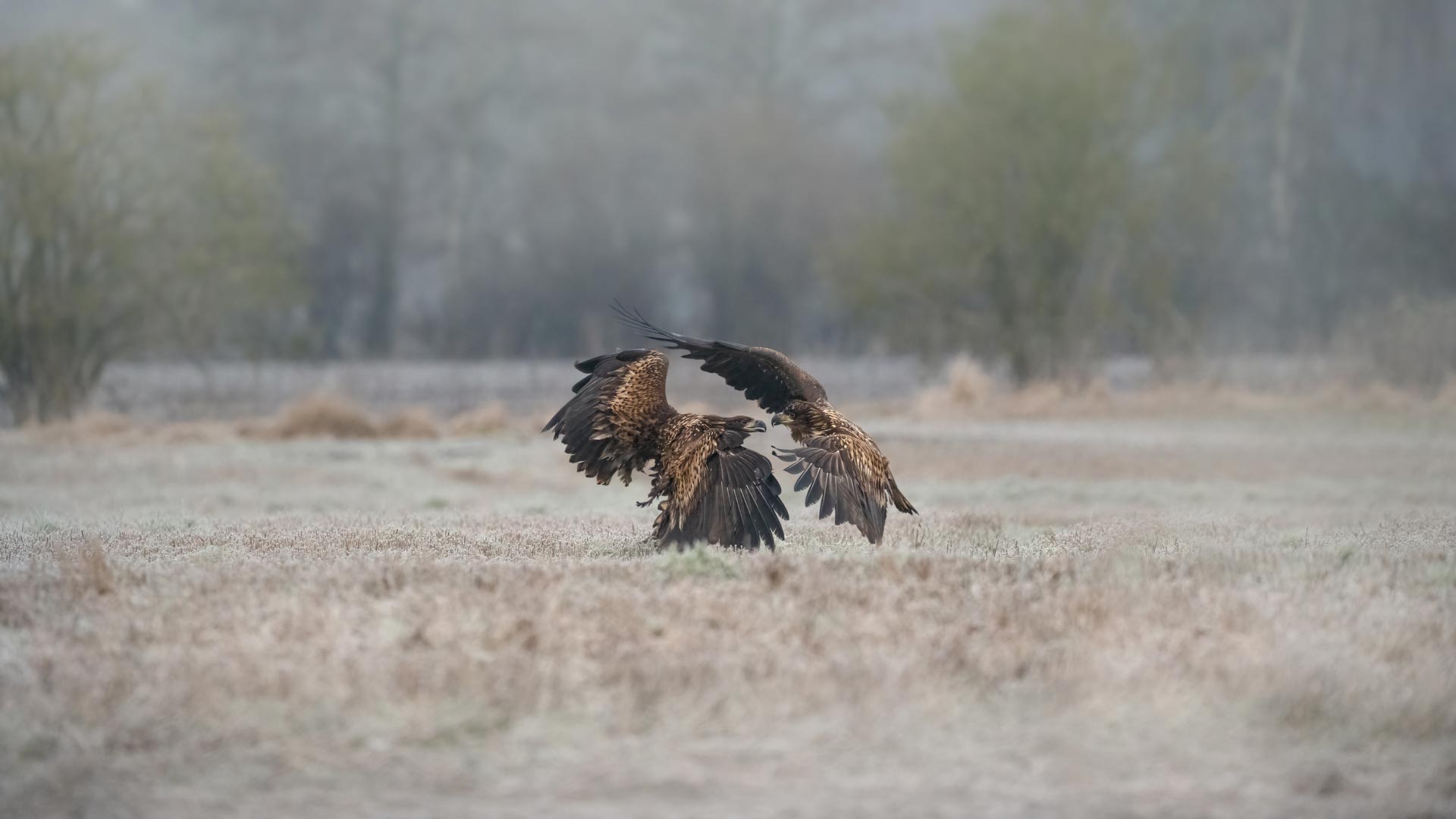
Two white-tailed eagles shot with a Sony A1 + Sony FE 200-600mm, ISO 12800, 600mm, F7.1, 1/2500 sec

Photo hide in Southern Sweden

In January 2023, I spent a night and a day in Friskens örn och fotogömsle (Frisken’s Eagle and Photo Hide) near Kristianstad in Southern Sweden. The hide was only an hour’s drive from Ystad Harbour, so it was an easy trip from both Bornholm and Copenhagen.

You are not allowed outside the hide during daylight hours, so you must arrive at the hide before sunset and leave only once the sun sets entirely and everything becomes dark outside the hide. This way, you don’t scare off the birds in the area, and they won’t associate the hide with human activity.

Along with @mariusfolkmann I arrived Friday night and was shown the hide and its facilities. It has a primitive camping toilet, a solar-powered phone charger and a gas heater so you won’t freeze the whole time. However, it is cold in January, and the heater can’t run the entire time, so bring warm clothes.

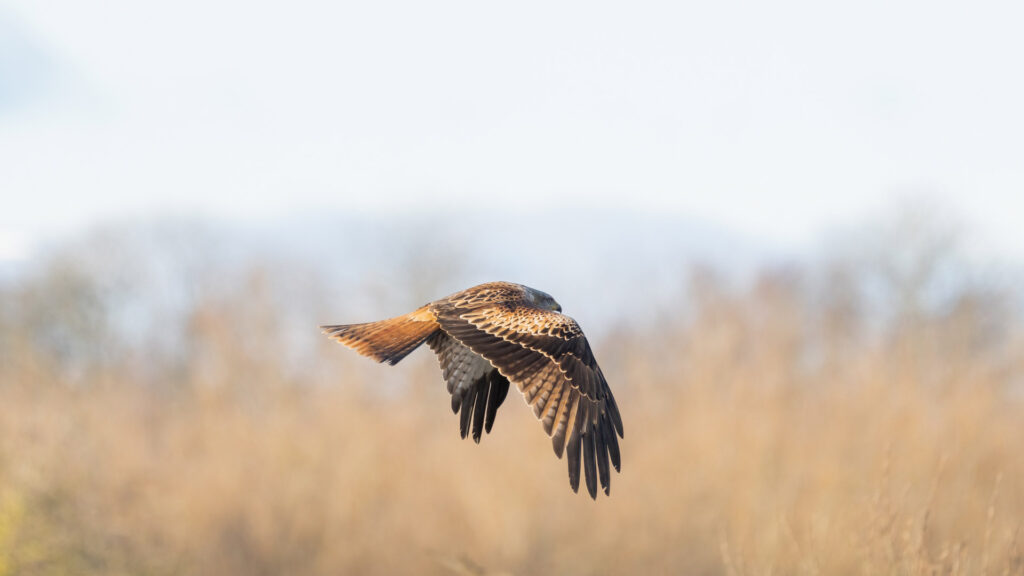
Red Kite shot with a Sony A1 + Sony FE 200-600mm, ISO 640, 600mm, F7.1, 1/2000 sec

We slept in the hide and woke up early at around 6 AM to remove the outside hatches and ready the camera equipment. I brought my new Sony A1 with a 200-600 mm lens. My maiden shoot with this new camera.

Around 9 AM, the first white-tailed eagle landed, and it just kept getting more and more enjoyable during the rest of the day. We saw 4-5 white-tailed eagles, 30-40 red kites, one kingfisher and possibly a rare black kite. Sadly we didn’t see any golden eagles, but then there is an excellent excuse to revisit the hide.

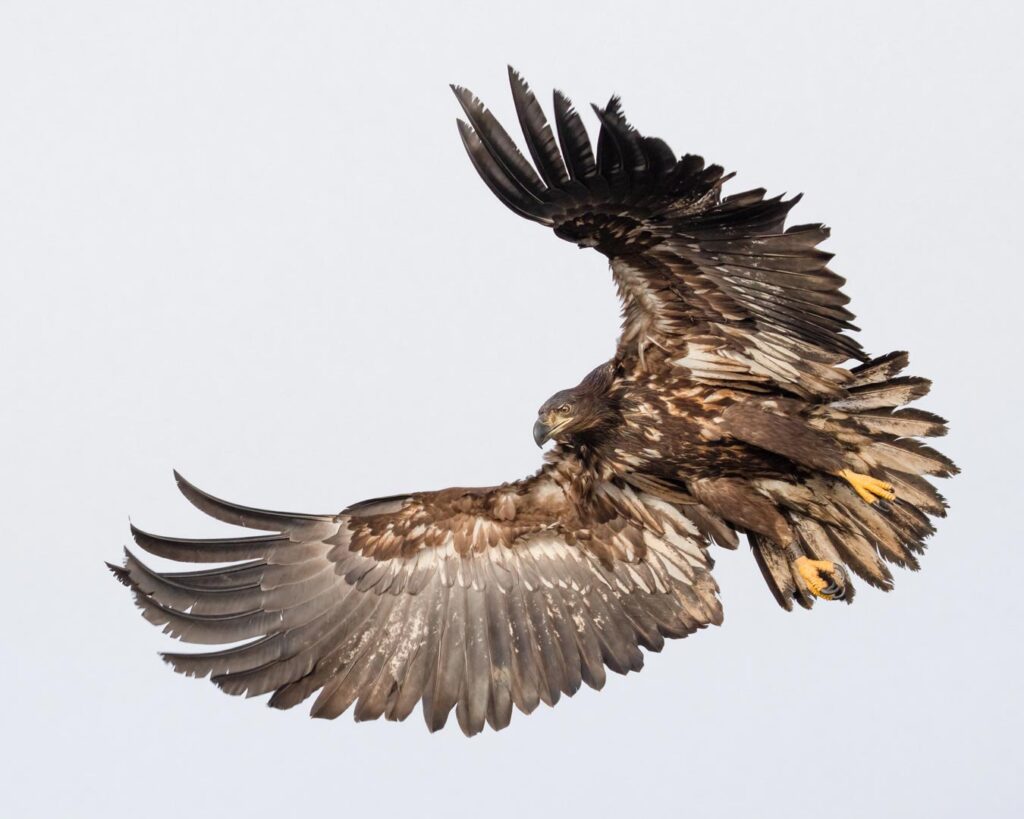
White-tailed eagle shot with a Sony A1 + Sony FE 200-600mm, ISO 800, 315mm, F7.1, 1/2500 sec

The white-tailed eagle (Haliaeetus albicilla)

is a large bird of prey native to Europe and Asia. It has distinctive white tail feathers, a brown body, and a wingspan of over 2 meters. The species is an apex predator, feeding on fish and small mammals, and is considered a symbol of power and freedom in many cultures.

Friskens örn och fotogömsle is highly recommended and I look forward to another trip in the future.

Follow the hide and its visitors on Facebook here or read more on their website here.

I absolute love the Sony A1 with the 200-600 mm lens. I captured shots I couldn’t with other systems I tried and the 50MP allowed me to crop the image quite a bit. Here are some of my favoirote photos from the day. I used the Sony A1 with the Sony 200-600 lens on a fluid tripod head.