A second day at Strødam Engsø

At the break of dawn, my friend @mariusfolkmann and I journeyed from Bornholm to the lake Strødam Engsø near Hillerød, Denmark. Our goal? To witness Ospreys in action.

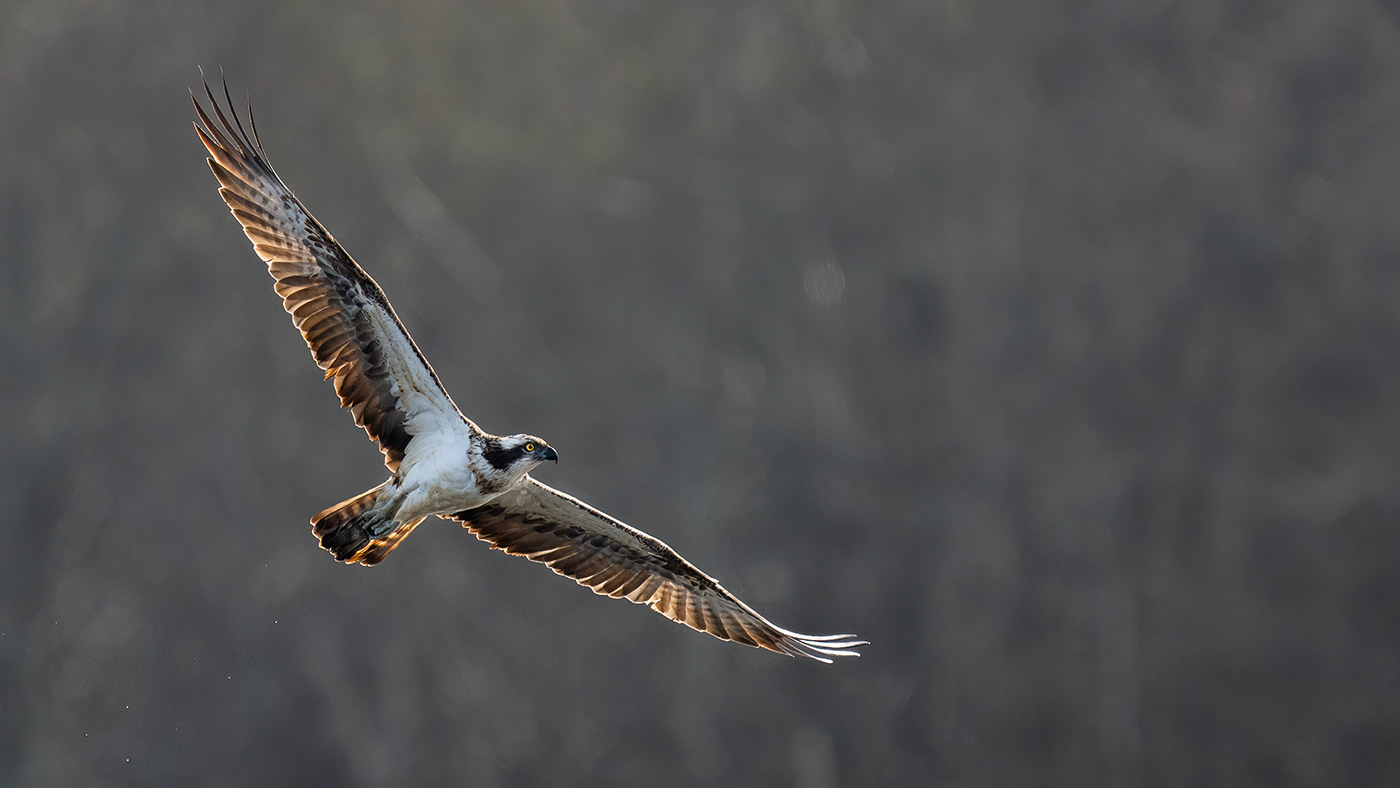
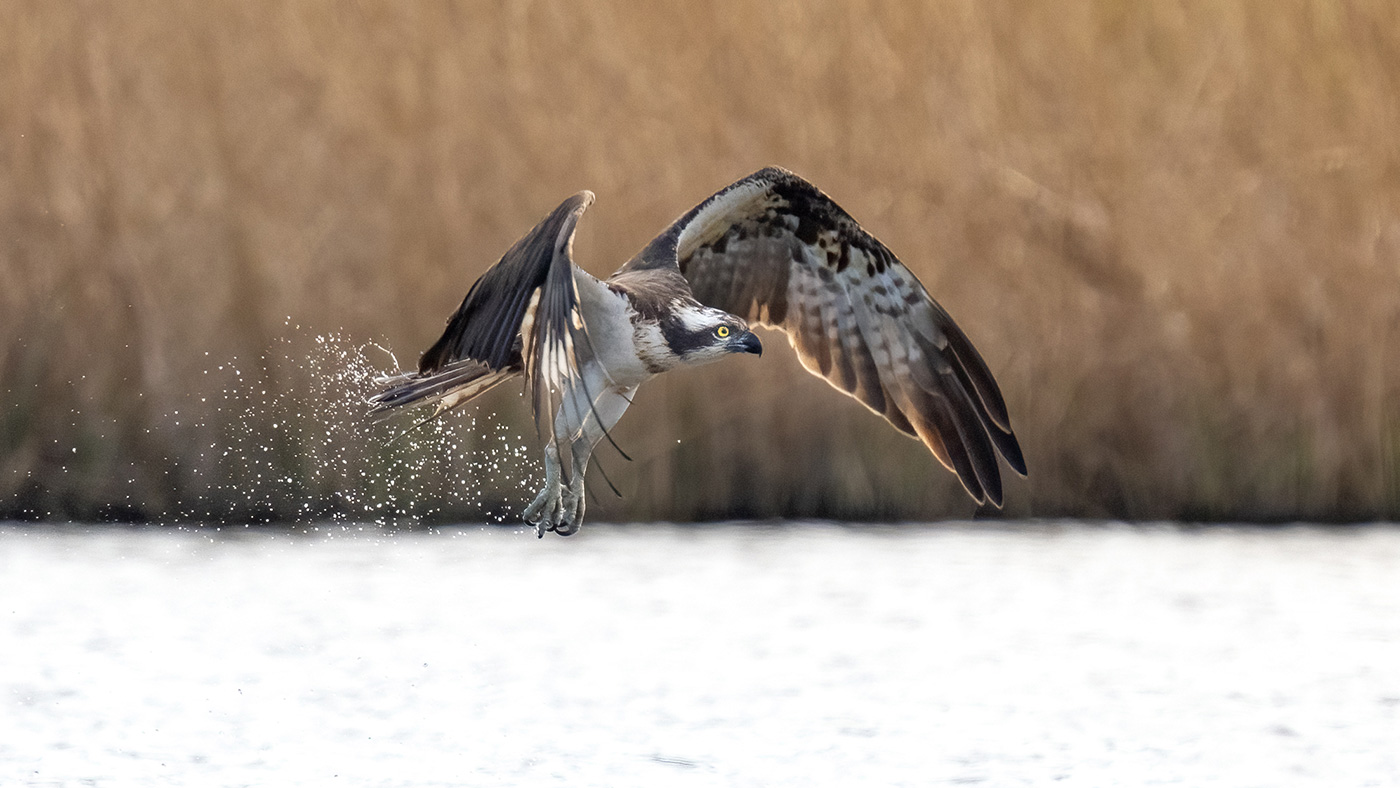
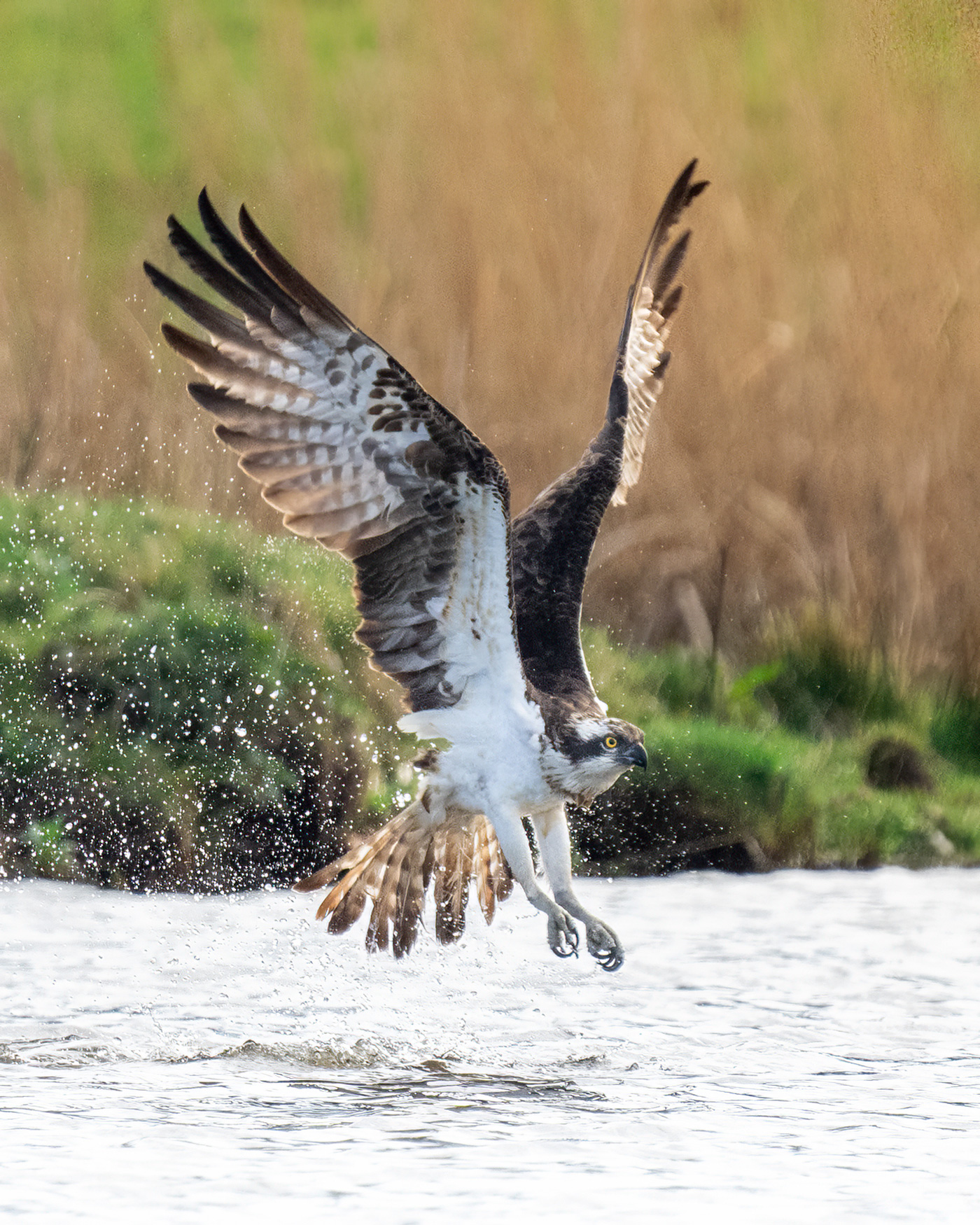
The Osprey, a master of the skies, boasts a wingspan of up to 6 feet. It is an impresseive predator with a keen eyesight. I flies above the water seeking the glimmer of fish below. When it spots its prey, it dives, talons outstretched, breaking the surface in a violent splash. Its reversible outer toes and barbed pads ensure a secure grip on slippery catches. This is the sight we wanted to capture with our cameras.

Arriving at the lake at 10 AM, we settled into our chosen vantage point, cameras at the ready, eagerly awaiting the Ospreys. Hours passed, interrupted only by the occasional call of 4-5 Ospreys soaring above us. However, none descended to catch fish. Yet, just as we prepared to depart, we caught a glimmer of movement in the sky above us.

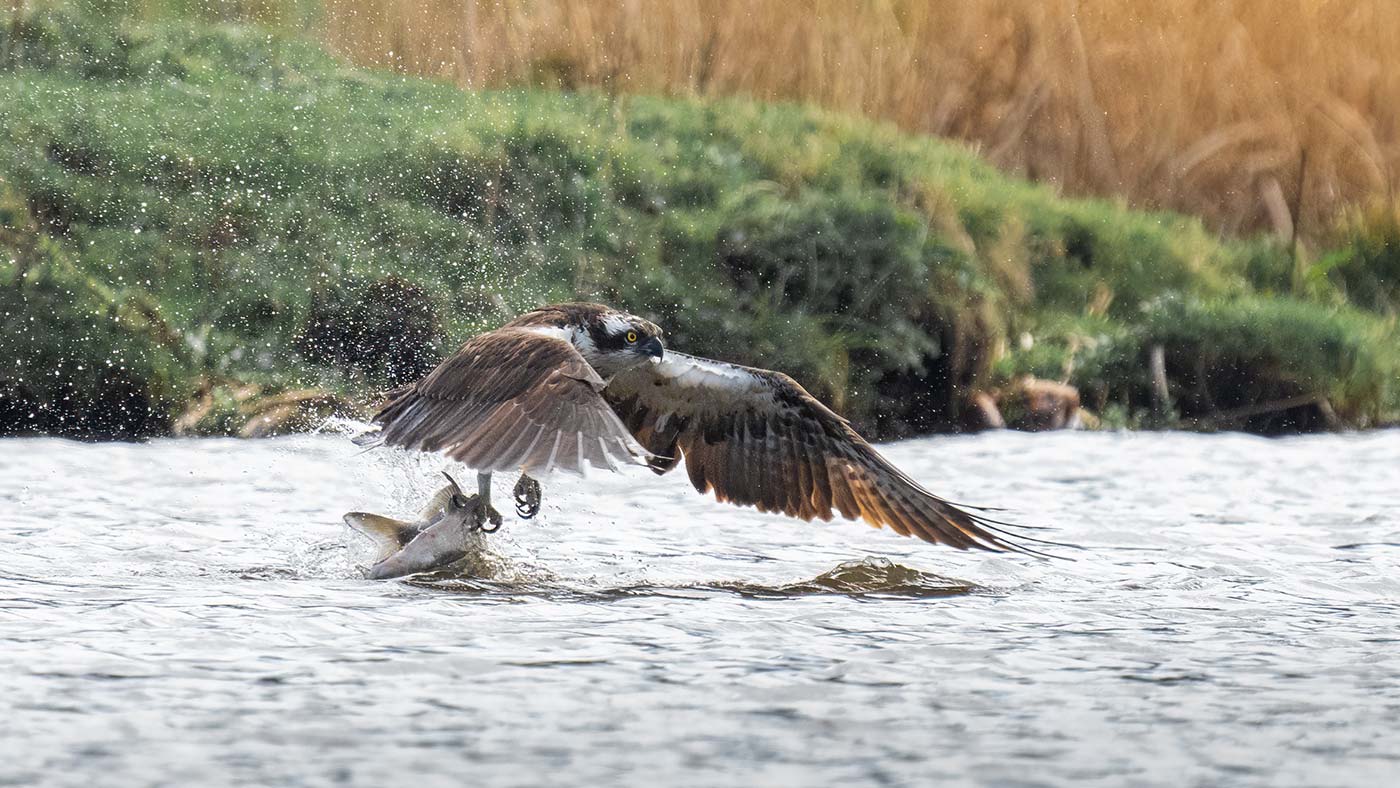
In a dazzling display of agility and precision, a lone Osprey descended, its powerful wings slicing through the air as it honed in on its target below. With a graceful dive, it plunged into the water, emerging moments later with a silvery prize firmly clasped in its talons.

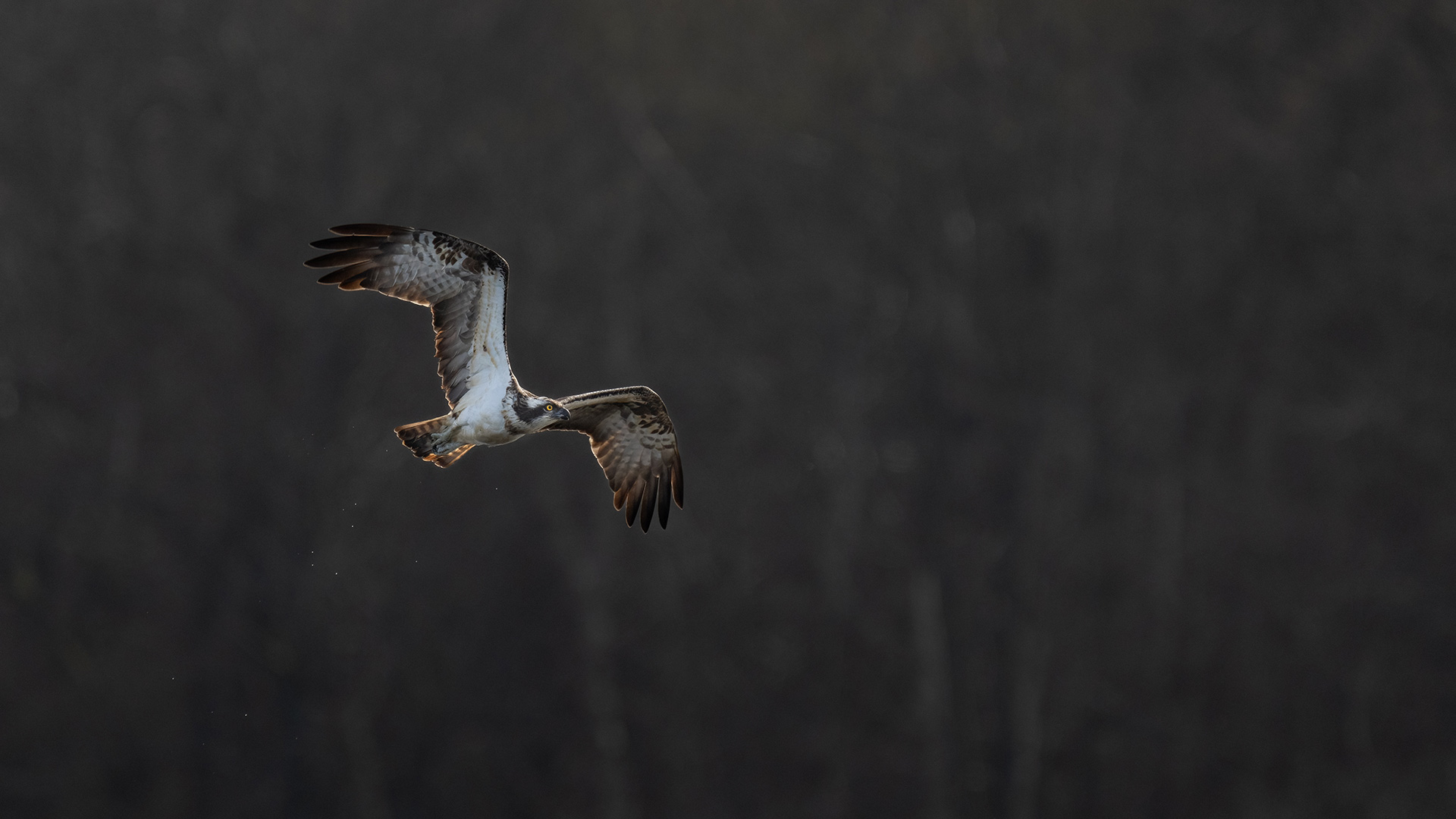
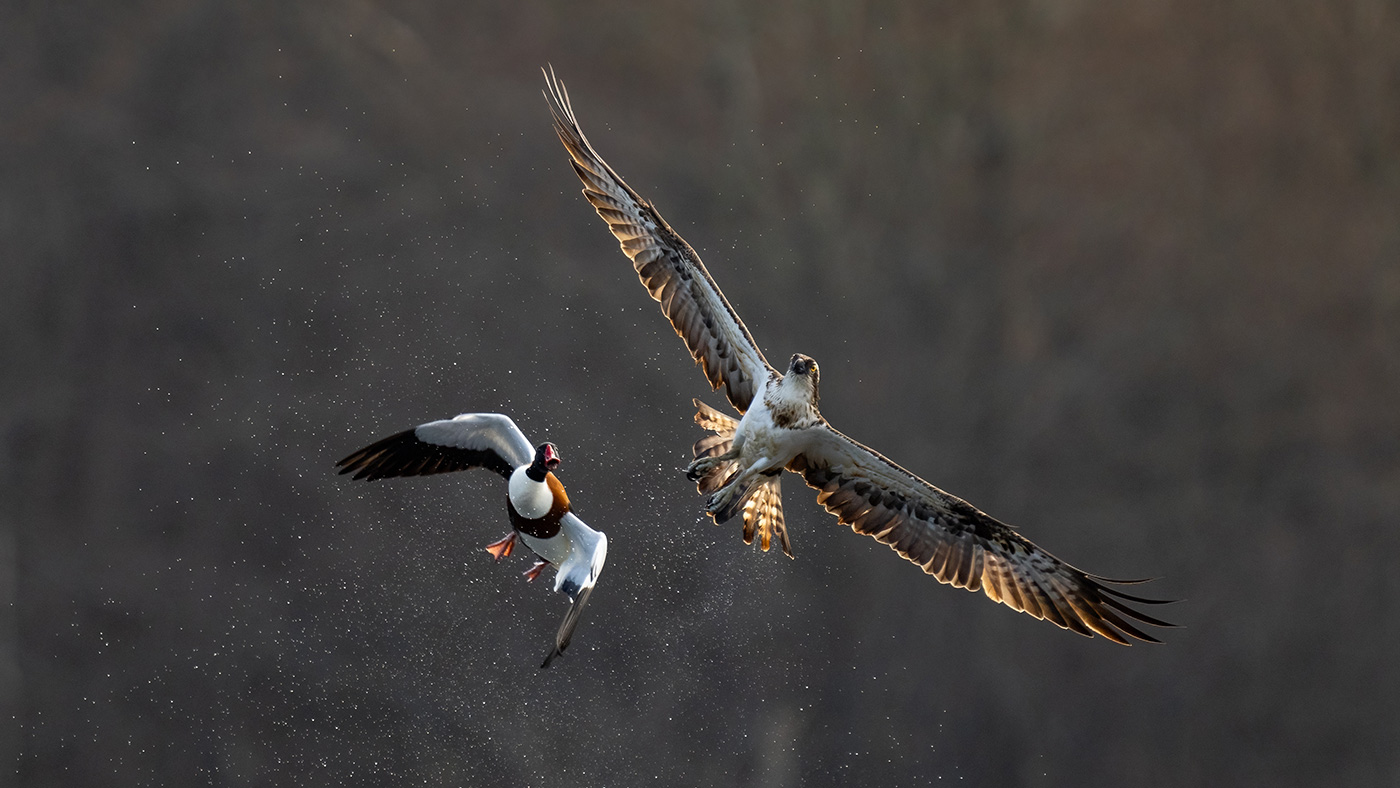
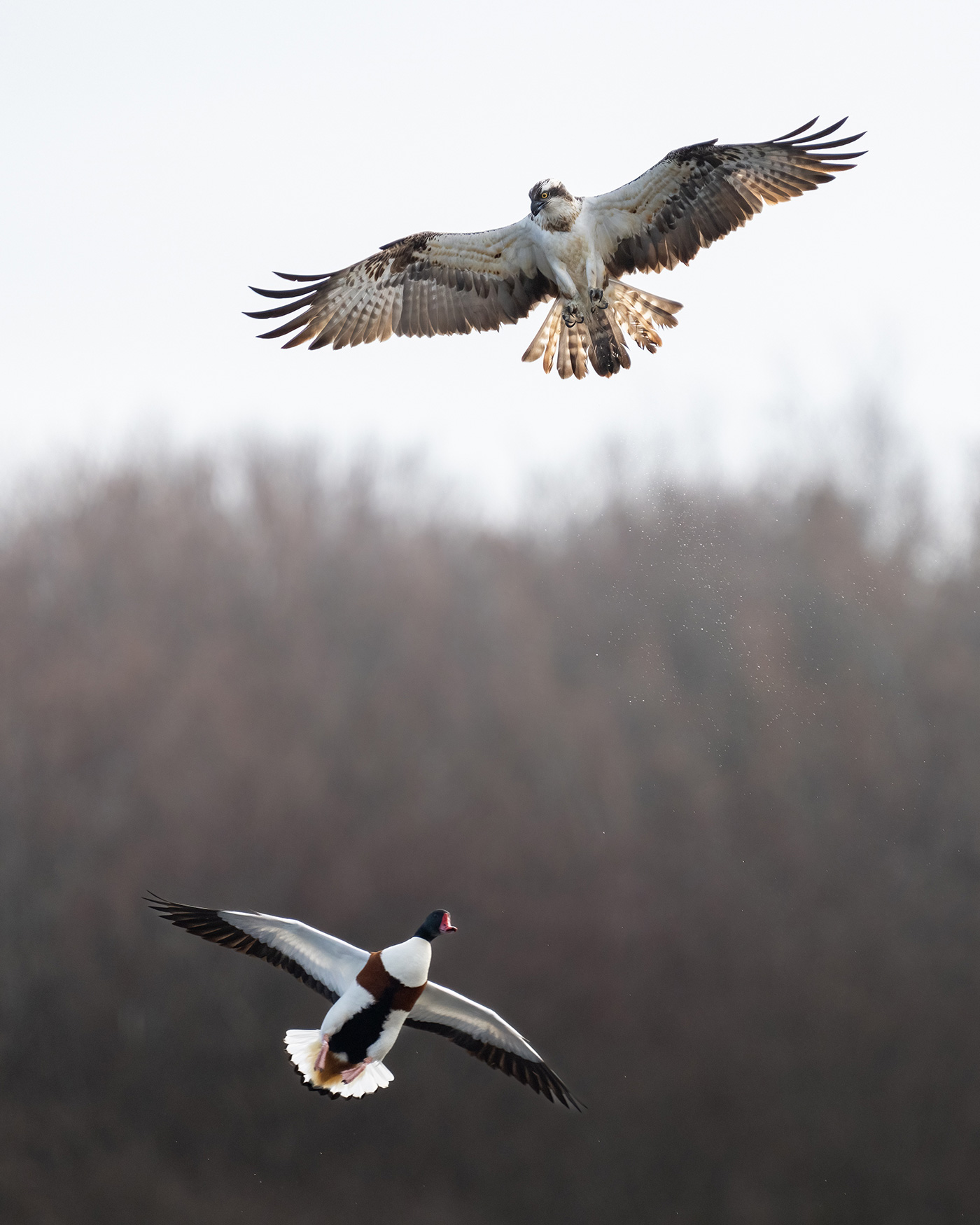
This was it! We captured the moment we had traveled hours for. Our cameras’ SD cards now contain the precious photographs we sought and hoped for. The images on this page are the selected few that I chose for editing and publication. I hope you enjoy them.

Osprey at Strødam Engsø

The majestic osprey, known as “Fiskeørn” in Danish, has returned to Denmark for the summer season, marking a significant event for wildlife enthusiasts across the country. As news of their arrival spread, my social media feeds overflowed with breathtaking images captured by fellow Danish photographers, showcasing the ospreys in their natural habitat at Strødam Engsø near Hillerød.

Filled with excitement and armed with my camera gear, I embarked on a journey to this serene haven of nature over the weekend, eager to capture my own glimpse of these magnificent creatures. What awaited me surpassed all expectations.

Here’s a glimpse into the moments I captured on that memorable day:

Cranes Migration in Skåne’s Pulken

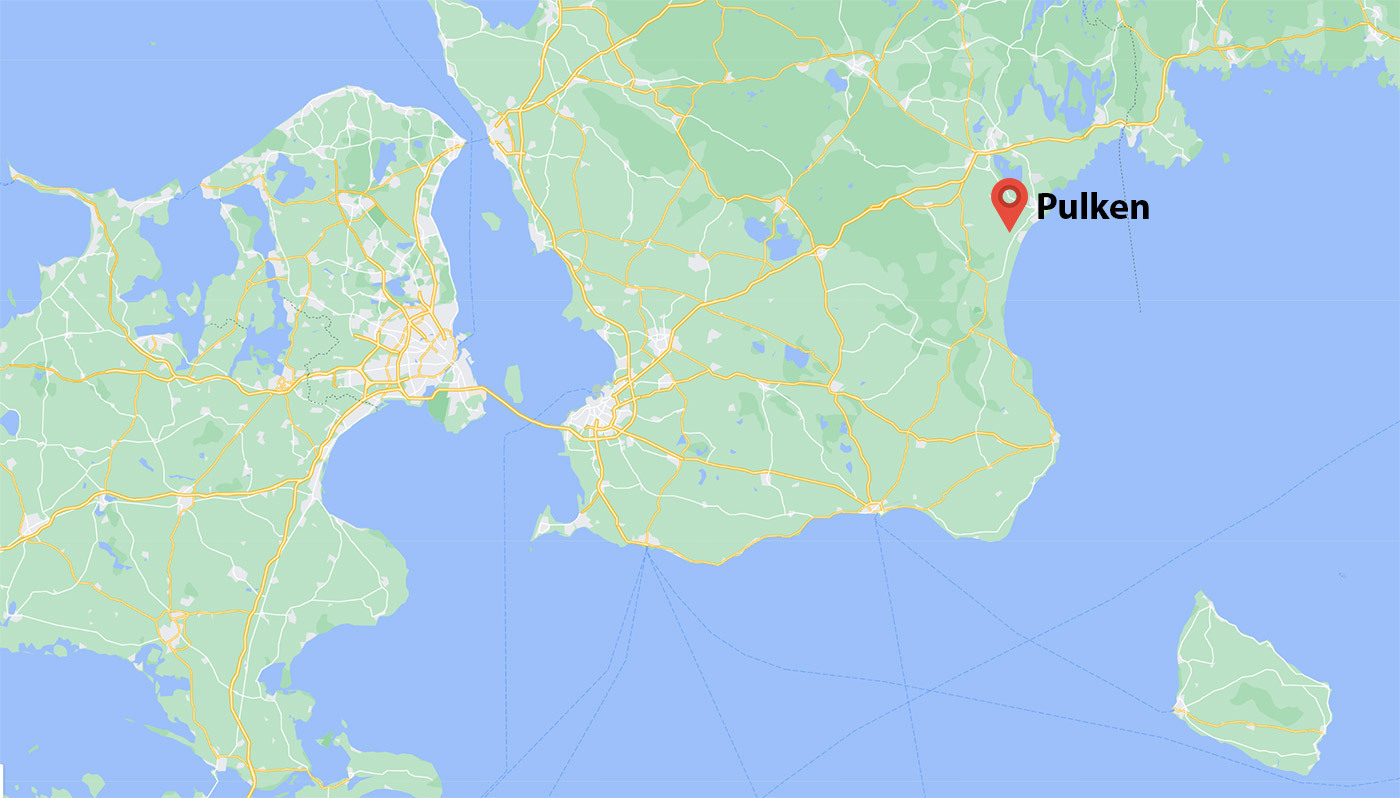
In mid-April, I found myself at Pulken, a nature reserve located in the enchanting Vattenriket in Skåne. It was somewhat serendipitous, as our trip to southern Sweden was initially planned to participate in the annual art tour (Kunstrunde). However, when the opportunity to see the cranes presented itself, I couldn’t resist, and I was eager to experience the annual migration, where migratory birds rest here before continuing their journey northward. Unfortunately, I had only brought along my Sony 70-200 mm GM2 lens, having left my 200-600 mm lens at home.

Pulken is a short drive just 2 hours from Copenhagen or 1 hour from Ystad.

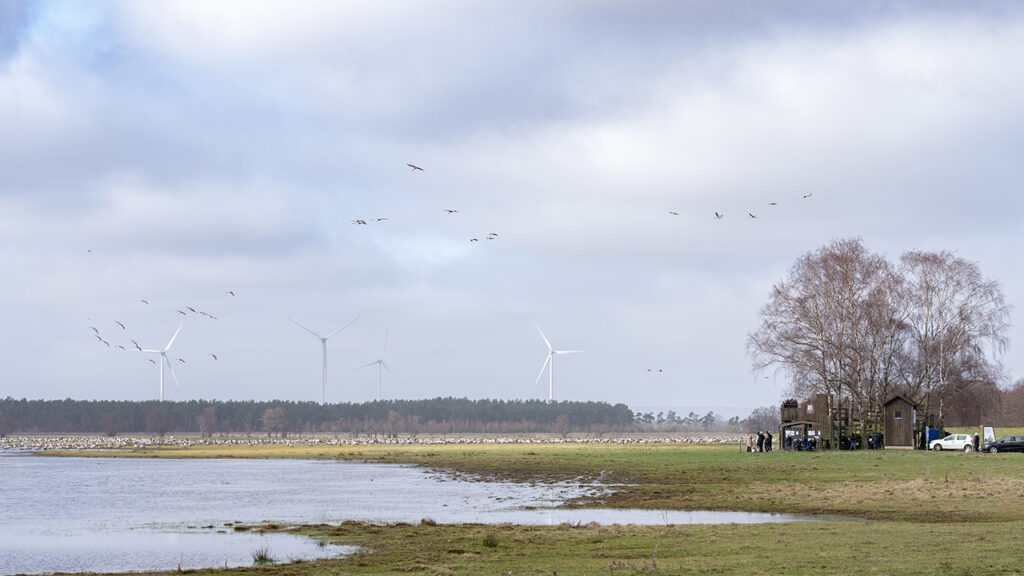
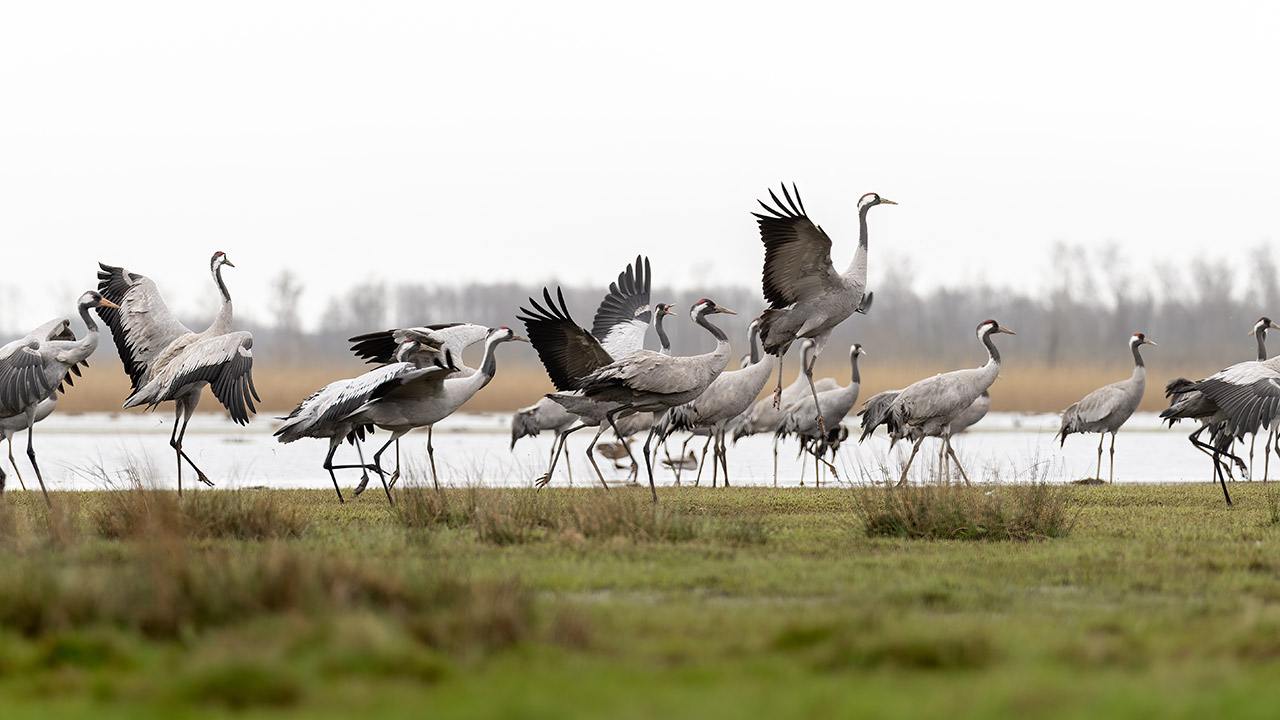
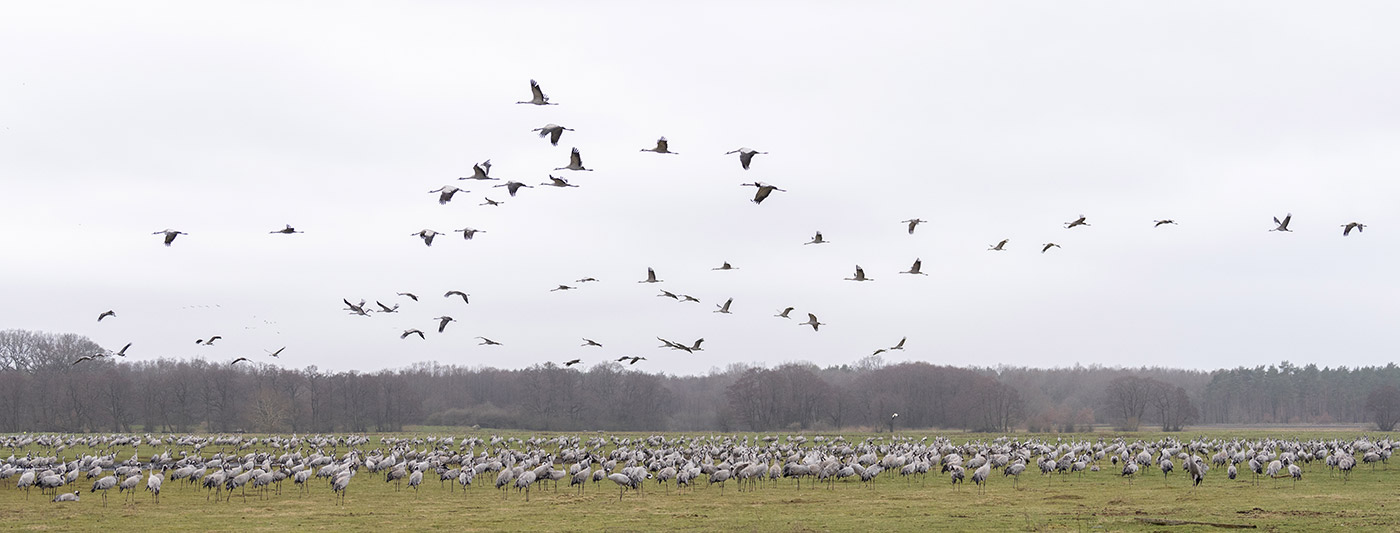
Already on the way to the area, we could spot many cranes in the fields and flying overhead. However, upon arrival at the bird tower, we were greeted by an impressive sight – around 6,500 cranes gathered in the fields in front of us.

Pulken is situated 15-20 km south of Kristianstad and is part of the natural area known for its many lakes, rivers, and wetlands. Pulken is renowned for being one of the best places to observe cranes in Skåne in March-April, as it serves as a perfect resting place for the tired migratory birds, who seek refuge here in their thousands. Additionally, the cranes are fed here, which contributes to their return year after year.

In Scandinavia, the Crane is a migratory bird, particularly notable for its seasonal presence during the spring and autumn. During the warmer months, it breeds in the northern parts of Scandinavia, often in wetland areas such as marshes, bogs, and meadows. 

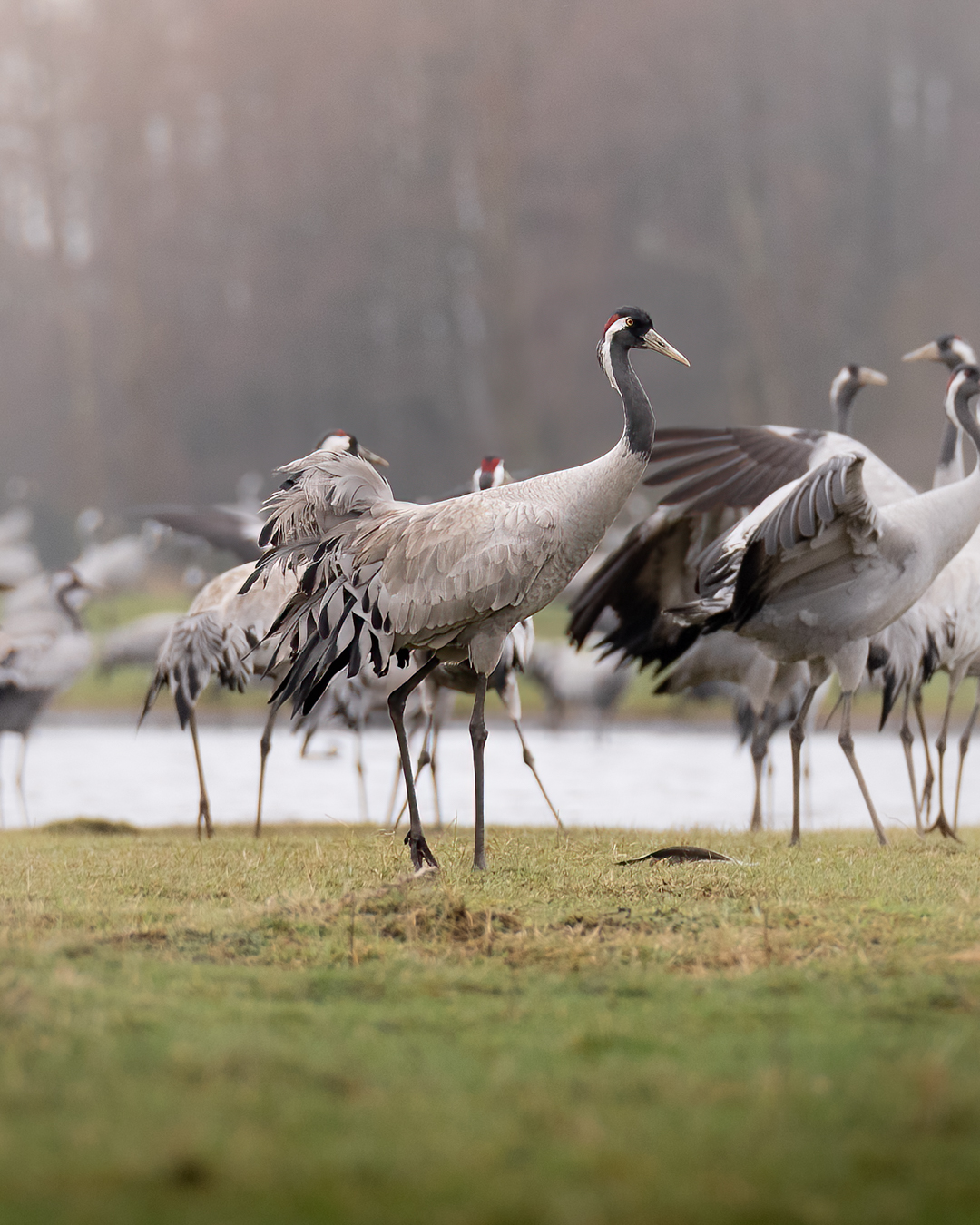
The Crane is a majestic bird characterized by its long neck, slender legs, and distinctive trumpeting calls. With a wingspan reaching up to 2.4 meters, the Crane is one of the largest bird species in Europe.

Read more about Pulken at Tripadvisor.com