A Visit to Frigatten Jylland – Denmark’s Historic Naval Gem
July 2020
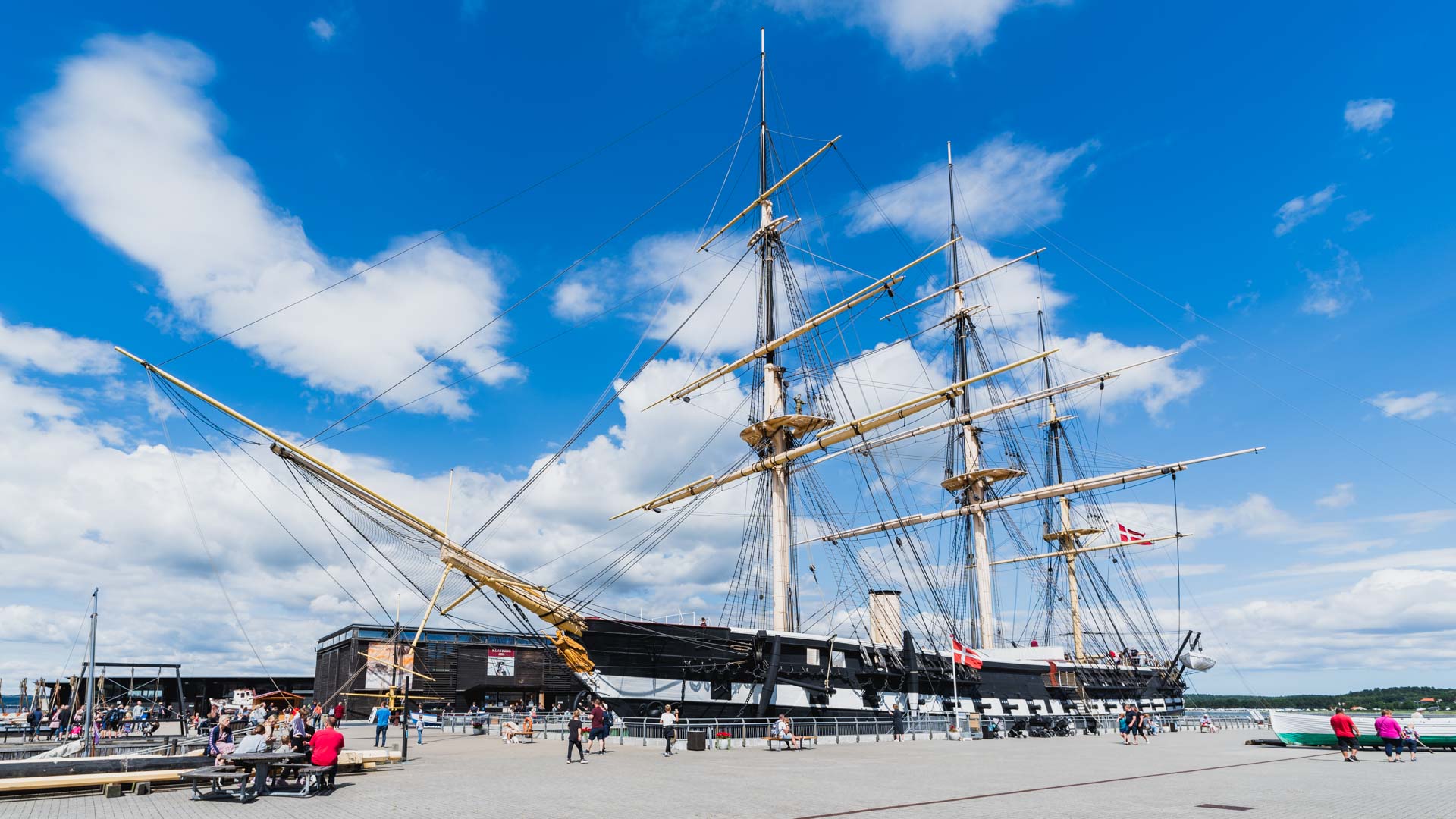
With international travel still limited by restrictions in July 2020, we decided to explore closer to home and headed to Aarhus, Denmark’s second-largest city, on the Jutland peninsula. While Aarhus offers plenty to see, my real destination was a short drive away – a historic ship I’d long wanted to visit: the legendary frigate Jylland.
As someone who’s always been fascinated by old ships, I’ve visited several famous naval vessels over the years, including HMS Victory in Portsmouth, HMS Belfast in London, and USS Constitution in Boston. But the Danish frigate Jylland, renowned for its role in the Battle of Helgoland in 1864, had been on my bucket list for years.
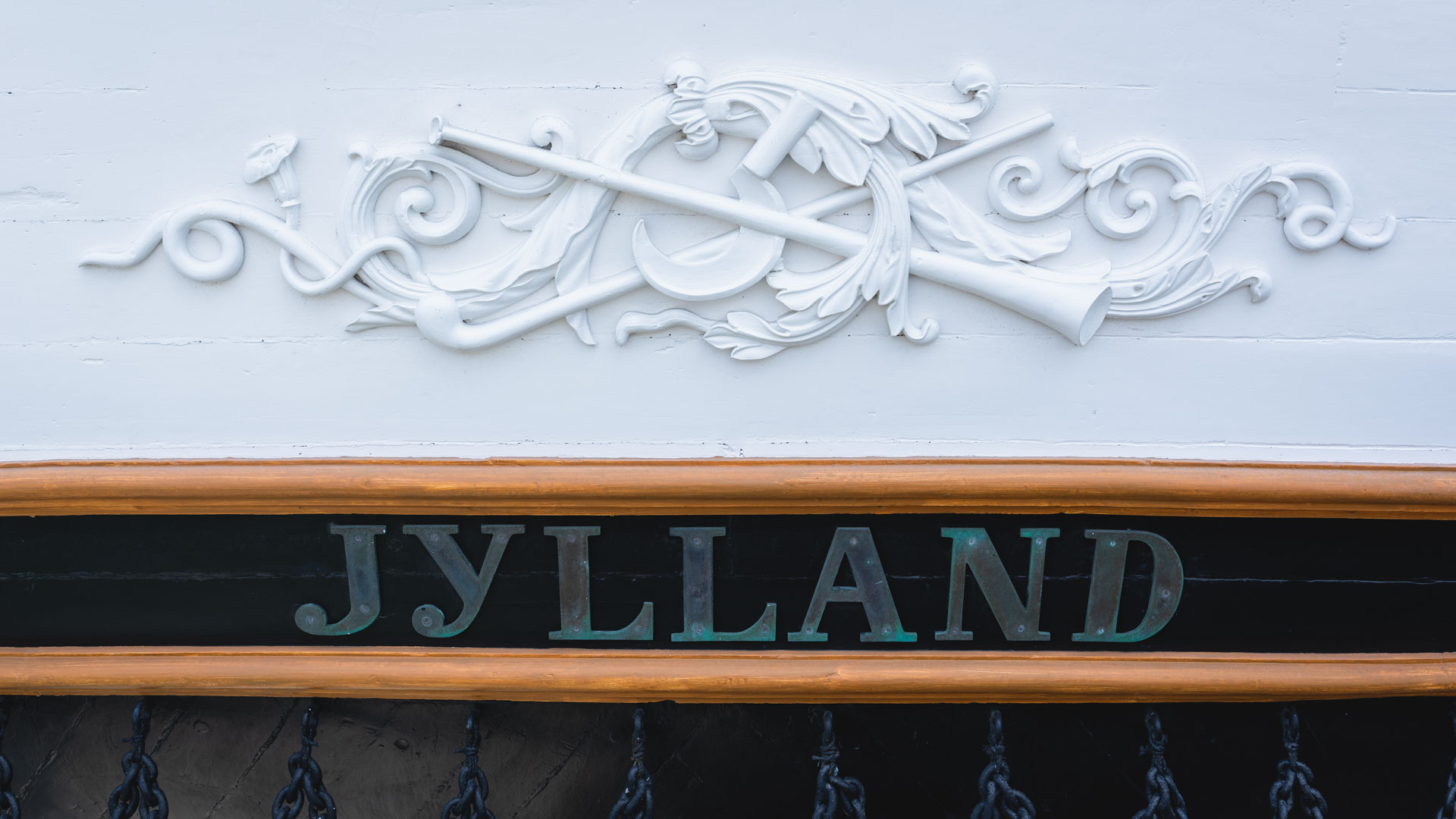
Launched in 1860, Jylland is a remarkable ship with a storied history that showcases both the challenges of war and the resilience of maritime heritage. Built for the Royal Danish Navy, it played a significant role in the Second Schleswig War, particularly during the Battle of Helgoland, where it achieved notable naval victories despite Denmark’s overall defeat.
However, the frigate faced a perilous future, coming close to destruction in the late 19th century when it was deemed obsolete and nearly scrapped. Thanks to the dedication of preservationists, Jylland was saved from this fate and is now transformed into an open-air museum. Here visitors are invited to explore the ship’s rich legacy and 19th-century naval architecture. It is an important piece of Danish naval history and deserves a visit.
Exploring the Museum at Frigatten Jylland
Our visit began with a stop at the gift shop to purchase tickets. Before stepping aboard, we passed through a small exhibit that told the story of Jylland’s dramatic past – from its construction to its near-dismantling. The exhibit also highlighted the extensive conservation efforts that have preserved this maritime treasure. There’s even a treasure chest where visitors can contribute to its ongoing preservation.
Once outside, you’re greeted by the sight of Jylland resting in a vast drydock. The ship’s grandeur is immediately striking, much like the preserved vessels HMS Victory and the clipper Cutty Sark in England. Walking around the drydock gives you a full appreciation of the ship’s scale and craftsmanship, especially as you descend to view the immense screw propeller and copper-clad hull. Standing beneath the ship, looking up at its vast curved belly, really puts its size into perspective.
The tour starts in the ship’s lowest levels, accessed via a small hatch leading directly into the cargo hold. Natural light filters in from the deck above as you climb through the ship, navigating narrow stairways that take you upwards through different levels.
One of the highlights is the gun deck, lined with rows of imposing cannons. Although Jylland only has a single gun deck compared to HMS Victory’s three, it’s easy to imagine the powerful broadside it could unleash during its naval battles against Prussian and Austrian ships at Helgoland.
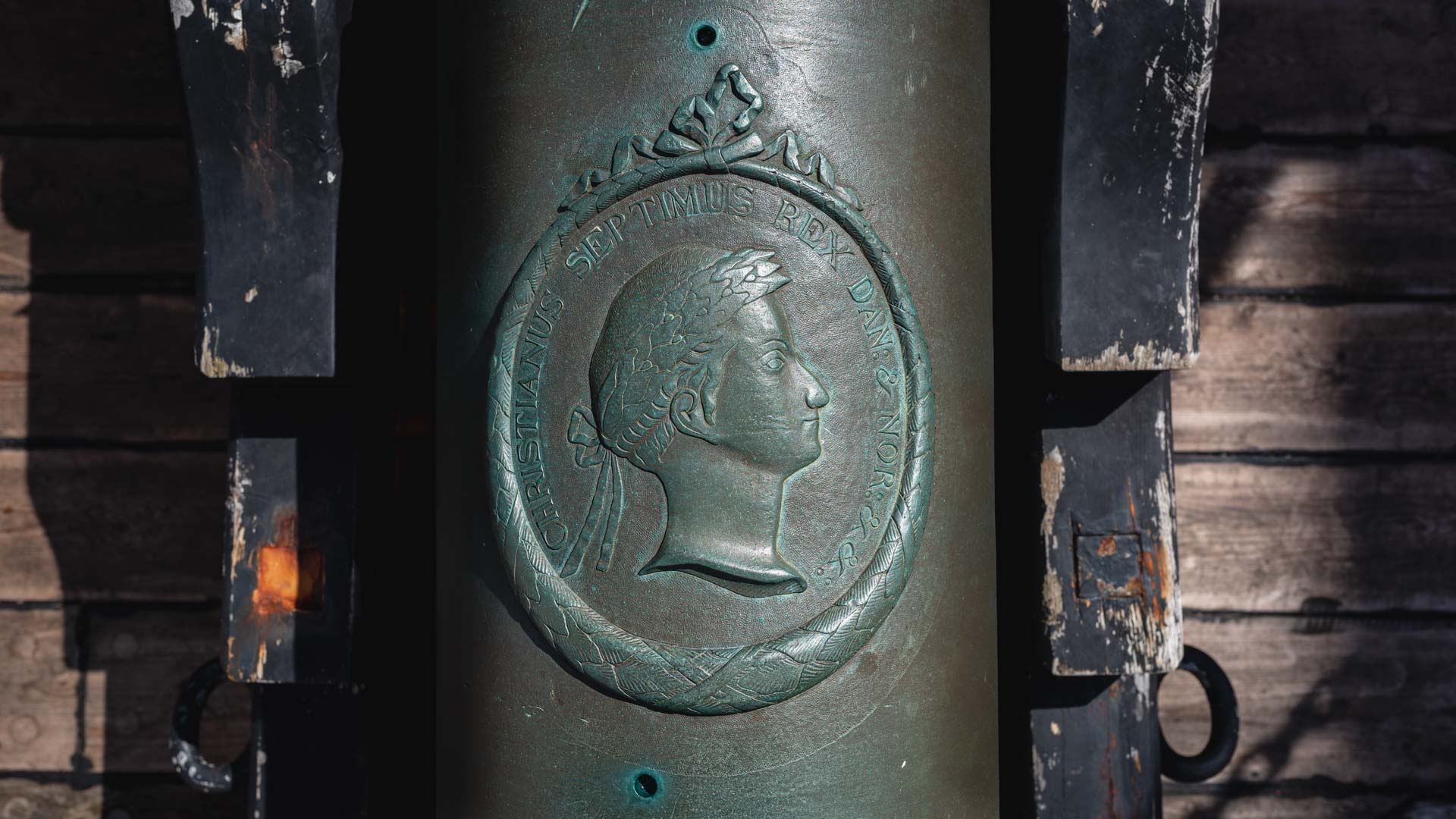
Some of the cannons, despite their brutish design, are intricately adorned with gilded coats of arms and manufacturer’s marks, hinting at the artistry behind their construction.
As a naval history enthusiast, I relish the chance to explore any old warship, and it was particularly rewarding to visit a vessel so deeply connected to Denmark’s own maritime past. Though Denmark lost the war of 1864, the Jylland’s victory at sea stands as a proud reminder of the country’s naval tradition. This ship is the last of its kind, a final relic of an era when wooden-hulled warships ruled the seas.
How to get there
Though Ebeltoft is about an hour outside Aarhus, it’s easy to reach by car or public transport. If you’re relying on public transportation, Bus 123 from central Aarhus takes you directly to the heart of Ebeltoft, and the frigate is just a short walk from the bus stop. Whether you’re a history buff or simply curious about Denmark’s naval heritage, Frigatten Jylland is well worth the trip.
This month I have been on a quest: To capture a photo of the comet “C / 2020 F3” – also known as NEOWISE.
However, it proved harder than first imagined. The first night I could see the comet clearly and, following advice from experts on TV, I planned to photograph NEOWISE around 3-4 AM. As the clocked passed 3 AM I noticed the comet getting fainter in the sky.
The morning sky was beautiful and I took some photos of the sun rising above Bornholm’s landscapes.
On July 18 I ventured out a little after midnight and joined a fellow photographer for a final attempt at getting a good shot of the comet. This time we had more luck.
And as the sun starting to rise the morning sky transformed into a beautiful vista of colours.
Exploring Christiansø: A 17th Century Naval Fortress
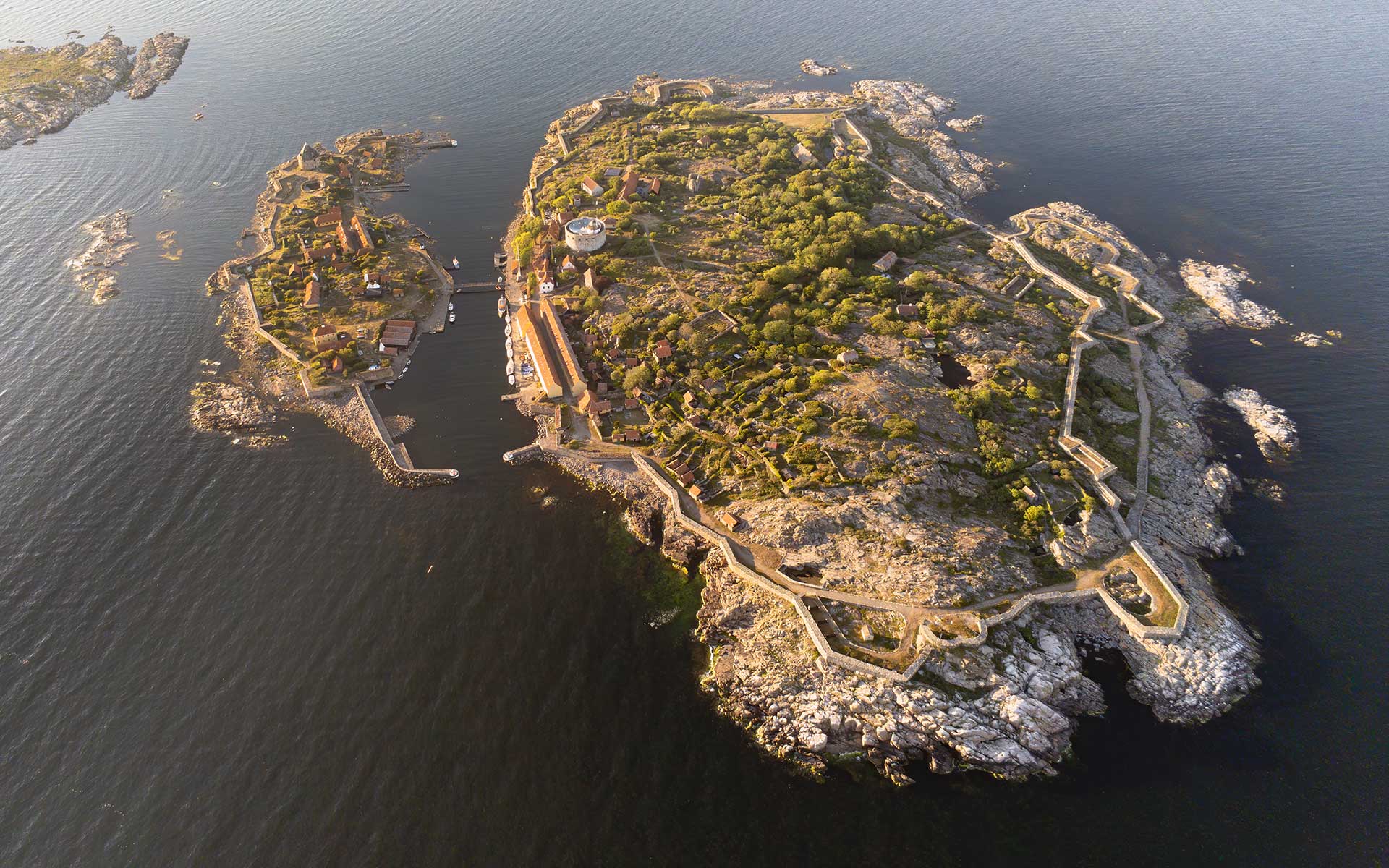
In June 2020, I had the pleasure of joining my colleagues for a two-day work outing to the Ertholmene archipelago. You may not be familiar with Ertholmene or its two main islands, Christiansø and Frederiksø, as they often fade into the shadow of their larger neighbor, Bornholm. However, a local ferry operates almost daily from Gudhjem on Bornholm to Christiansø, and I assure you, it’s well worth the trip!
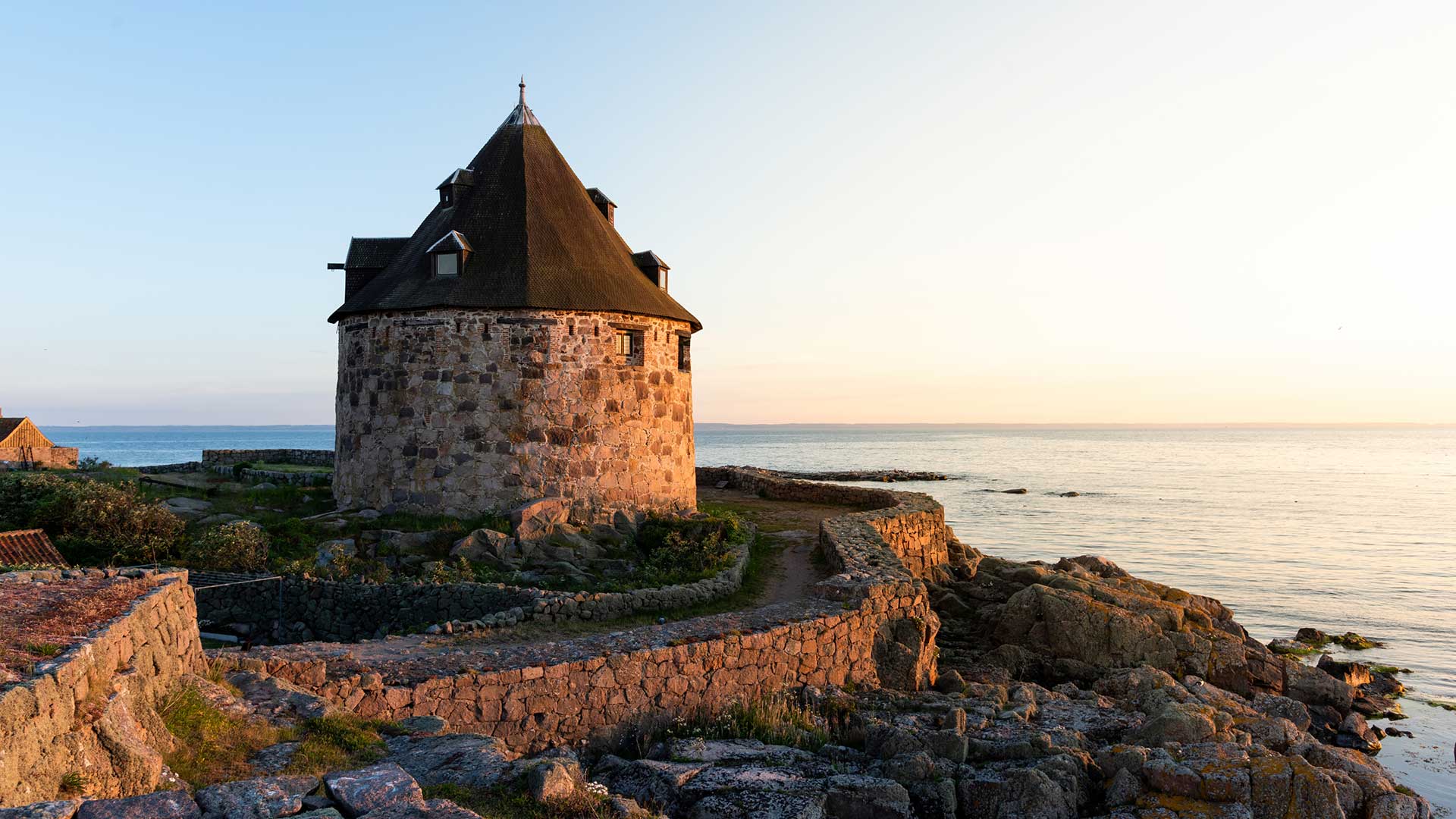
The Ertholmene archipelago, often simply referred to as Christiansø, is not only a picturesque cluster of islands but also a historic naval fortress dating back to the 17th century. The archipelago has a rich history; it was established as a military outpost in 1684 to protect Denmark from naval threats and has served various roles over the centuries, including a bird sanctuary. The unique ecosystem supports numerous bird species, making it a haven for nature enthusiasts.
In recent years, local administration—operating under the Danish Ministry of Defence—has worked diligently to transform Christiansø into a tourist-friendly destination. While it is possible to spend the night on the island, most visitors typically enjoy a few hours before returning to Bornholm.
On my previous visit to Christiansø, I only had a few fleeting hours to explore. Therefore, this time I was excited to stay overnight, allowing me to capture both the sunset and sunrise—though it meant sacrificing quite a bit of sleep! Fueled by a Monster energy drink, I managed to photograph both, joined by some colleagues eager to document the stunning scenery with their cameras.
To top it off, the local administration granted special permission for drone flights over the island. Concerned about disturbing the birds, I opted to fly a bit higher than usual, which rewarded me with breathtaking aerial views of the area.
If you find yourself on Bornholm, I wholeheartedly recommend taking the ferry from Gudhjem to Christiansø. It’s the perfect day trip, offering fantastic photo opportunities and a chance to immerse yourself in the island’s tranquil atmosphere.