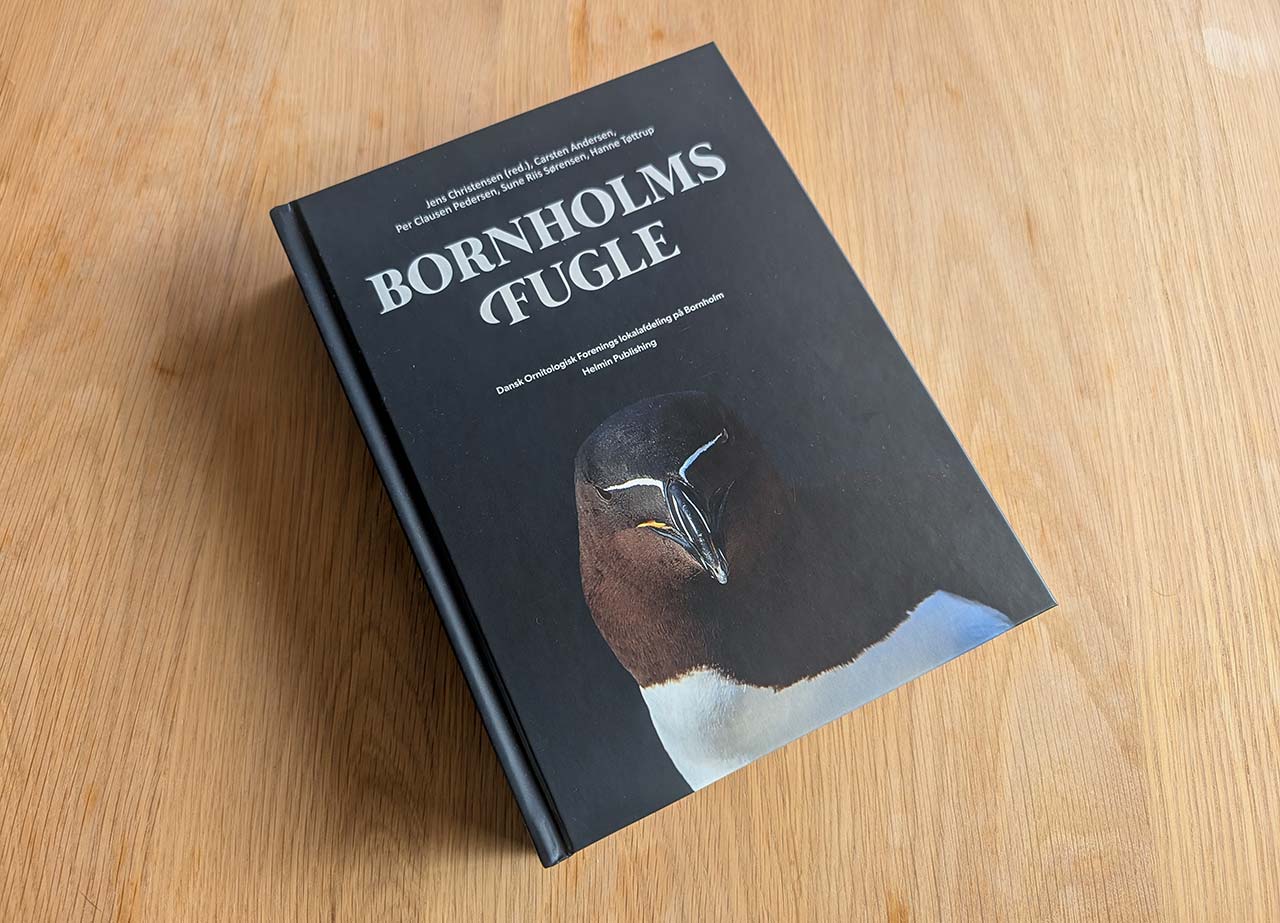
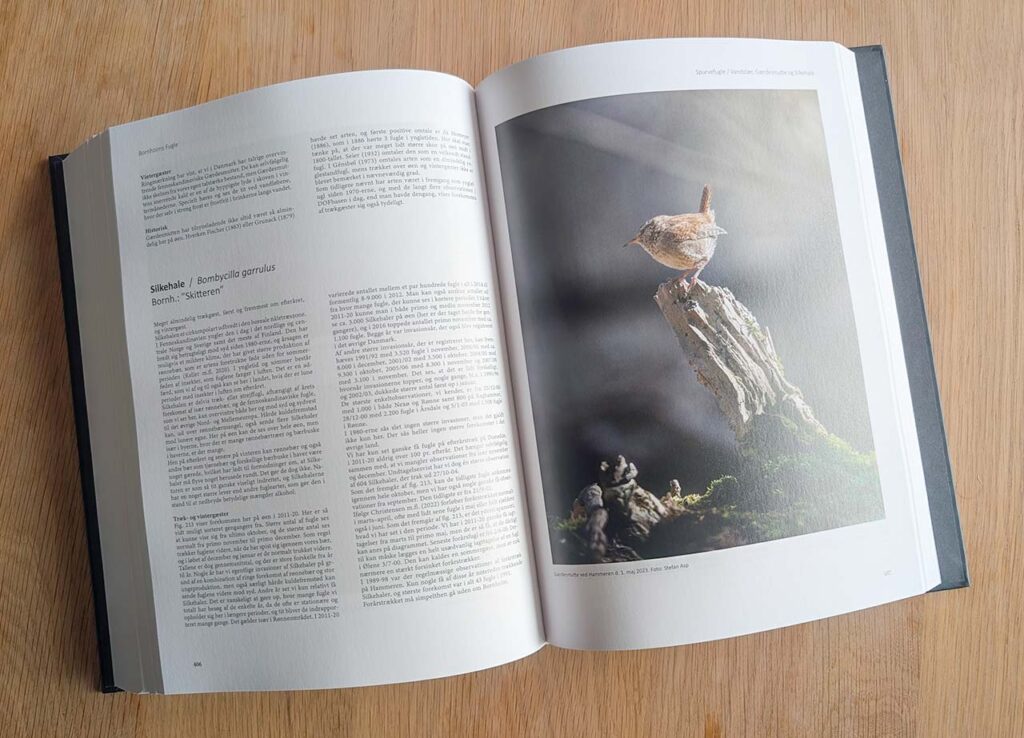
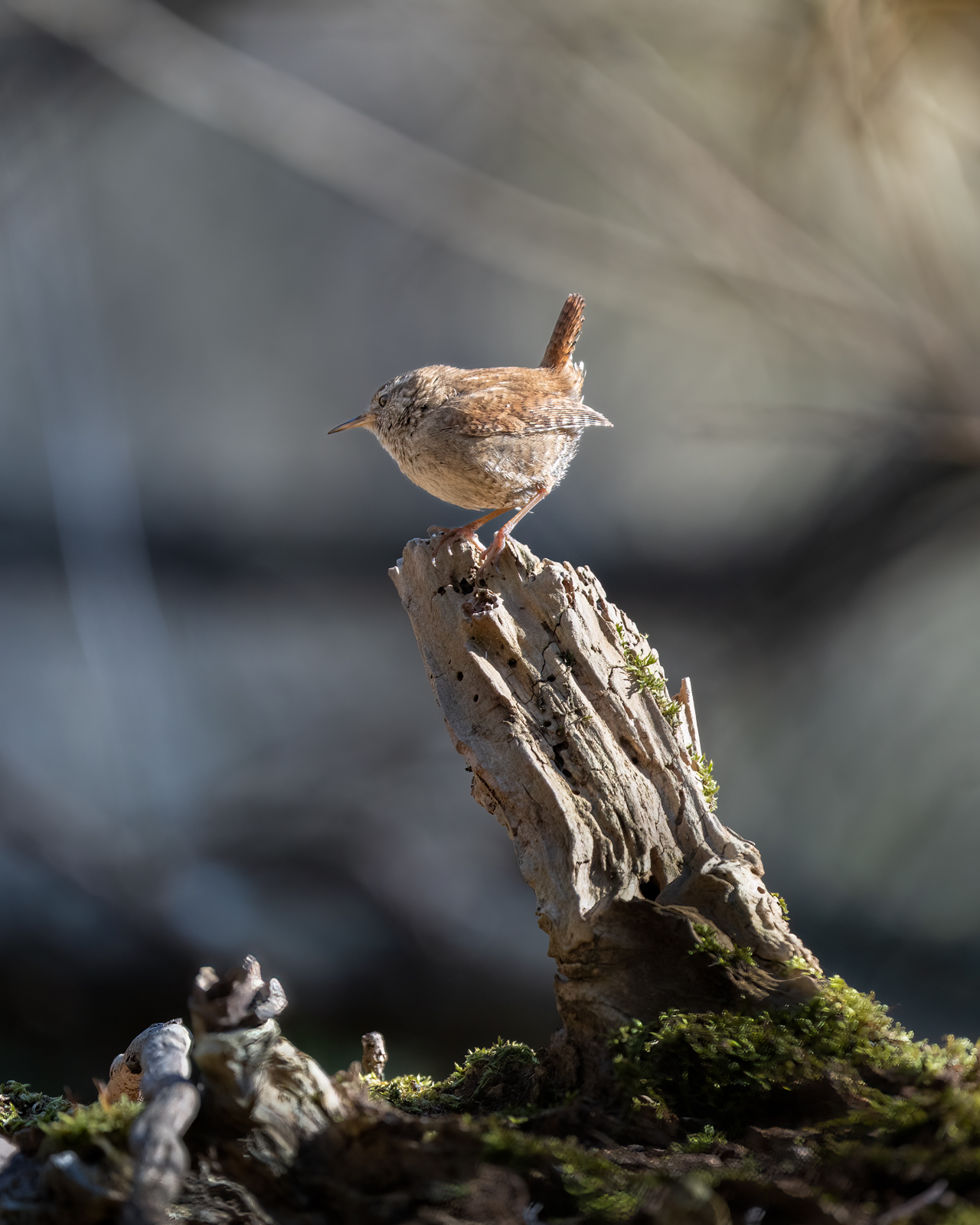
I’m happy to share a small milestone in my photography: a selection of my bird images from the Danish island of Bornholm has been published in the newly released book ‘Bornholms Fugle’ (Bornholm’s Birds).
The book provides a thorough overview of the island’s birdlife, and it brings together contributions from several local photographers. I’m pleased that some of my work made it into the book.
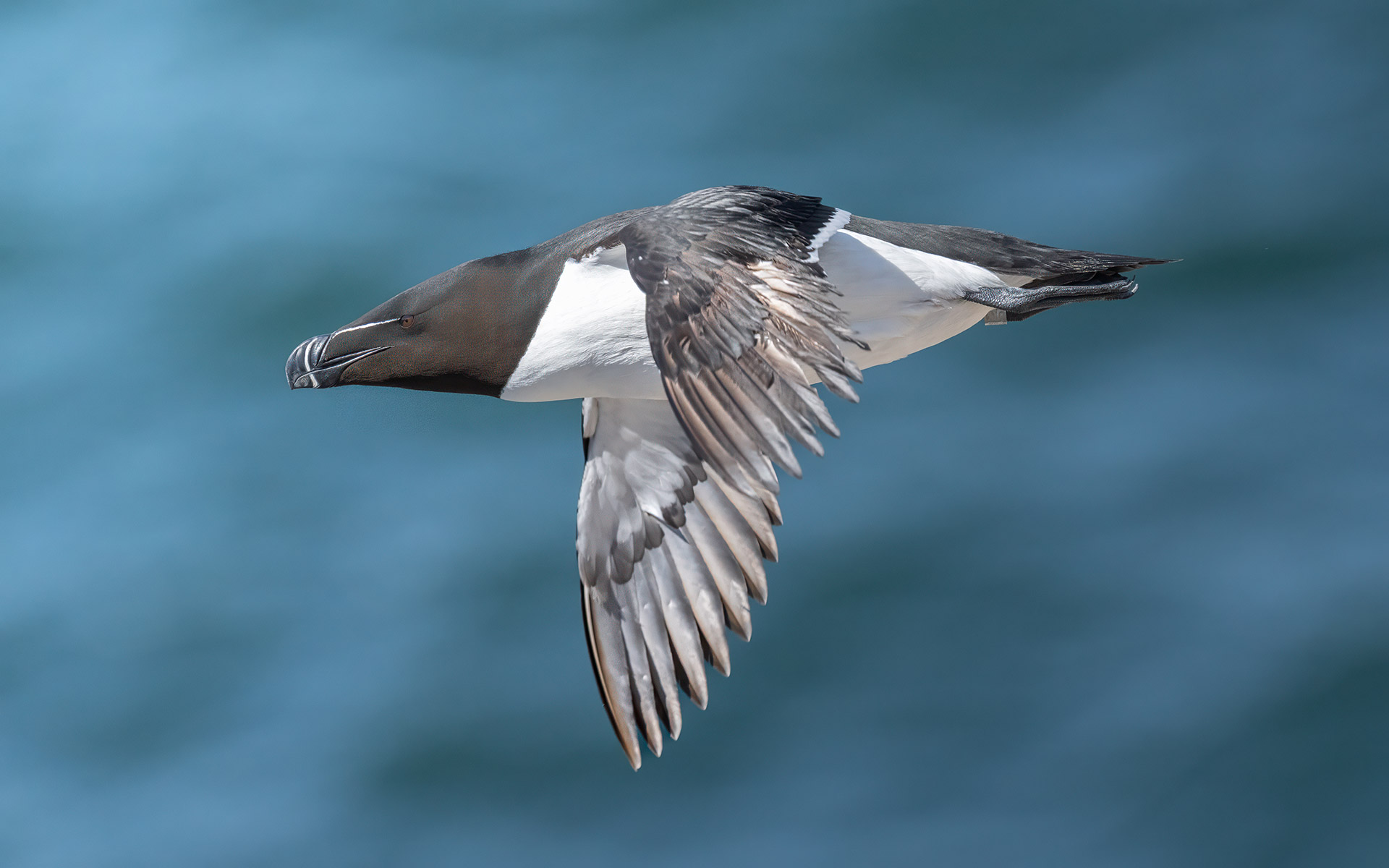
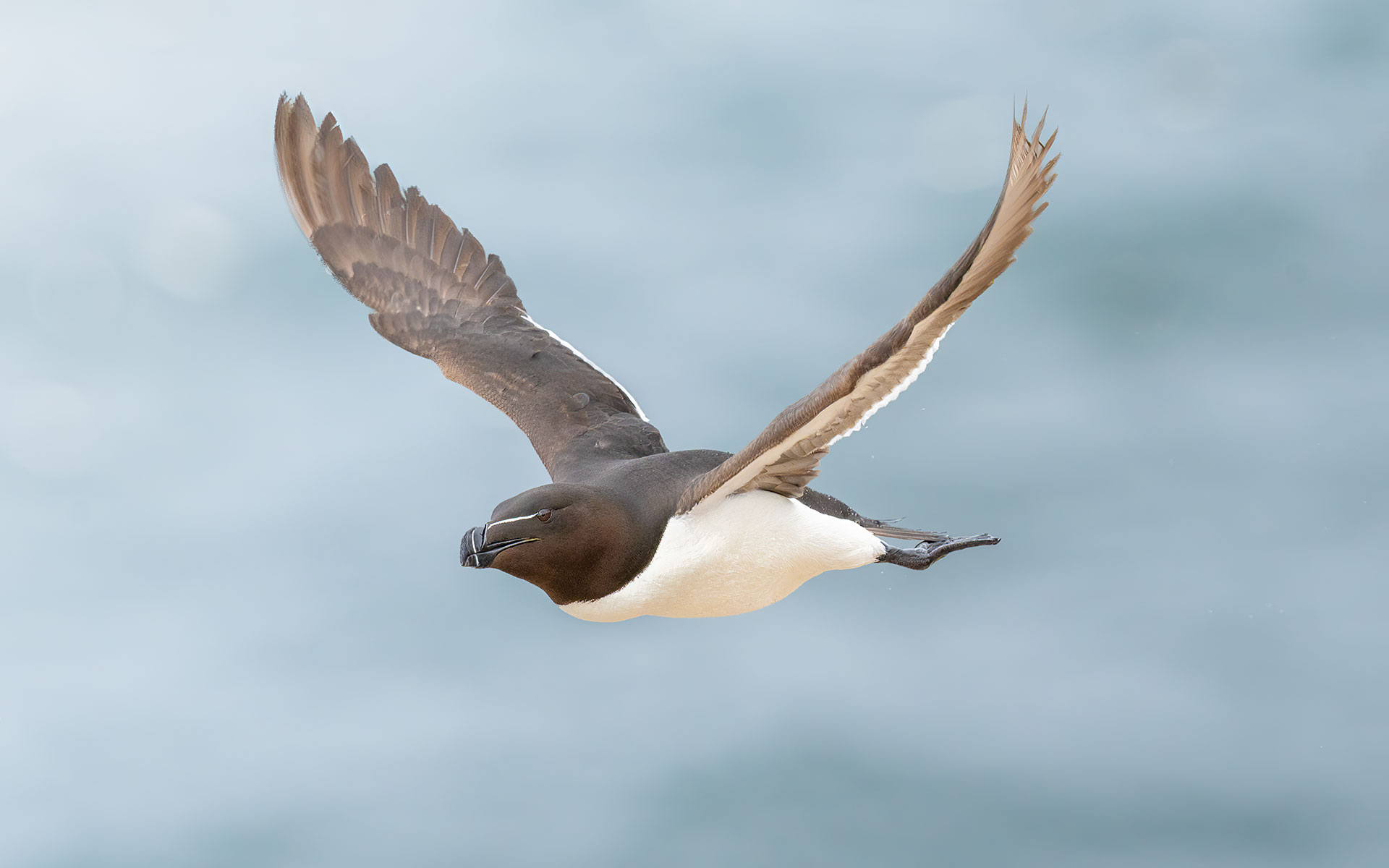
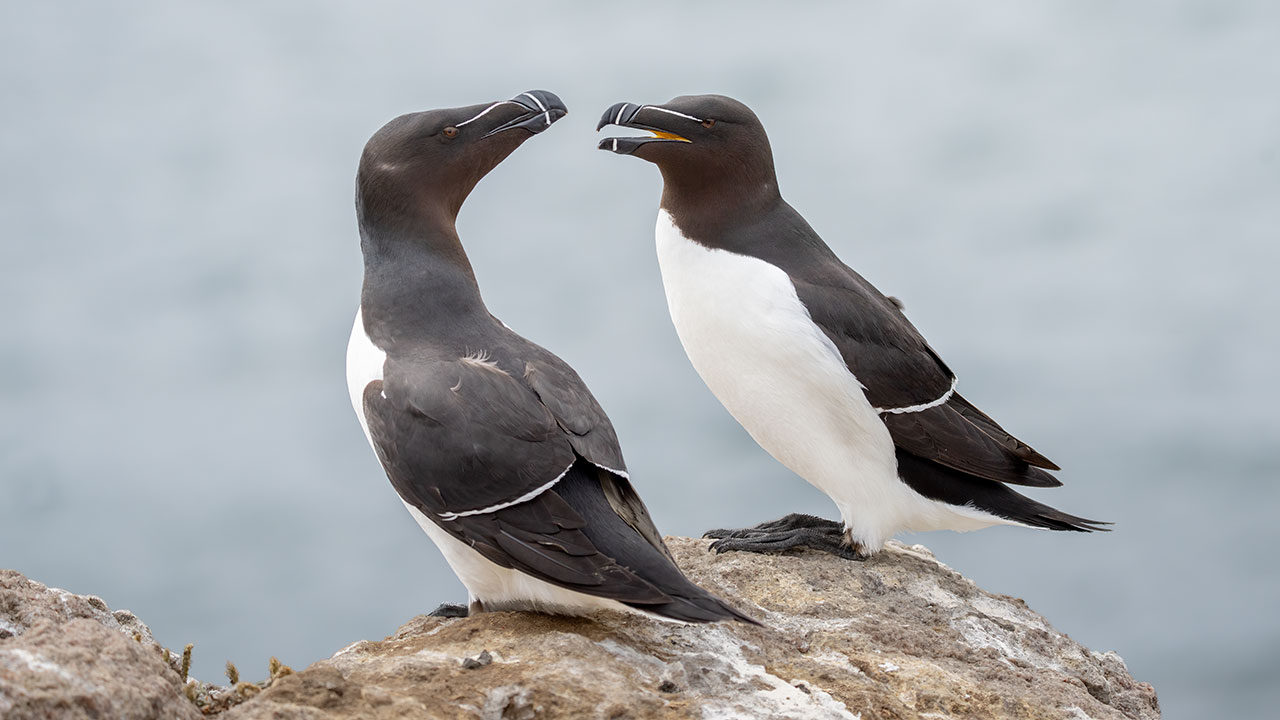
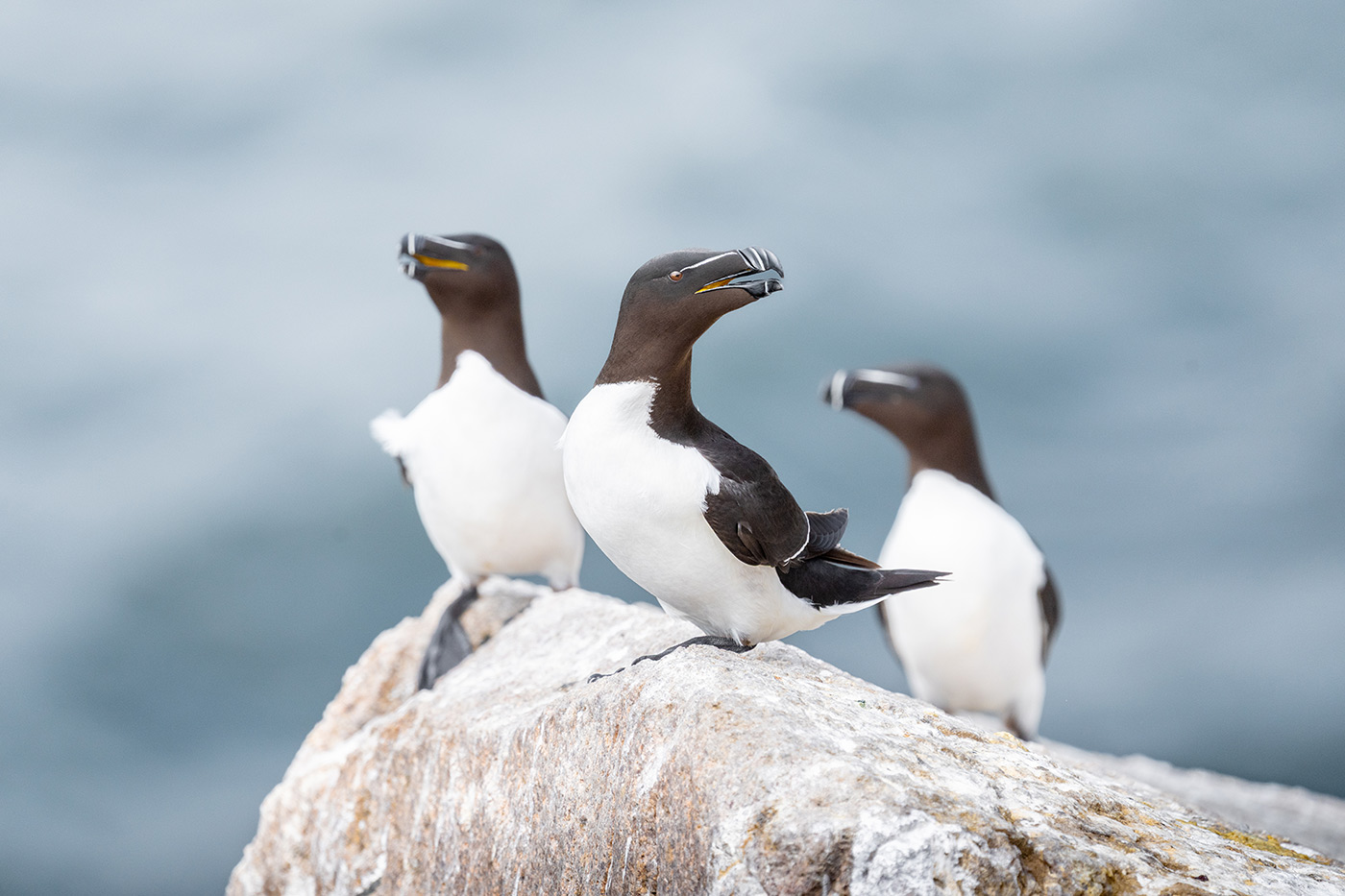
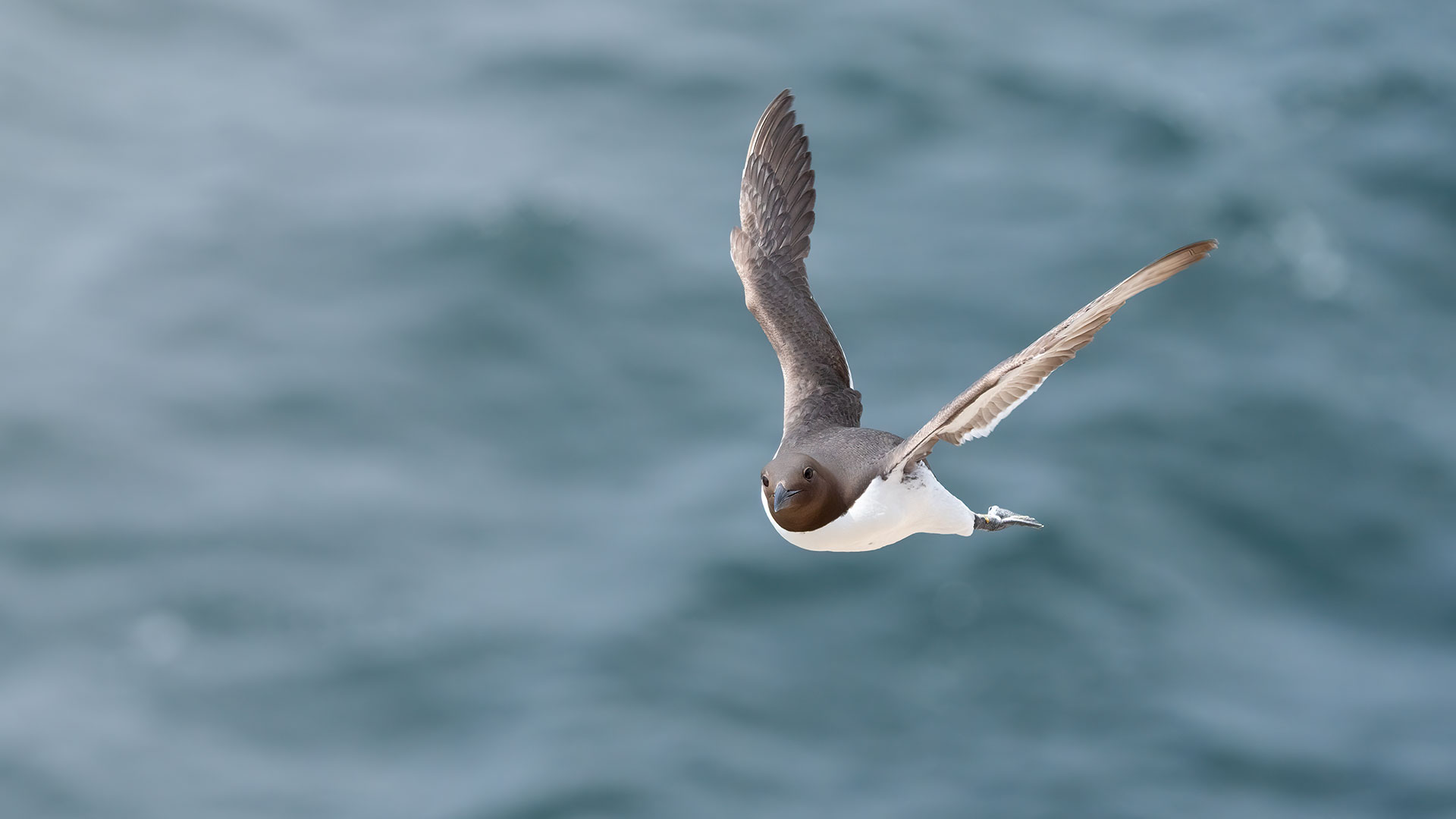
I took a short hike at Hammeren on the Danish island of Bornholm this week, mostly to see whether the Razorbills (Danish: Alke) and Common Murres (Danish: Lomvie) had settled on the cliffs for their usual June activity. They had! All along the coastline’s steep cliffs.
Both species are classic cliff breeders. Bornholm is one of the few places in Denmark where you can see them, and Hammeren’s cliffs gives a rare opportunity to see these birds up close.
Photographing them in harsh summer sun is always a challenge. Their black‑and‑white plumage pushes the dynamic range to its limits, and the angles along the cliffs don’t leave much room to adjust.
I ended up slowly sliding down a hillside to reach a better vantage point. Not ideal for anyone with a fear of heights, but manageable if you stay low and move carefully.
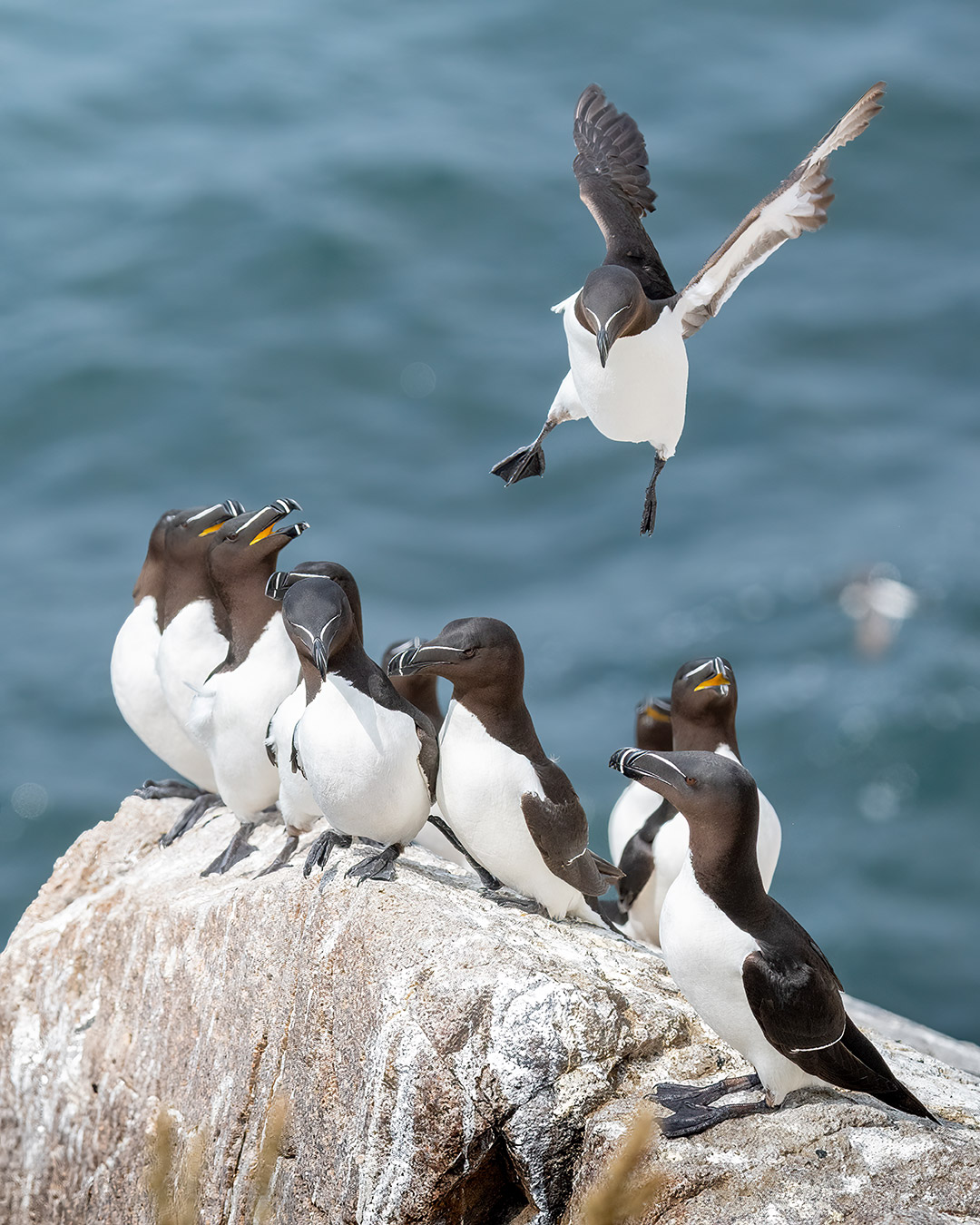
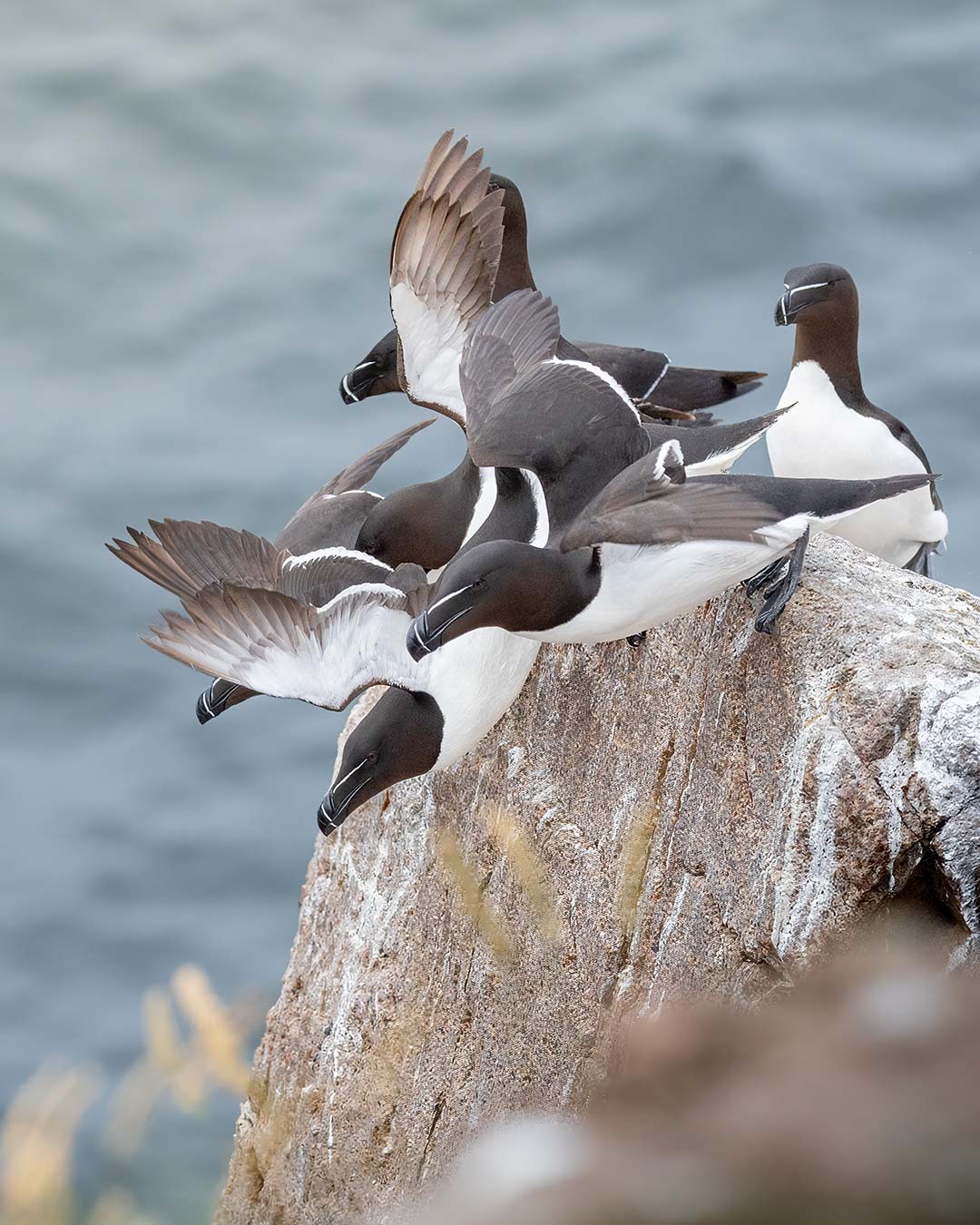
Still, a few frames worked, and here are two of them. Both shot with my Sony A1 and Sony 200-600 mm lens. Shutter at 1/4000 – these birds are fast!
Tip 1: One practical advantage for photographers is their flight pattern. These birds often circle the same routes along the cliff line, so if a Razorbill passes and you miss the shot, patience will usually pay off, since it will likely come back, or another will follow the same path.
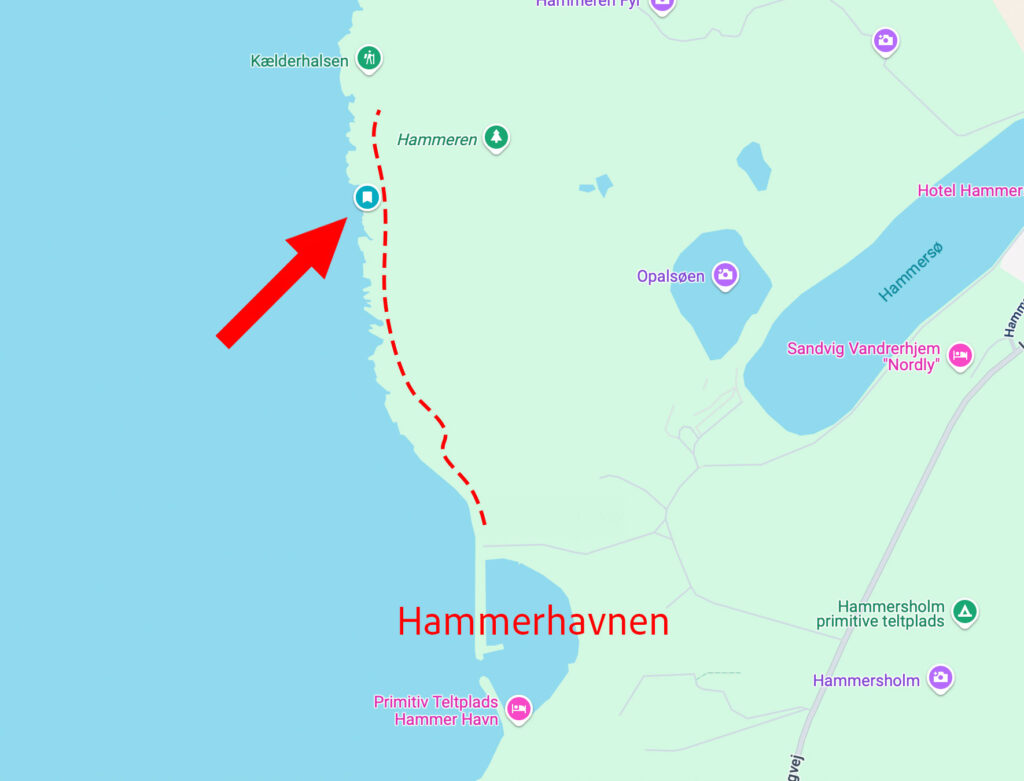
Tip 2: On the map below I’ve highlighted the best place to photography the birds. Follow the path from Hammeren Harbour (Danish: Hammerhavn) and slide carefully down the hill at this spot. Remember, it is quite a fall, so stay away from the cliff edge and be carefull – stay seated.
Thank you for reading my blog. Follow me on my social media acccounts for more. I’m primarily active on Facebook.
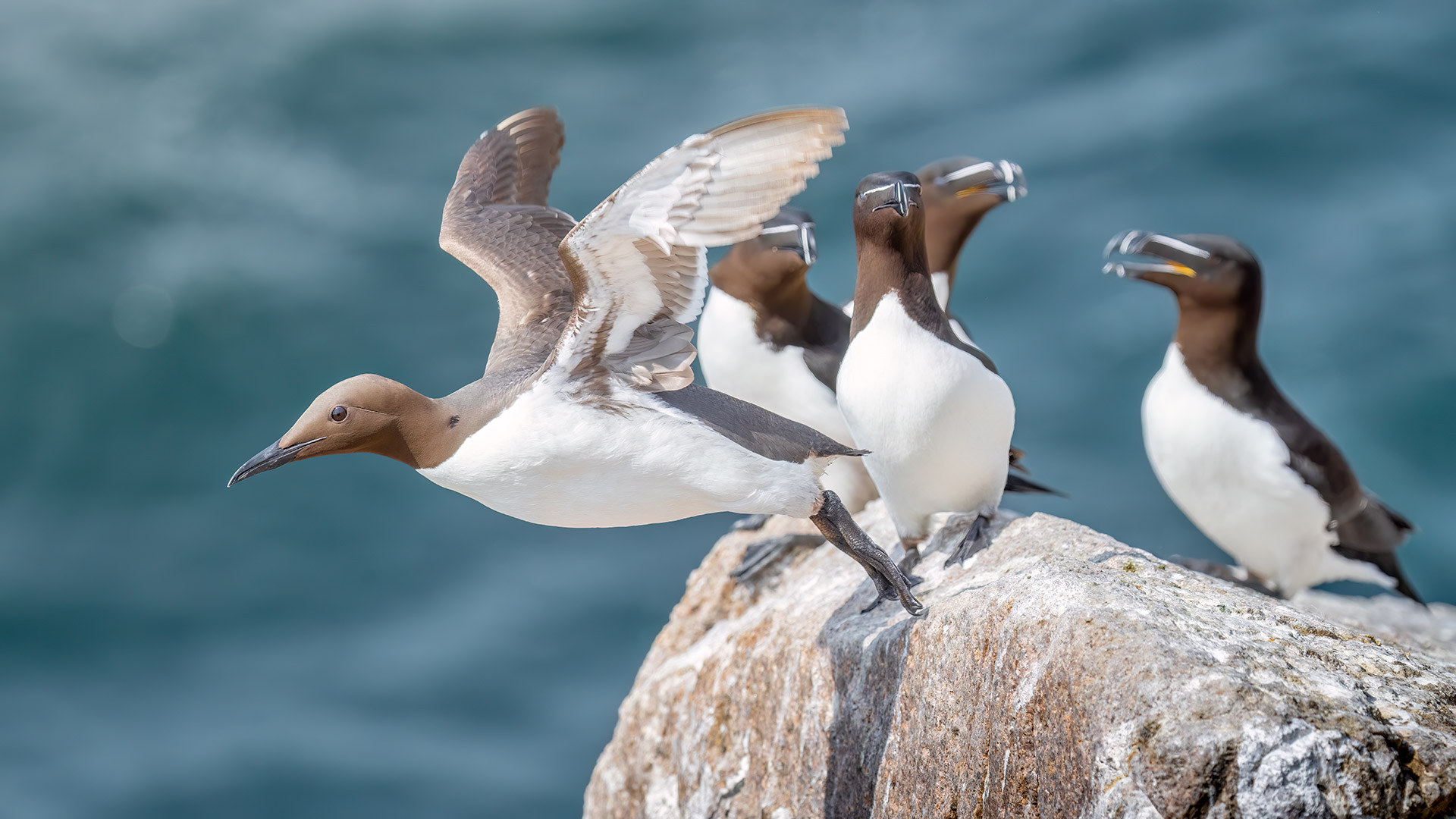
A trip to the steep cliffs of Hammeren on Northern Bornholm turned into one of the more memorable wildlife. With my Sony A1 and 200–600 mm lens in hand, I had the pleasure of capturing Razor Bills and Common Guillemots perched along the sheer rock faces and in flight.
Bornholm becomes a haven for these seabirds during the spring and summer months, when both species arrive to breed along the island’s rugged northern coast. The Razor Bill (Alca torda) is striking with its deep black and white plumage and sharply defined beak, often seen diving with precision into the Baltic waters. Meanwhile, the Guillemot (Uria aalge), slightly more slender and chocolate-brown in hue, nests in close-packed colonies, their eerie cries echoing off the cliffs.
A great spot for photographing the birds are right where the red arrow is pointing.
To reach this fantastic viewing spot, I recommend parking at Hammerhavnen and following the narrow path northward. As the trail winds along the coastline, the cliffs rise steeply beside you—and so do the chances of encountering these fascinating birds up close, without disturbing their natural rhythm.
This was hands-down one of the finest opportunities I’ve had to observe and photograph both species. I’ve shared a selection of images below—hope they give you a sense of the wonder I felt watching these birds thrive on the edge of the sea.
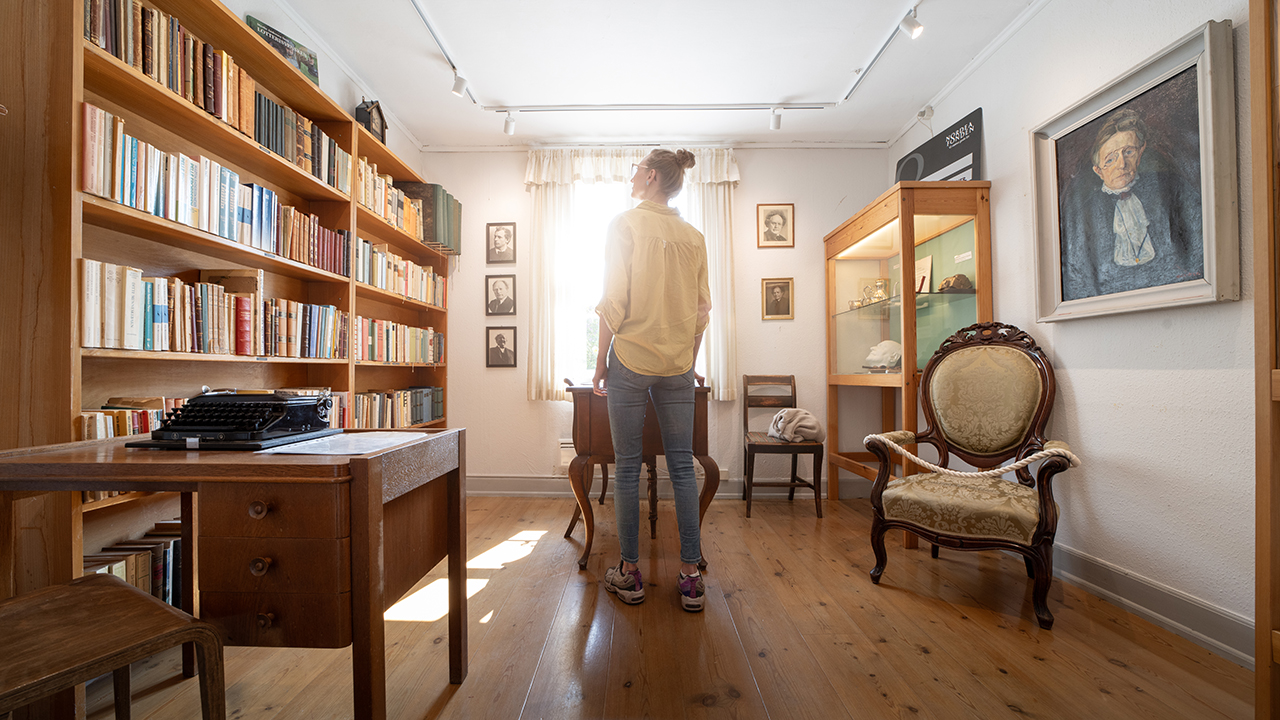
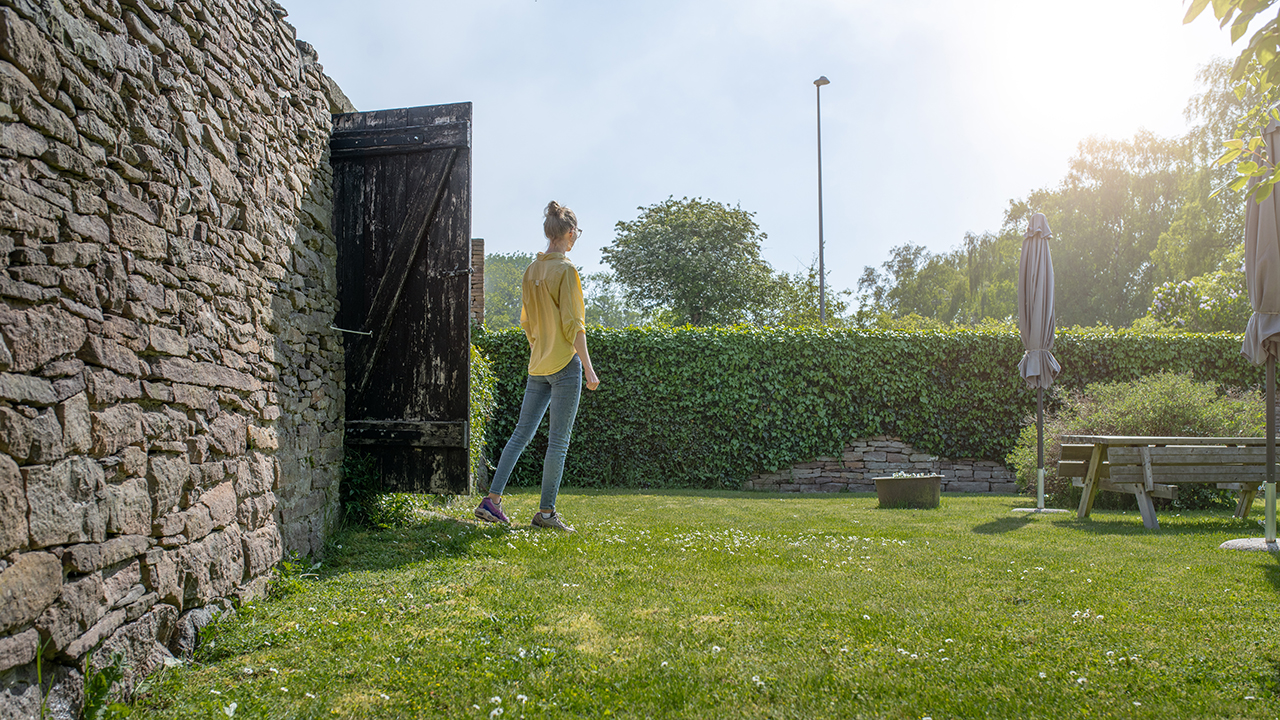
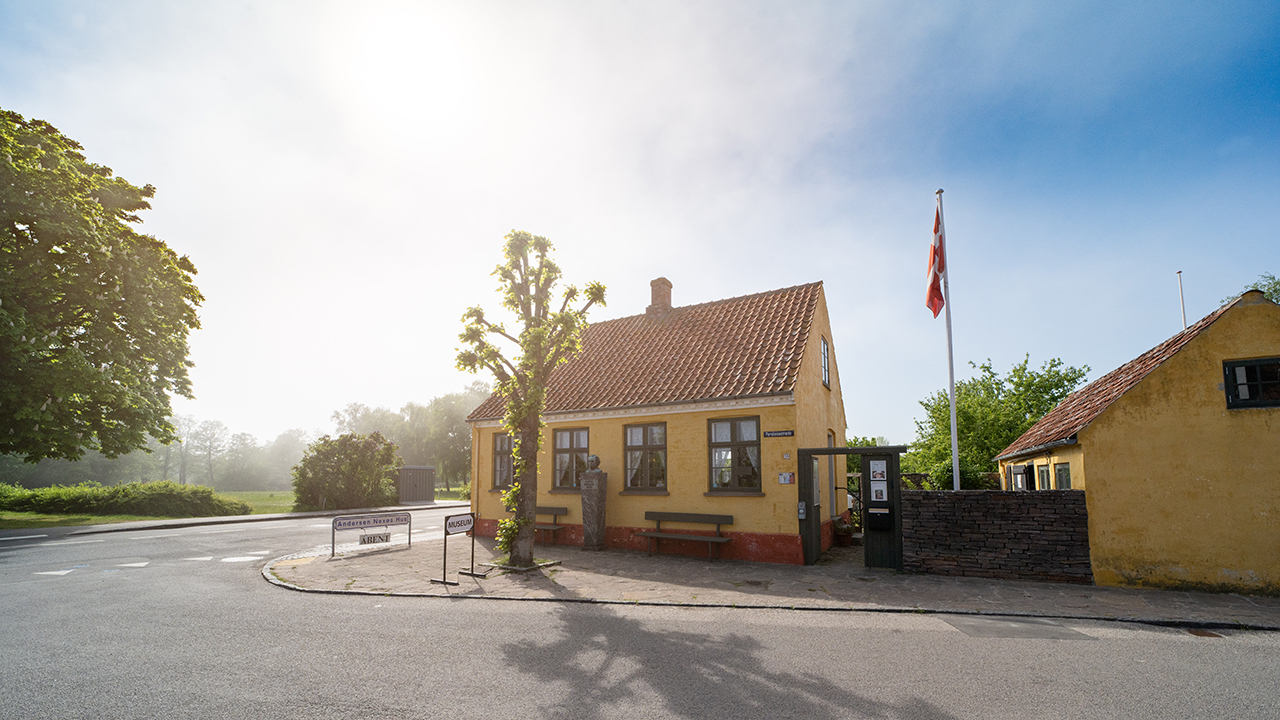
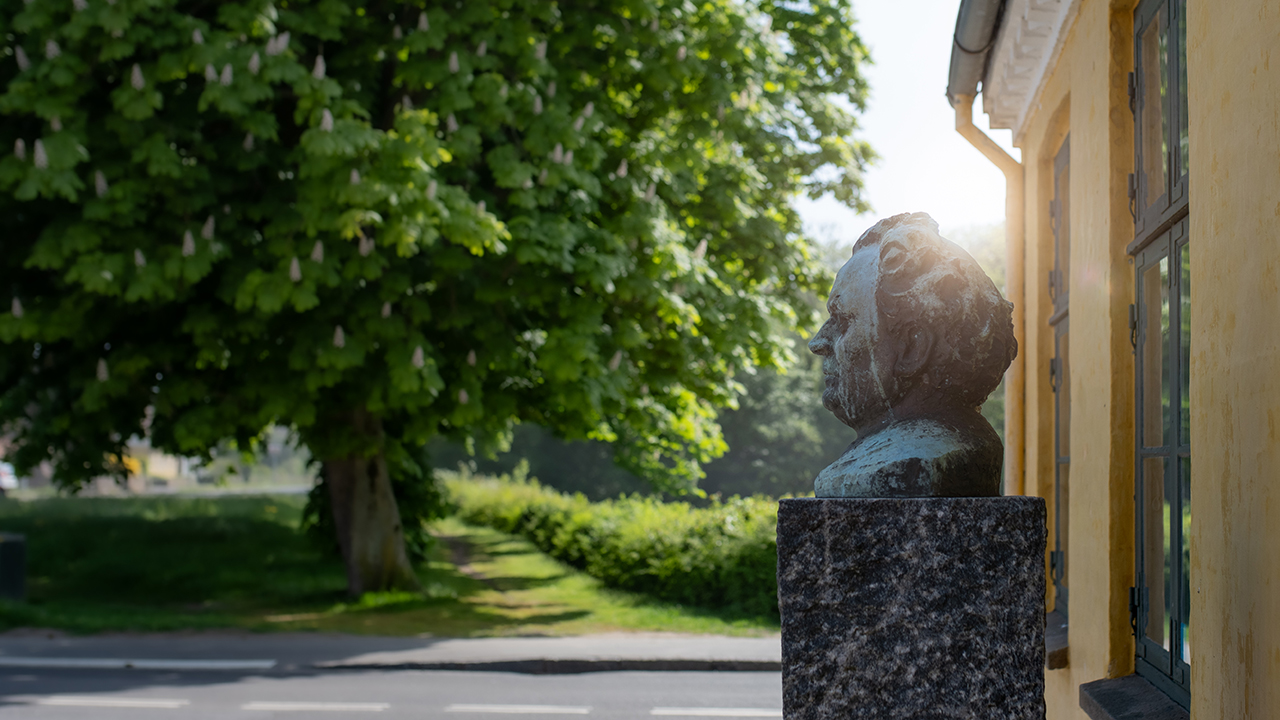
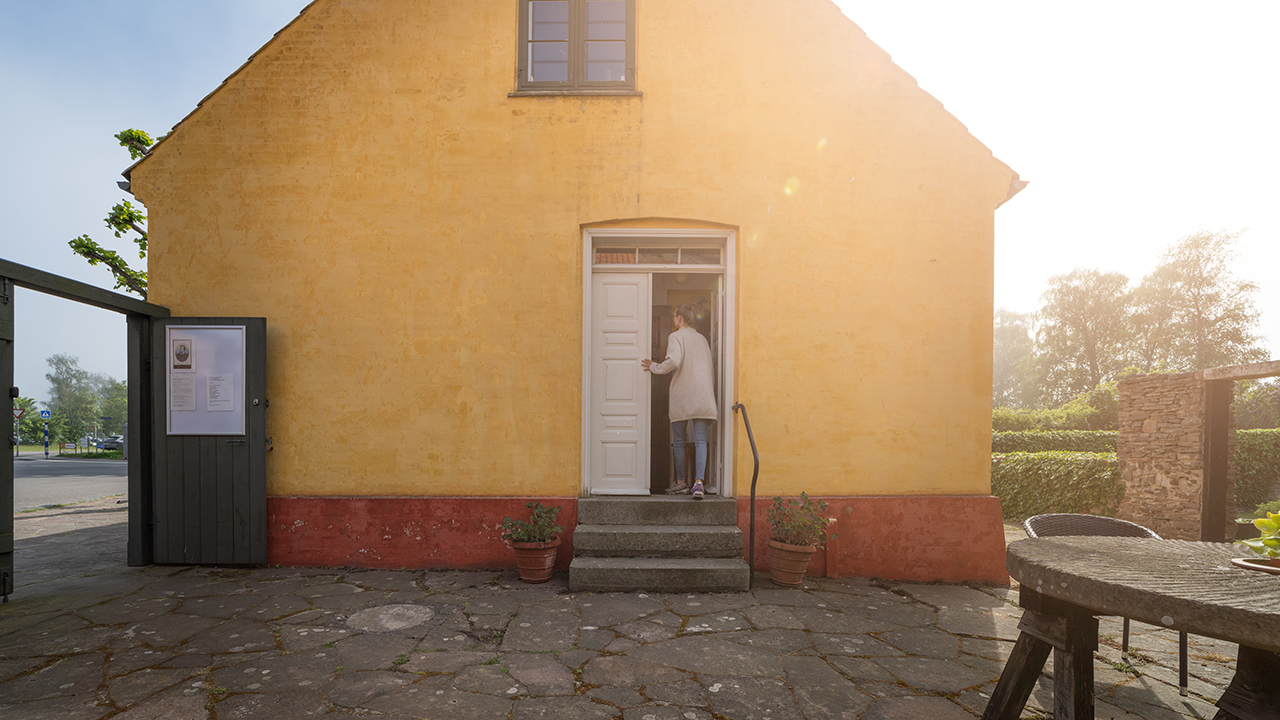
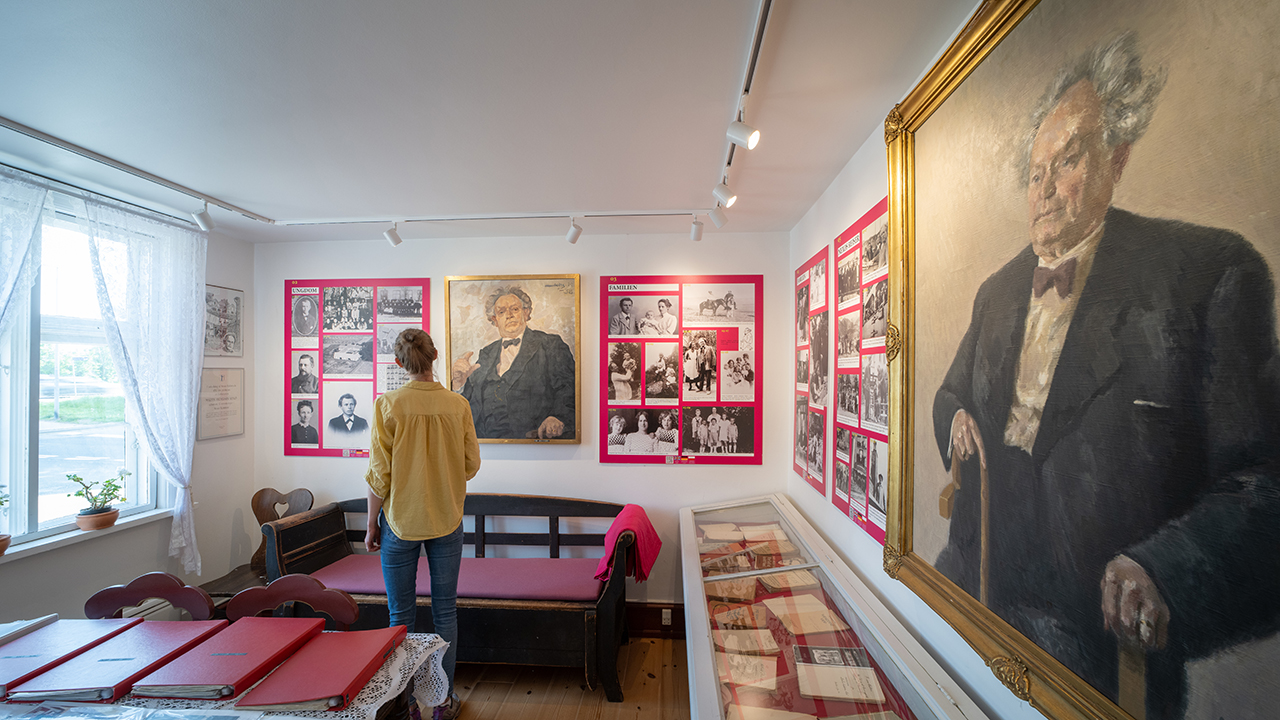
Recently, I had the pleasure of photographing at Martin Andersen Nexøs Mindestuer, a cultural hub in the town of Nexø on Bornholm. The building is the childhood home of the famous Danish author Martin Andersen Nexø and today it is a museum dedicated to his life and work. Their exhibits offers a glimpse into the world of one of Denmark’s literary giants, whose works like Pelle the Conqueror and Ditte, Child of Man have left an indelible mark on Danish literature.
The Museum’s staff and volunteers are currently working on a new website to draw in visitors and renew interest in Nexø’s legacy. My task was to capture the charm of the old building. This is the result:
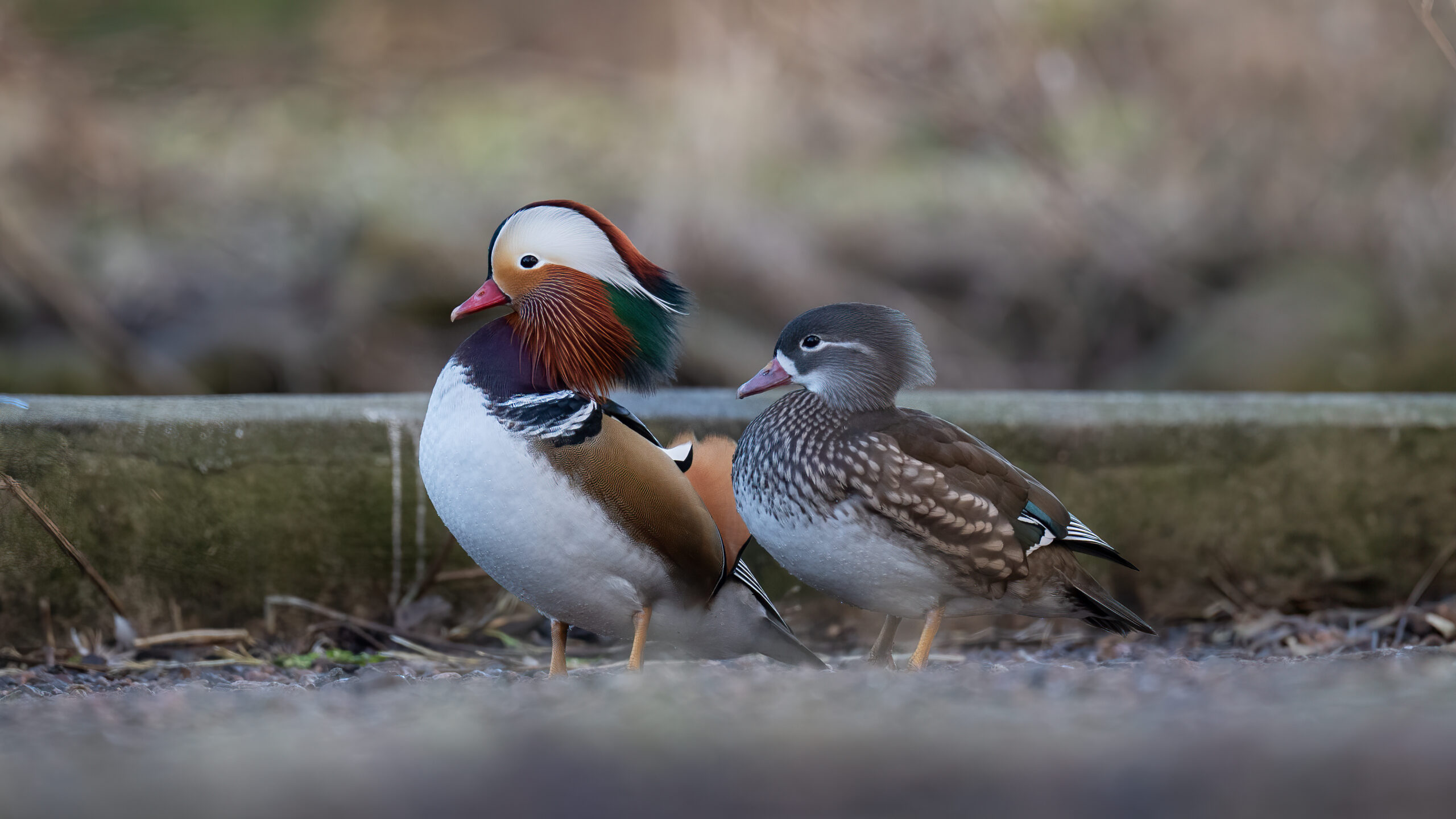
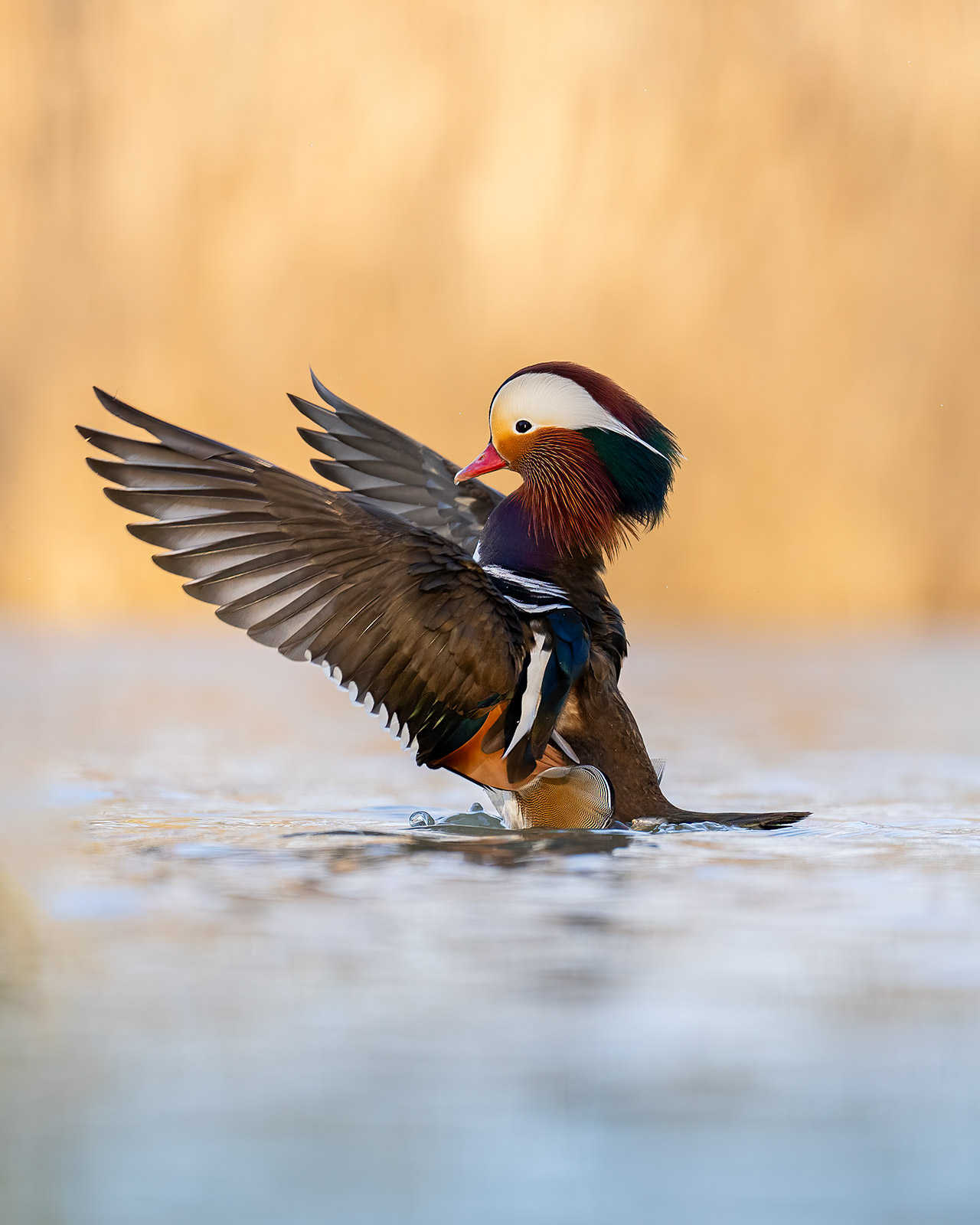
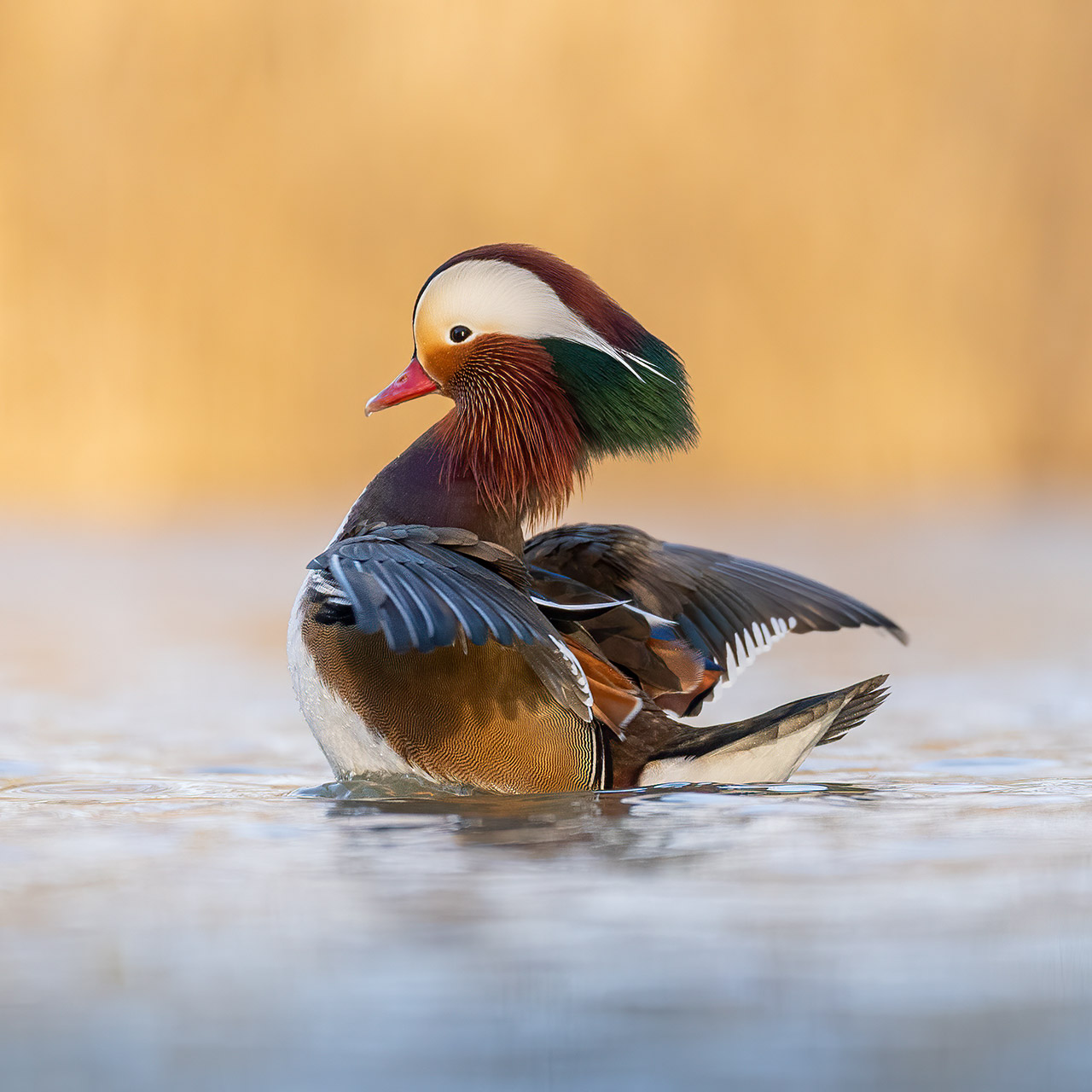
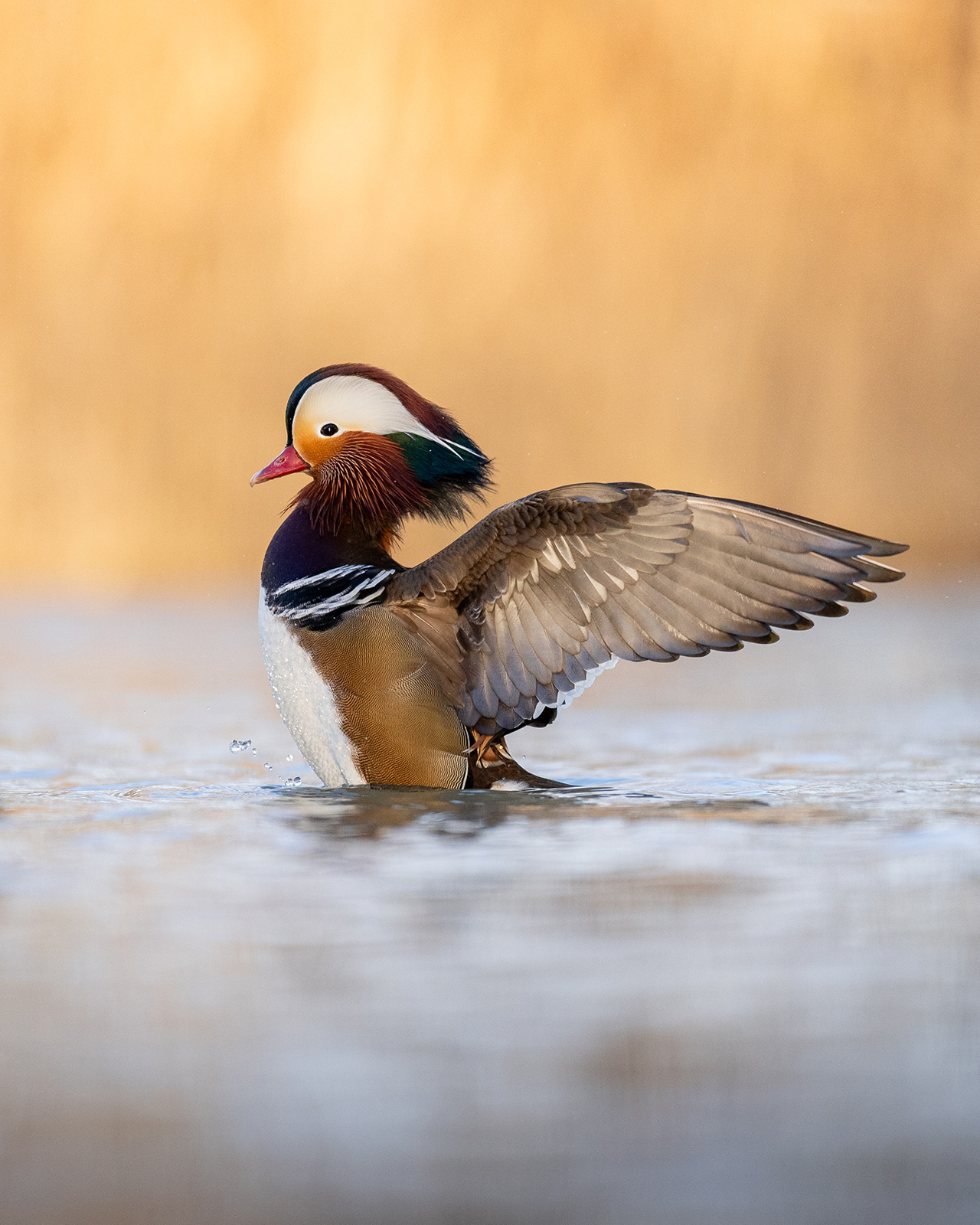
Today was another exciting adventure as I embarked on a car ride to Nexø, where I desired to capture a photo of a Mandarin Duck that had been spotted in a small local lake.
Upon reaching the lake, my patience was rewarded as I not only found the elusive Mandarin Duck but encountered both a male and a female gracefully gliding across the water. The male Mandarin Duck stole the spotlight with its vibrant and striking plumage, creating a visual spectacle that exceeded all expectations.
The male Mandarin Duck boasts an exquisite palette of colors that seems almost too surreal to be true. Its ornate and intricate feathers are a mesmerizing combination of deep purples, rich blues, and vibrant oranges. The distinctive “sail-like” crest on its head adds a touch of elegance to its appearance, while the intricate patterns on its wings create a harmonious symphony of colors.
Capturing the essence of this beautiful creature through the lens of my camera was a moment of pure joy and accomplishment. The sunlight played on its feathers, creating an array of reflections that enhanced the already breathtaking display of colors. It was a surreal experience, and the photos I managed to capture will forever serve as a cherished memory of my first encounter with a Mandarin Duck in real life.
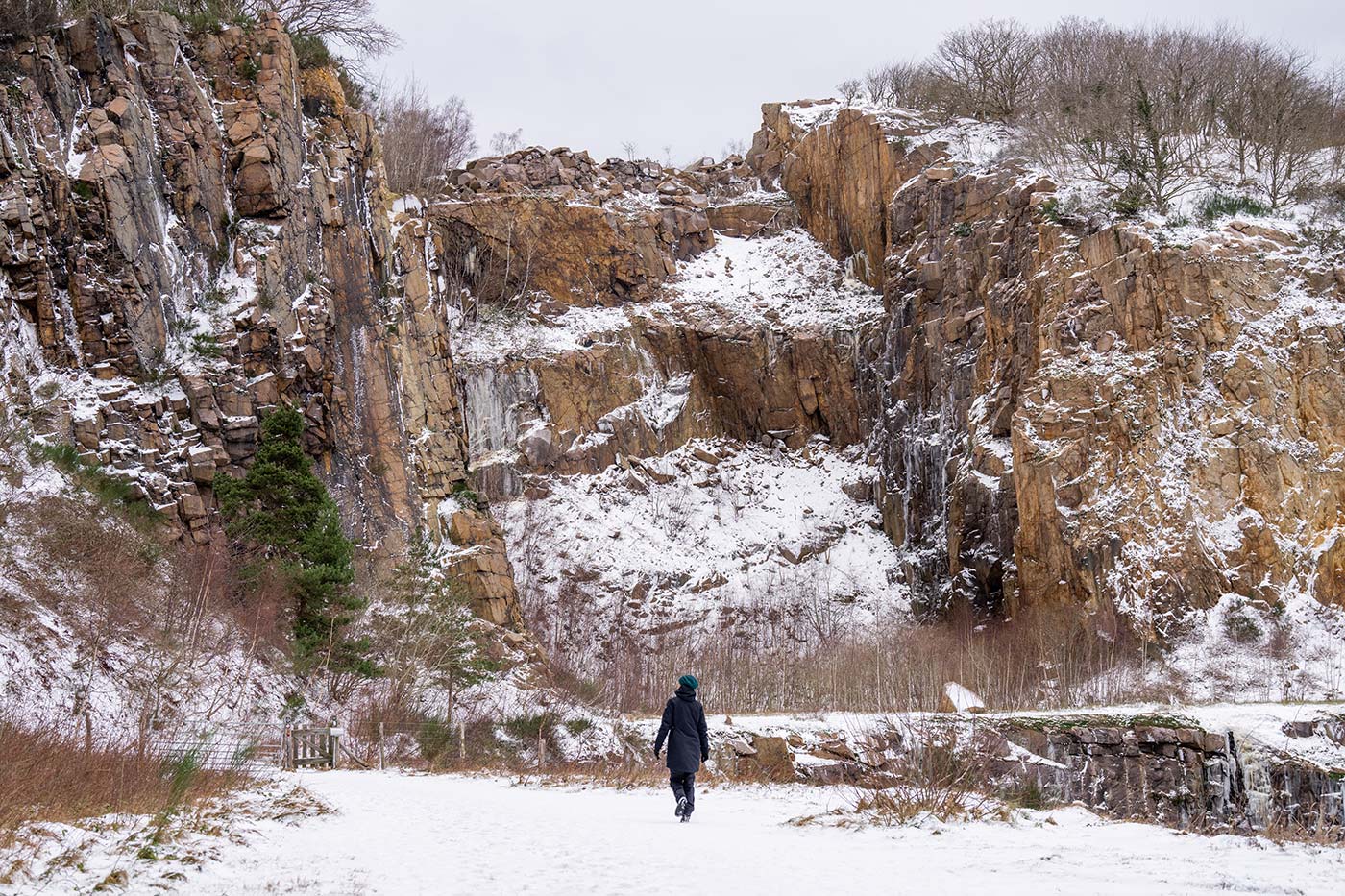
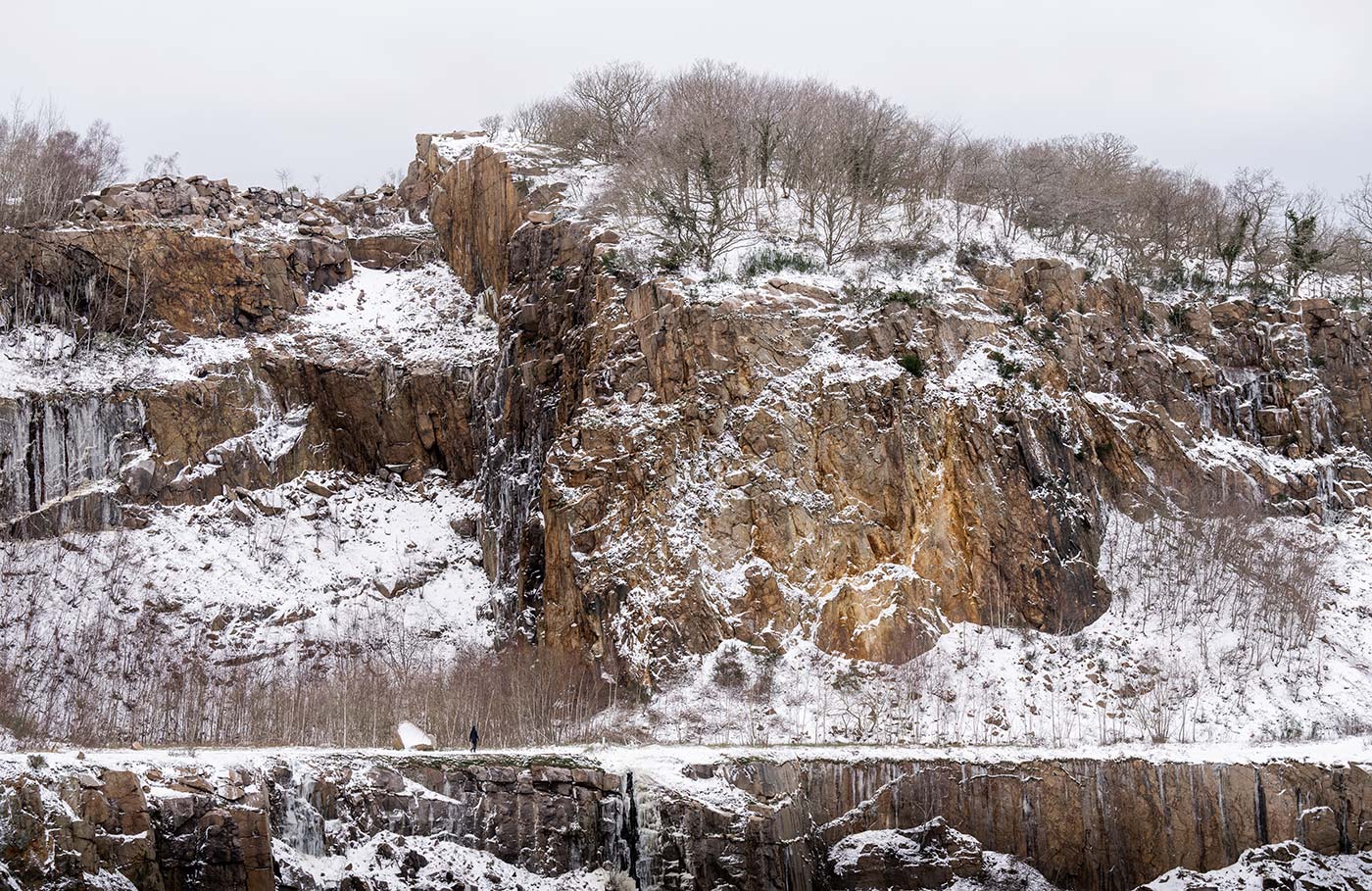
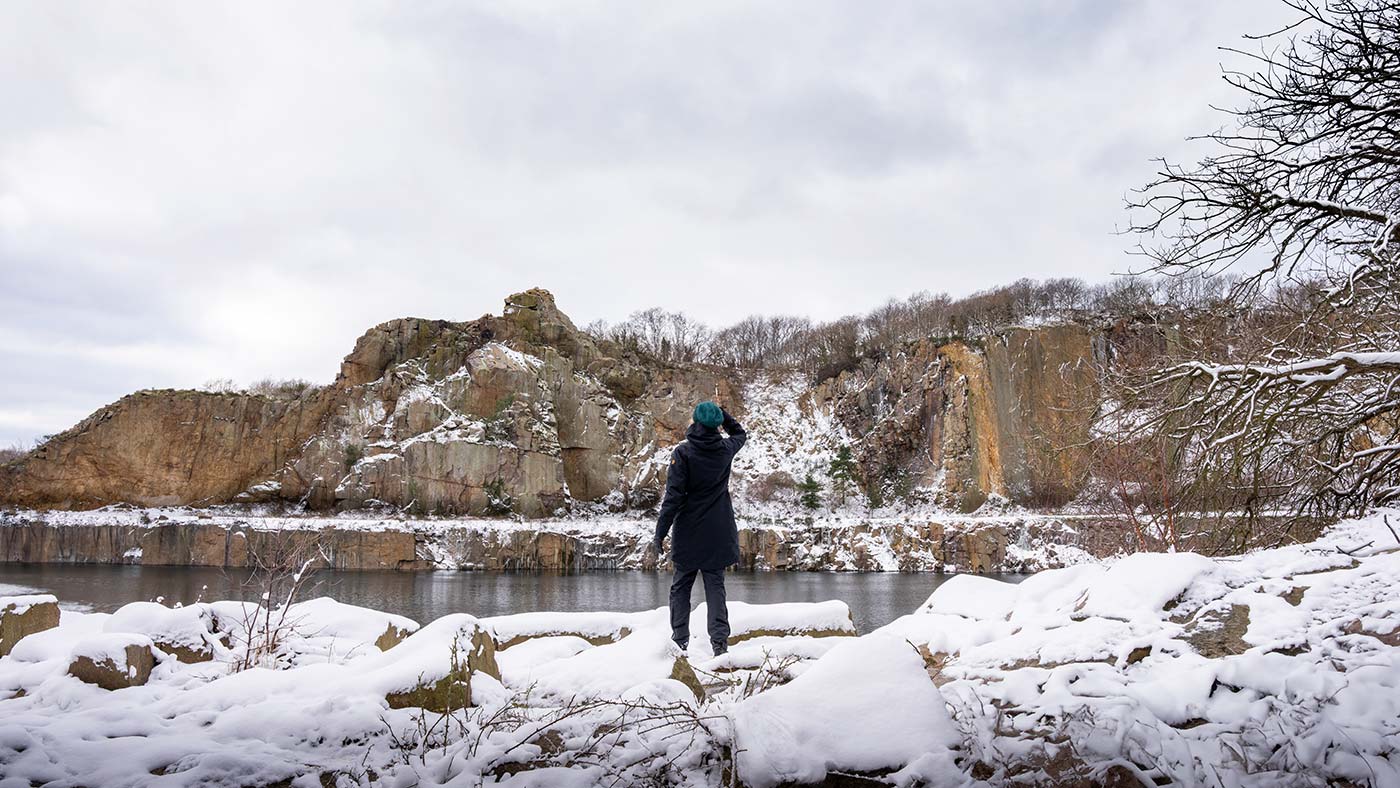
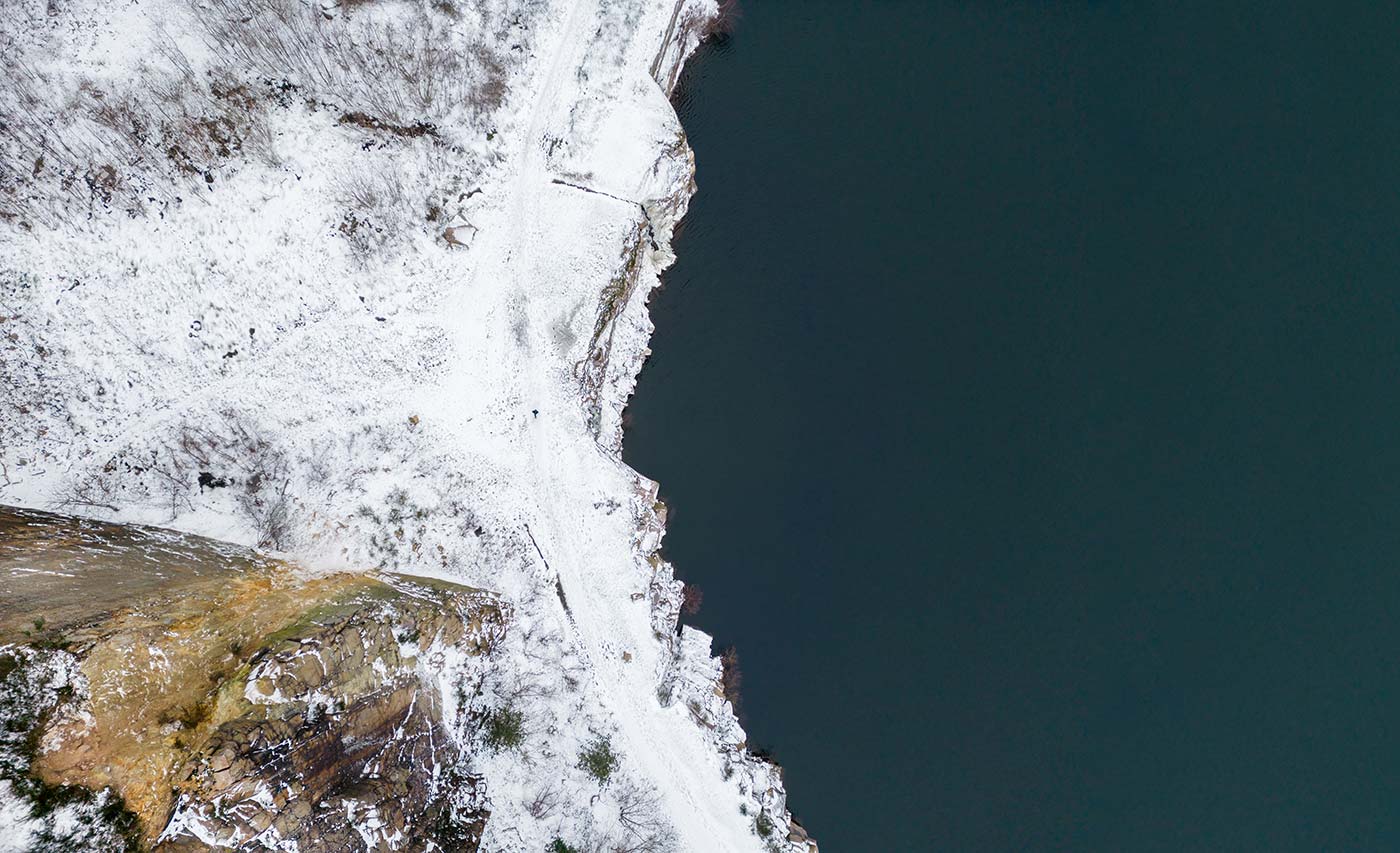
Another photo session on Bornholm. This time we went for a trip to Opalsøen on Northern Bornholm. Here I captured the breathtaking beauty of this magical place blanketed in snow.
The photos are part of a photo task for Destination Bornholm and will be available in their image database.
Photos are captured using a Sony A1 and a DJI Mini 3 Pro drone.
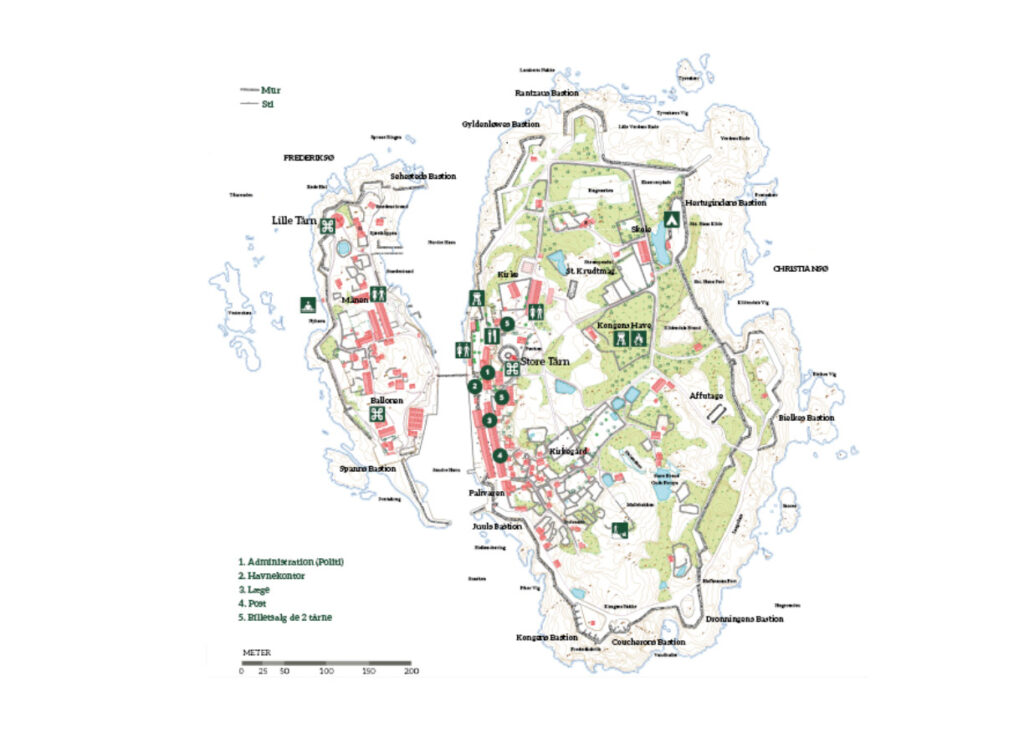
Nestled within the expanse of the Baltic Sea (around 20km from Bornholm), the captivating archipelago of Ertholmene beckons. Positioned between Denmark and Sweden, this historic island group, granted nature park status by the Danish government in 2019, is a haven for bird enthusiasts and nature lovers alike. Our adventure began when friends extended an invitation for an October getaway to Ertholmene, a proposal we couldn’t resist.
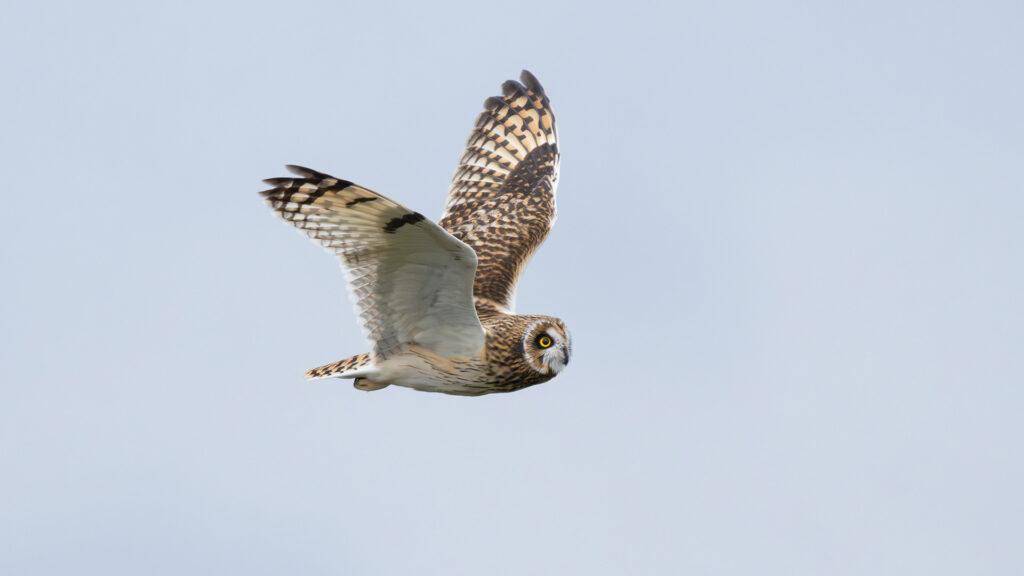
Short-eared owl (Mosehornugle in Danish)
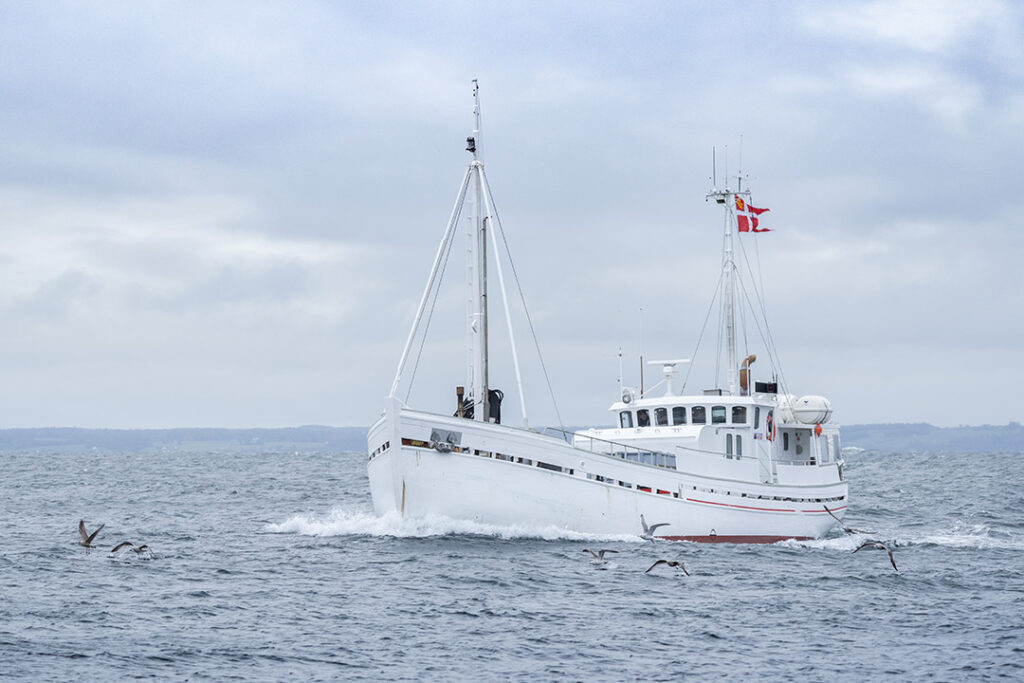
Visiting the enchanting island group of Ertholmene in the autumn is a true adventure, albeit a challenge. The Baltic Sea can be quite unforgiving during this season, with its rough waters and unpredictable nature. To add to the excitement, a single boat makes the daily journey to and from the islands, navigating the rolling waves with a bit of sway. This unique mode of transportation only adds to the allure of Ertholmene, making the journey as memorable as the destination itself. However, a pill against sea sickness can come in handy!
The ferry to Ertholmene – The postboat “Peter”.
Ertholmene is an archipelago steeped in history and natural beauty. Comprising two main islands, Christiansø and Frederiksø, Ertholmene’s remote location has shielded it from the hustle of the modern world. Designated as a nature park by the Danish government, the islands provide a pristine sanctuary for both migratory and resident bird species, making it a paradise for birdwatchers. Ertholmene’s rich historical legacy, combined with its status as a protected natural haven, creates a unique destination where visitors can immerse themselves in the island’s past and relish the tranquility of the present.
Ertholmene is actually an old Danish Naval Base dating back to the late 17th century. Its enduring fortifications and formidable cannons can still be seen today and serve as a testament to its military heritage, even as it transforms into a tranquil destination for those seeking a historic retreat. Read more about Ertholmene here.
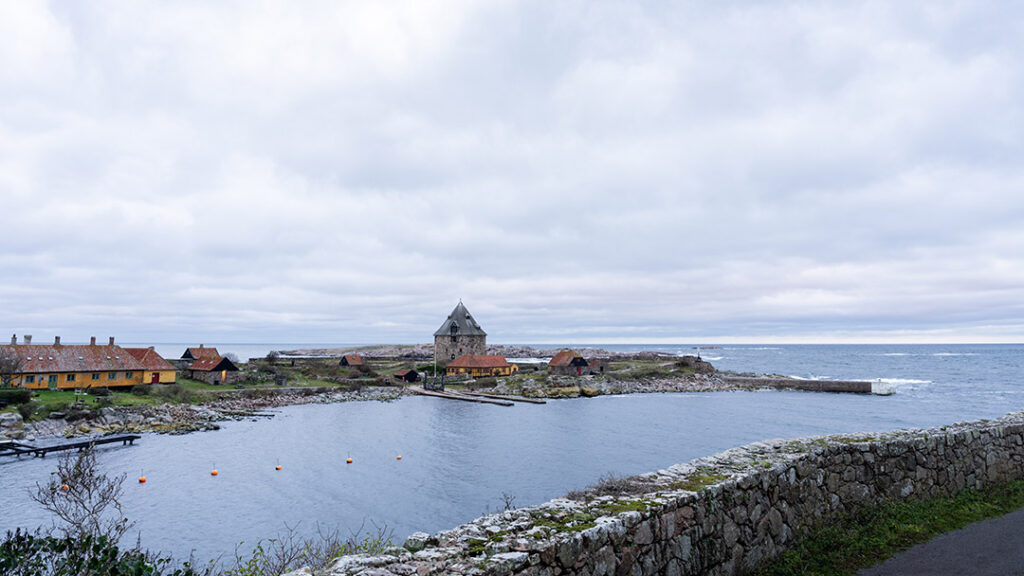
The view of Lille Tårn (Little Tower) on the island Frederiksø.
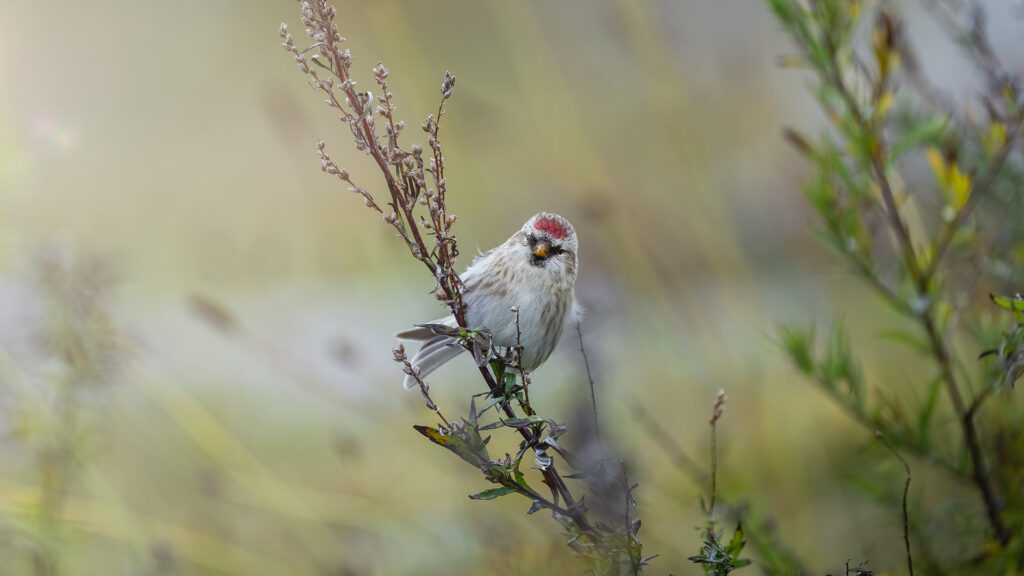
During my October visit, I had the privilege of spotting an astonishing 42 bird species, including the elusive short-eared owl and my first sighting of a Eurasian hoopoe. Below you can see some of my photos from the trip:
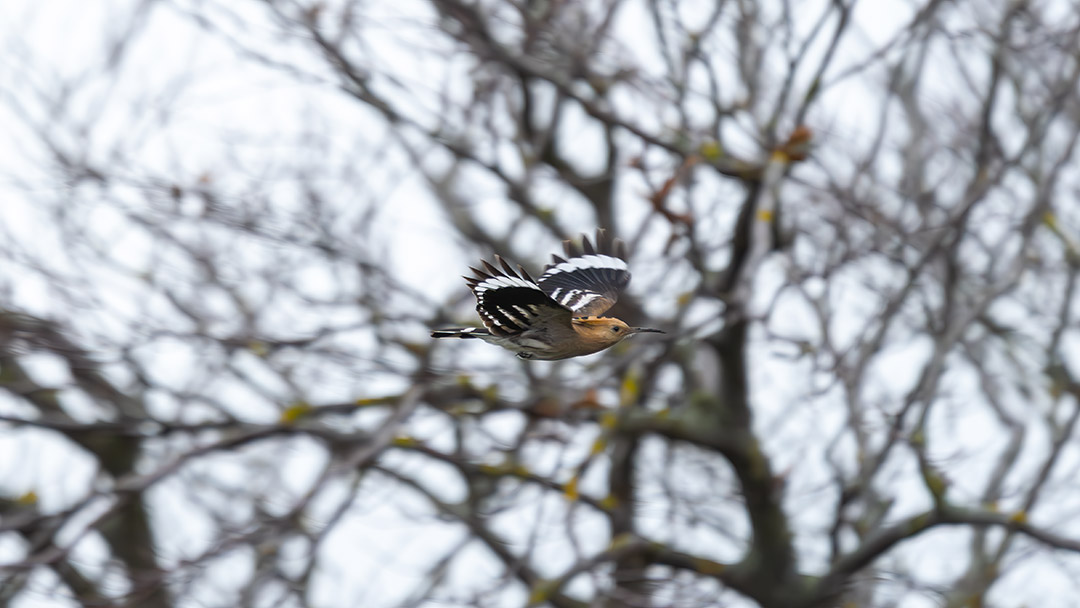
A quick capture of a sole Eurasian hoopoe (Hærfugl in Danish) on Christiansø island.
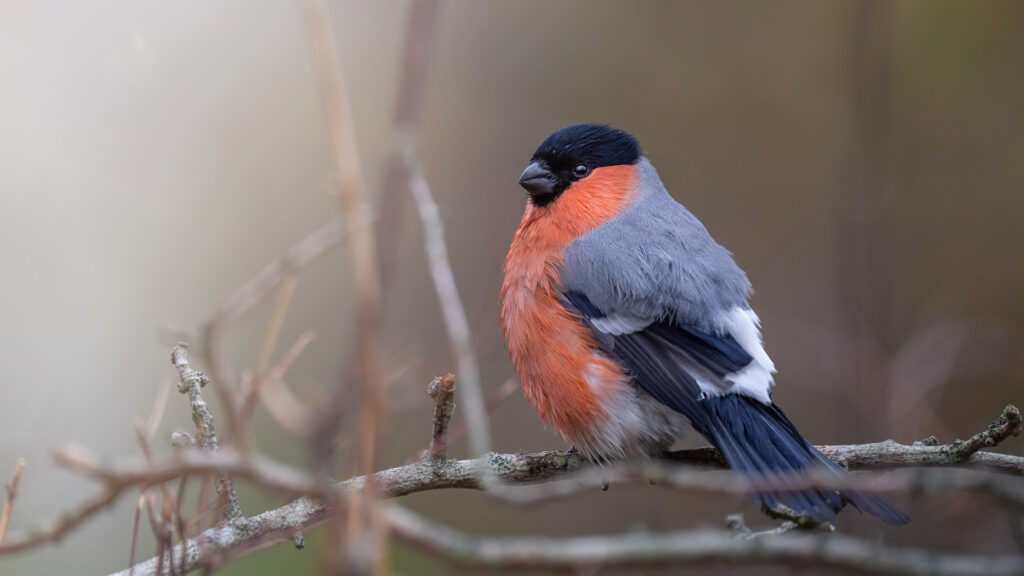
A male Eurasian bullfinch (Dompap in Danish).
A Common redpoll (Gråsisken in Danish).
A short-eared owl (Mosehornugle in Danish) on the hunt.
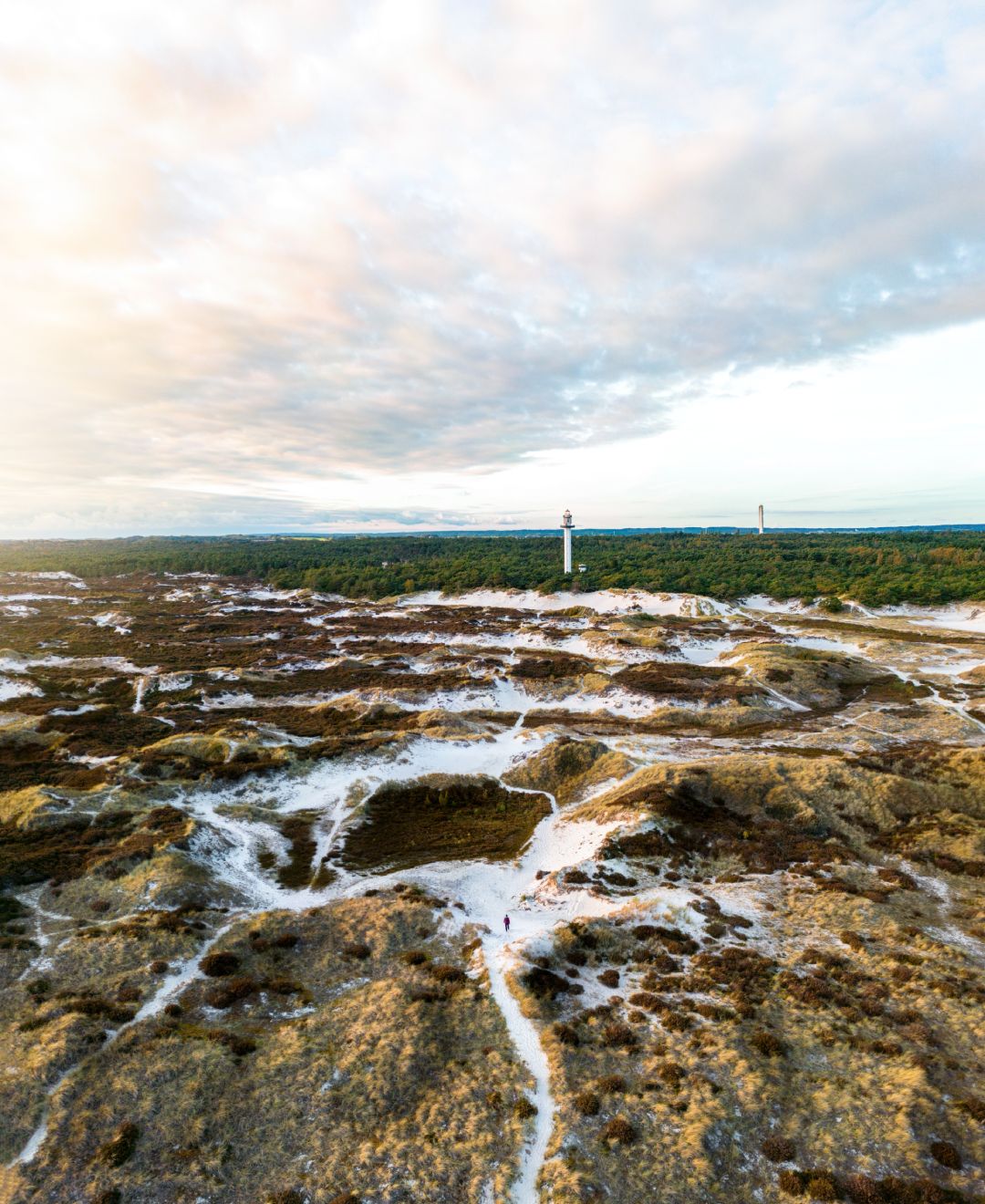
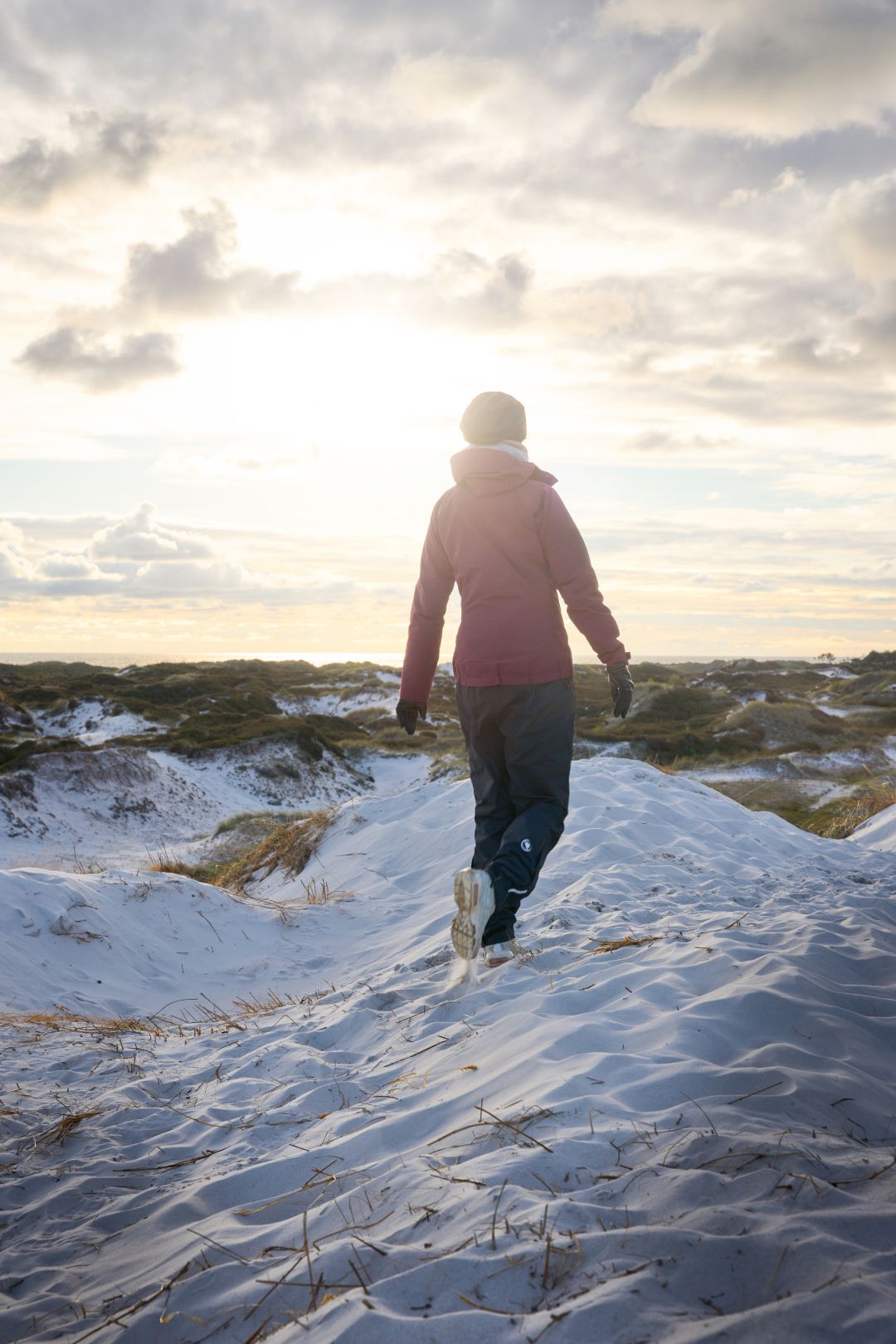
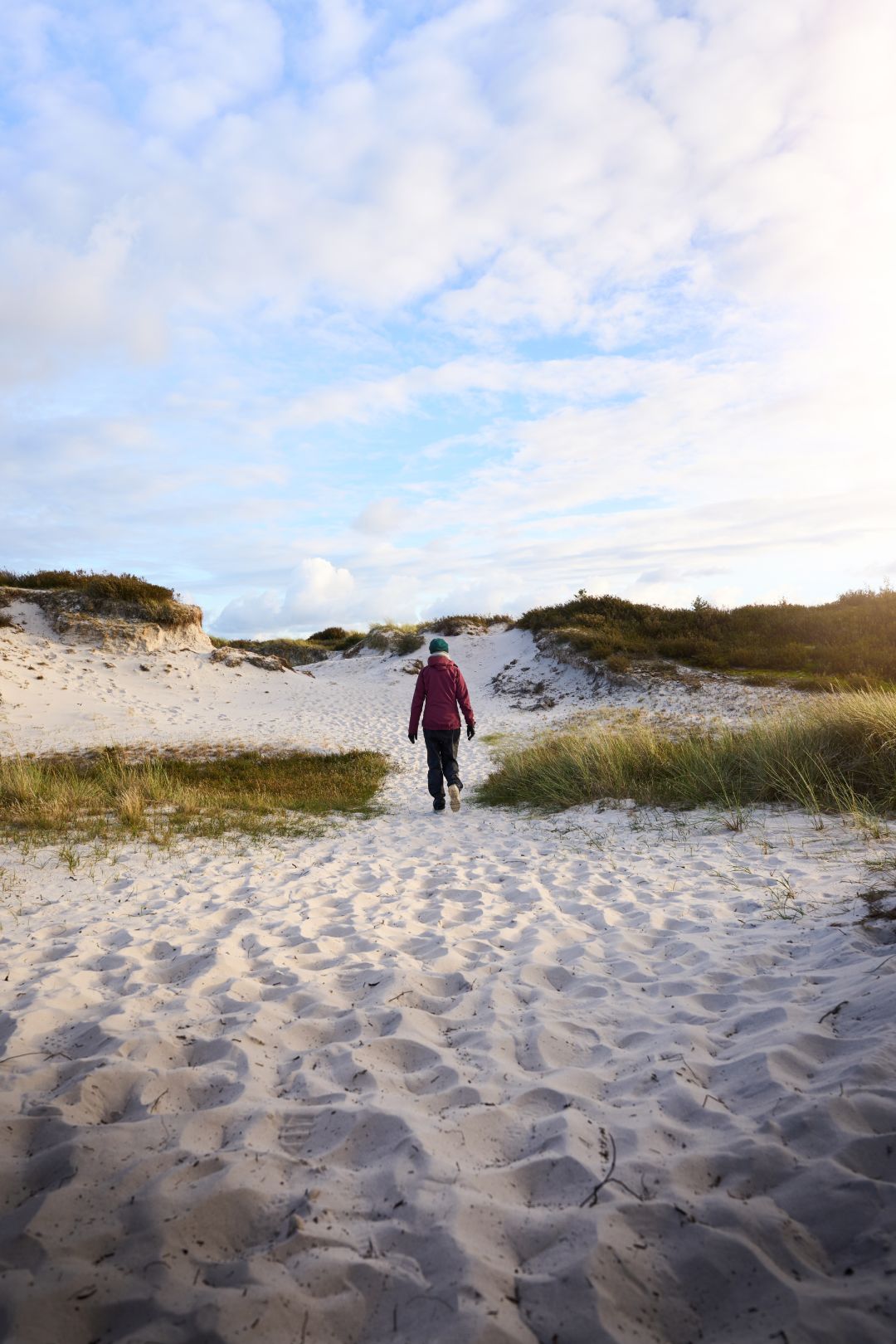
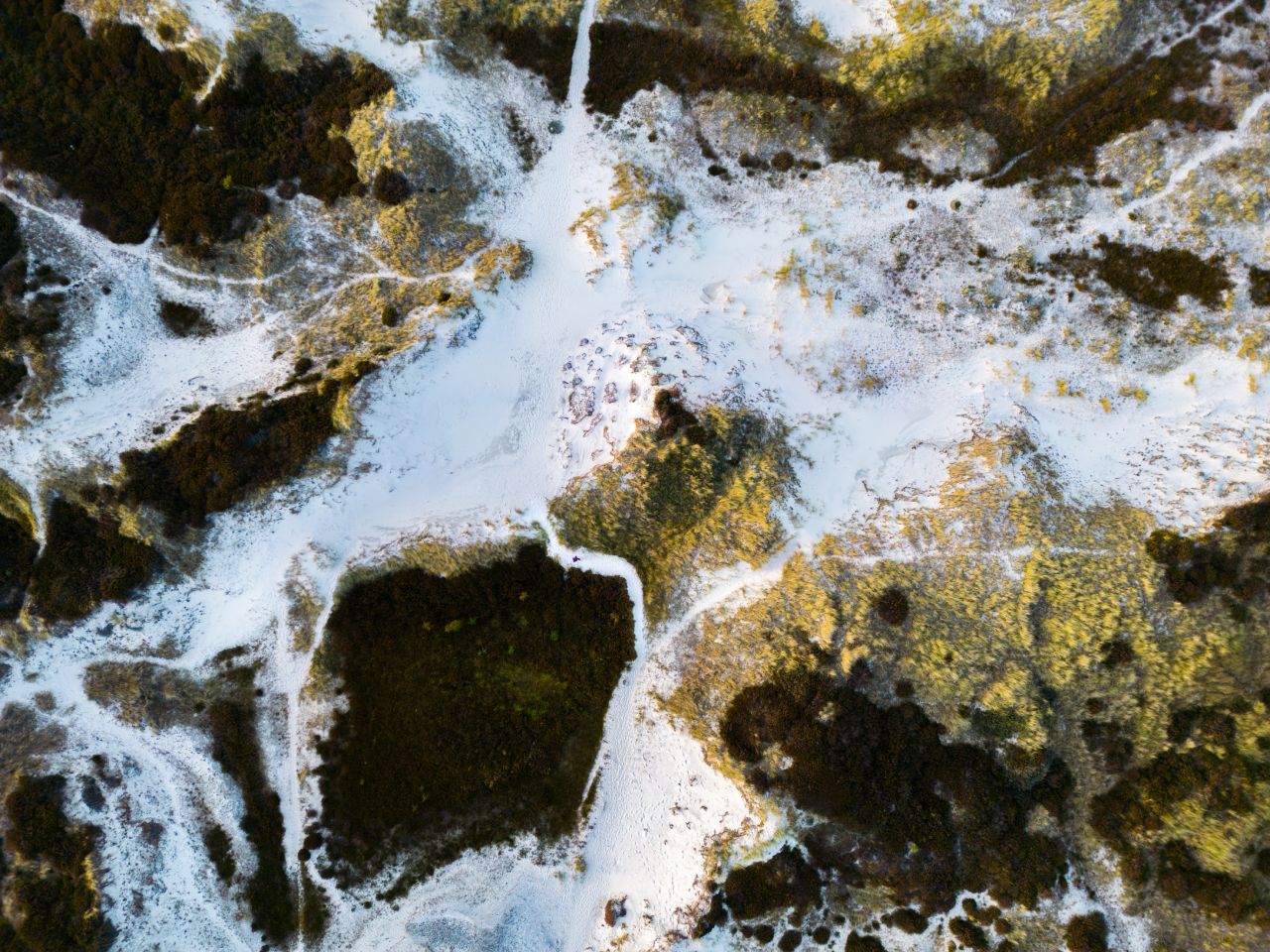
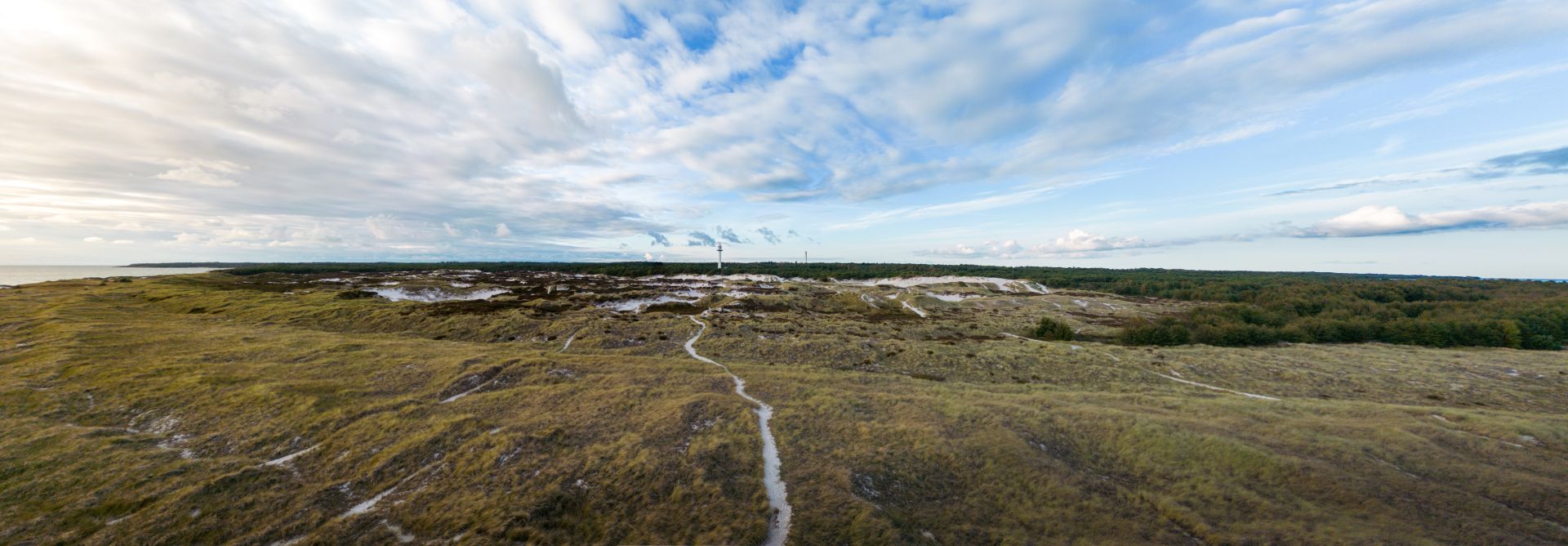
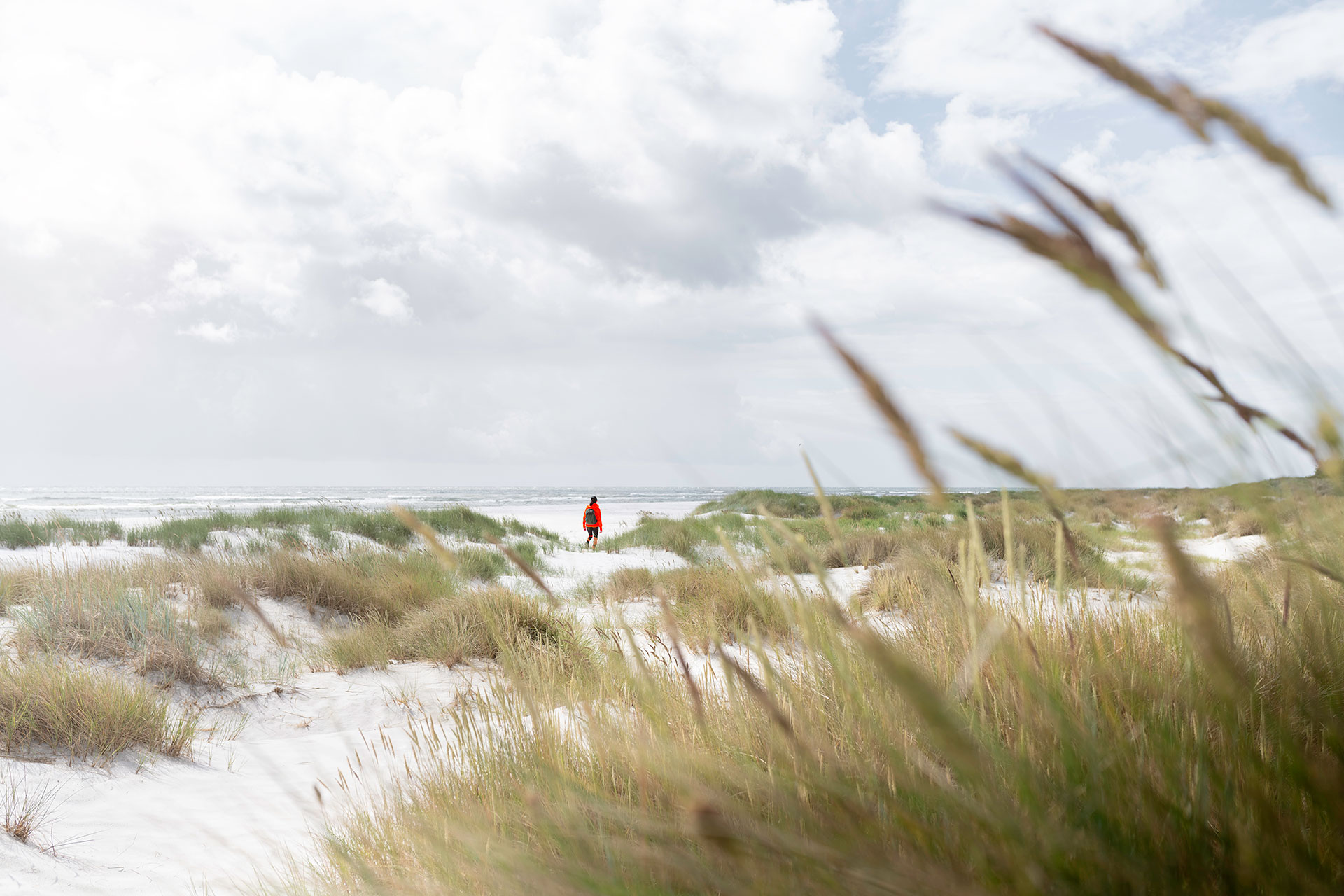
It was time for another photo session at Dueodde beach on Southern Bornholm. It was a beautiful autumn afternoon and my wife volunteered to model again.
This time I brought my Sony A1, with a Sigma 24-70 mm F2.8, and my new DJI Mini 3 Pro drone. This is the result:
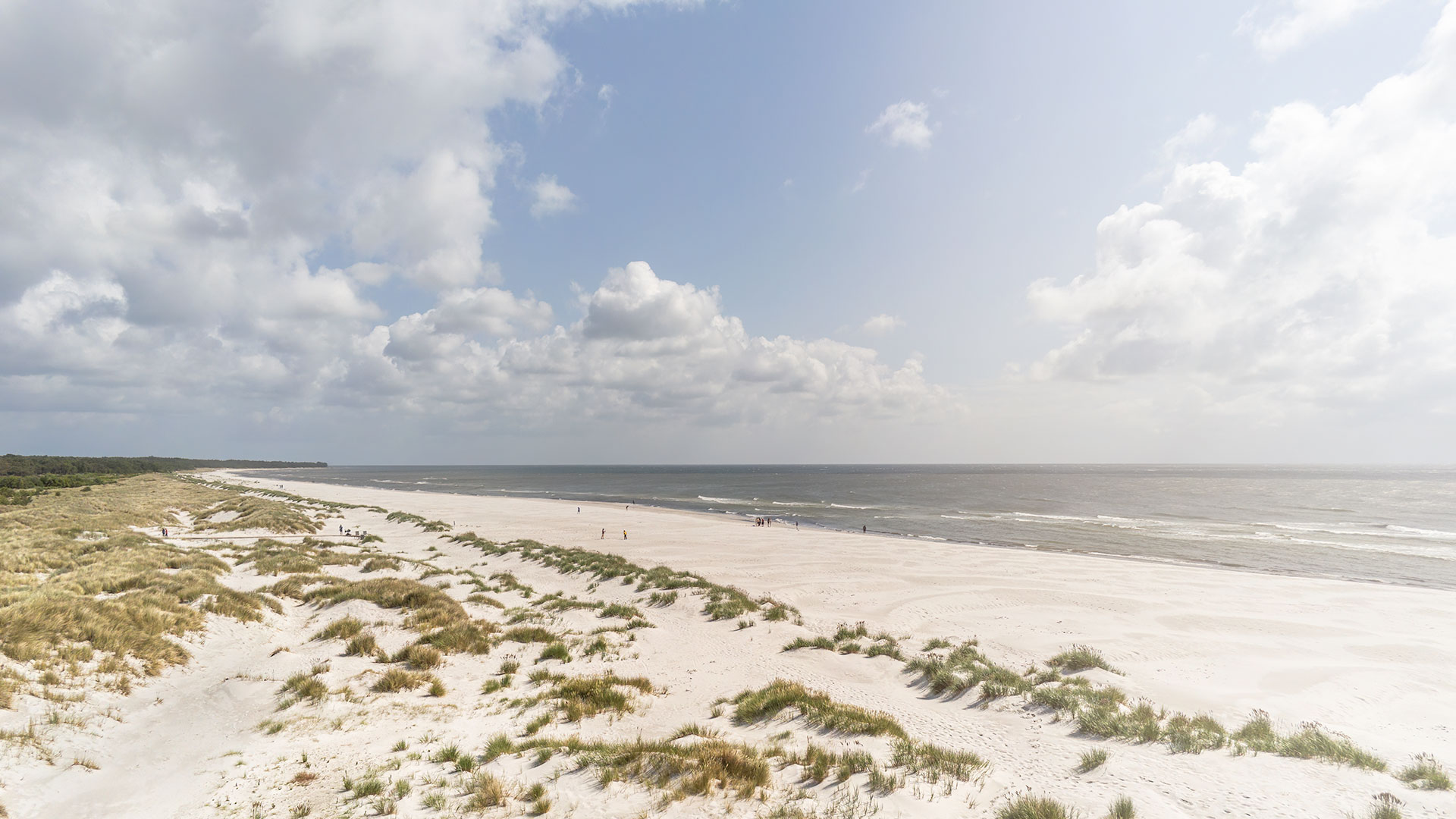
Today I visited Dueodde Beach on the Eastern side of Bornholm island. It was pretty windy, but luckily the sun was out long enough for me to capture a few shots of the beach.
The photos are captured on a Nikon ZII and Anafi Parrot drone. I post-edited them using Adobe Lightroom and Photoshop. And for the first time ever, I have utilized AI in my post-editing process.
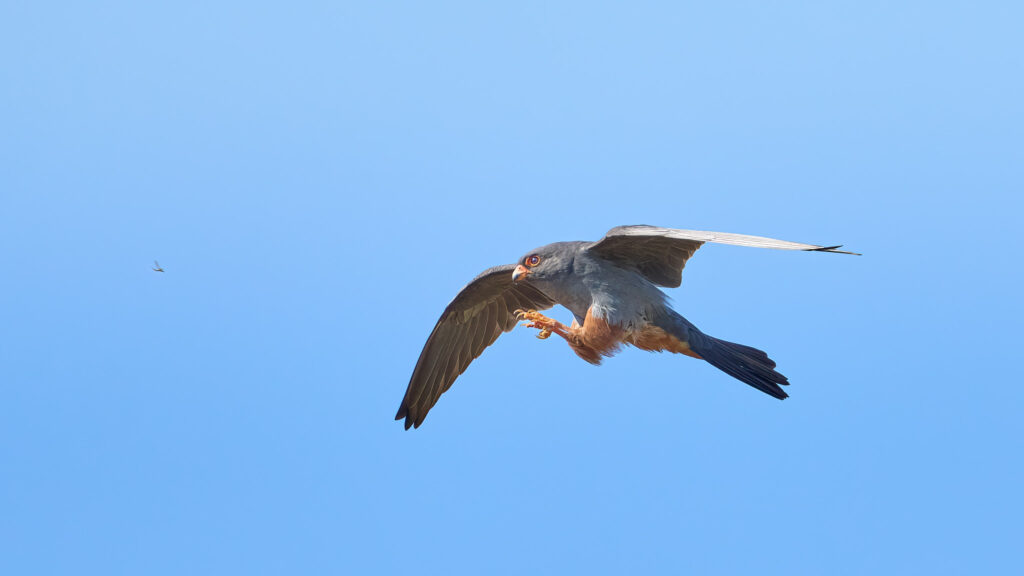
I’ve spent two days in Bastemosen on Bornholm with a flock of 8 red-footed falcons. This species of falcon is a rare sight on the island of Bornholm, so seeing 8 in the air over the small marshy area of Bastemosen is a real treat.
A male red-footed falcon hunting an insect in midair.
About the Red-Footed Falcon
The red-footed falcon (Falco vespertinus, or Aftenfalk in Danish) is a small migratory bird of prey that breeds in Eastern Europe and Asia, and spends its winters in southern Africa. It is named after its distinctive red legs and feet, which set it apart from other falcons.
The male has a slate-blue head and back, while the female has a brown back and a creamy-white underside with dark streaks. Red-footed falcons primarily hunt insects, but will also take small birds and mammals.
A female red-footed falcon flying past above my position in the bird tower.
About Bastemosen
Bastemosen is a beautiful and unique natural area located on the Danish island of Bornholm in the Baltic Sea. It is a wetland habitat that encompasses marshes, ponds, and small streams, and is home to a diverse range of flora and fauna. The area is particularly known for its rich birdlife, with several species of waterbirds, raptors, and passerines present. Bastemosen is a popular destination for birdwatchers and nature enthusiasts, who come to observe and enjoy the tranquility of the area. In addition to its ecological importance, the site also has cultural significance, with traces of prehistoric settlements and burial sites found in the surrounding landscape.