New camera – Nikon Z7ii

I’m a sucker for new technology and the new mirrorless technology for cameras have been tempting me for some time. In December 2020 Nikon’s new flagship mirrorless camera – the Nikon Z7ii – was released and I became one of the first in Denmark to get hold of it.
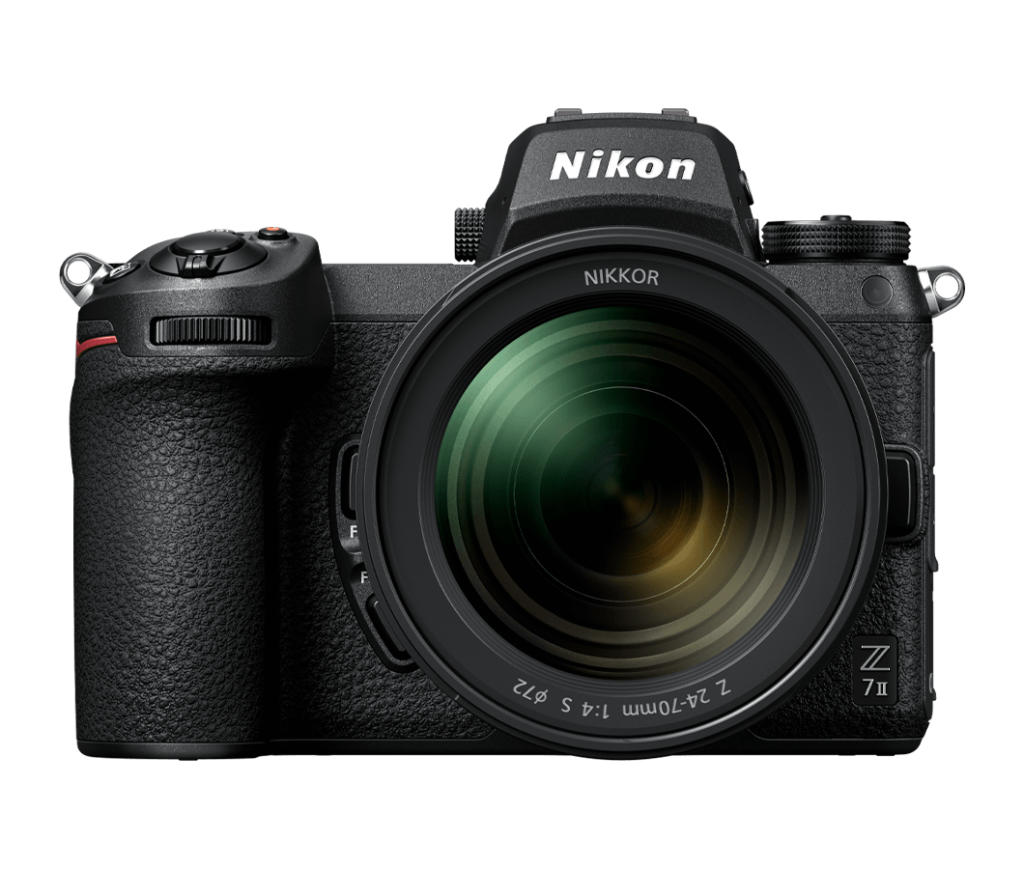
Nikon Z7ii

Two years ago I switched from Nikon’s DX format to the full frame (FX) D810. The change also meant I started shooting in RAW, rather than .jpg, which involved not only learning a new camera, but also a whole new post-processing technique in Lightroom. My first photo session with the D810 was quite underwhelming because I couldn’t figure out why my photos looked so poor in the LED-display on the camera.

However, after learning the power of the RAW-format and spending lots of hours with Adobe Lightroom I slowly learned how to utilize the powerful Nikon FX-camera – and I have loved it ever since. During those two years, several of my photos have been used in magazines, in ads and on various websites, so I must have done something correct with both my shooting and edits.
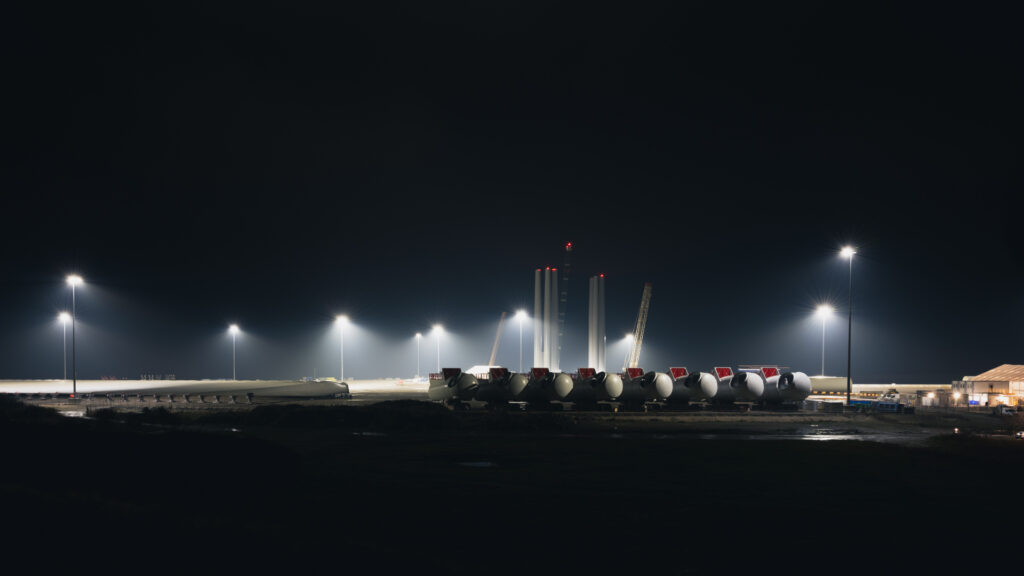
Low light test with the Nikon Z7ii at the local harbour.

So switching to a new technology again, the mirrorless Nikon Z7ii, I am very prepared for a learning curve yet again. So I’ve started testing it in various situations with low light, wildlife and landscape photography.

Astrophotography with the Nikon Z7ii

On my birthday the skies suddenly cleared for a few hours at night, which gave me the chance to test the camera at astrophotography. I drove to Kultippen (a barren area on Bornholm island) and captured this selfie:
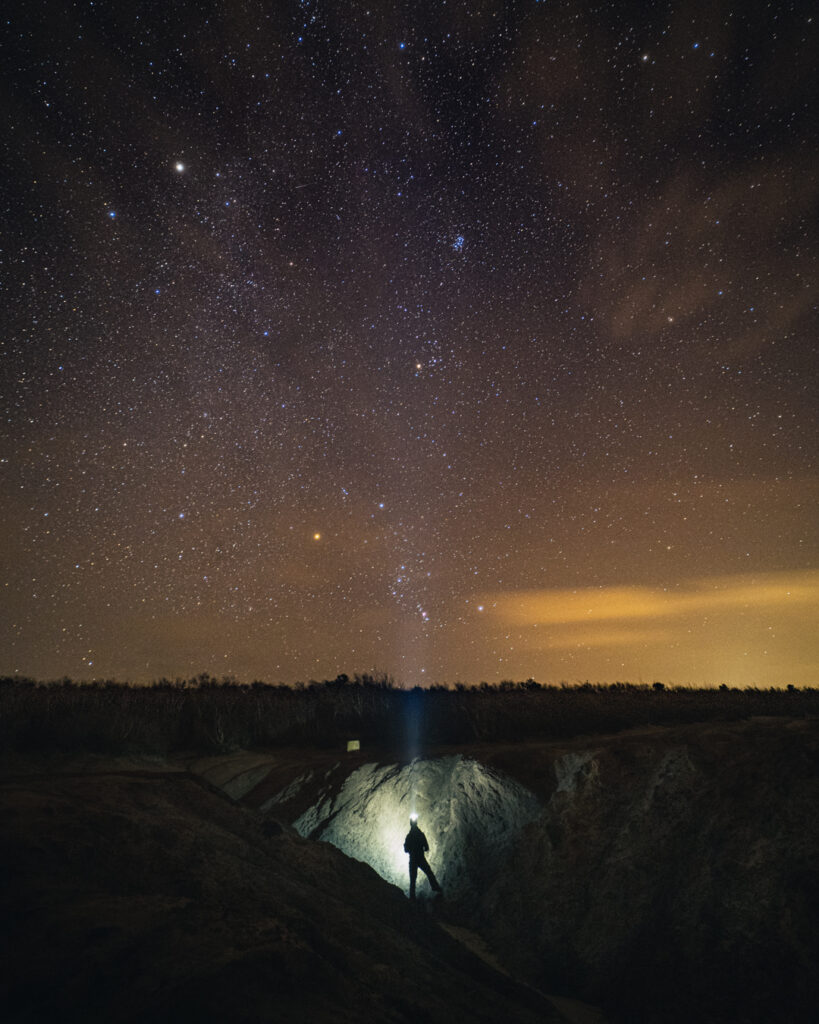
Kultippen, Bornholm

The photo was captured with a Samyang 14mm lens, which was fitted with an adaptor to the camera. Overall it seems to perform quite well.

Wildlife photography with the Nikon Z7ii

The following day I went for a trip in Almindingen forest on Bornholm, where I captured a small heard of bison amongst the trees using a Sigma 150-600m lens:
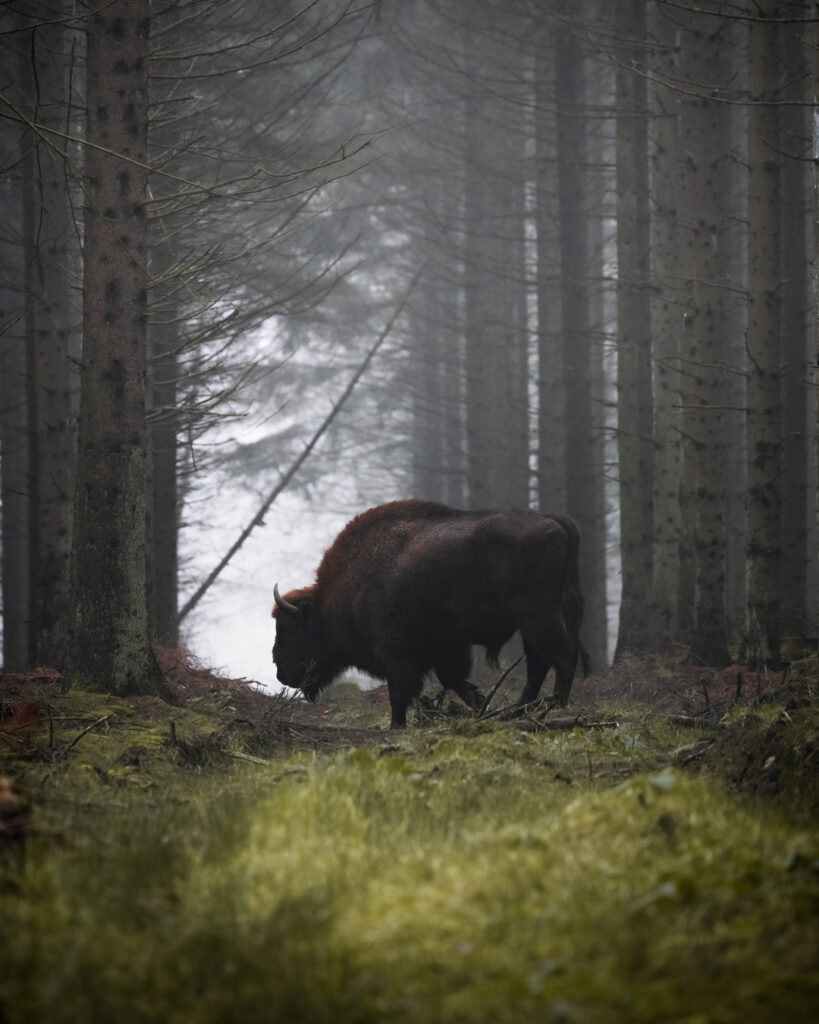
Bison crossing a clearing in the forest.

I experience quite a few problems with the auto-focus and the camera’s ISO went crazy. In the shot above I had the camera on auto-ISO and it set it to a whopping 8000. Luckily I could use Tropaz DeNoise AI to reduce the noise and it was acceptable for Instagram.
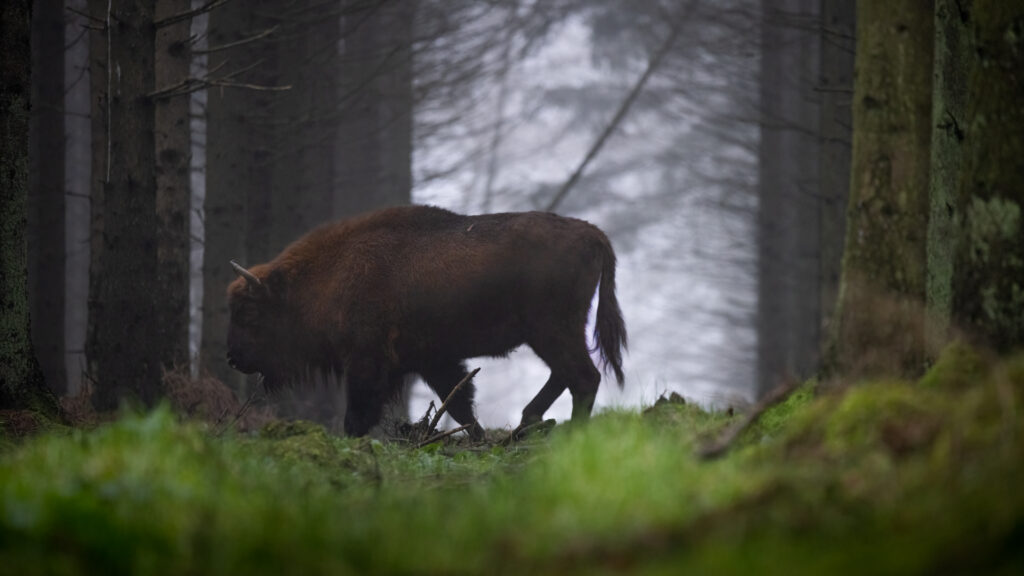
A 2nd bison crossing the clearing.

I took another shot of a 2nd bison in almost the same light with a fixed ISO of around 1200. It gave some post-processing noise in Lightroom, since I had to add more exposure. All in all, I think the camera was a bit overzealous with the ISO and lower could have done the trick.
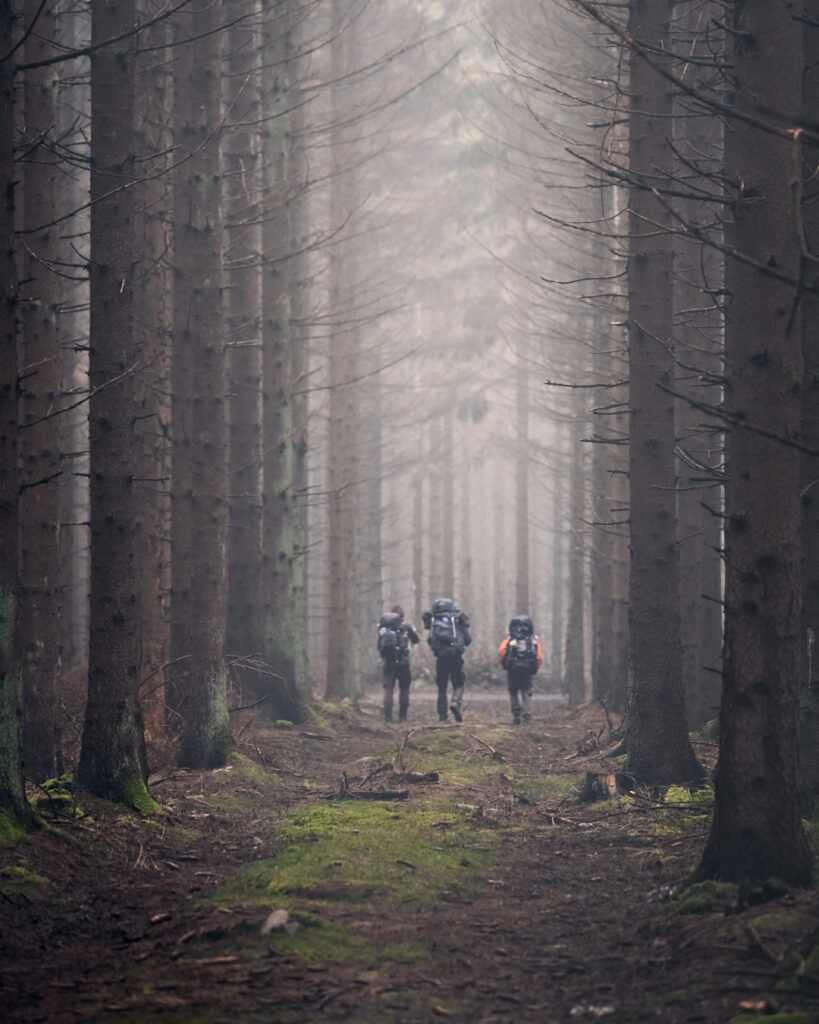
Spotted some hikers in the forest.

Landscape photography with the Nikon Z7ii

On the way home I stopped at the ruins of a medieval castle to test the camera in the foggy environment. The result was quite decent, so I think the learning curve with regular landscape photography will be quite easy.
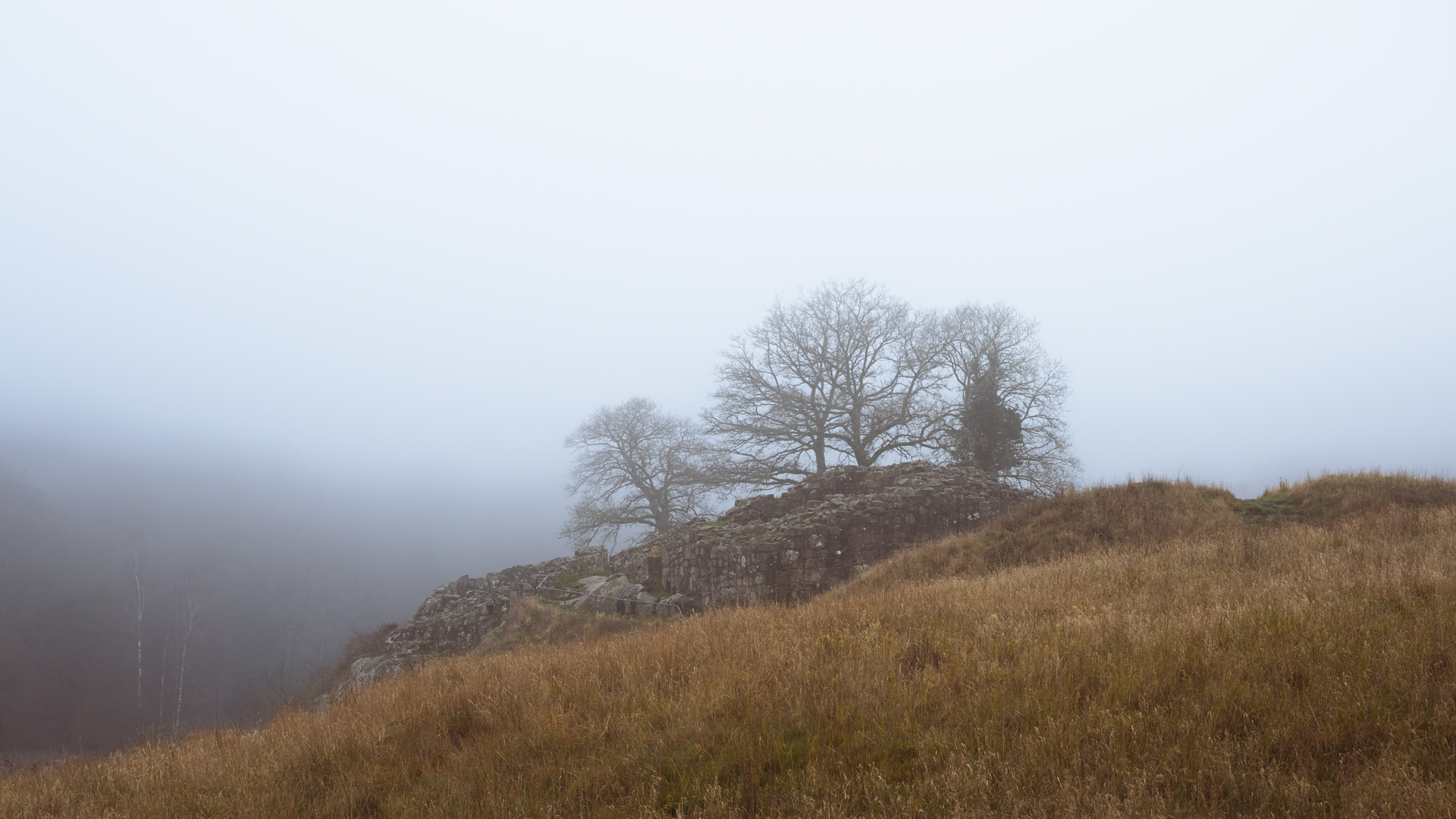
Lille Borg (English: Little Castle) in Almindingen Forest, Bornholm.

Comet Neowise

Comet Neowise

This month I have been on a quest: To capture a photo of the comet “C / 2020 F3” – also known as NEOWISE.

However, it proved harder than first imagined. The first night I could see the comet clearly and, following advice from experts on TV, I planned to photograph NEOWISE around 3-4 AM. As the clocked passed 3 AM I noticed the comet getting fainter in the sky.

The morning sky was beautiful and I took some photos of the sun rising above Bornholm’s landscapes.

On July 18 I ventured out a little after midnight and joined a fellow photographer for a final attempt at getting a good shot of the comet. This time we had more luck.

And as the sun starting to rise the morning sky transformed into a beautiful vista of colours.

Exploring Christiansø: A 17th Century Naval Fortress

Exploring Christiansø: A 17th Century Naval Fortress

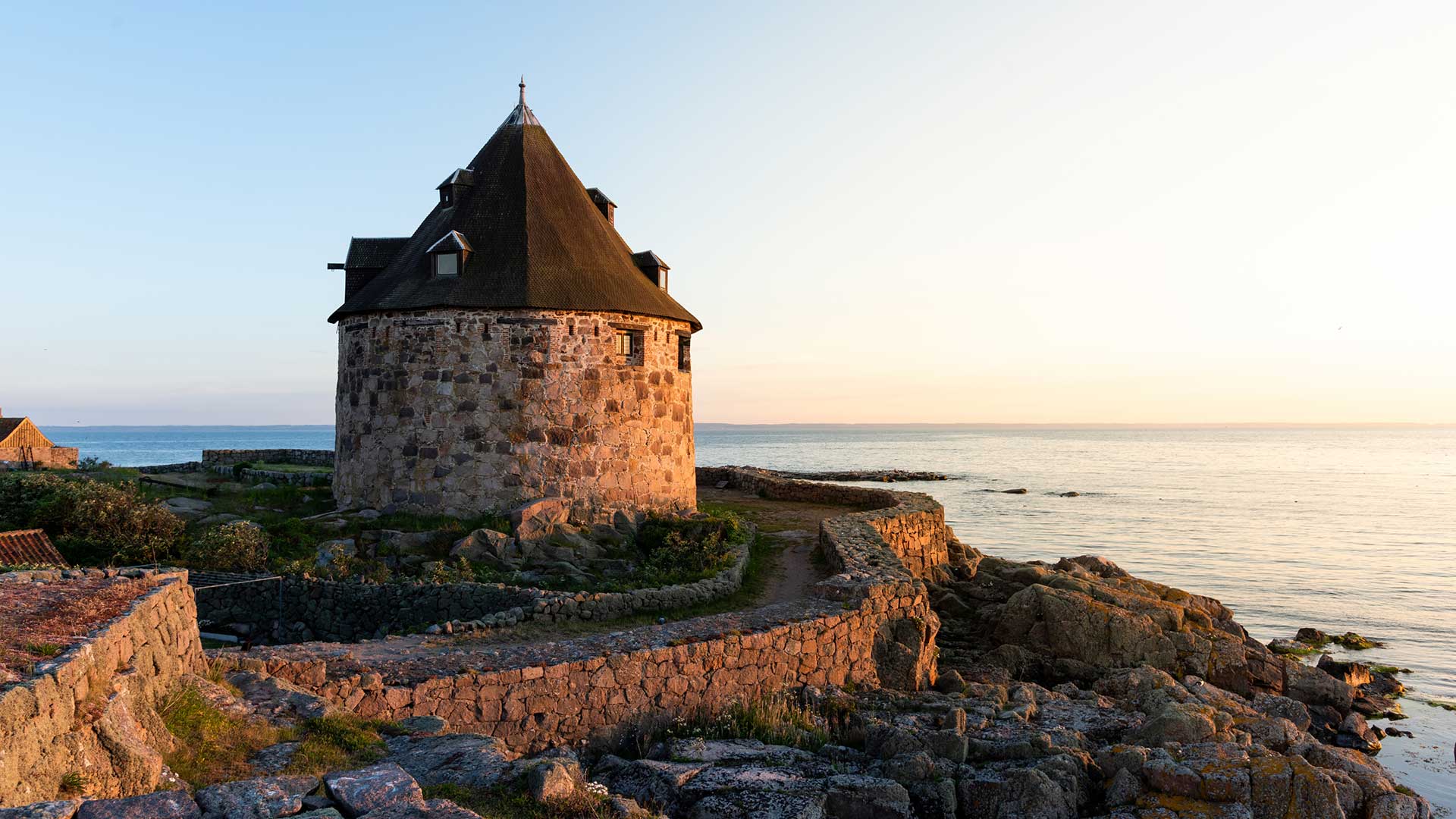
In June 2020, I had the pleasure of joining my colleagues for a two-day work outing to the Ertholmene archipelago. You may not be familiar with Ertholmene or its two main islands, Christiansø and Frederiksø, as they often fade into the shadow of their larger neighbor, Bornholm. However, a local ferry operates almost daily from Gudhjem on Bornholm to Christiansø, and I assure you, it’s well worth the trip!

The Ertholmene archipelago, often simply referred to as Christiansø, is not only a picturesque cluster of islands but also a historic naval fortress dating back to the 17th century. The archipelago has a rich history; it was established as a military outpost in 1684 to protect Denmark from naval threats and has served various roles over the centuries, including a bird sanctuary. The unique ecosystem supports numerous bird species, making it a haven for nature enthusiasts.

In recent years, local administration—operating under the Danish Ministry of Defence—has worked diligently to transform Christiansø into a tourist-friendly destination. While it is possible to spend the night on the island, most visitors typically enjoy a few hours before returning to Bornholm.

On my previous visit to Christiansø, I only had a few fleeting hours to explore. Therefore, this time I was excited to stay overnight, allowing me to capture both the sunset and sunrise—though it meant sacrificing quite a bit of sleep! Fueled by a Monster energy drink, I managed to photograph both, joined by some colleagues eager to document the stunning scenery with their cameras.

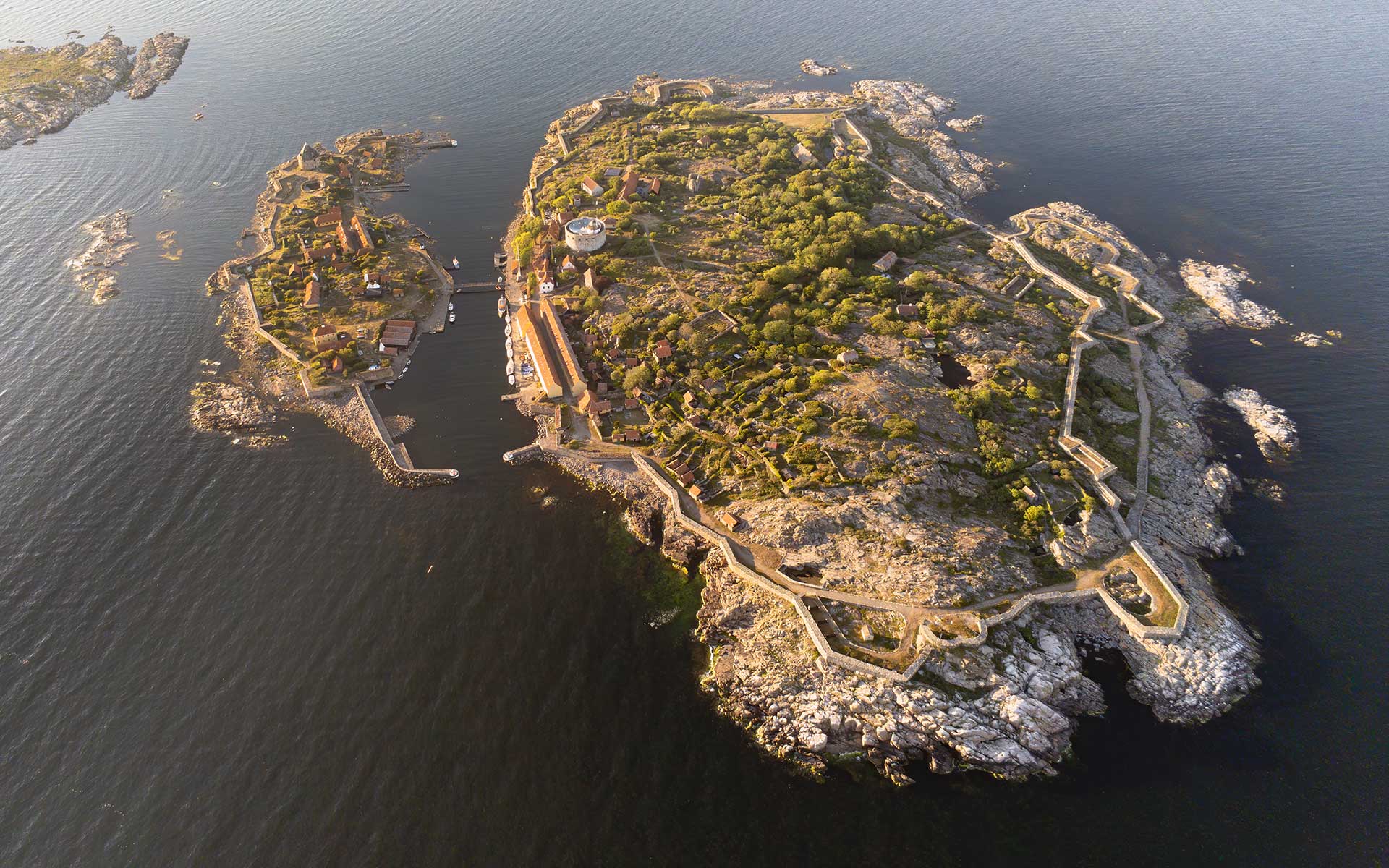
To top it off, the local administration granted special permission for drone flights over the island. Concerned about disturbing the birds, I opted to fly a bit higher than usual, which rewarded me with breathtaking aerial views of the area.

If you find yourself on Bornholm, I wholeheartedly recommend taking the ferry from Gudhjem to Christiansø. It’s the perfect day trip, offering fantastic photo opportunities and a chance to immerse yourself in the island’s tranquil atmosphere.

Read more about Christiansø here.