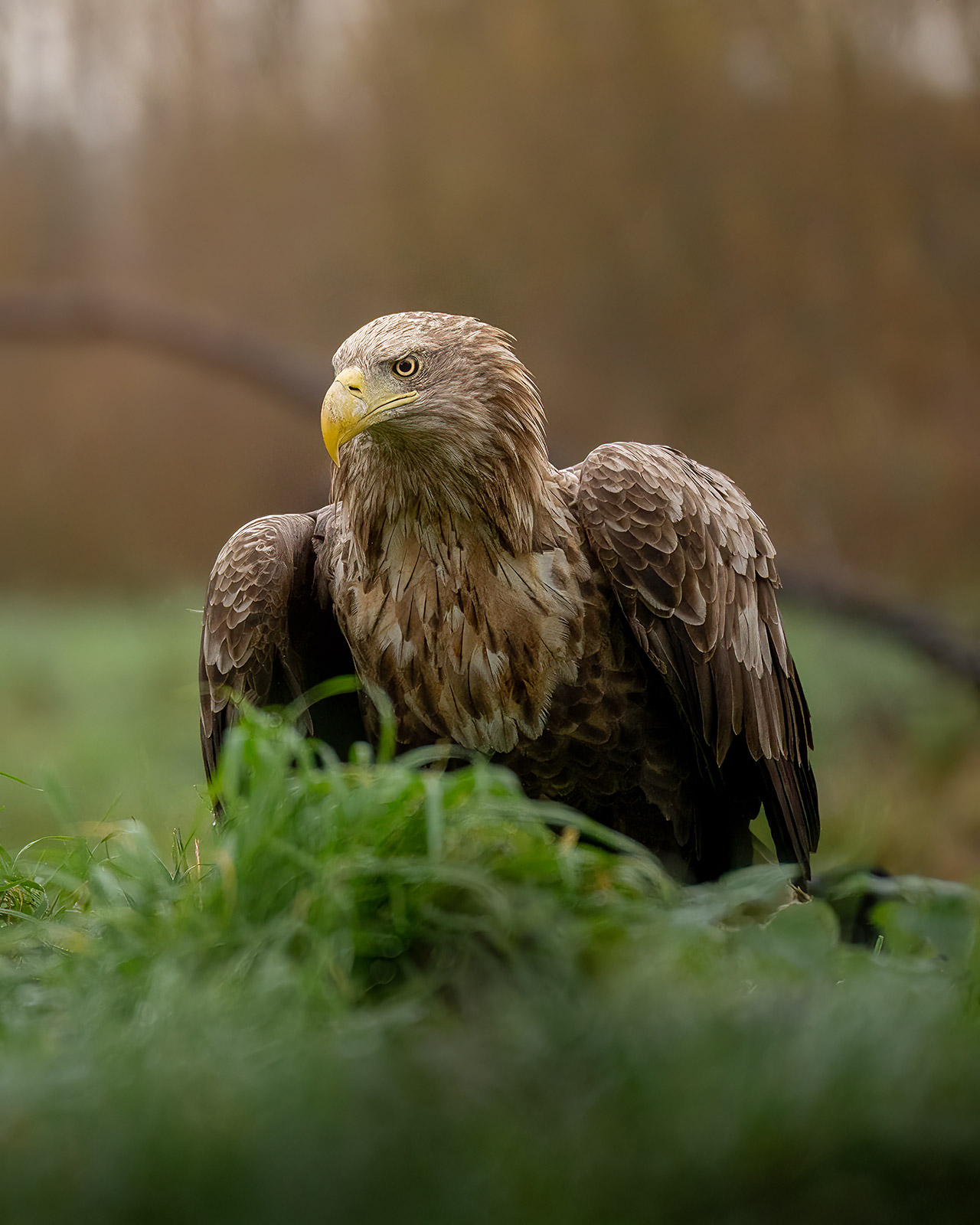
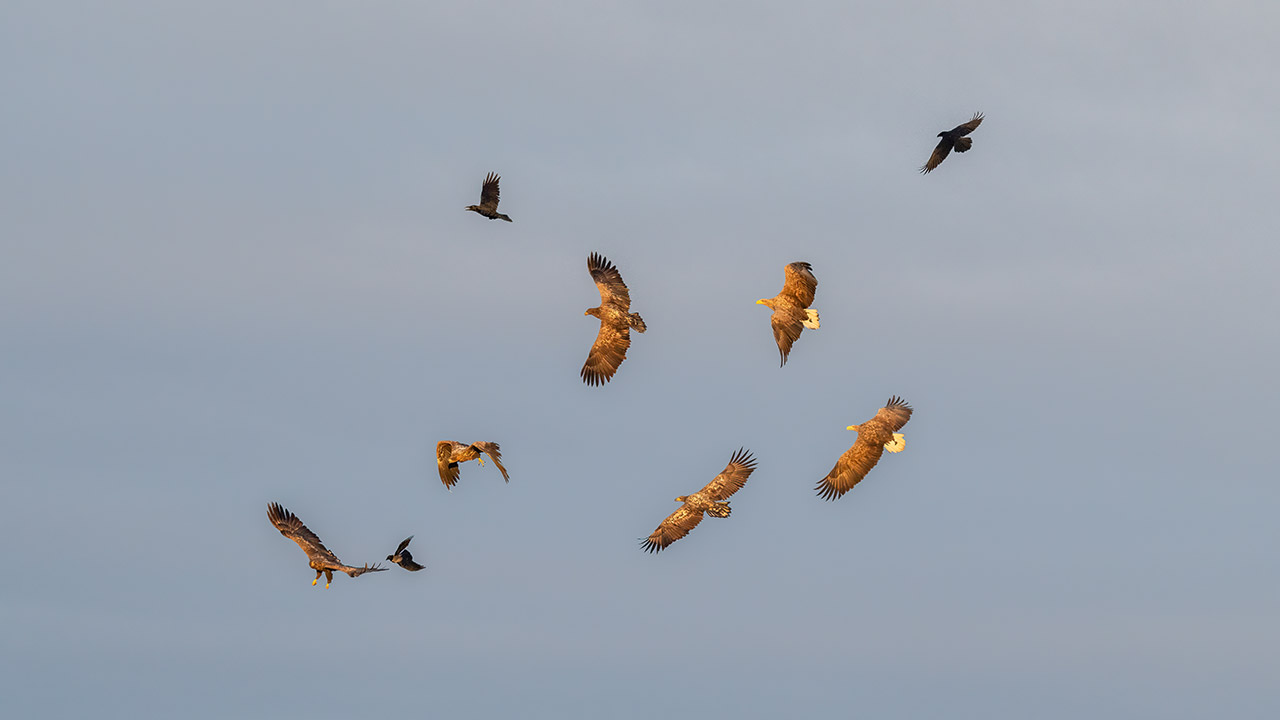
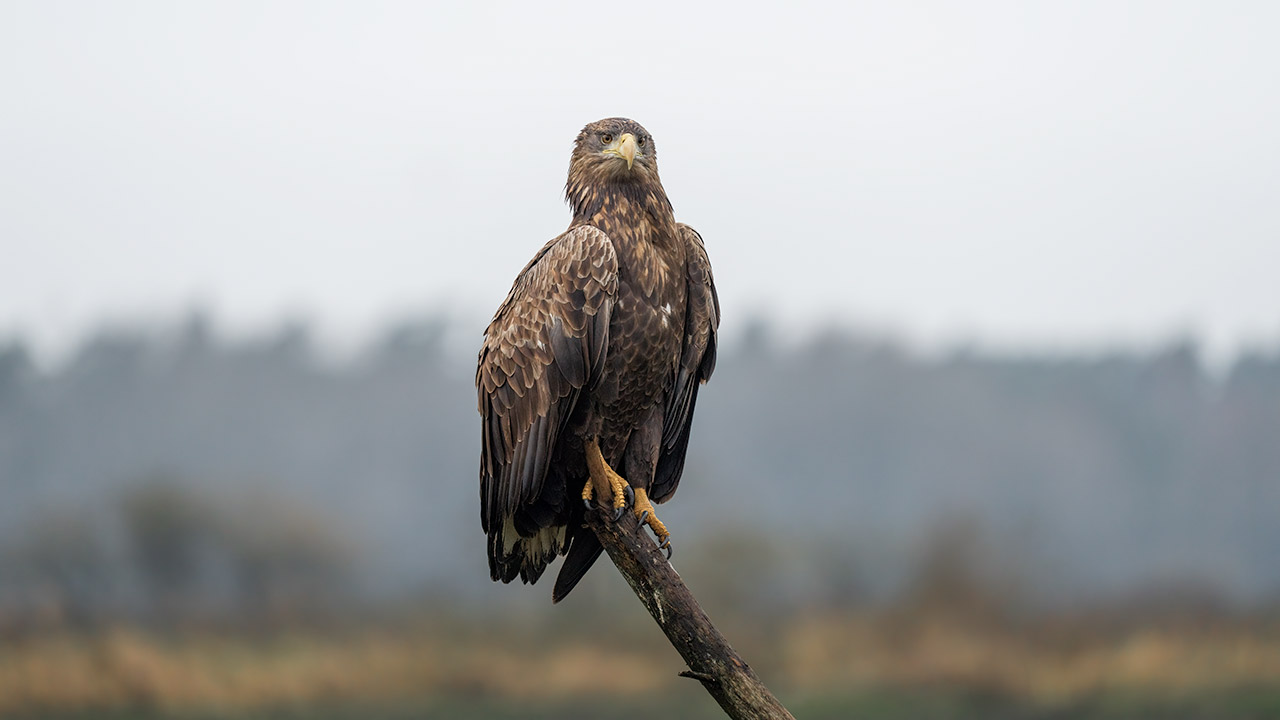
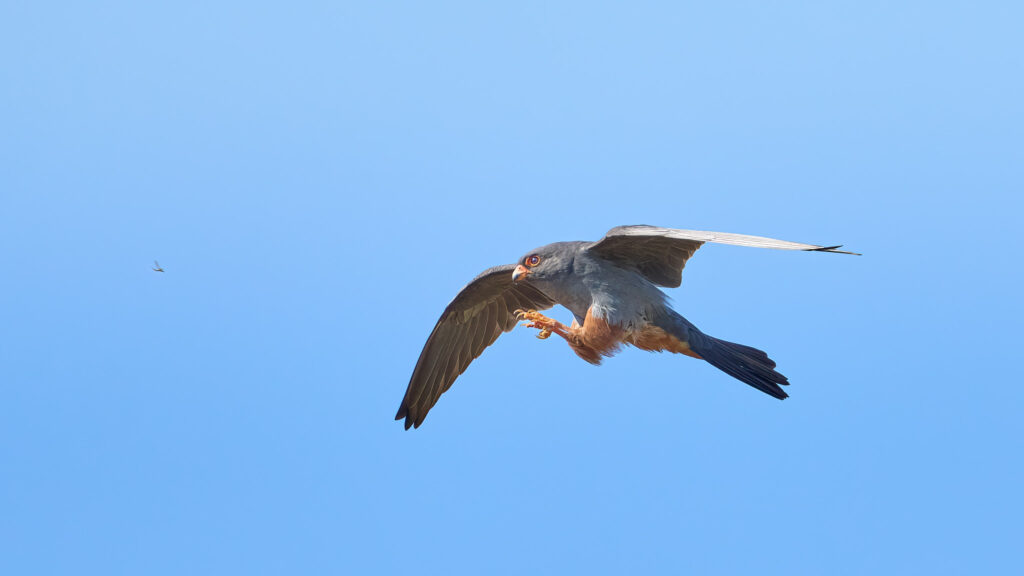
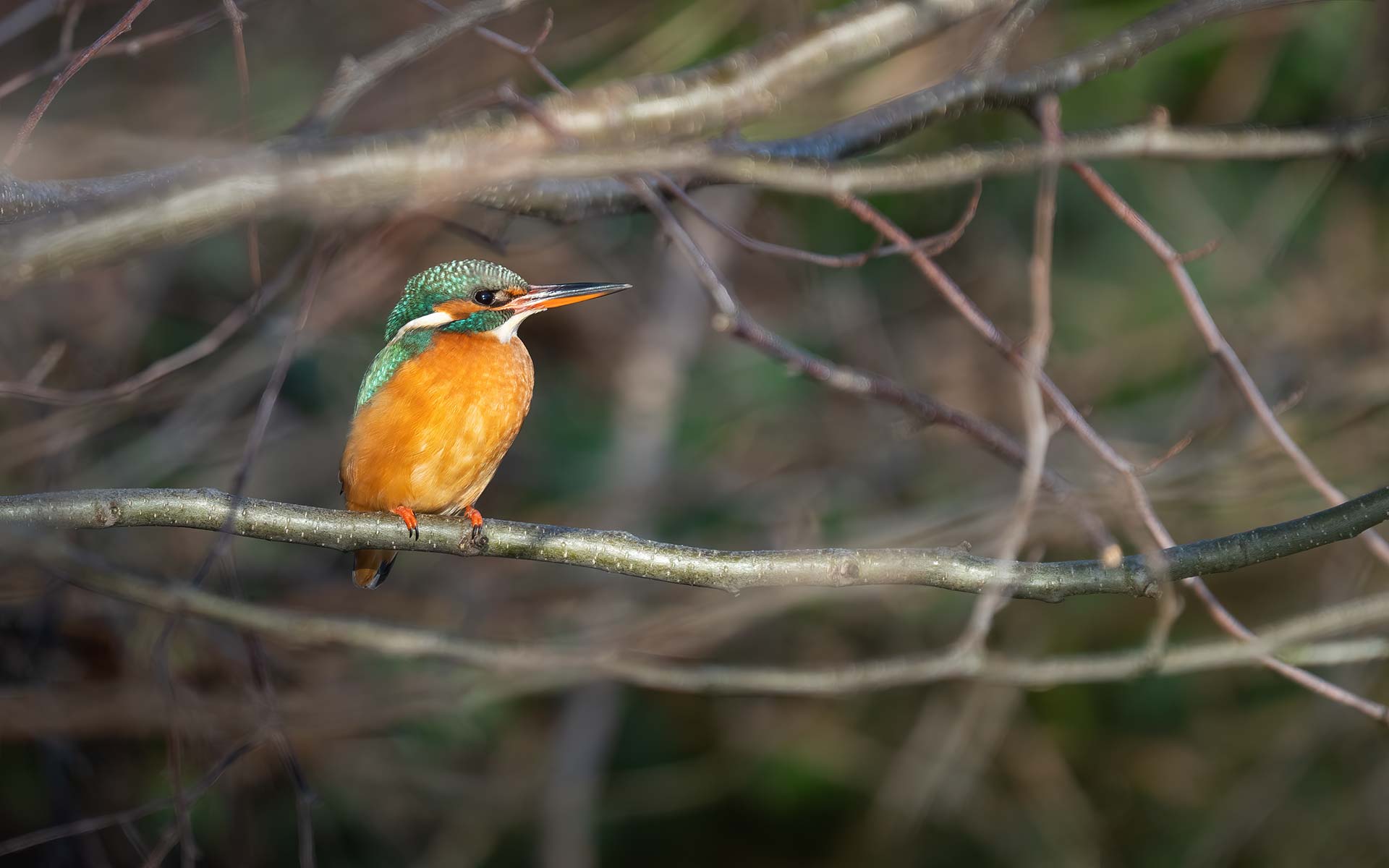
El Taray Hides in Spain
I embarked on a wildlife photography trip to El Taray Hides, a renowned nature reserve in Spain. Here’s a glimpse into my experience and the incredible moments I captured.
How I Discovered El Taray
As a wildlife photographer, I’ve found that connecting with fellow photographers is the best way to uncover prime wildlife locations around the world. While I frequently share tips on Danish spots with other enthusiasts, I sought recommendations for areas with bird hides across Europe.
I reached out to a Facebook group dedicated to Danish wildlife photographers, where one member suggested El Taray in Spain, along with a local travel agency that organizes trips there.
Although the agency’s website, hideseltaray.com, was only in Spanish — something that initially gave me pause — I decided to take a leap of faith and contacted them in English via email. To my delight, they responded promptly and helped me book a four-day trip for September 2024, priced at €1,017. While I was responsible for arranging my own flights, the agency took care of the hotel, hide rentals and transportation from the airport and to the hides.
This article chronicles my journey to El Taray and the images I captured along the way. I hope it serves as a helpful guide for other photographers planning their own trip to this remarkable area. For more details, including information about the travel agency Wild Travel Spain, be sure to check out the end of this article.
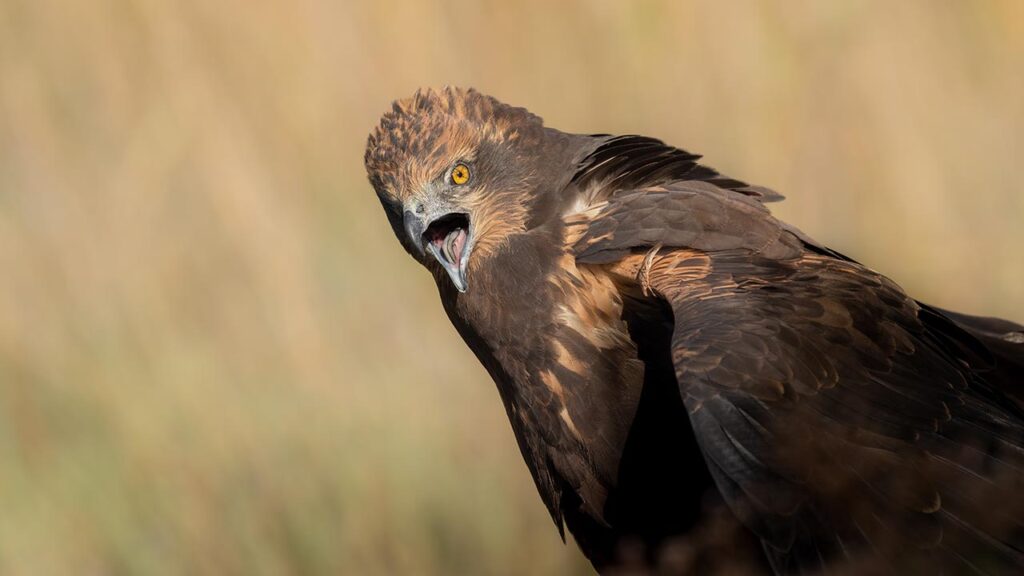
A Marsh Harrier let out a piercing scream at El Taray, where they were the most frequently spotted birds in front of the hides.
Day 1 - Arrival and first evening hide
The travel agency Wild Spain Travel, which operates the website hideseltaray.com, arranged for my pickup at Madrid-Barajas Airport around 2:30 PM. From there, I was taken directly to Villacañas in the southeastern part of Toledo province, where they had arranged my stay at Hostal Prickly.
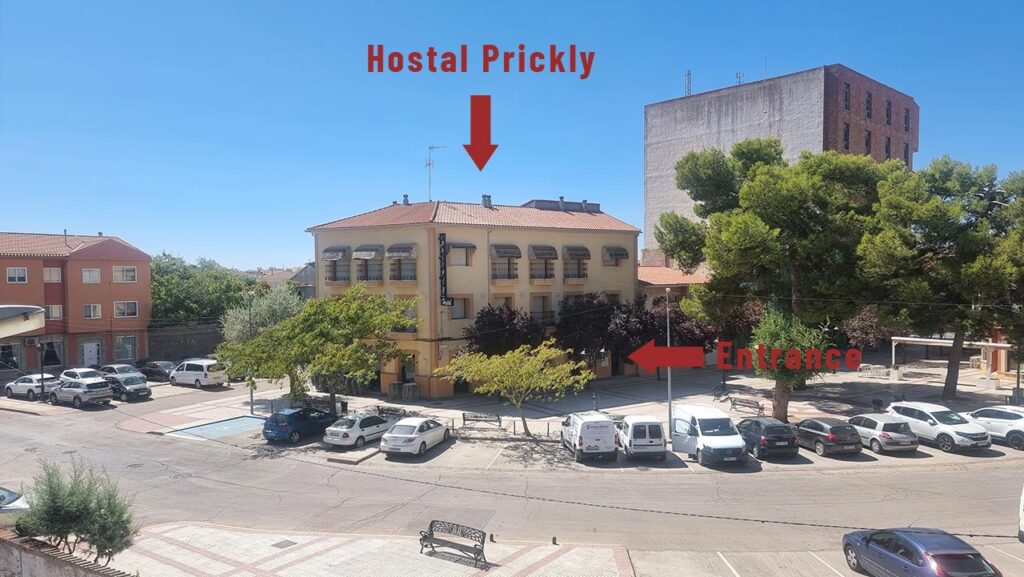
The accommodation for the trip was at Hostal Prickly, though finding the entrance was a real challenge.
Unfortunately, my Spanish is almost non-existent, and neither the drivers nor the hotel staff spoke any English, making communication quite challenging. However, we were able to get by using gestures, ChatGPT translations, and the Google Translate app to convey the essentials.
Despite the early start to catch my flight from Copenhagen to Madrid, I was excited for my first hide visit that afternoon. At 5:45 PM, I was picked up my the hostel, and by 6 PM, I was settled into the La Mangada hide, eager for my first experience with the birds of Spain.
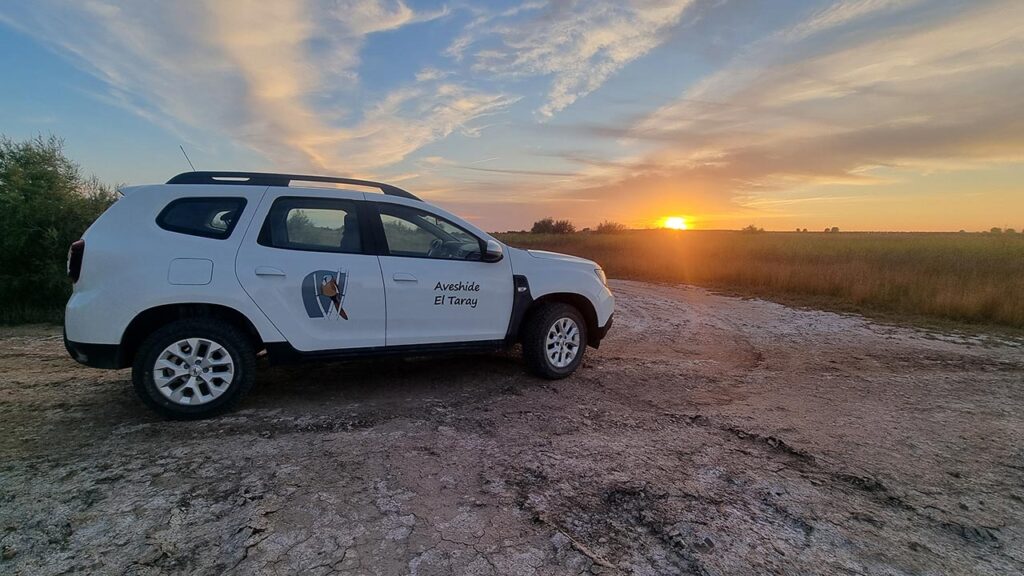
The transport to and from the hides
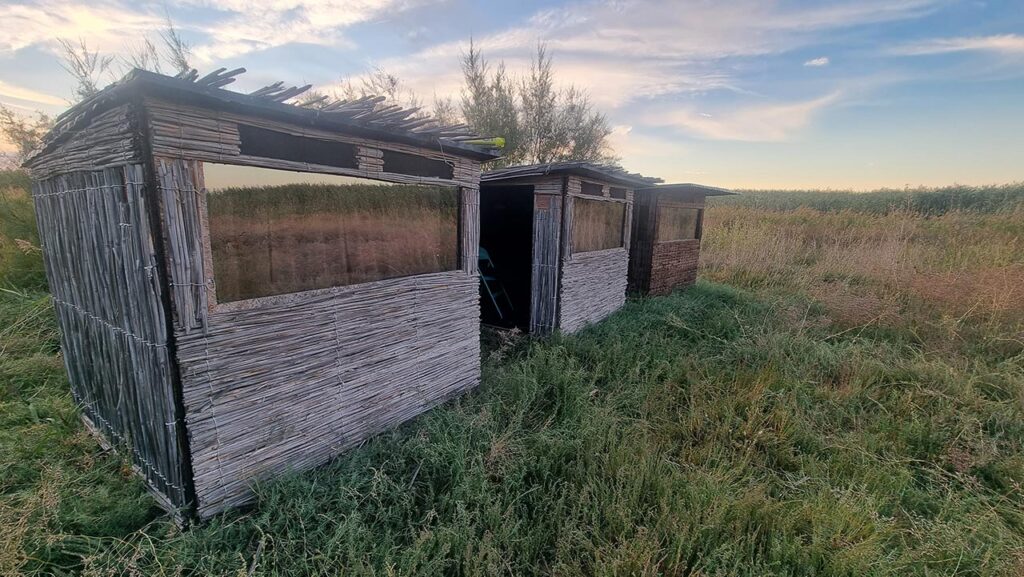
The La Mangada hides. Each hide could hold two photographers
The La Mangada hide offers a prime opportunity to photograph Marsh Harriers, Common Buzzards, and even the occasional Mongoose. I only encountered Marsh Harriers on my visit to the hide, but even though they are common in my home country of Denmark, it is always a delight to witness these birds up close.
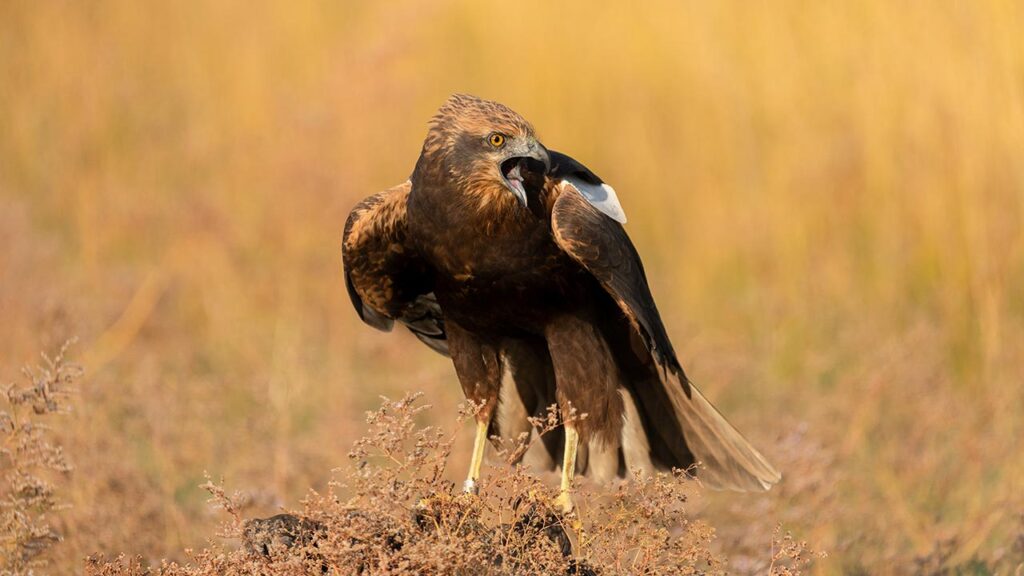
Marsh Harrier at the La Mangada hide
We where only two photographers at this hide, so I was lucky to get a whole hide for myself. We were visited by only three different Marsh Harriers during our 3½ hour, but the hides and offered excellent opportunities to use both my Sony 200-600mm and Sony 70-200 F2.8 GM2 lenses.

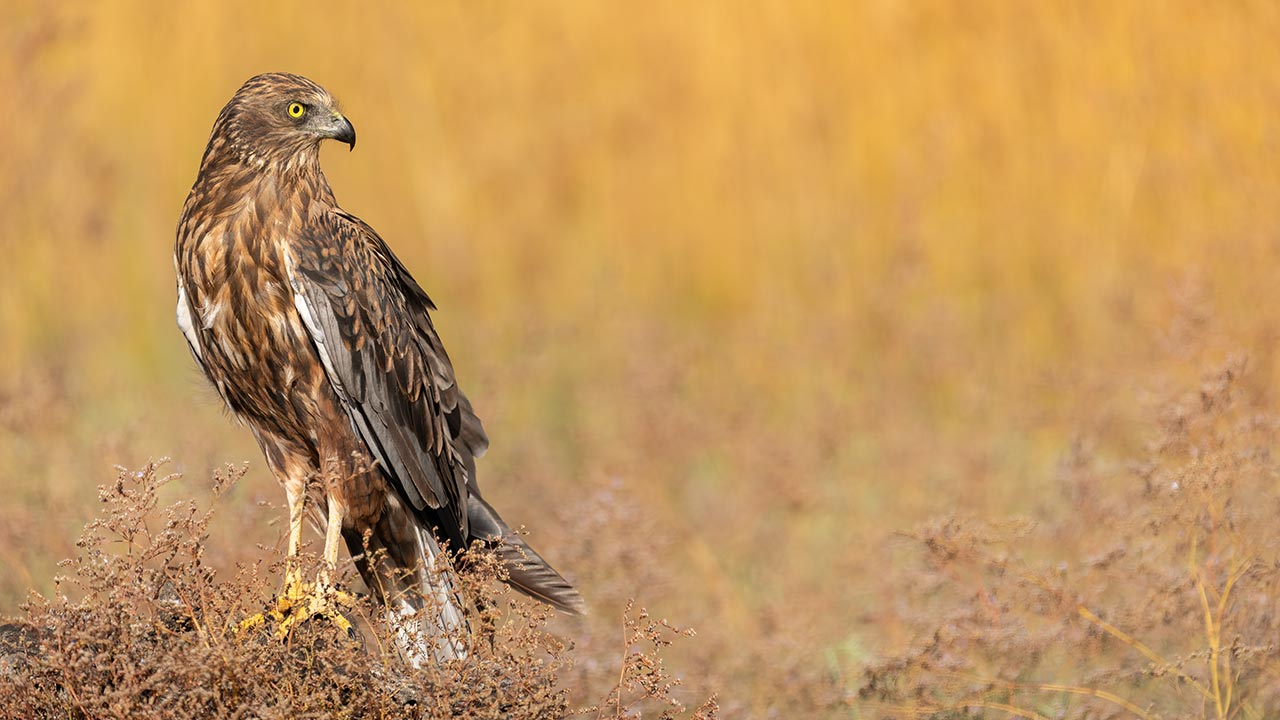
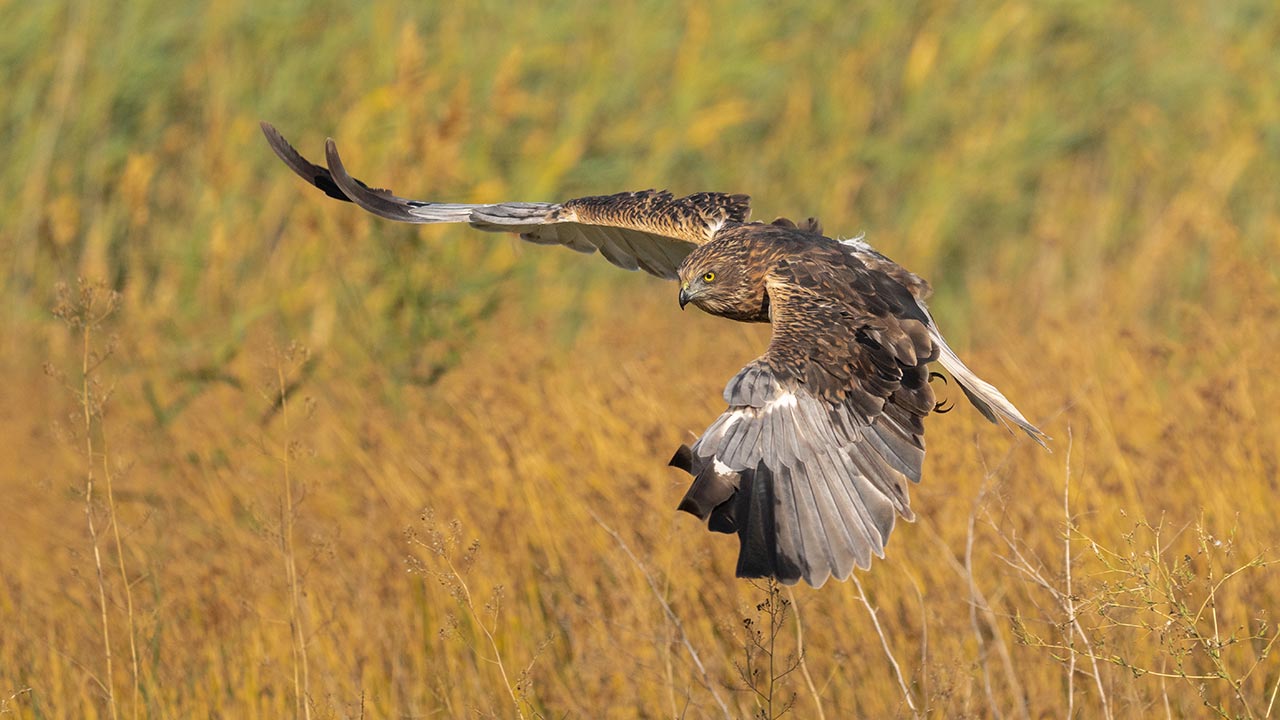
Various Marsh Harriers from the La Mandaga hide
In the evening I returned to my hotel to edit my photos. Luckily Spanish restaurants are open late, so when I finished around 10PM I could walk down the starts to an excellent pizzaria and enjoy a nice pepperoni pizza and some local beer.
Day 2 - First full day with a siesta
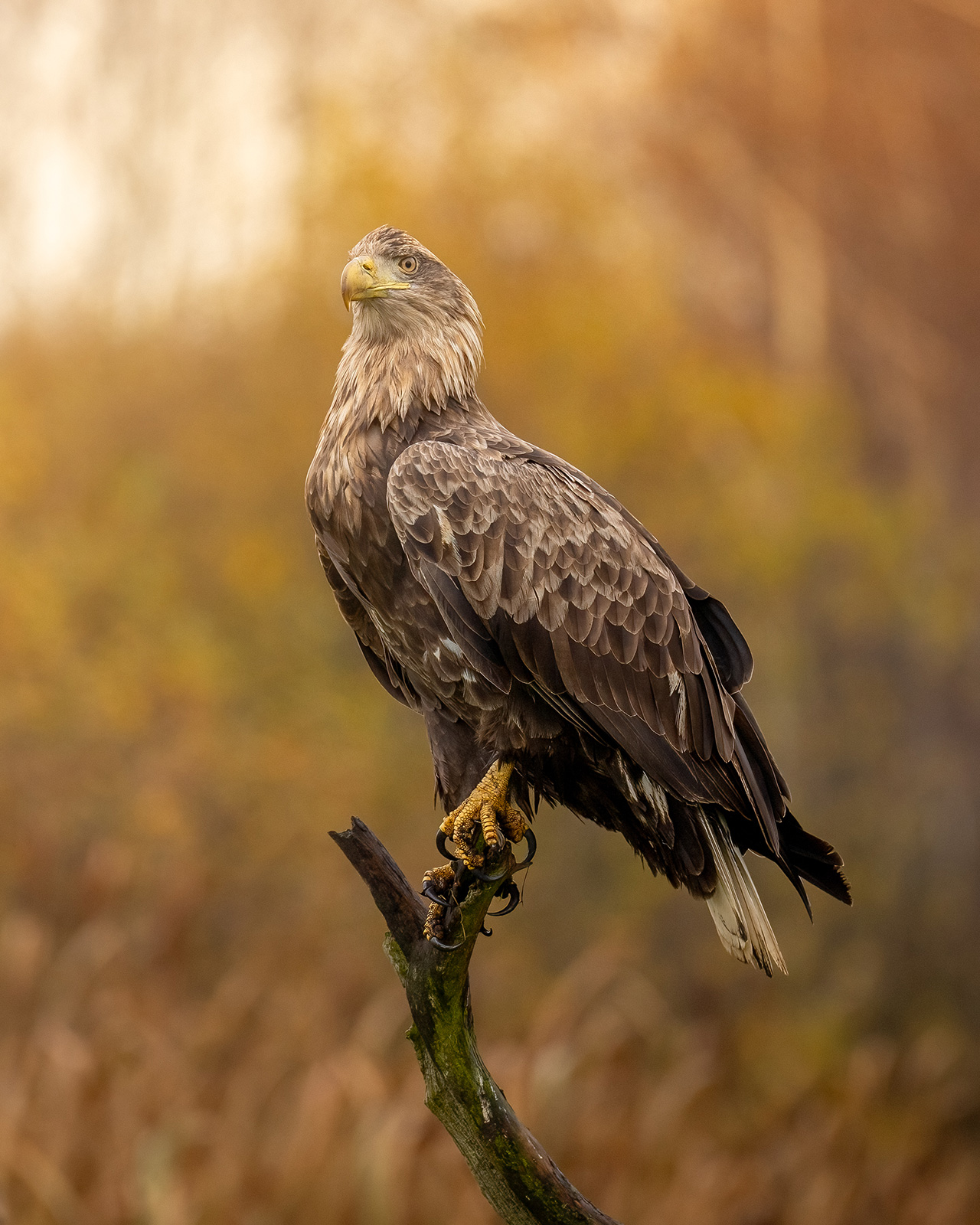
At 5:40 AM, the same driver arrived to take me to Laguna El Taray, where I joined two fellow wildlife photographers for a morning session in the El Espartal hides. Our mission was to witness the magnificent Spanish Imperial Eagle — the crown jewel of my trip.
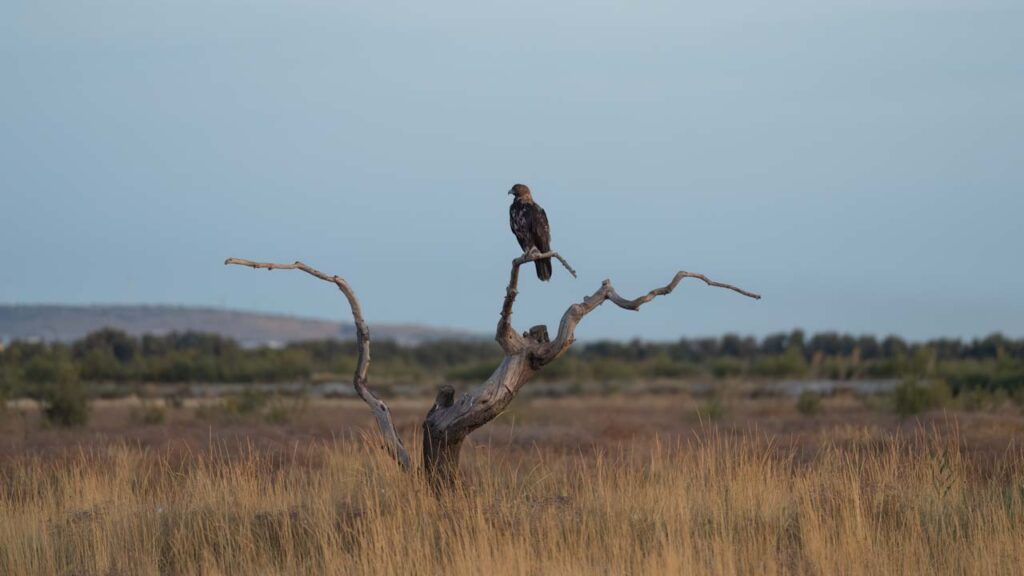
First sighting of the Spanish Imperial Eagle
At first, only a few Marsh Harriers appeared, but then, unexpectedly, a large bird of prey landed in a nearby tree, scanning the area before swooping down to join the feeding frenzy in front of the hides. With the sun still low on the horizon and the blue hour lingering, I believe I managed to capture some decent shots of the Spanish Imperial Eagle – my primary goal for the trip.
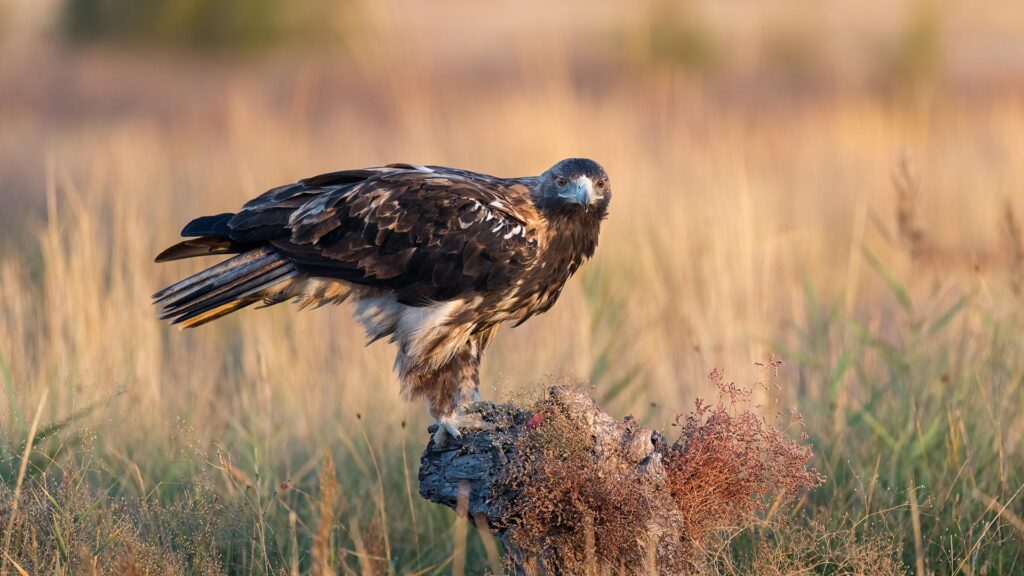
Spanish Imperial Eagle
While witnessing the Spanish Imperial Eagle was an incredible thrill, the morning held one final surprise — a rare and unexpected visitor, the Bonelli’s Eagle. Its sudden appearance added an extra layer of excitement to an already unforgettable session. Watching this elusive raptor in its natural habitat felt like the perfect way to close the morning, making the experience even more rewarding.


Bonelli´s Eagle
Bonelli’s Eagle is named after the Italian ornithologist Franco Andrea Bonelli (1784–1830) – a prominent naturalist and zoologist. The eagle was named in his honor due to his contributions to ornithology, particularly in documenting species in the Mediterranean region.
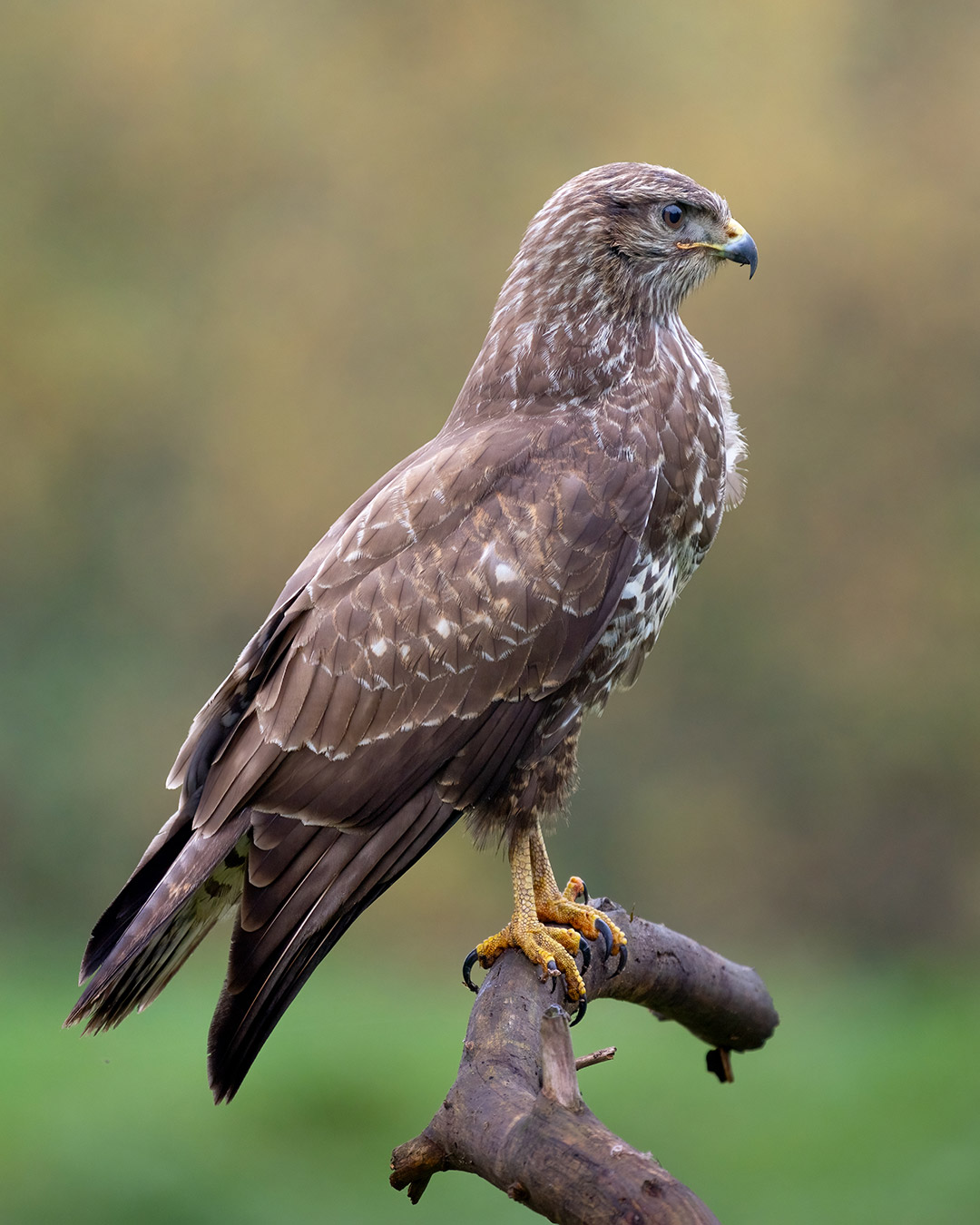
Like the day before, we were visited by Marsh Harriers, along with several Common Buzzards. Known for being quite shy, I was pleased to capture a few photos of them before our local guide arrived to pick us up.
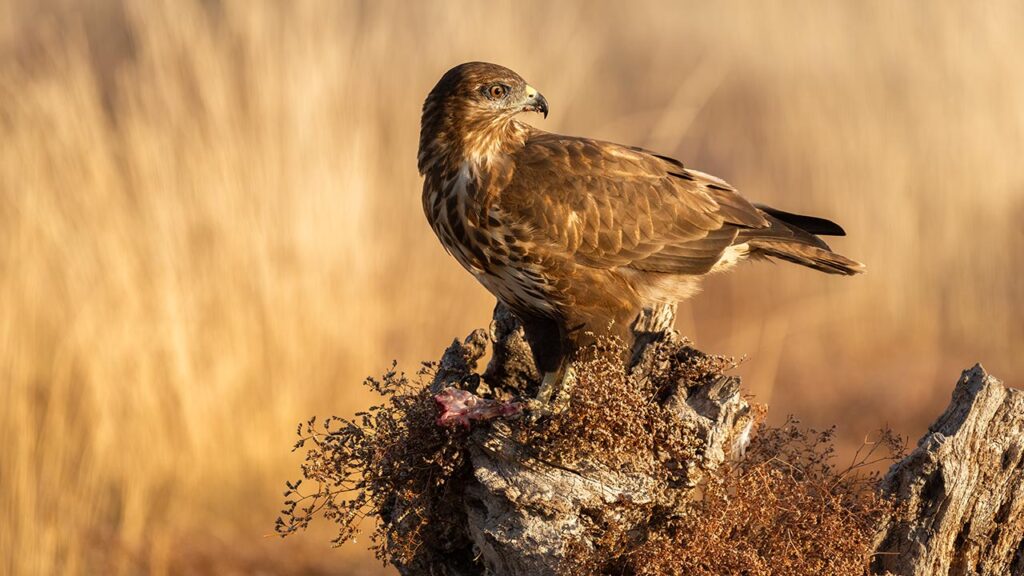
Common Buzzard at the El Espartal hide
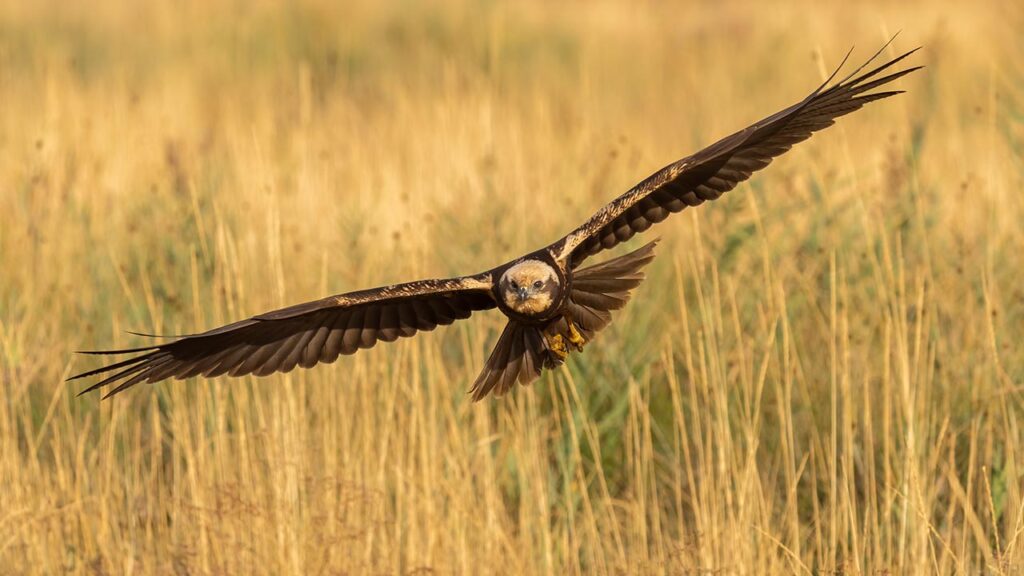
A Marsh Harrier in flight
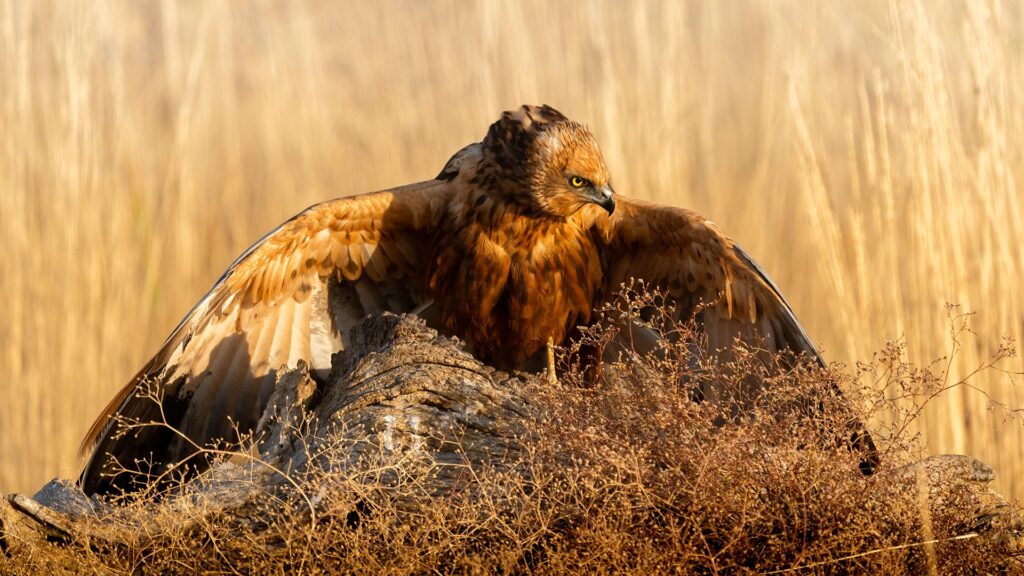
A Marsh Harrier protecting its lunch
After a siesta from around 1:00 to 5:00 PM, I was picked up again for an evening excursion. The original plan was to spend the evening in a hide near a wetland, but unfortunately, the summer heat had dried up the area. Another photographer mentioned seeing almost no wildlife there the previous day. Our driver quickly devised an alternative: we would drive around the El Taray region in search of more promising wildlife sightings.
While not being in a hide meant losing the opportunity to get close to the wildlife, driving around offered a much better chance to encounter a wider variety of species. It turned out to be a perfect alternative, balancing exploration with the possibility of new discoveries.
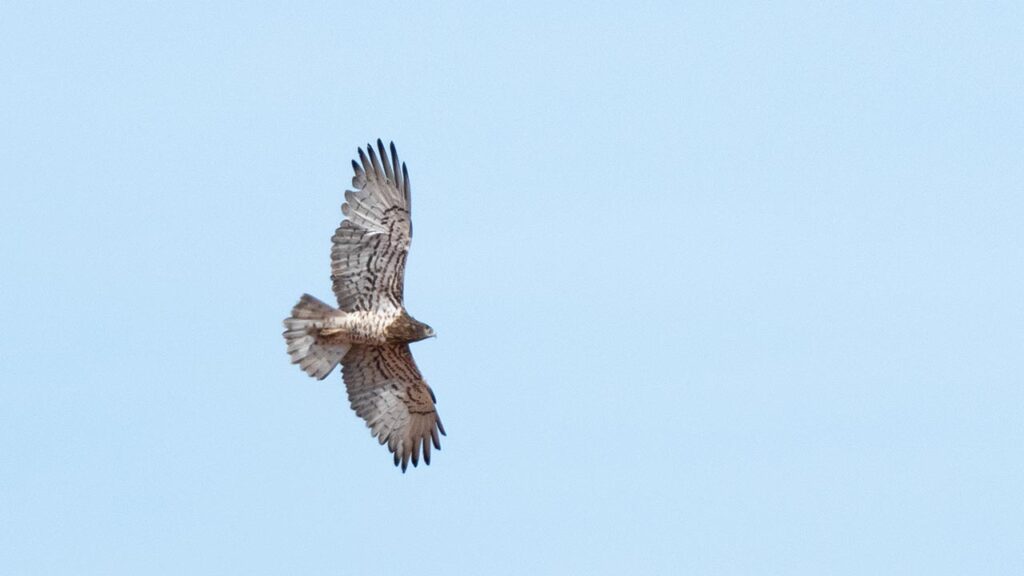
Snake Eagle (heavily cropped photo)
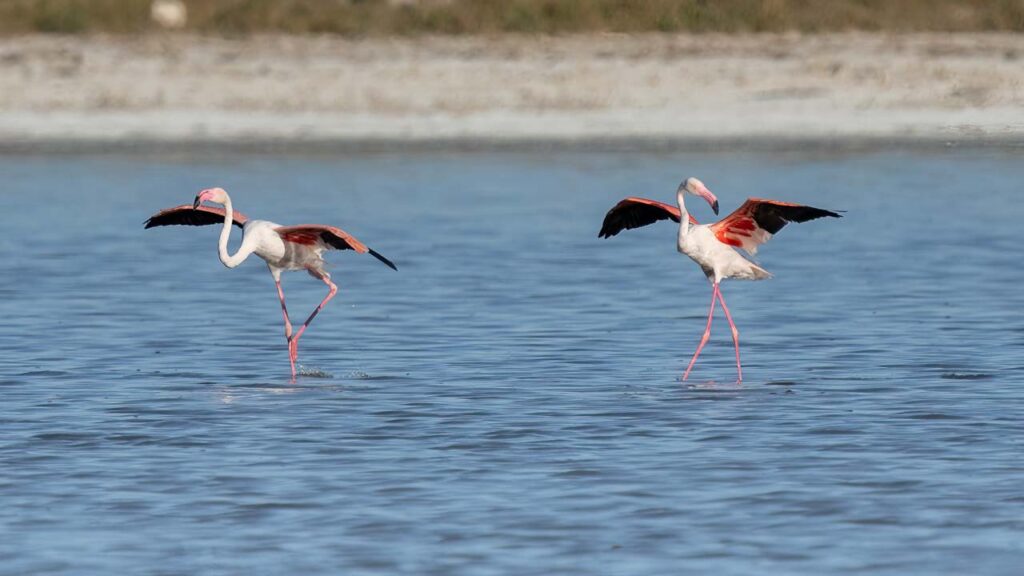
Flamingos at El Taray
Although I didn’t capture any standout photos during the drive, I was thrilled to spot several species that were new to me, including a Snake Eagle, Flamingos, and a Great Grey Shrike. The experience itself was incredibly rewarding.
Day 3 - Second full day
On my third day, I began with a morning visit to the Vega Mazón hide, hoping for another glimpse of the Spanish Imperial Eagle. Unfortunately, only Marsh Harriers, buzzards and a few ravens made an appearance, and I didn’t manage to capture any noteworthy photos. But that’s the nature of wildlife—it’s unpredictable. Some days you get lucky, and other times, nature has its own plans. Sadly, this was the theme for the whole day.
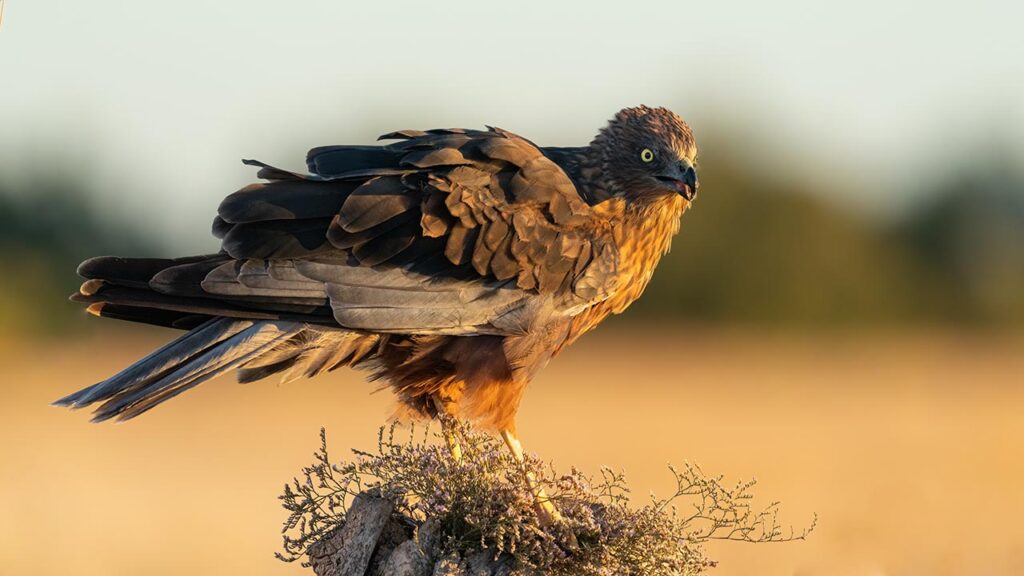
Marsh Harrier at the Vega Mazón hide
I did spot two Hoopoes, but unfortunately, they were perched in a tree too distant for good photos. I also heard a Little Owl near the hide, though it never made an appearance. On the drive back, I was fortunate to encounter two new species: a vulture and a black stork soaring high above. I can now cross them off my list—though I’ll still need better photos of them, of course.
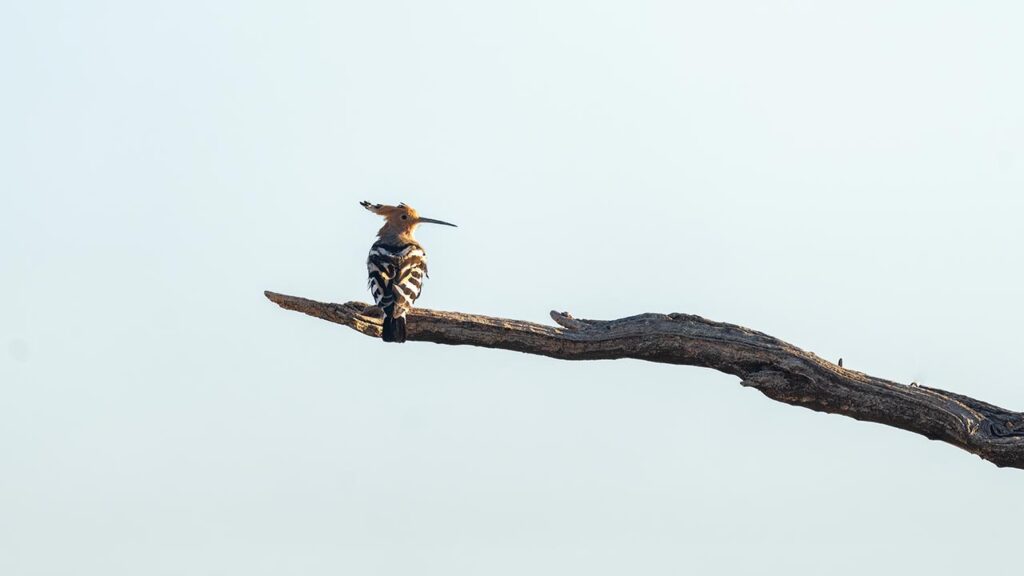
The Hoopoe at the Vega Mazón hide. Sadly it did not come close to the hide.
In the afternoon, I was originally scheduled to visit the Waterhole Casa de Labor hide, but plans changed, and I ended up at a large floating hide specifically designed for photographing the elusive Kingfisher. This hide was one of the most impressive I’ve ever encountered, featuring a large window section with a perch for the Kingfisher just three meters away.
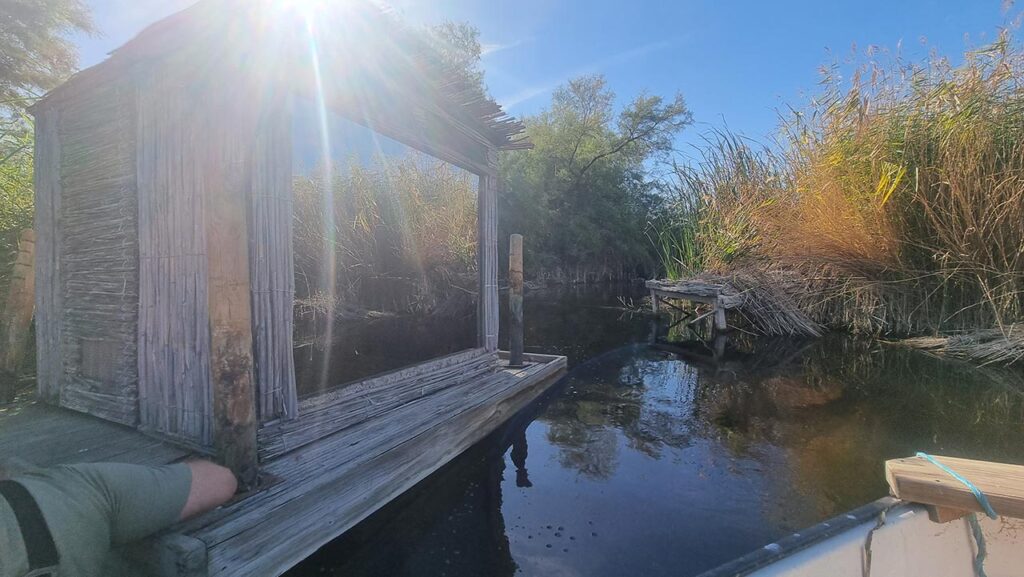
The Kingfisher hide
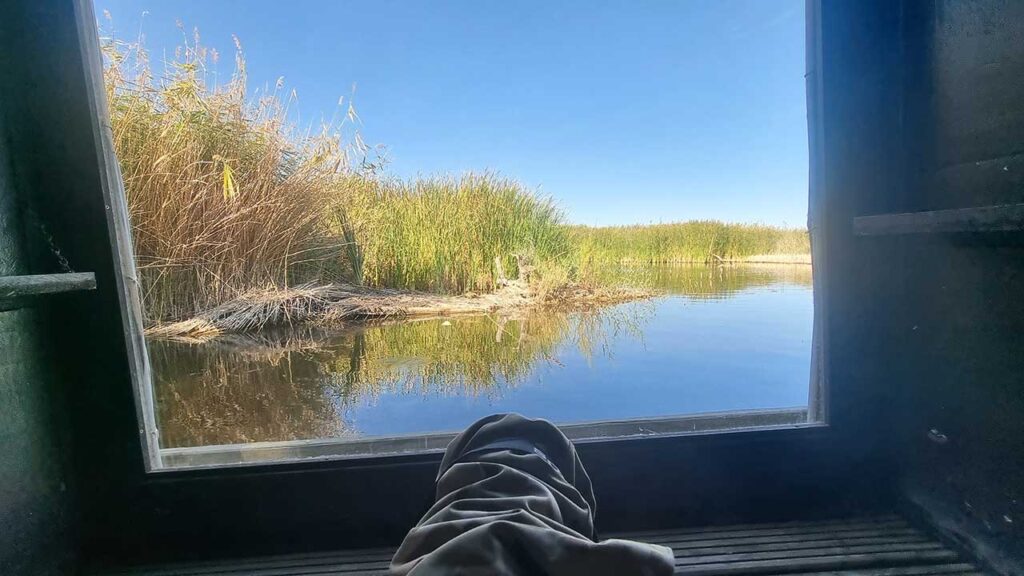
The view from inside the Kingfisher hide
While I was stationed in the hide, which could only be reached by boat, a Kingfisher flew by, instantly filling me with excitement. I had been dreaming of capturing the perfect photo of this bird for years, and I felt certain this was my chance. Unfortunately, despite spending two hours in the hide between 6 and 8 PM, the Kingfisher never landed in front of me. It flew past several times and even perched nearby once, but never within the view from my hide. I went home that evening feeling quite disappointed, still without my dream photo.
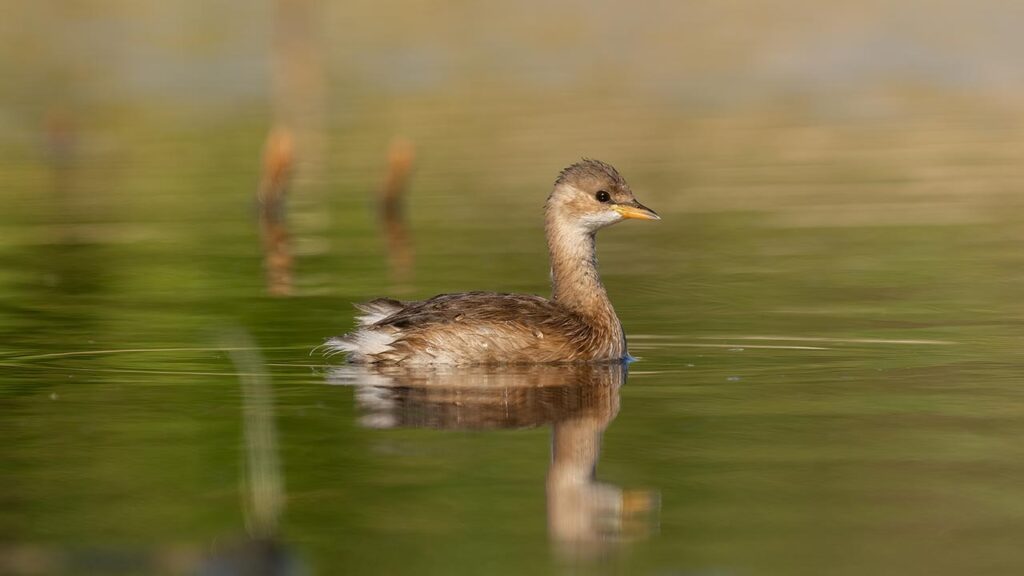
Little Grebe
On the bright side, I spotted a Western Swamphen for the first time and managed to capture a photo of a Little Grebe. However, it didn’t quite make up for the disappointment of the Kingfisher not appearing. I have been chasing that little bird for the better part of 2 years now.
Day 4 - Morning hide and trip home
On my final day, my local guide picked me up around 6:40 AM and drove me to the ranch. There, I waited for about an hour while he assisted other photographers in setting up at a different hide. Once they were settled, we returned to the familiar Kingfisher hide. However, this time, my guide took me by a small boat to a new hide, offering the chance to photograph both Kingfishers and Bearded Reedlings.
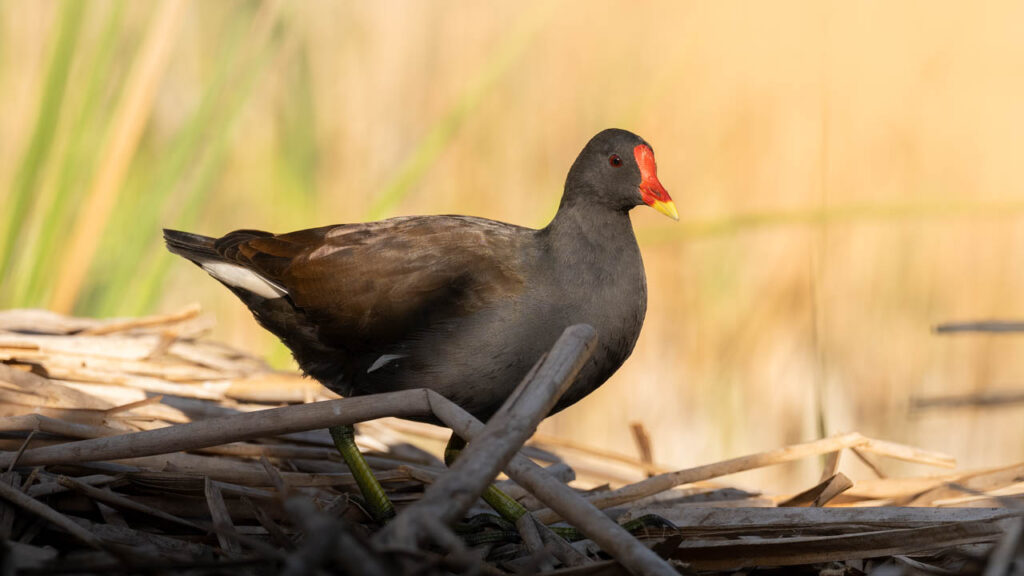
Common Moorhen
Unfortunately, the hide turned out to be a complete disappointment. For two hours, the only activity was a small family of Common Moorhens, with nothing else in sight. It was the low point of the entire trip, and I felt a bit disheartened when my guide picked me up around 10 AM.
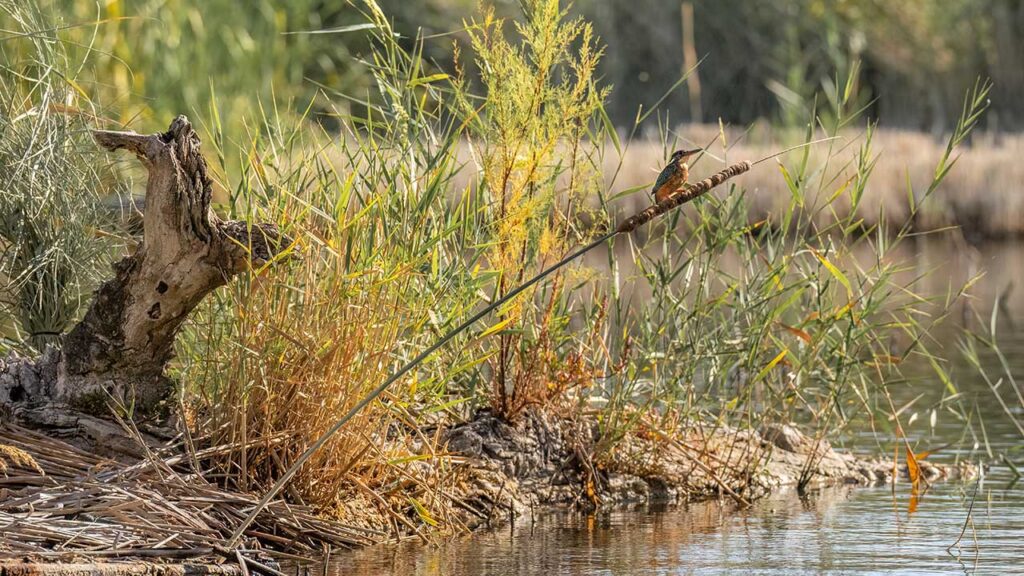
When we returned to the Kingfisher hide by boat, where the car was parked, we spotted a Kingfisher flying around and even perching right in front of the hide. My guide gave me 10 minutes to try to capture a photo from the boat while he played Kingfisher audio from his phone to attract the bird. Unfortunately, I managed to snap only a single shot of it, perched some distance away in front of the hide.
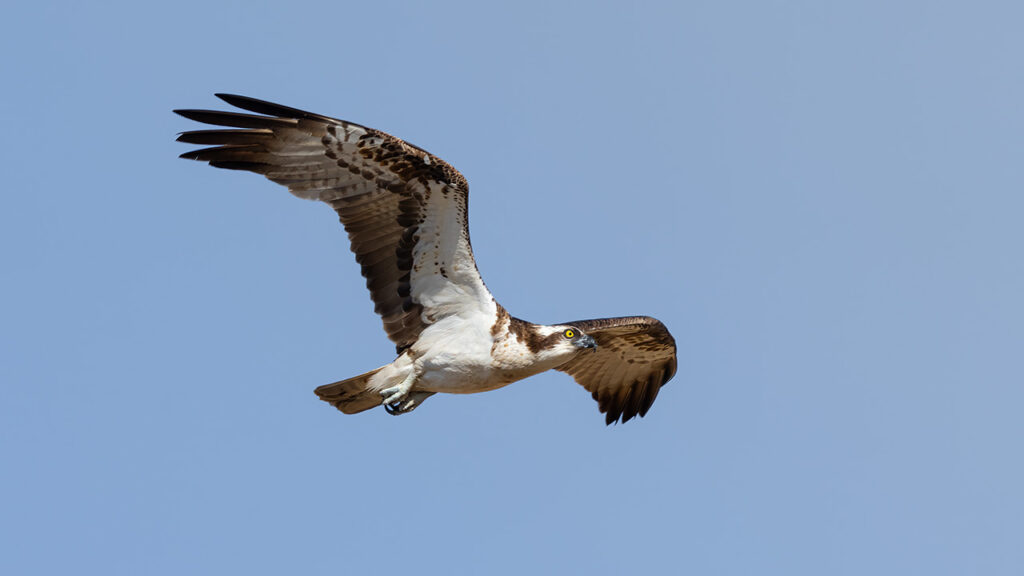
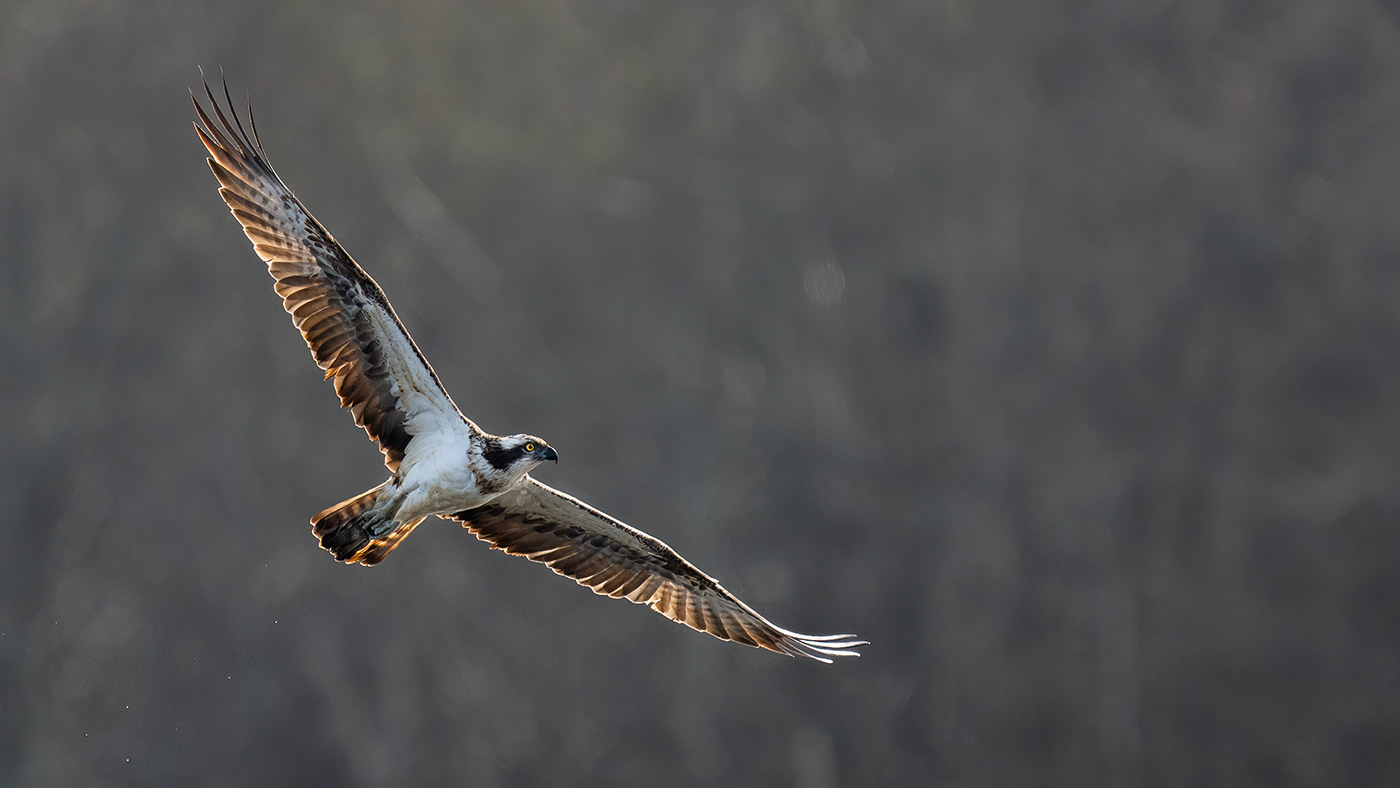
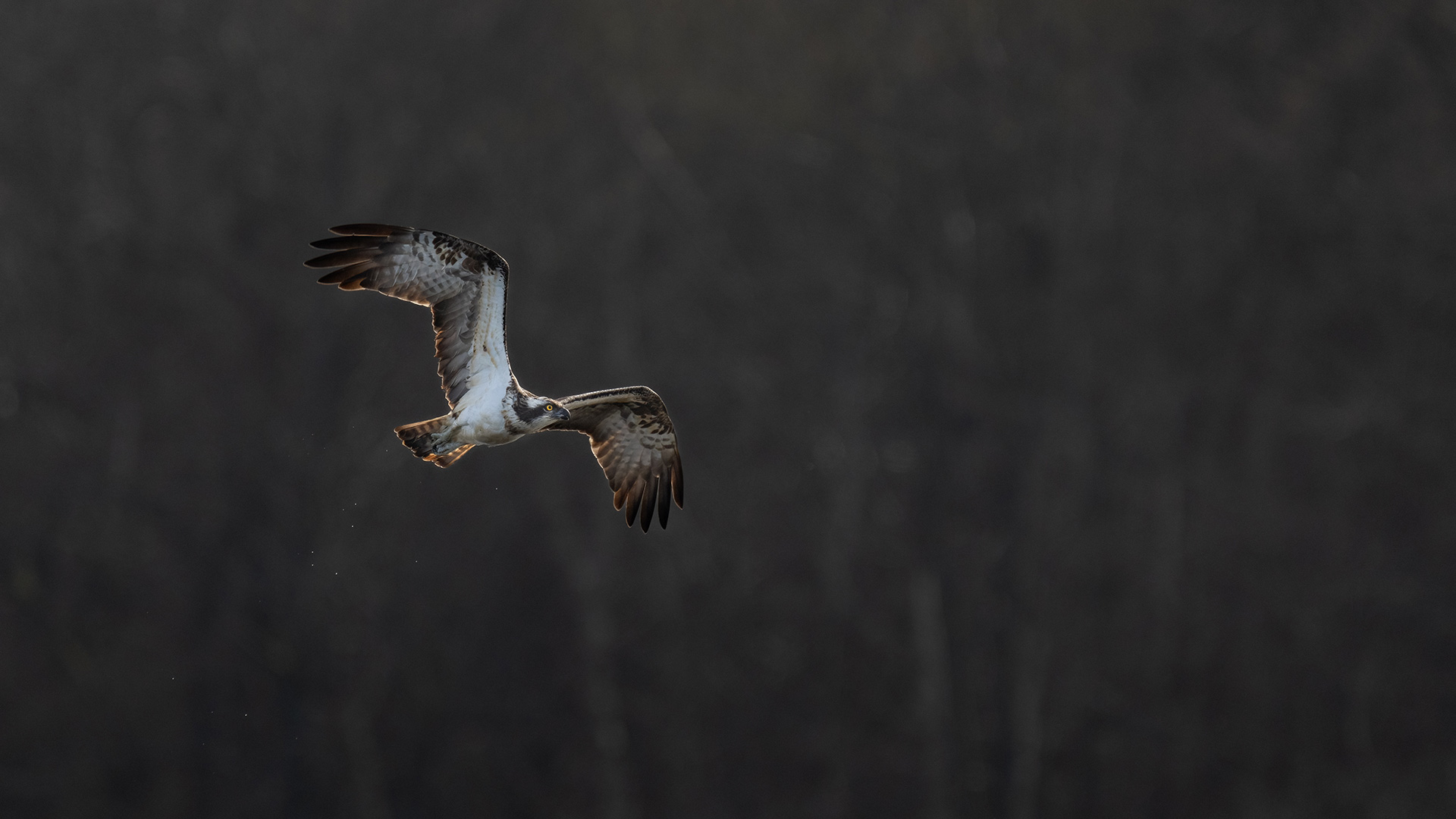
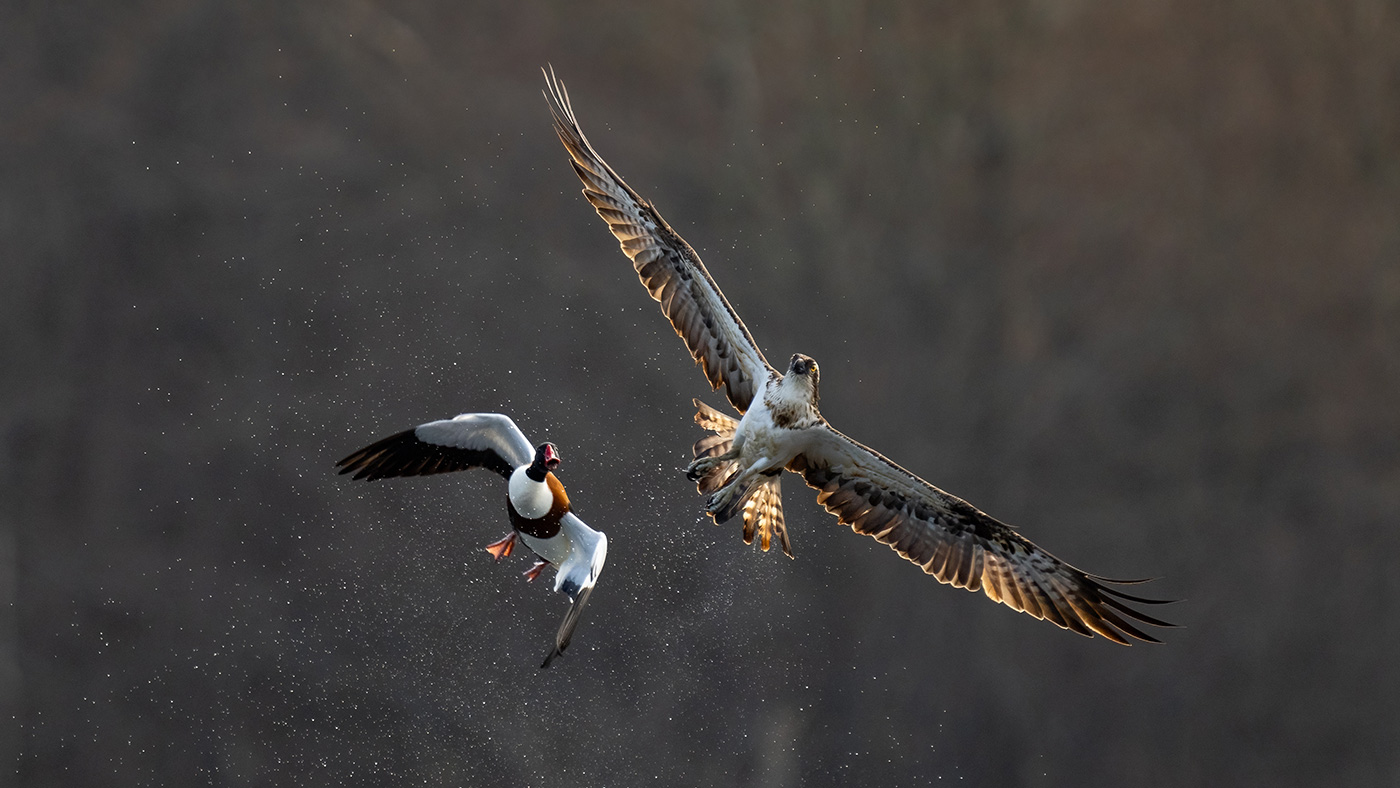
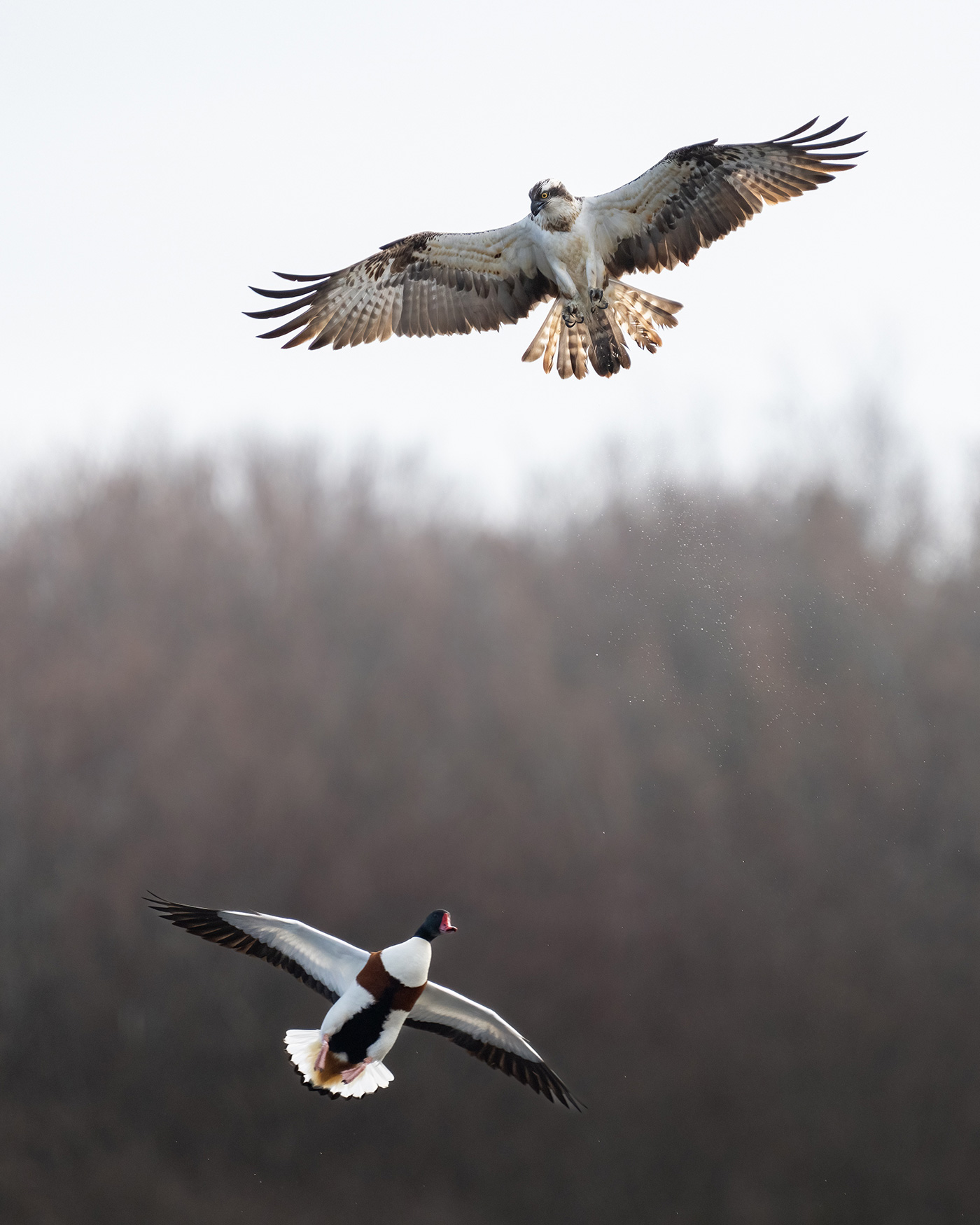
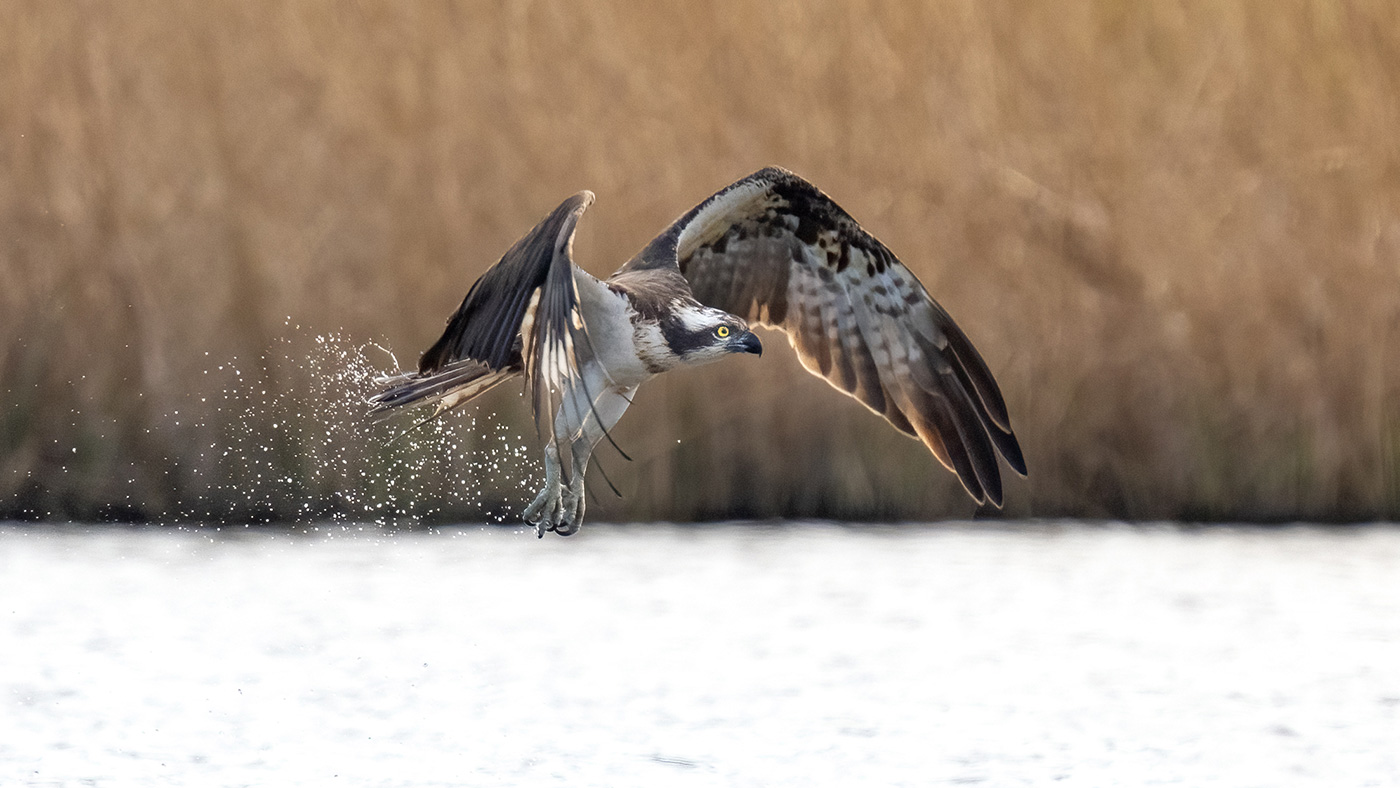
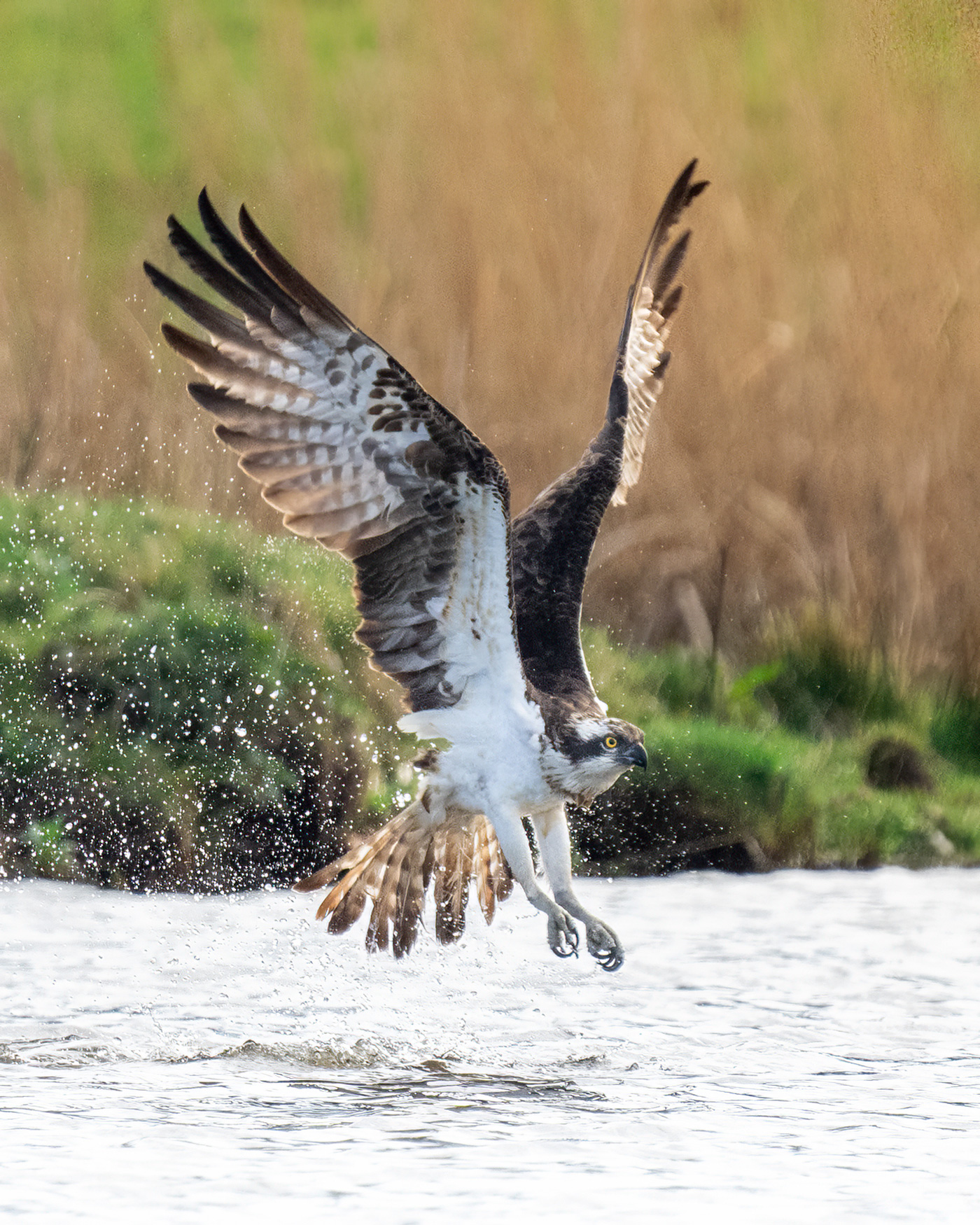
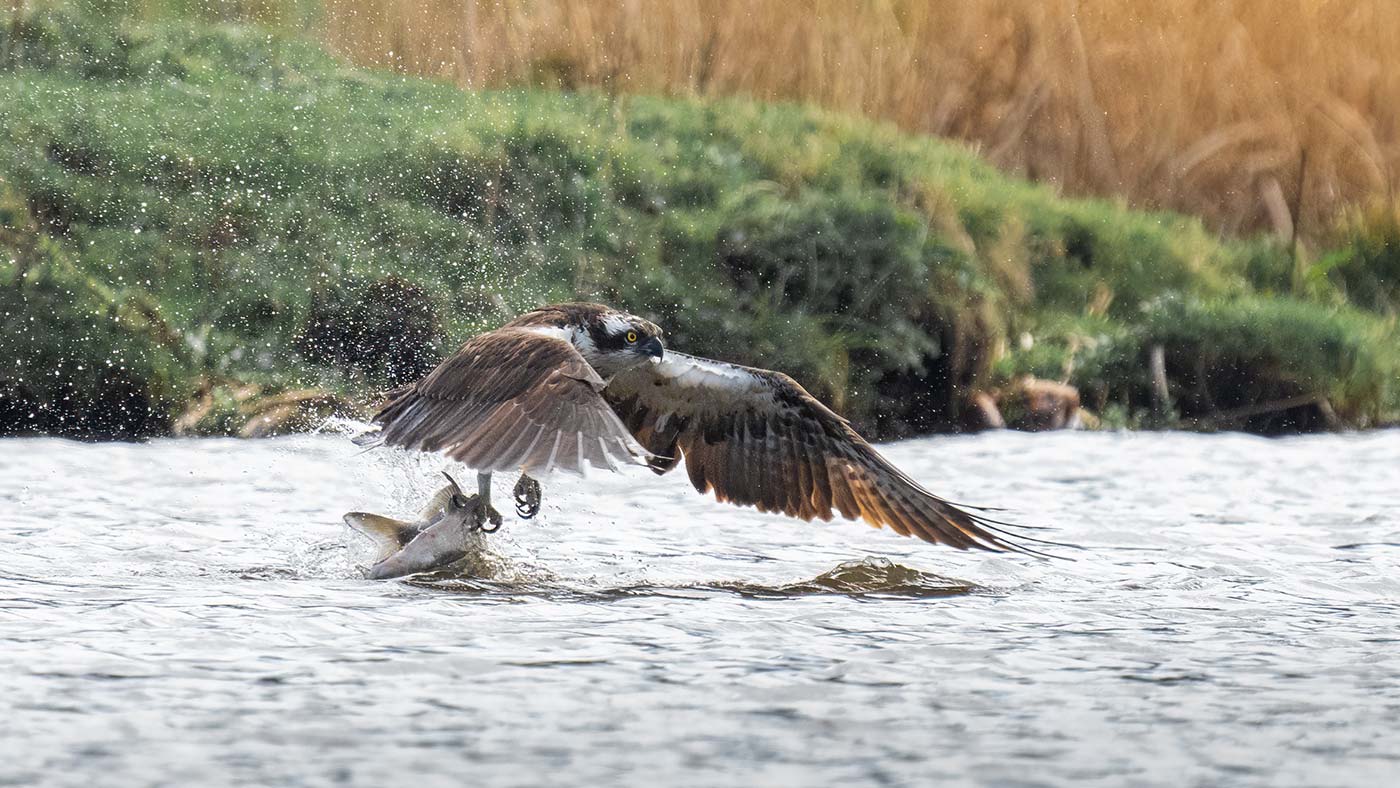
Osprey flying over El Taray
As we were driving out of the El Taray area and heading back to the hotel, we spotted a lone Osprey perched on a pole, eating a fish. I managed to snap a few photos before it flew off, marking my final shots from El Taray.
Reflections
El Taray certainly offers a wide varity of wildlife. Wild Travel Spain did an excellent job arranging everything, from accommodations and transportation to the hides themselves. The local driver was knowledgeable about the area and its wildlife, always ready with alternatives if a particular hide was unusually quiet.
Unfortunately, I did encounter several hides with little to photograph — either nothing appeared, or the birds perched too far away or out of view. After speaking with other photographers, I got the impression that a trip in spring or early summer might offer better luck. That being said, I did manage to spot a Spanish Imperial Eagle and snap a photo, although only one appeared on the second morning, and the light was quite poor. Despite this, I’m definitely considering a return trip to El Taray in the future, now that I know how accessible it is—just not in September.
List of birds seen at La Taray
I have compiled a list of the birds that I witnessed at Laguna El Taray during my stay. Not all of them was close enough to photograph, but seing such a wide variety of birds is something of a treat and well worth travelling for.
- Spanish Imperial Eagle
- Bonelli´s Eagle
- Snake Eagle
- Black Stork
- Marsh Harriers (a lot of those!)
- Common Buzzard
- Hoopoe
- Common Kestrel
- Raven
- Eurasian Magpie
- Little Owl (only heard, not seen)
- Osprey
- Vulture (unknown subspecies)
- Flamingo
- Little Grebe
- Western Swamphen
What to bring to a hide in El Taray
If you’re planning a trip to Laguna El Taray, I recommend using this checklist. You’ll be transported almost directly to the hides, so there’s minimal walking involved, making it easy to carry a heavy backpack. Just a heads-up: the hides can be quite chilly in the morning but feel almost like a sauna by evening.
- Camera
- 100-400 or 150/200-600 mm lens
- 70-200 mm (optional)
- Tripod (or arrange to borrow one at El Taray)
- Binoculars (optional)
- Spare batteries for your camera
- Smartphone with the Merlin Bird ID app
- Headphones (for podcast/audiobook while you wait)
- Water (½-1 L)
- Something to eat (snack)
- Backpack for all of the above
- Clothing (dark colours)
- Jacket and/or a sweatshirt (it can get cold in the morning)