Spring i Southern Jutland

March-April 2022

Spring in
Southern Jutland

Once again, we set out on a trip to Southern Jutland to experience the Black Sun phenomena when birds migrate through Denmark.

Though we enjoyed our last trip to the island Rømø in Southern Jutland, we did not experience a true Black Sun where thousands of starlings gather in the evening and suddenly group together in beautiful formations to protect against a bird of prey.

So we decided to try again and this time wait till the end of March, so the weather would hopefully be a bit warmer and sunnier. Since our trip in a summer house was a very cold experience, we decided to book a hotel that offered breakfast in the morning as well.

After some research and finally decided on Hostrups Hotel in Tønder (not far from the German border). This place serves an excellent breakfast and has very comfy rooms. However, the big selling point for us was its vicinity to Tønder Marsken. A marsh area with plenty of birdlife and sightings of Black Sun.

Though we experienced some days with sunshine it was quickly replaced with grey skies and plenty of wind. However, we still had plenty of wonderful experiences and sighted several interesting and rare birds. I have gathered information about the most prominent locations and sights below, so you have some ideas of where to go on your next bird sighting tour of Southern Jutland.

Tøndermarsken (The Tønder Marsh)

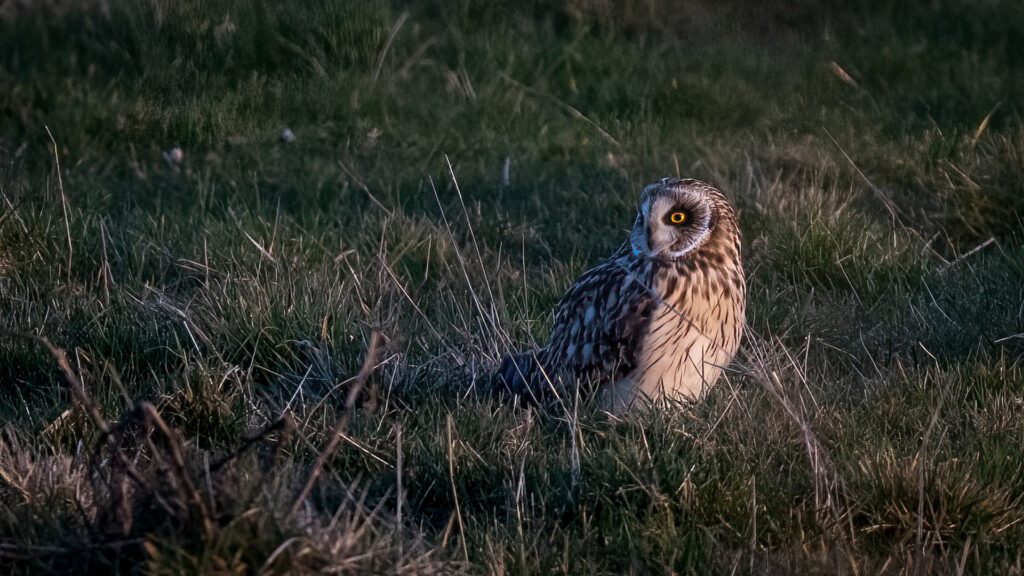
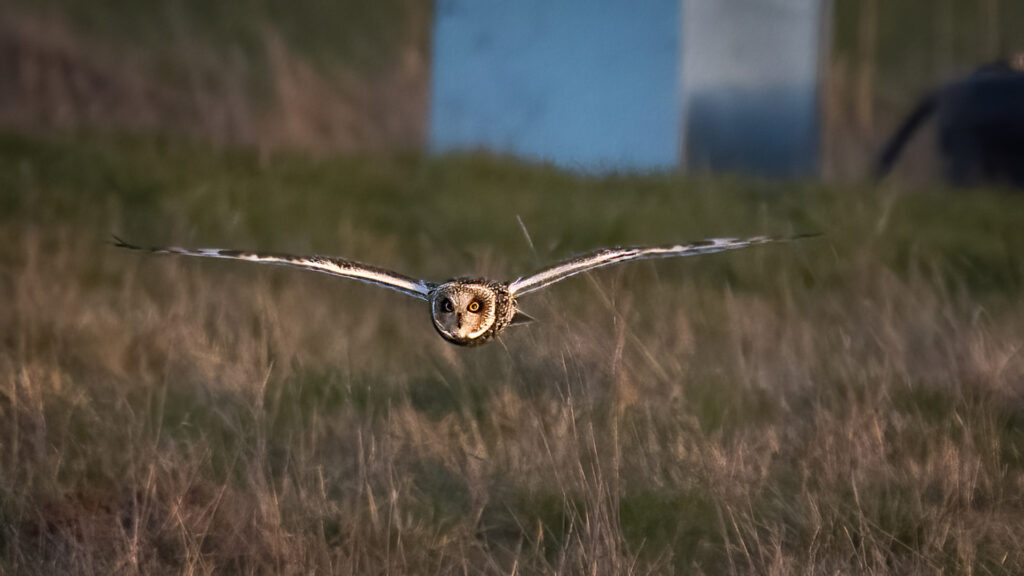
This marsh area is found just South of Tønder city. It is easy to get around with a car, and you can spot wildlife from the road, but there are few places to explore on foot. We drove around for a while and spotted a Short-eared Owl hunting over a field on Udbjergvej (a road going West-East just South of Tønder) near the T-intersection with Møllehusvej.

From this location, we also spotted hundreds of Common Starlings gathering during the evening hours, so we headed for the border to Germany to see the black sun phenomenon.

Short-eared Owl
Short-eared Owl hunting over the field near the road
Black Sun with thousands of Common Starlings

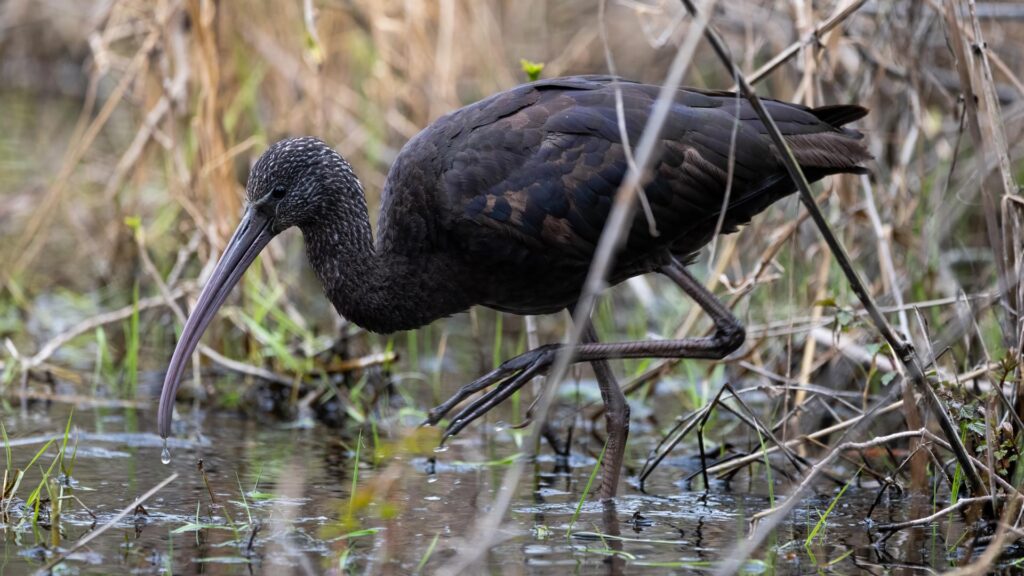
The Glossy Ibis at Ribe

Though the Glossy Ibis is rather common in some parts of Europe it is a rare sight in Denmark. Several photographers had shared photos of a Glossy Ibis near Ribe (city) on various social media forums dedicated to wildlife. Since we were within a few hours of Ribe, we decided to drive to its last reported location and look for the bird.

It proved exceptionally easy to find the bird near a parking lot at the Southern end of Ribe. The bird seemed very used to people and ignored us and all other traffic passing it. It gave me a rare opportunity to study the bird and snap a few photos when the bird emerged from the undergrowth.

The Wadden Sea Centre

One of the main attractions for bird enthusiasts in Southern Jutland is the enormous nature park along the coastline. The Wadden Sea is the largest tidal flats system in the world, where natural processes proceed largely undisturbed. It extends along the coasts of Denmark, Germany and the Netherlands.

For its globally unique geological and ecological values the Wadden Sea is listed by UNESCO as World Heritage. Nowhere else in the world is there such a dynamic landscape with a multitude of habitats, shaped by wind and tides. Global biodiversity is reliant on the Wadden Sea (source).

You can read more about this unique area here nationalparkvadehavet.dk (English)

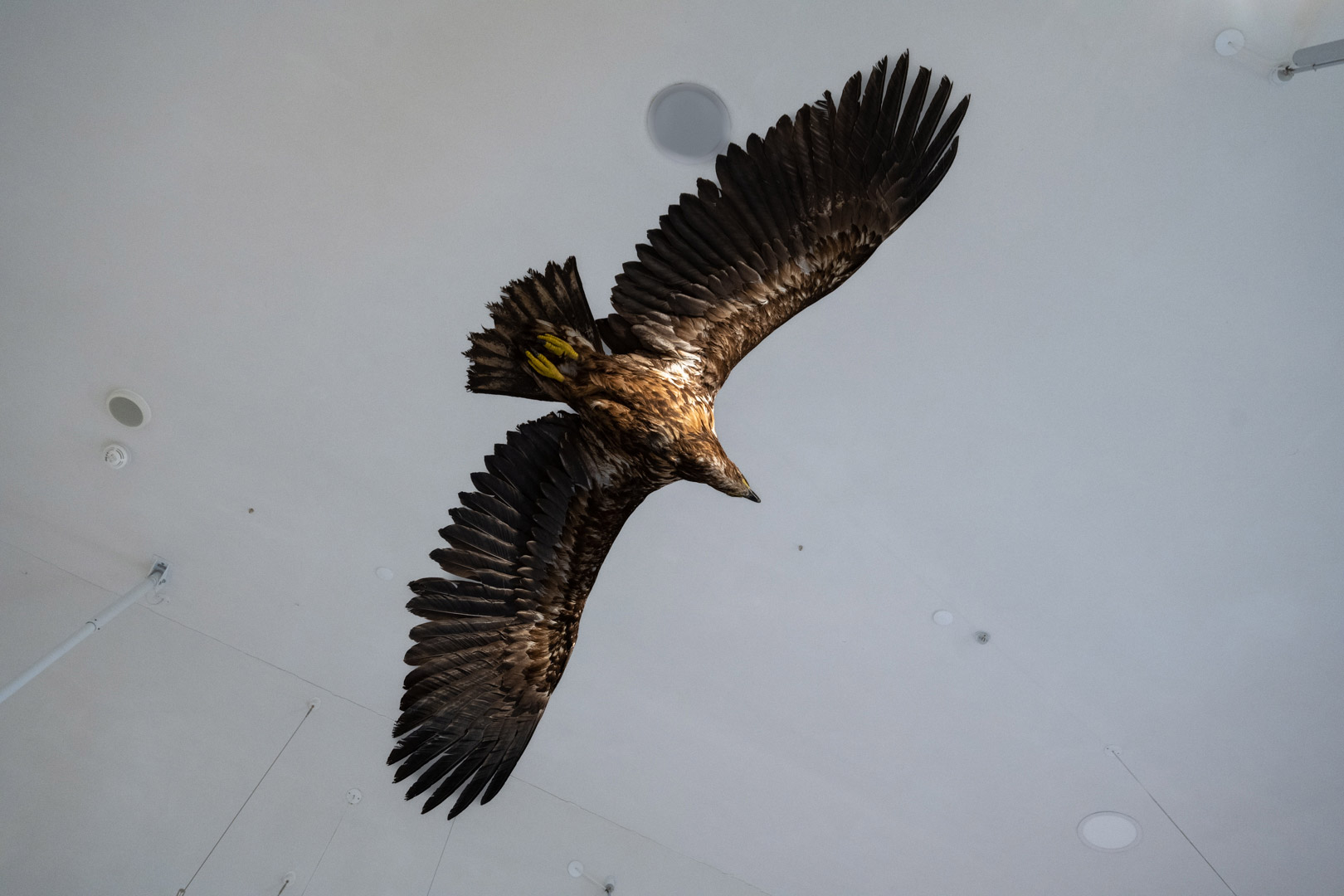
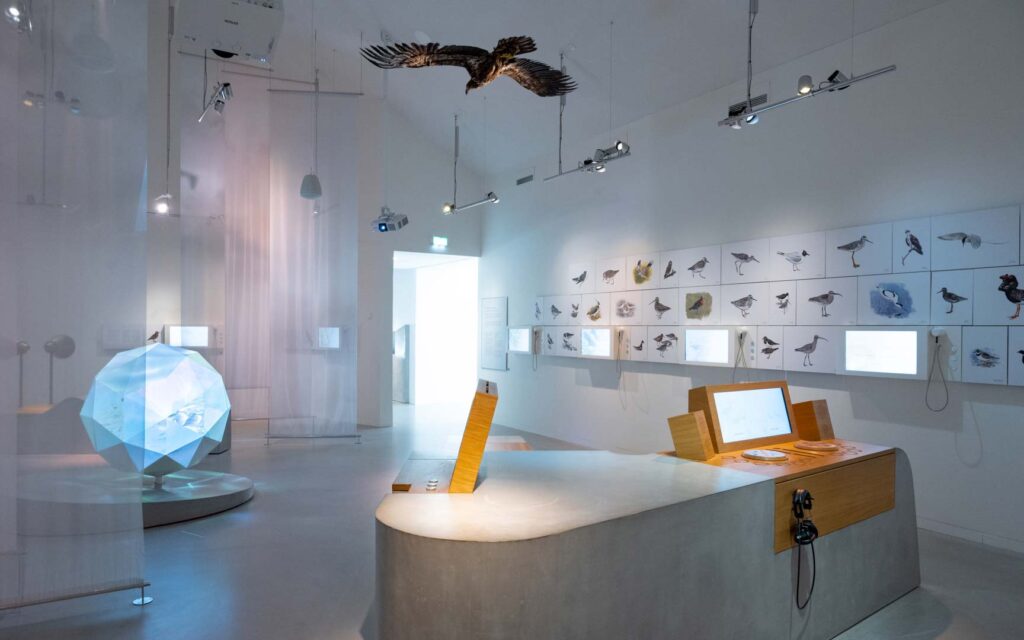
The nature park contains a wide variety of bird and other wildlife in a beautiful landscape. To get a good understanding of the area and wildlife I can highly recommend a visit to The Wadden Sea Centre near Ribe. The center’s exhibitions contain information about the nature, wildlife, history and environmental impact. You can see some of my photos from the exhibitions below and read more about the center here.

A stuffed White-tailed Eagle
A room dedicated to birds in the Wadden Sea
Various things found in the area
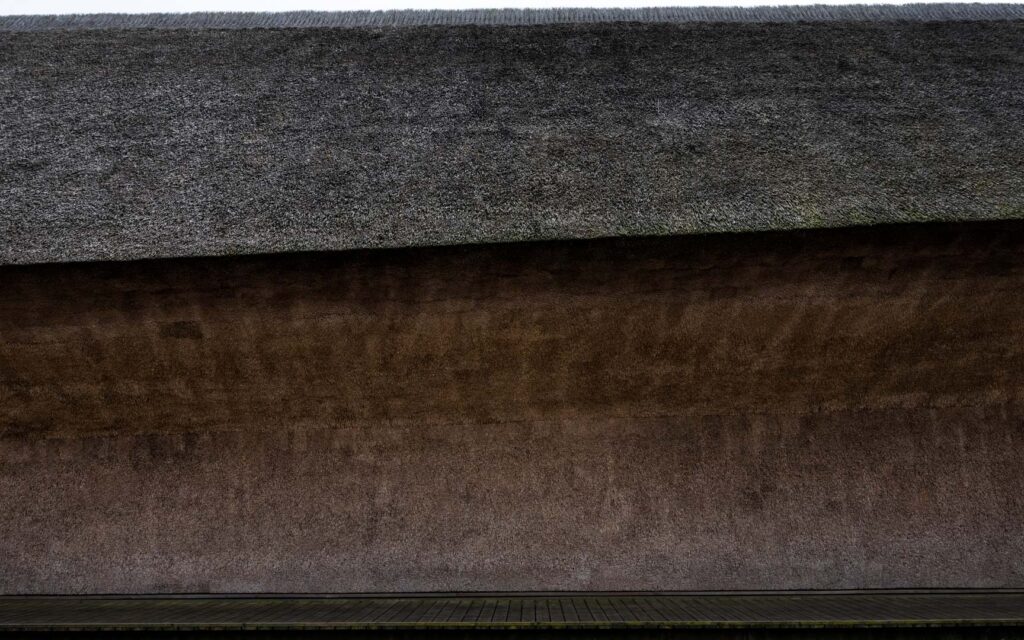
The Wadden Sea Centre's beautiful architecture

The Wadden Sea National Park

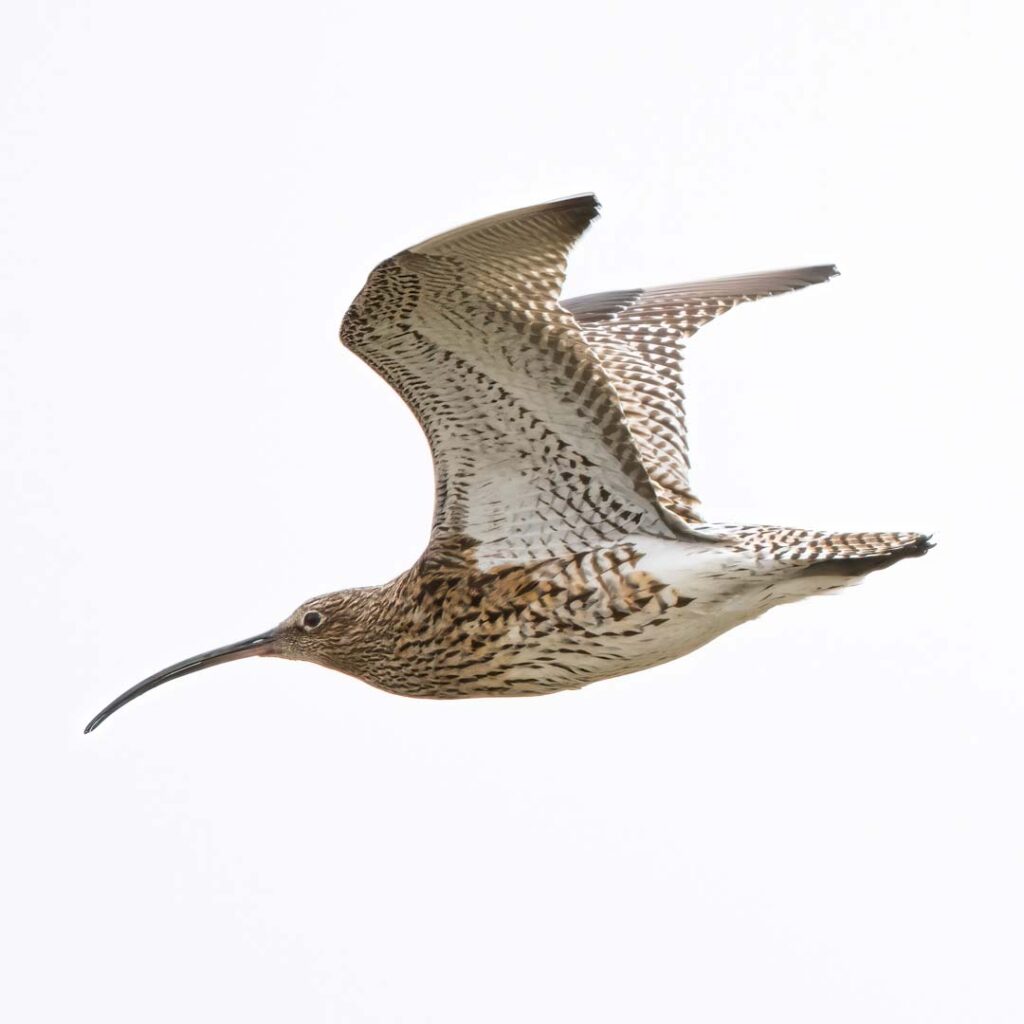
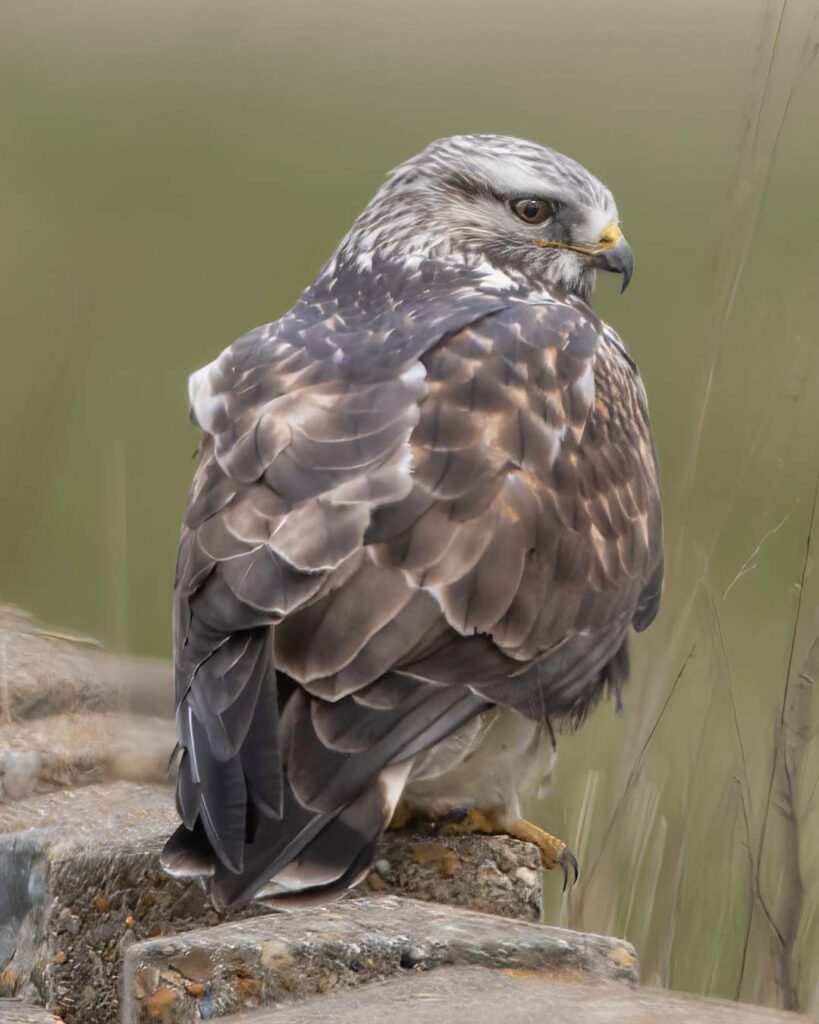
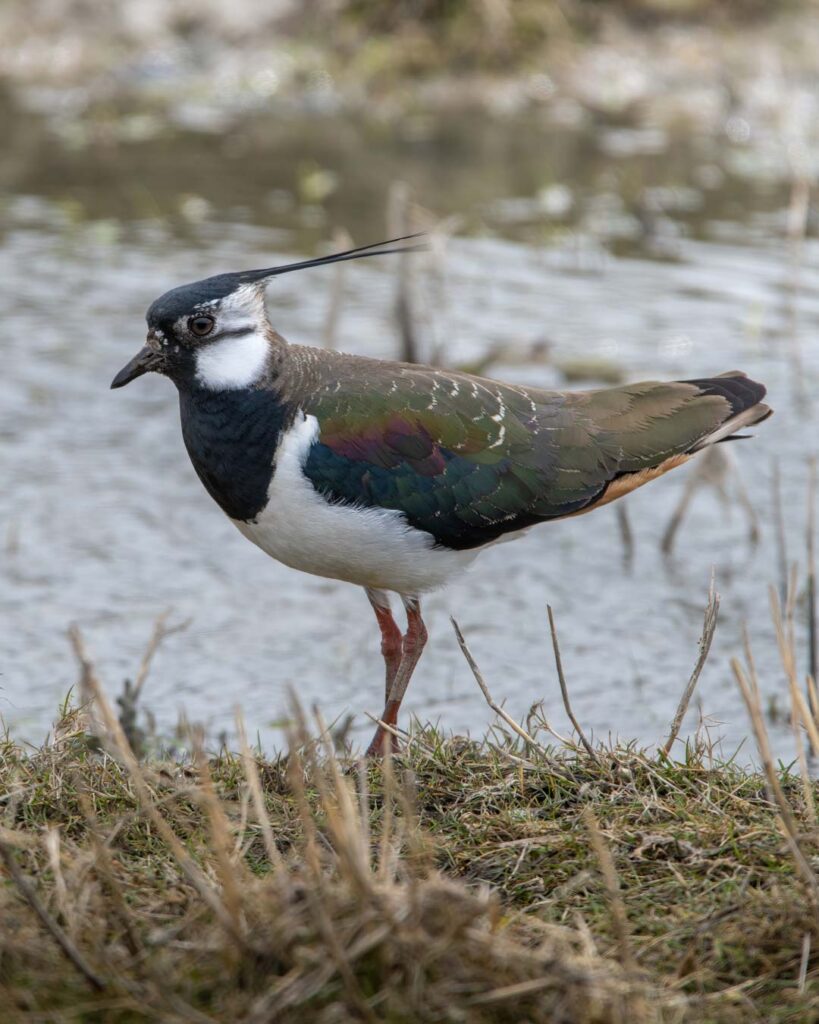
Getting around the national park requires a car since it is covering almost an entire region of Denmark and you might have to cross the border to Germany. I took numerous photos in the park but selected just a few to show in this blog post to show some of the bird life.

Summer in Northern Jutland

July 2021

Summer in
Northern Jutland

We usually wouldn’t travel in July since we live on a holiday island that offers plenty of attractions and experiences during the summer months. However, during the COVID-19 pandemic, we had very few chances to travel anywhere, so when some friends invited us to visit their holiday cottage in Northern Jutland, we jumped at the opportunity.

We took a domestic flight with DAT (Danish Air Transport) from Bornholm, with a stop-over in Copenhagen and on to Aalborg Airport on the Northern part of the Jutland peninsular. Our friends picked us up in their car, and from there, we drove into the countryside and explored the surrounding area for the next three days.

Day 1 – Into the lime mines

Thinkbæk Limestone Mines

Our first destination was Thingbæk Limestone Mines (Danish: Thingbæk Kalkmine) and the Rebildcenter museum. The mines have been a public attraction since 1935, when a Danish artist used them as an exhibition hall for his sculptures.
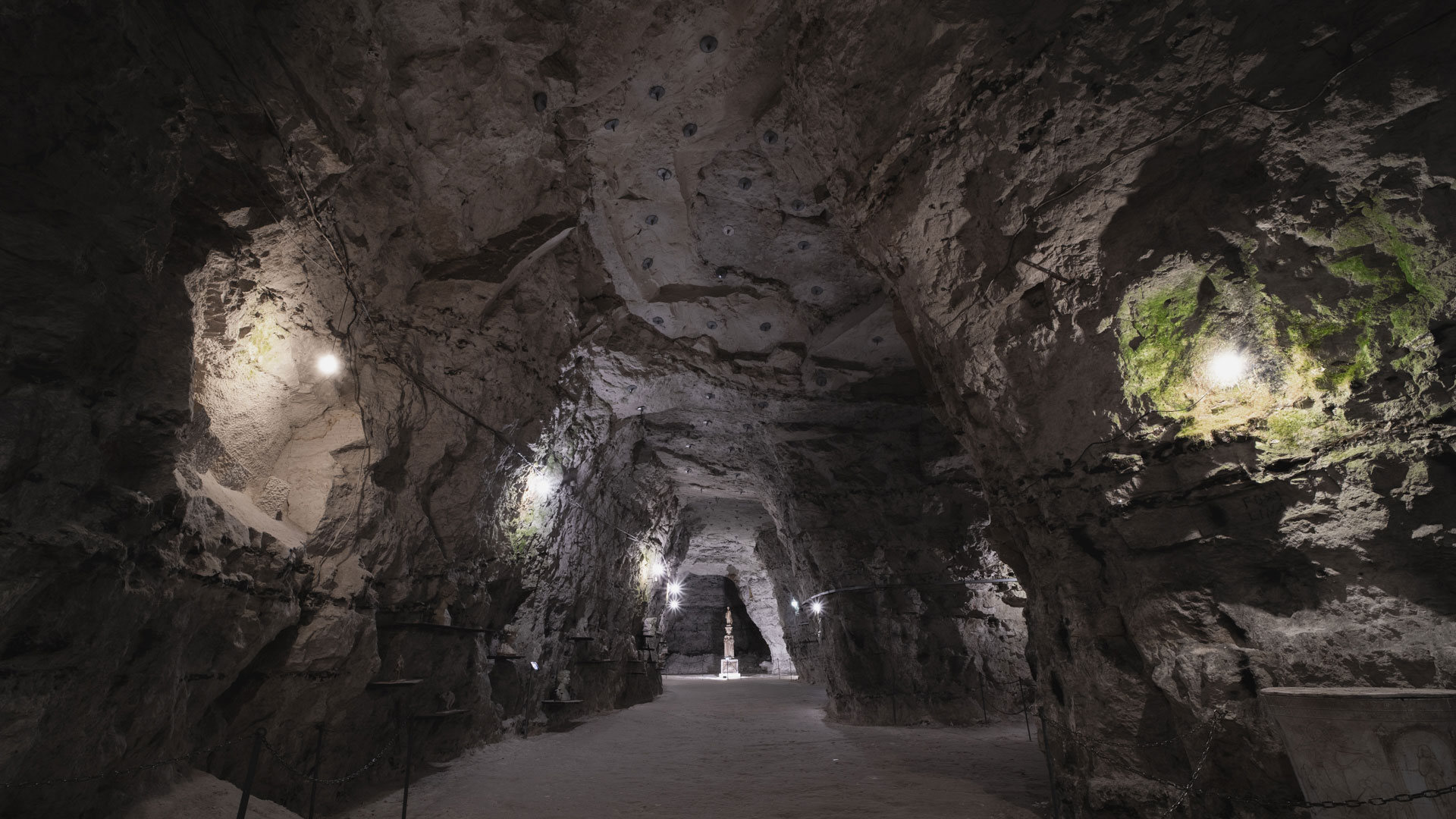
Even though a new visitor centre opened just outside the mine’s entrance in 2015, the many tunnels are still used to exhibit sculptures.

On the day of our visit, the Danish summer was at full effect, and the temperatures kept rising. However, after just walking a few meters into the mine’s entrance, you suddenly experienced a much more hospitable temperature. I managed fine with some shorts and a blouse, but it can get a bit chilly if you wander the tunnels for more than an hour.

Regan West

A new Cold War attraction is scheduled to open sometime during 2022. Reagan Vest is a colossal bunker designed as a command central for the Danish government and royal family in case of nuclear war between NATO and the Soviet Union. The facility was top secret until just a few years ago and is now being turned into a museum.

Day 2 – Manning the Westwall

Hanstholm Bunker Museum

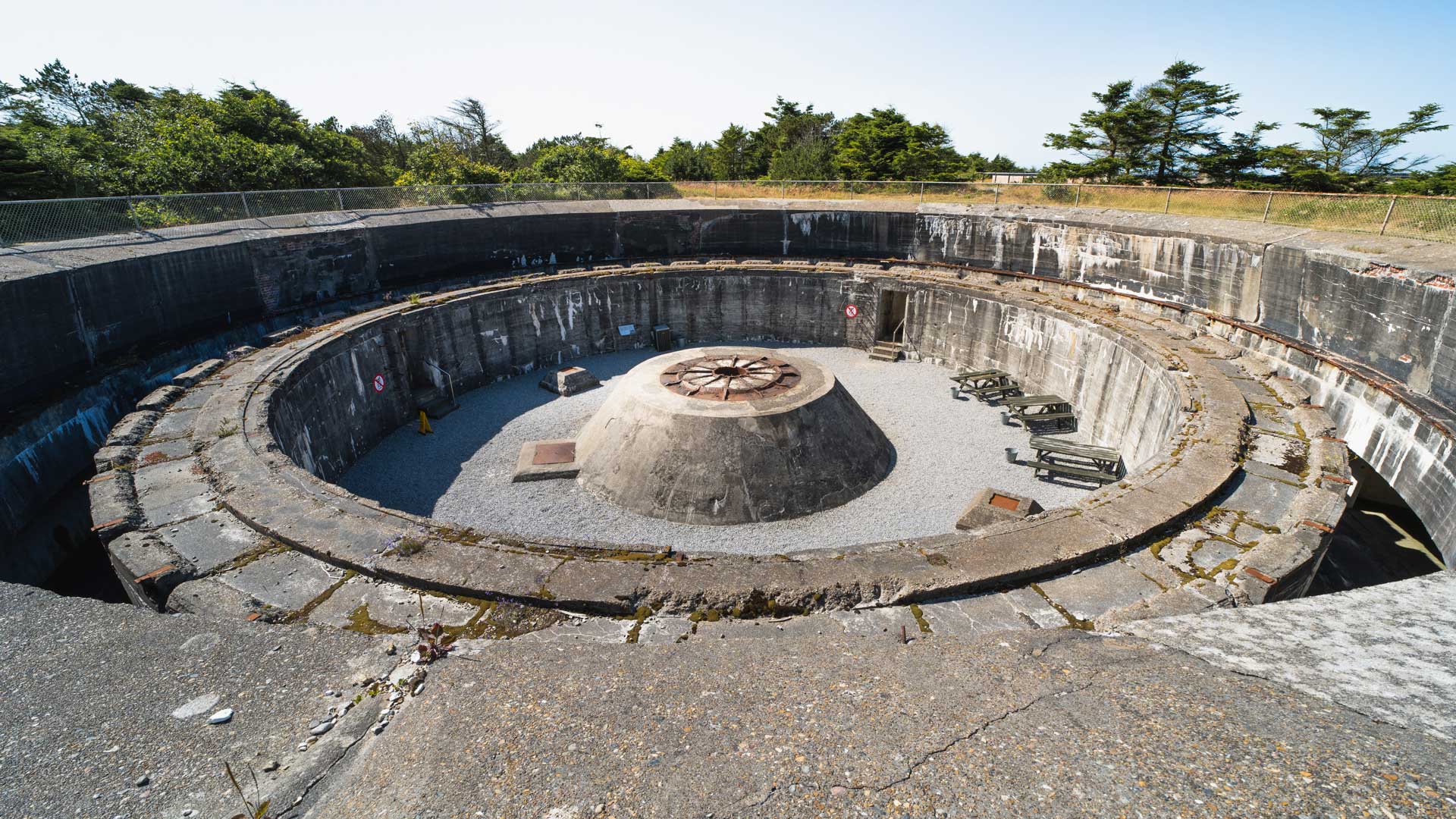
A perfect combination of historical attractions and abandoned places. That is the experience you get when visiting the bunkers along Jutland’s Western coastline. Around 2.000 bunkers have been build in Denmark during the war as part of Nazigermany’s Westwall. This massive Atlantic fortification line stretches from the Spanish border to the arctic in Northern Norway. Today they lie abandoned and reclaimed by nature along the coastline.

Some bunkers housed massive naval guns usually used on Germany’s biggest battleships during the 2nd World War. Four of these enormous coastal batteries are situated in Hanstholm and have been turned into a modern museum.

Hanstholm Bunkermuseum is build as part of the old fortification and displays a number of interesting objects from the 2nd World War – including uniforms, weapons, litterature and the story of the Westwall building program.

From the museum’s main exhibition room, you follow a long tunnel into a well-preserved German bunker. Here can visit the personnel quarters, the ammunition rooms and various other facilities. This serves as a great contrast if you visit the abandoned bunkers along the coastline later.
Hanstholm Madbar

After spending several hours in the bunker, we took lunch at Hanstholm Madbar, a few kilometres west of the museum. I can highly recommend the restaurant since the food was excellent and the staff was amiable. The restaurant is situated at the top of a hill and offers a great view of the harbour and surrounding countryside.

Stützpunkt Vigsö

After lunch, we headed to the beach and the bunkers of abandoned bunkers of Stützpunkt Vigsö just east of Hanstholm. Around 20 bunkers lie scattered close to one another along the coast. Some are almost lost in the ocean, but quite a few are still accessible on the beach. We managed to climb/crawl into several to get a bird’s eye view from the roofs of the bunkers.

I know there are several places along the coast where you can see bunkers, but the cluster of bunkers a Vigsø offers plenty of opportunities to explore and snap some photos for Instagram.

Bulbjerg

After a long day exploring bunkers, we headed home, but there was time for one more attraction before nightfall. We headed to one of Denmark’s most instagrammable spots – the limestone cliffs at Bulbjerg.

Bulbjerg is Jutland’s only cliff and rises 47 meters above the sea. The area is nicknamed The Shoulder of Jutland because it looks like the peninsular’s shoulder on a map.

At the top of the cliff, you’ll find another abandoned German bunker, but also one of the most incredible landscape vistas in Denmark.

From the top of the cliff, you can follow a narrow path down to the beach, where you can get a true feeling of the cliff’s size and the many seagulls nesting along its side.

Day 3 – Danish Design – It belongs in a museum in Aalborg

Kunsten

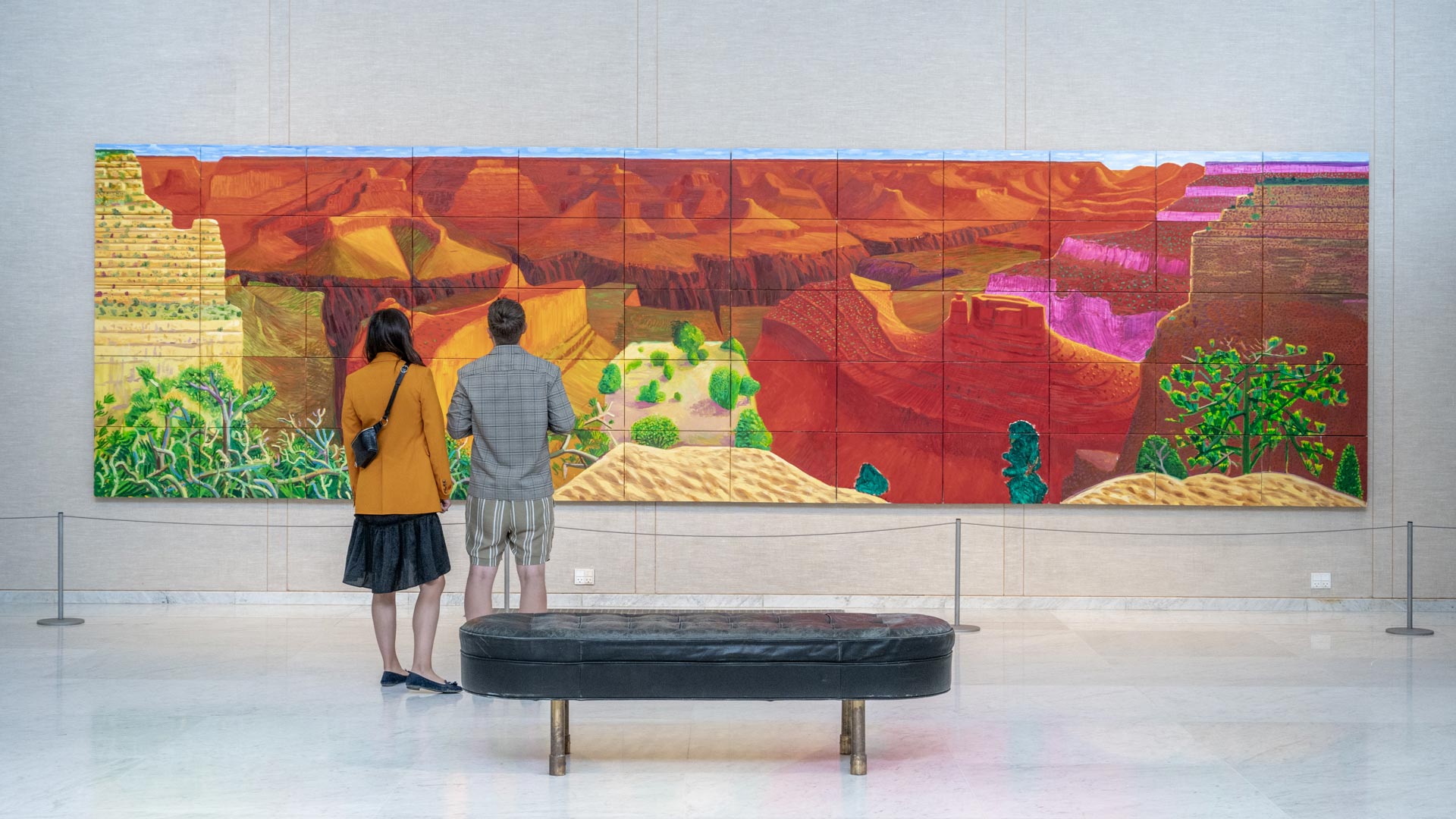
On our last day, we drove into Aalborg to visit the modern art museum Kunsten (Danish for “The Art”). I’m not exactly a connoisseur of contemporary art, but it has a fascinating temporary exhibit about American culture.

In the museum’s basement, we found an interesting exhibition about Danish furniture design. The collection was a true who’s who of great Danish furniture designers. As you moved through the displays, you also time-travelled from the 1960s through to the 1990s.

All of the attractions I have mentioned in this article are situated around Limfjorden (an inlet in Northern Jutland) within an hour’s drive from one another. I’m sure you can get around with public transport, but having a car just made it so much easier and allowed us to follow our own schedule. After three days packed with activities, we headed home, but there are plenty of attractions to visit for a second trip at some later date.

Rømø – Birds, landscapes and night sky

March 2021

Rømø – Birds, landscapes and night sky

We drove across Denmark in March to the Danish island of Rømø in hope of experiencing a black sun.

We took a short holiday in March to the small Danish island of Rømø. The island is situated near the German border on the Jutland peninsular. The island has around 600 inhabitants, but plenty of holiday homes, so I suspect it can get quite busy during the summer season. We rented a holiday day house through Feriepartner Rømø near a small bird sanctuary on the Southern tip of the island.

The area is part of The Wadden Sea National Park with plenty of wildlife. We were hoping to see what in Danish is called “Sort Sol” (English: Black Sun). It is a term for migrating birds gathering in huge swarms to scare away birds of prey. Luckily we experienced it several times and we even encountered a few rare birds (for Denmark). We would like to return to this area another time, but preferably in August or September. At that time the weather should be a bit better and that should be the perfect time to see the birds migrate South for the winter.

6 days on the Faroe Islands

6 days on The Faroe Islands

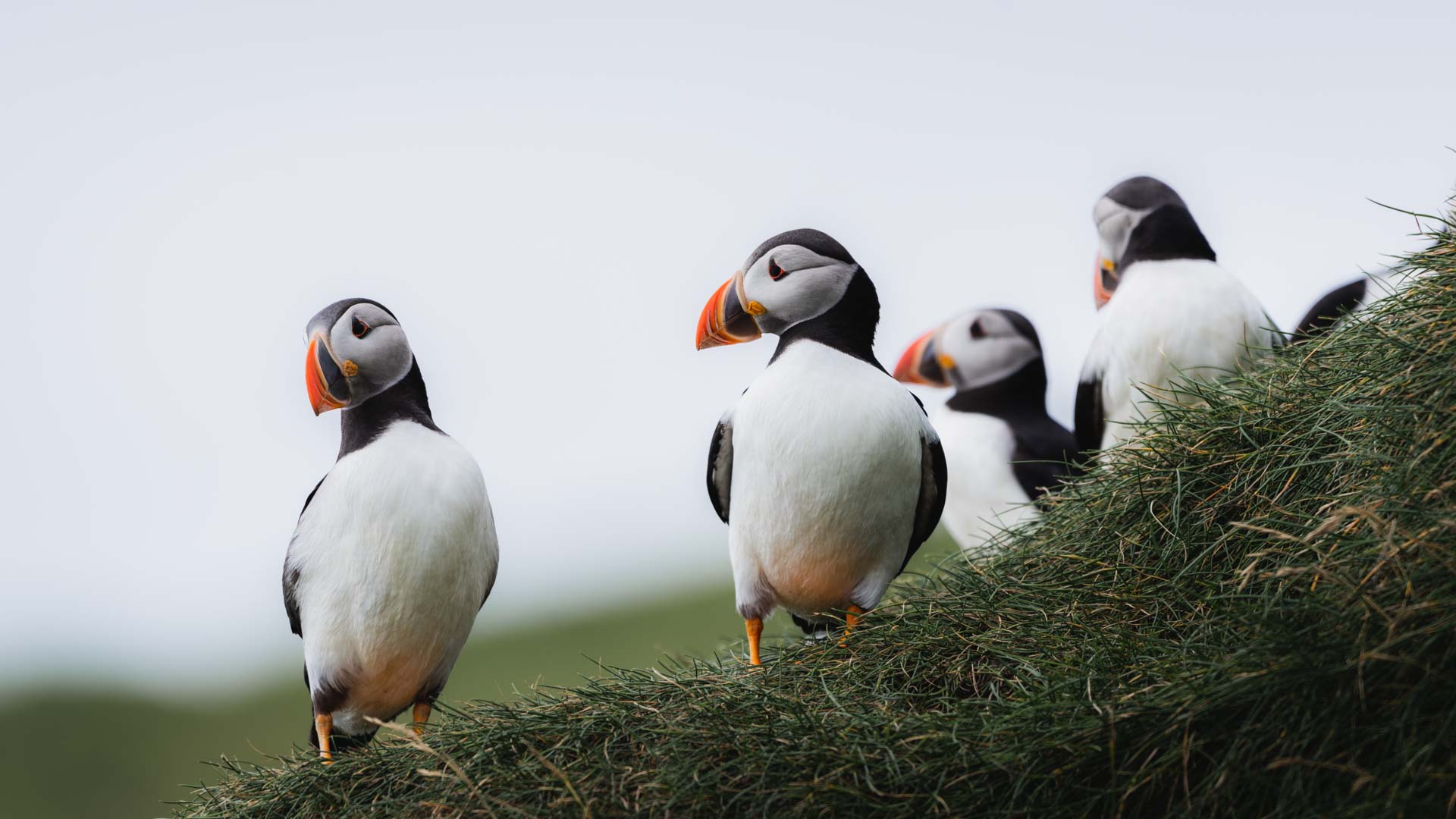
The COVID-19 travel restrictions limited travel options this summer, but for Danes, both Iceland and the Faroe Islands were possible destinations. I’ve been following several Instagram and YouTube photographers who have captured stunning images of both places. However, I was particularly keen on photographing the puffins on Mykines with my 600mm Sigma lens. Hence, we opted to visit the Faroe Islands this year.

We arranged the entire trip through Færøernerejser, which meant we didn’t need to worry about hotels, routes, car rentals, or anything else—just the experiences and places we wanted to see.

One of the initial realizations when you begin marking attractions on a map of the Faroe Islands is their relative smallness. Typically, it takes around an hour to travel between your accommodation and the attractions. However, hiking from the car park often consumes most of the day.

In this blog post, I’ve outlined our itinerary for the trip and showcased my favorite photos from each day.

Day 1 – Vagár

We took a SAS flight from Copenhagen to Vagár airport on the Faroe Islands where we picked up our rented car from 62°N Car Rental. Luckily we got a free upgrade to a Renault Captur. This turned out to be the perfect car for our needs with plenty of room and comfy seeding. Our travel agency arranged for a single night at Hotel Vagar just a few hundred meters from the airport. This place is a self-service check-in with an excellent breakfast and is a great base for trips to Mykines and the rest of Vagár island.

Fiskastykkið restaurant

After our flight and check-in, we were rather hungry and used Google Maps to find a good restaurant near our hotel. Oddly enough we couldn’t find that many that was open on a Sunday. Luckily, we found one place in the nearby town of Sandavágur and it turned out to be one of the best places we dined during the whole trip! The place is named Fiskastykkið and is situated near the southern end of the town. Sadly we didn’t get any photos of the food, but I can highly recommend their fishbowl dish.

After eating lunch my wife dropped me off on the way back to the hotel, so I could hike out to the Trælanípan cliff on Vágar island. There is a parking spot at the start of the hiking trail, but you have to pay a fee of around 450 Danish kroner (around 60€) to walk the trail. It might sound a bit steep, but the experience is well worth the price.

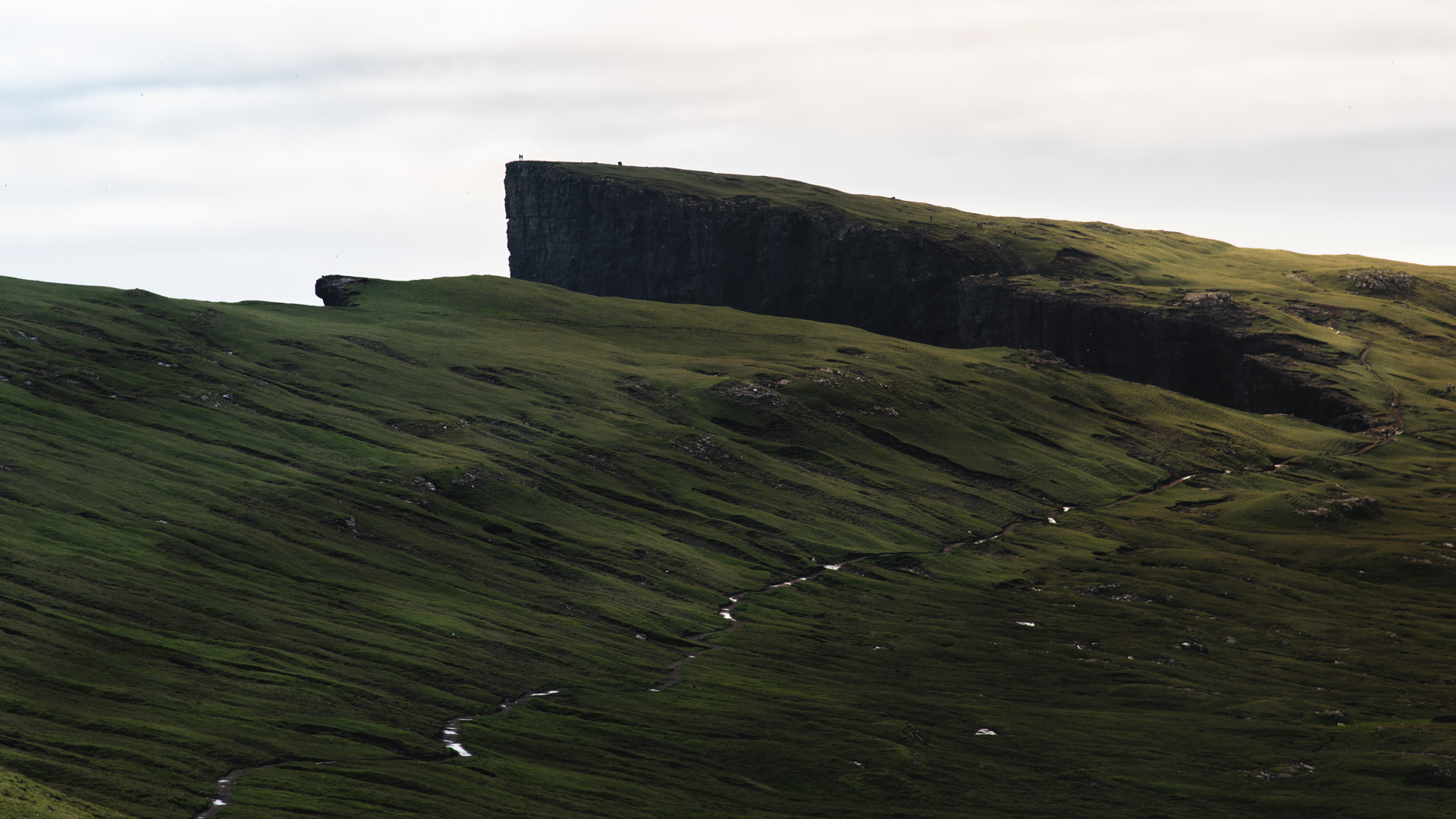
The hiking path to Trælanípan. Notice the people at the top of the cliff.

The walk to Trælanípan is about 4km and takes about an hour. The path is well maintained, but I wouldn’t recommend with a baby carriage or wheelchair. There are no shops or vending machines on the hike (only at the parking lot at the beginning), so remember to take a bottle of water with you. The path is up and down some hills and valleys.

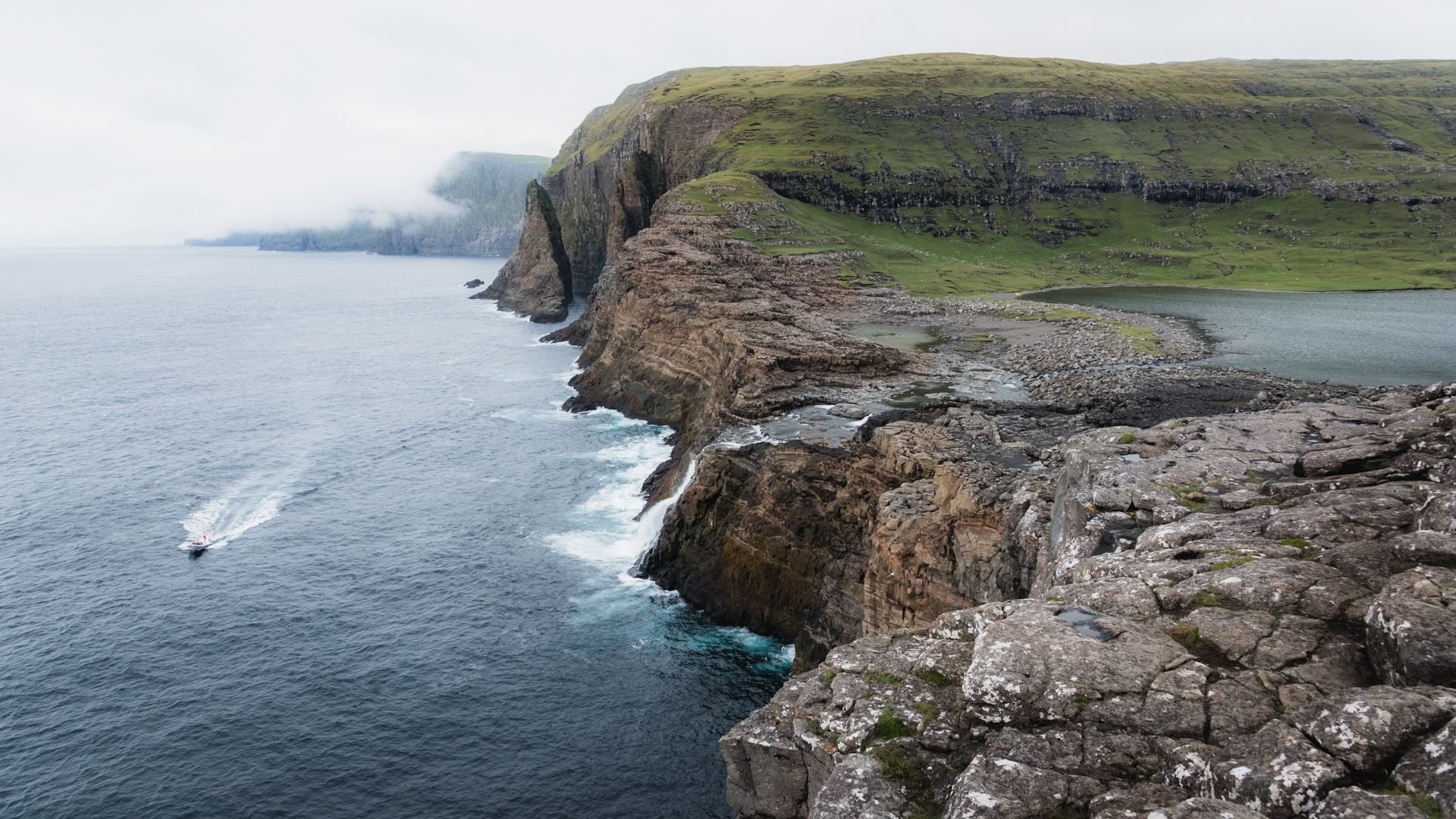
Once you get to the end, you can walk out on the cliff and look back down the coastal cliffs and see the Trælanípan cliff in all its glory. Seagulls swoop down from the cliff and above the waves breaking on the rock. It it quite a sight, but remember not to get to close to the edge!

Trælanípan with some people waaay to close the edge of the cliff.

if you have the time before heading back you should also go to the Southern edge of the cliff and see the Bøsdalafossur waterfall.

Bøsdalafossur waterfall.

Day 2 – Mykines

This island is home to several thousand puffins. I’ve seen amazing photos and videos of this place on Facebook, Instagram and YouTube through the years and finally, I got to see it myself.

We took the ferry from Sørvágur to Mykines as early as we could to have a full day on the island. The ferry takes about 30-40 minutes, and on the route, we got to see some of the Faroe Islands’ amazing coastal landscape. I highly recommend staying on the open deck of the ferry if the weather isn’t too cold.

View of the coast from the ferry.

It is possible to see puffins right around the harbour at Mykines, but if you hike to the top of the island, and follow the path towards the light, you will get to see the puffins up close.

Remember to bring cash or a VISA card to pay the hiking fee. I couldn’t figure out where to pay in town, so in the end, I started hiking up the cliff. At the very top, some lady ran after because I passed her by without paying the hiking free. Apparently, you pay that at the very top of the cliff. The fee is about 250 Danish kroner (33€). If you don’t want to pay or can’t walk the route, then you can also sit an enjoy the puffins near the harbour. You can even get quite close and get a good view with some binoculars.

This shot is taken at the harbour on Mykines.

I brought my 150-600mm Sigma lens, but at some of the places, the puffins were so close to the hiking path that I didn’t really need a zoom lens.

There is a small café on the island where you can get a cup of coffee and a piece of cake, but I highly recommend bringing water, good hiking shoes and a snack.

Mykines is a definite must-see while visiting the Faroe Islands. Just remember that that island closes for tourists in September and I highly recommend booking the ferry in advance!

Day 3 – Gjogv, Funningur and Fossá

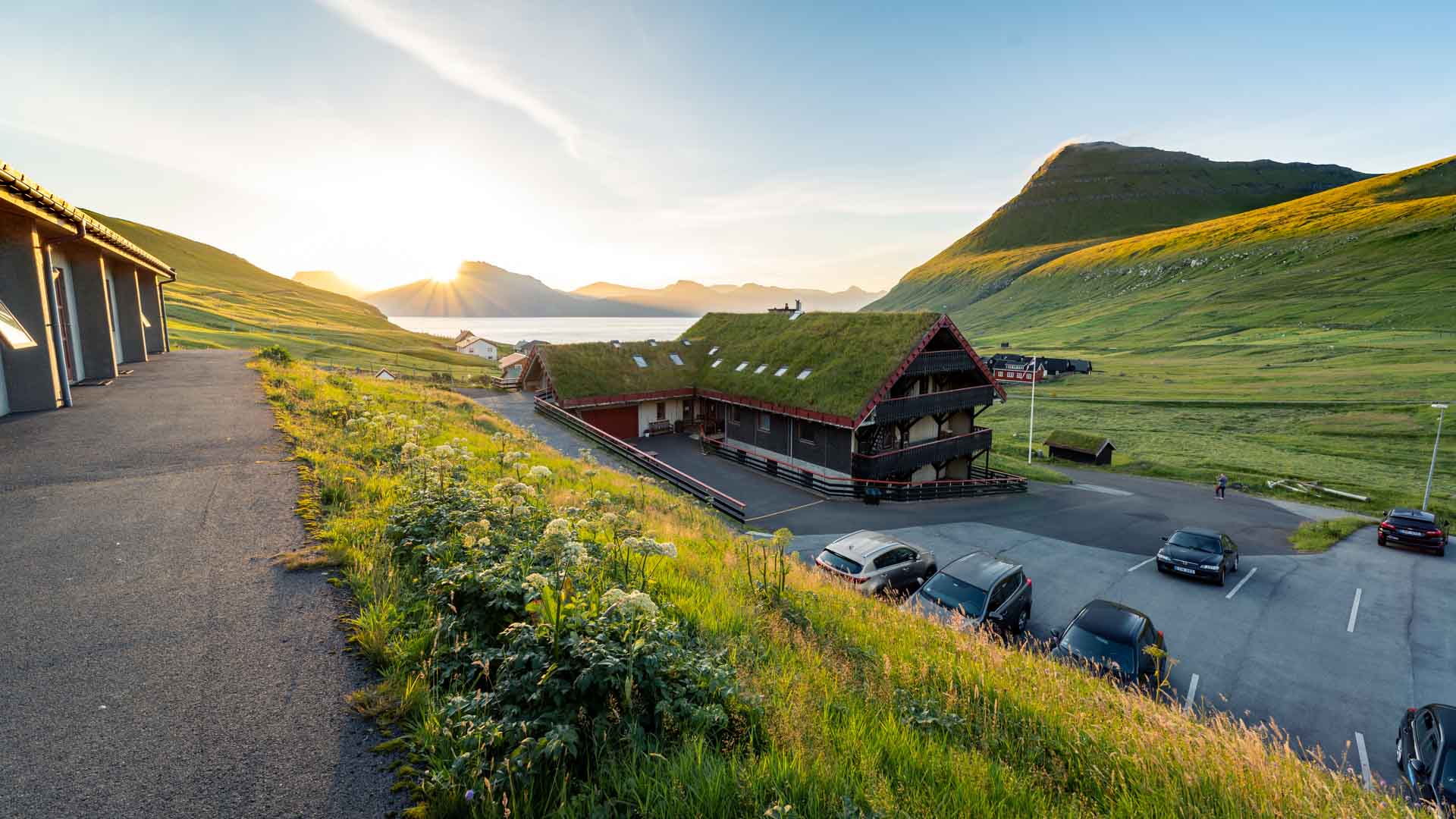
On our third day on the Faroe Islands, we headed for the small village of Gjogv, where we booked into the picturesque Gjaargardur Guesthouse. The guesthouse offers breakfast and very good dinner – though the prices are a bit high. Gjogv is easy to get to by road and nearby you find a hiking route that offers an overview of the nearby town of Funningur.

Gjaargardur Guesthouse

The hiking trail is a bit hard to find (there really isn’t a visible trail), but if you drive from Gjogv to Funningur, you will encounter a small roadside parking spot near some fences. This is where you need to park the car and pass over the fence using the stairs.

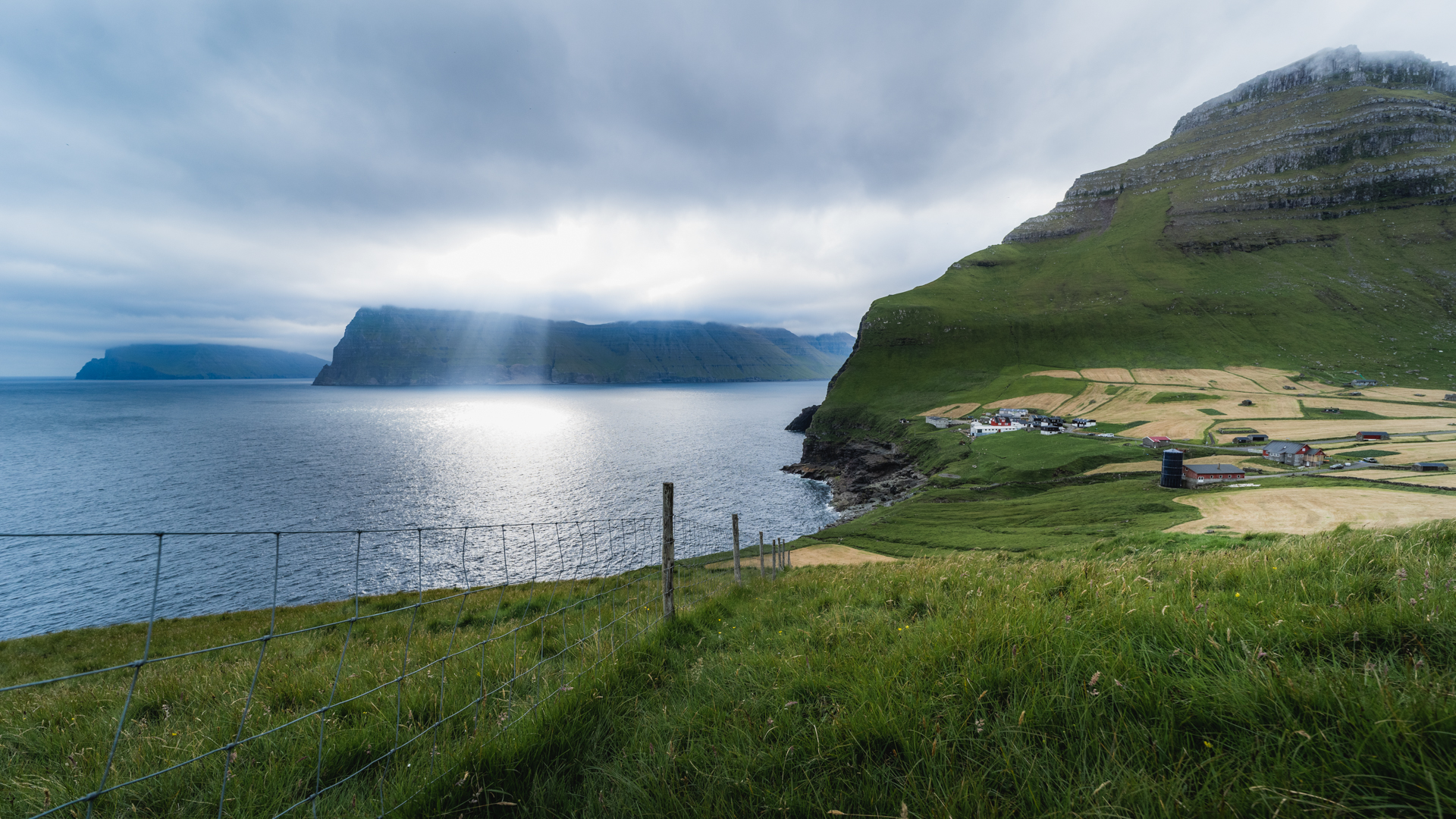
If you walk across the fields with the mountain to your left, then eventually you will encounter a cliffside with a gorgeous view of Funningur.

Day 4 – Kalsoy and Kallur Lighthouse

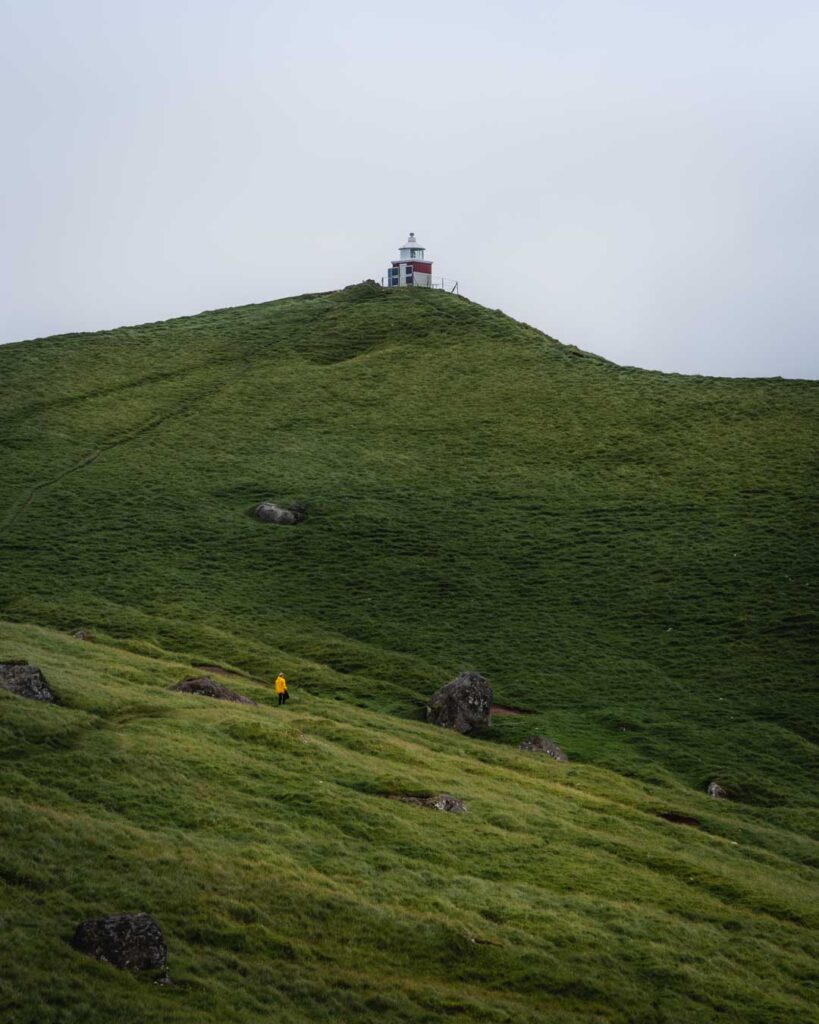
We took an overnight stay at the town of Klaksvig on one of the Eastern islands. It seemed like a medium sized town with a heavy fishing industry. It wouldn’t recommend staying here for several days, but it is a perfect starting point for a trip to Kalsoy island and the well-photographed Kallur Lighthouse.

The island is not accessible by road, so you have to take the old car-ferry from Klaksvig. The ferry takes about 30 minutes or so before it docks at the Southern tip of Kalsoy island at the small town Syðradalur.

View of Trøllanes town from the first part of the hiking route.

After driving off the ferry you head North to the town of Trøllanes where you can park your car. When I visited in late August most of the town was closed. I recommend bringing water/cokes and some snacks/food. There are also some public restrooms available right before you start your hike to the lighthouse.

Kallur Lighthouse

Sadly, the wind was blowing quite heavily on the day I was there. The weather was also very grey with clouds, which prevented me from getting those great shots of the lighthouse that you can see on Instagram. However, I did manage to snap some photos that I was quite happy with. However, this is a place I would like to revisit on a day with more sun and clear skies.

Day 5 – Tórshavn

The forecast for our fifth day on the island promised rain – and a lot of it – so we drove to Tórshavn to do some shopping and visit a museum or two.

Tórshavn seems like a lovely city, but the grey weather and rain showers gave the urban environment a dull appearance compared to the amazing natural vistas we had seen the previous days.

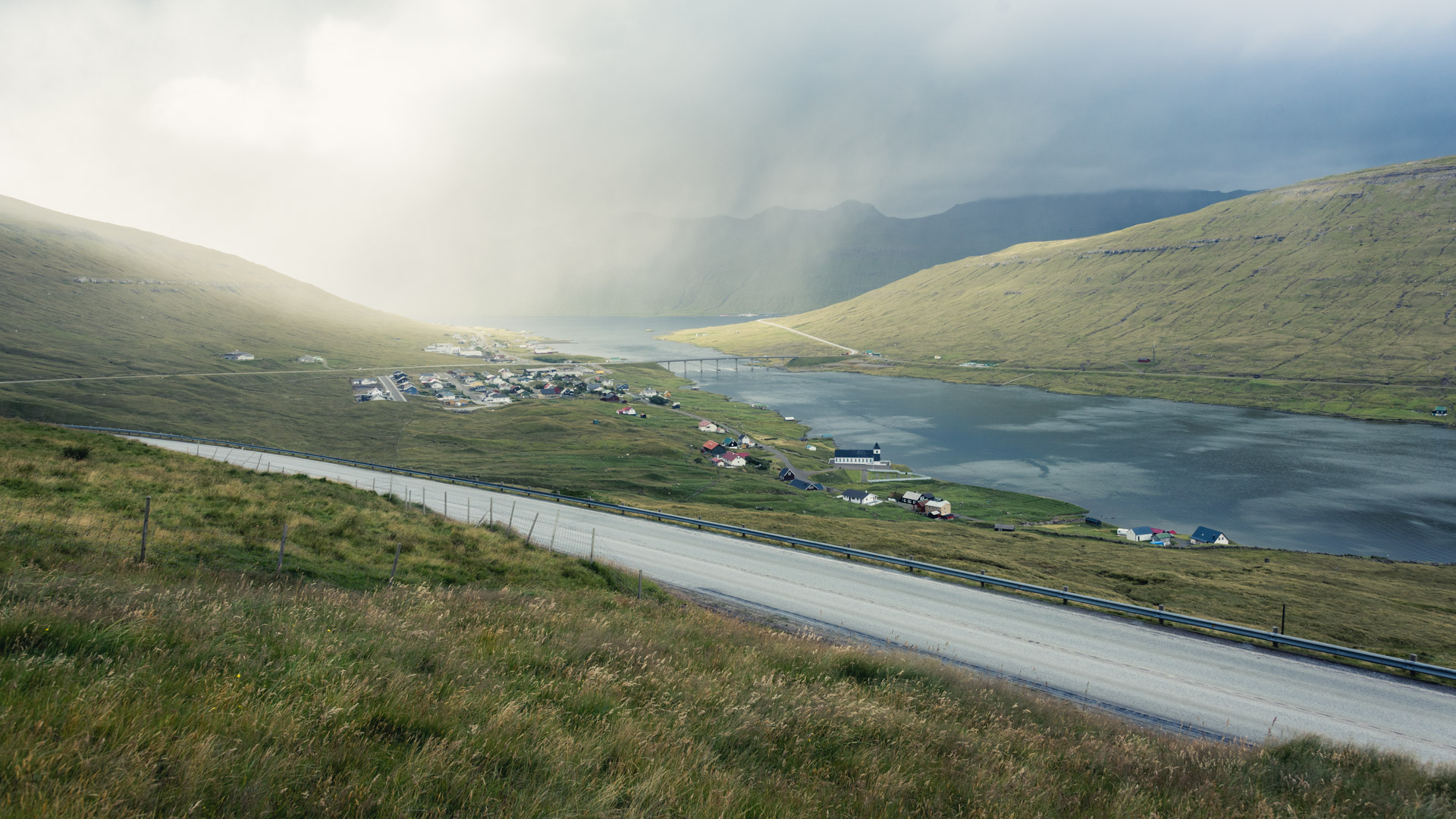
Streymin Bridge during a heavy rain shower

After a bit of shopping we headed for the National Museum, but on the way we were hit by a heavy rainshower that left us soaked to the skin. We decided to head back to the hotel and just relax a bit before going home the next day.

Day 6 – Going home again

On our last day on the Faroe Islands, we headed back to the airport and dropped off our rental car.

Vagár Airport is rather small and everything was closed while we waited for our plane to arrive. However, it gave me time to edit a few photos and look at some brochures with inspiration for our next visit to the Faroe Islands – because this is a place I need to re-visit and experience again!

A visit to Moesgaard Museum, Aarhus

A Journey Through Time at Moesgaard Museum

During the COVID-19 pandemic, with borders closed and international travel off the table, I seized the opportunity to revisit one of my favorite museums in Denmark: Moesgaard Museum in Aarhus.

Since its stunning new building opened in 2014, Moesgaard has set a high standard in both architecture and exhibitions, rivaling any museum I have visited worldwide. As you enter, a grand staircase leads you down to the permanent exhibition, where lifelike models of our ancient ancestors await, immersing you in a journey through history.

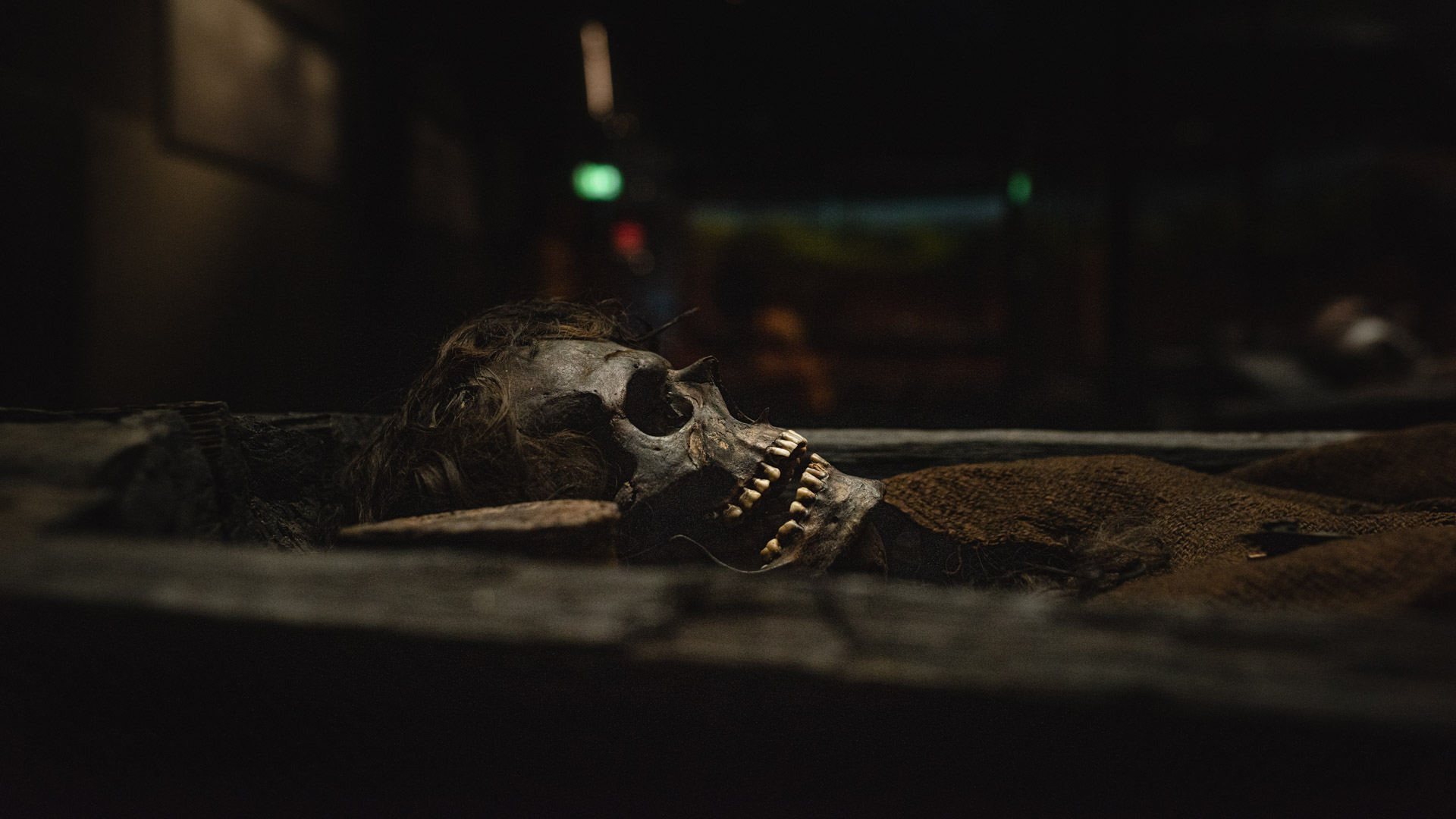
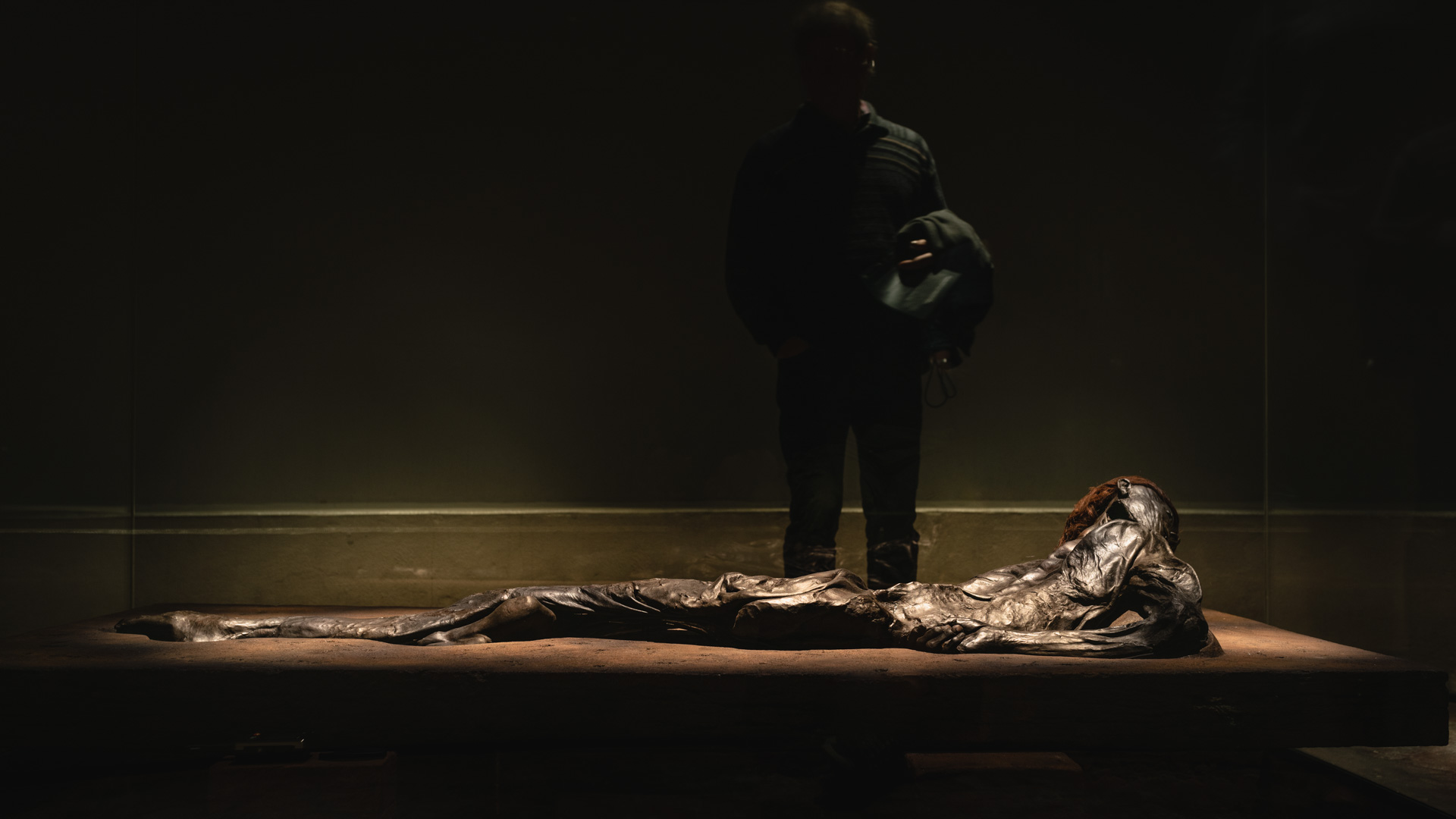
The permanent exhibit focuses on Denmark’s Bronze and Iron Ages, utilizing a blend of text and audio-visual narration. The dim lighting creates a haunting atmosphere that enhances the experience without becoming uncomfortable, perfectly complementing the artifacts on display.

Grauballemanden

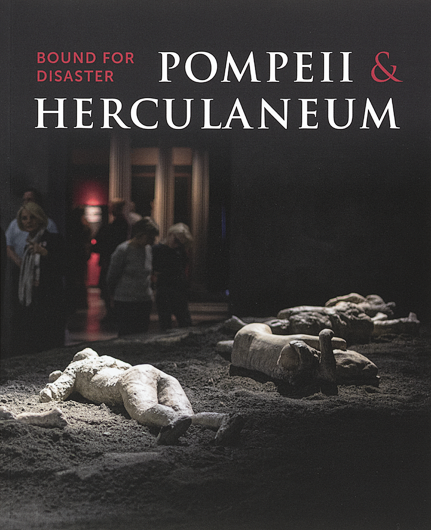
Bound for disaster - Pompeii and Herculaneum

A temporary exhibition at Moesgaard

During my visit, I was fortunate to explore the temporary exhibition, ‘Bound for Disaster,’ which features artifacts from the ancient Roman towns of Pompeii and Herculaneum. Both cities were tragically buried under volcanic ash during the eruption of Mount Vesuvius in AD 79.

The subdued lighting in the exhibition can pose challenges for photography, but it also deepens the somber mood, echoing the tragic events it recounts. Visitors are welcomed by a ship’s ram at the entrance, belonging to a Roman galley that sank in the disaster. Remarkably, a piece of wood still clings to it, a poignant reminder of the past.

As I moved through the exhibit, I learned about the daily lives of the ancient Romans— their homes, workshops, and society. The journey culminates in a dark room, where a starry ceiling contrasts starkly with the somber topic. Here, you find the molds of the victims entombed in ash, their bodies decayed over time, leaving voids that archaeologists have filled with plaster, creating haunting casts of their final moments.

Moesgaard Museum not only offers an engaging introduction to ancient Denmark through its compelling audio-visual experiences but also showcases world-class temporary exhibitions. If you find yourself near Aarhus in Jutland, a visit to Moesgaard is an absolute must!

A Visit to Frigatten Jylland – Denmark’s Historic Naval Gem

A Visit to Frigatten Jylland – Denmark’s Historic Naval Gem

July 2020

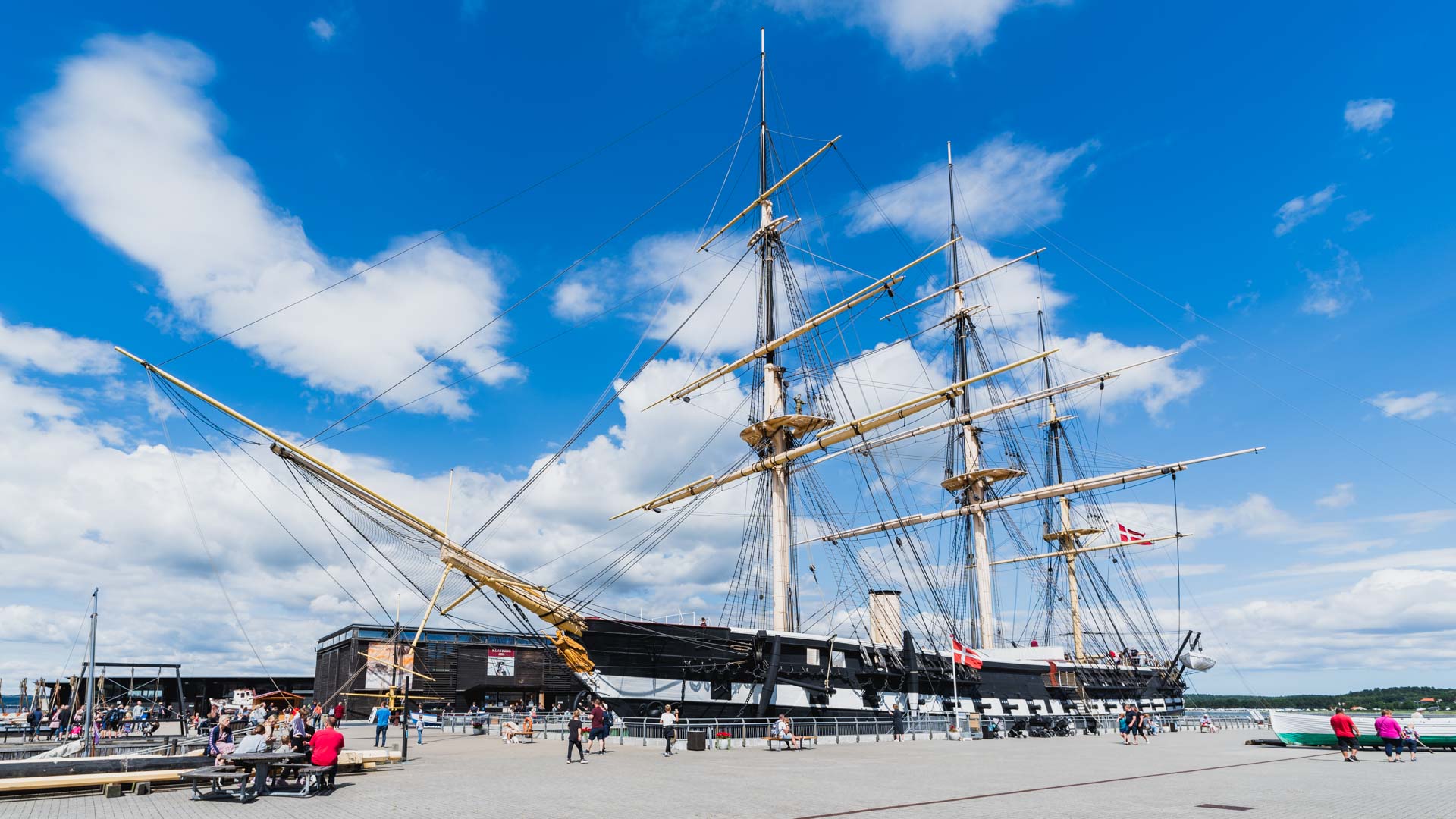
With international travel still limited by restrictions in July 2020, we decided to explore closer to home and headed to Aarhus, Denmark’s second-largest city, on the Jutland peninsula. While Aarhus offers plenty to see, my real destination was a short drive away – a historic ship I’d long wanted to visit: the legendary frigate Jylland.

As someone who’s always been fascinated by old ships, I’ve visited several famous naval vessels over the years, including HMS Victory in Portsmouth, HMS Belfast in London, and USS Constitution in Boston. But the Danish frigate Jylland, renowned for its role in the Battle of Helgoland in 1864, had been on my bucket list for years.

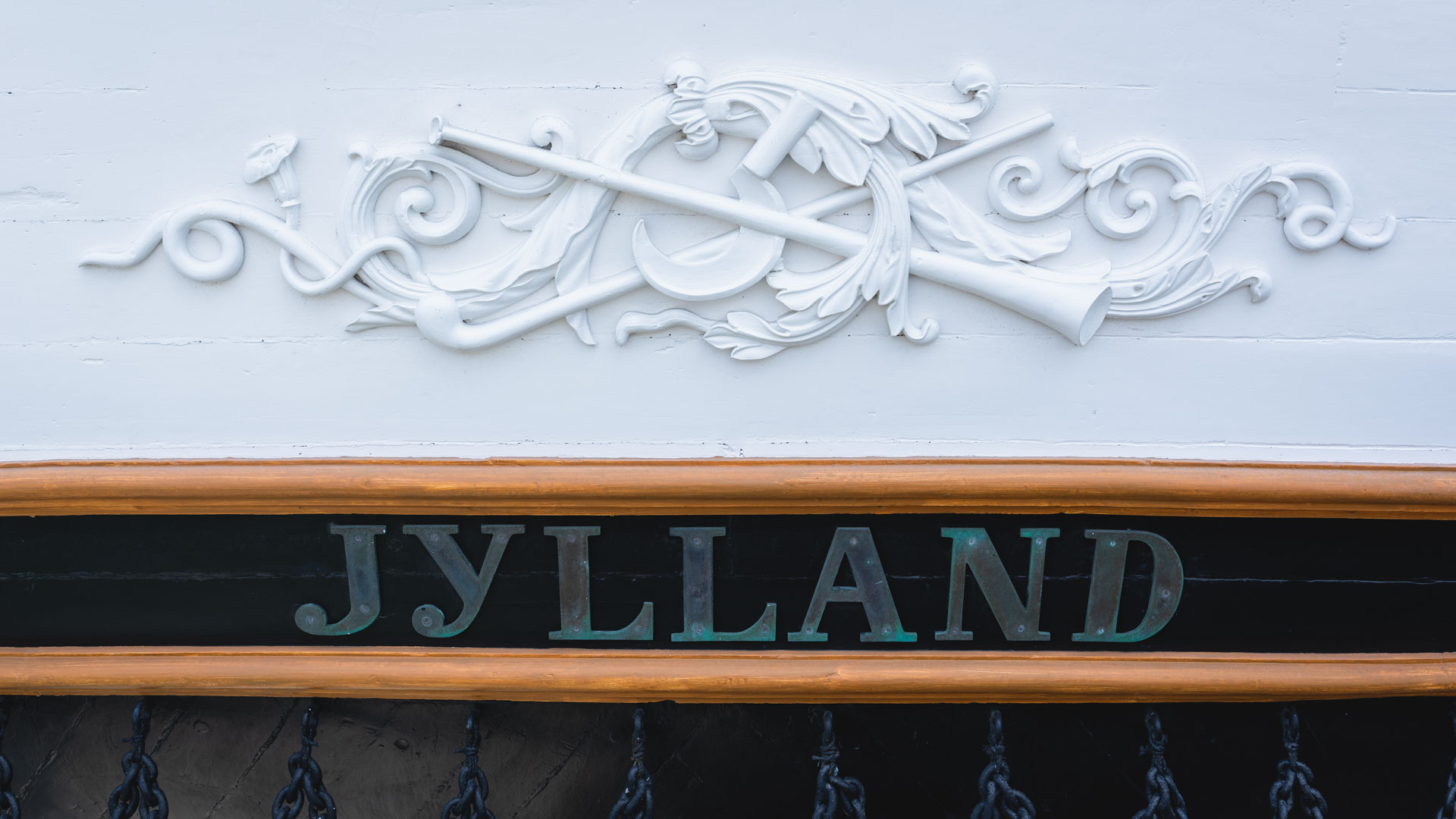
Launched in 1860, Jylland is a remarkable ship with a storied history that showcases both the challenges of war and the resilience of maritime heritage. Built for the Royal Danish Navy, it played a significant role in the Second Schleswig War, particularly during the Battle of Helgoland, where it achieved notable naval victories despite Denmark’s overall defeat.

However, the frigate faced a perilous future, coming close to destruction in the late 19th century when it was deemed obsolete and nearly scrapped. Thanks to the dedication of preservationists, Jylland was saved from this fate and is now transformed into an open-air museum. Here visitors are invited to explore the ship’s rich legacy and 19th-century naval architecture. It is an important piece of Danish naval history and deserves a visit.

Exploring the Museum at Frigatten Jylland

Our visit began with a stop at the gift shop to purchase tickets. Before stepping aboard, we passed through a small exhibit that told the story of Jylland’s dramatic past – from its construction to its near-dismantling. The exhibit also highlighted the extensive conservation efforts that have preserved this maritime treasure. There’s even a treasure chest where visitors can contribute to its ongoing preservation.

Once outside, you’re greeted by the sight of Jylland resting in a vast drydock. The ship’s grandeur is immediately striking, much like the preserved vessels HMS Victory and the clipper Cutty Sark in England. Walking around the drydock gives you a full appreciation of the ship’s scale and craftsmanship, especially as you descend to view the immense screw propeller and copper-clad hull. Standing beneath the ship, looking up at its vast curved belly, really puts its size into perspective.

The tour starts in the ship’s lowest levels, accessed via a small hatch leading directly into the cargo hold. Natural light filters in from the deck above as you climb through the ship, navigating narrow stairways that take you upwards through different levels.

One of the highlights is the gun deck, lined with rows of imposing cannons. Although Jylland only has a single gun deck compared to HMS Victory’s three, it’s easy to imagine the powerful broadside it could unleash during its naval battles against Prussian and Austrian ships at Helgoland.

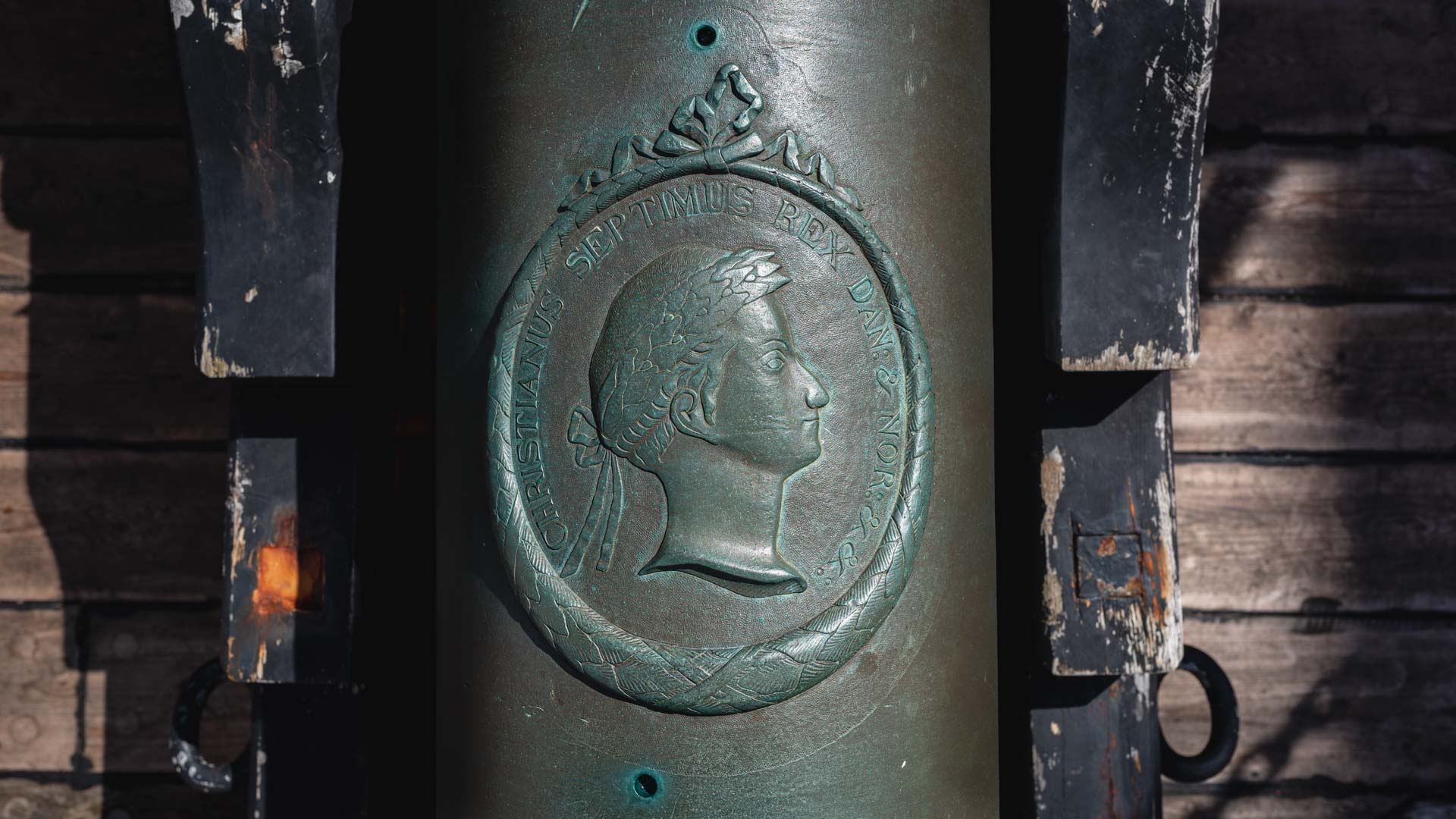
Some of the cannons, despite their brutish design, are intricately adorned with gilded coats of arms and manufacturer’s marks, hinting at the artistry behind their construction.

As a naval history enthusiast, I relish the chance to explore any old warship, and it was particularly rewarding to visit a vessel so deeply connected to Denmark’s own maritime past. Though Denmark lost the war of 1864, the Jylland’s victory at sea stands as a proud reminder of the country’s naval tradition. This ship is the last of its kind, a final relic of an era when wooden-hulled warships ruled the seas.

How to get there

Though Ebeltoft is about an hour outside Aarhus, it’s easy to reach by car or public transport. If you’re relying on public transportation, Bus 123 from central Aarhus takes you directly to the heart of Ebeltoft, and the frigate is just a short walk from the bus stop. Whether you’re a history buff or simply curious about Denmark’s naval heritage, Frigatten Jylland is well worth the trip.

Exploring Christiansø: A 17th Century Naval Fortress

Exploring Christiansø: A 17th Century Naval Fortress

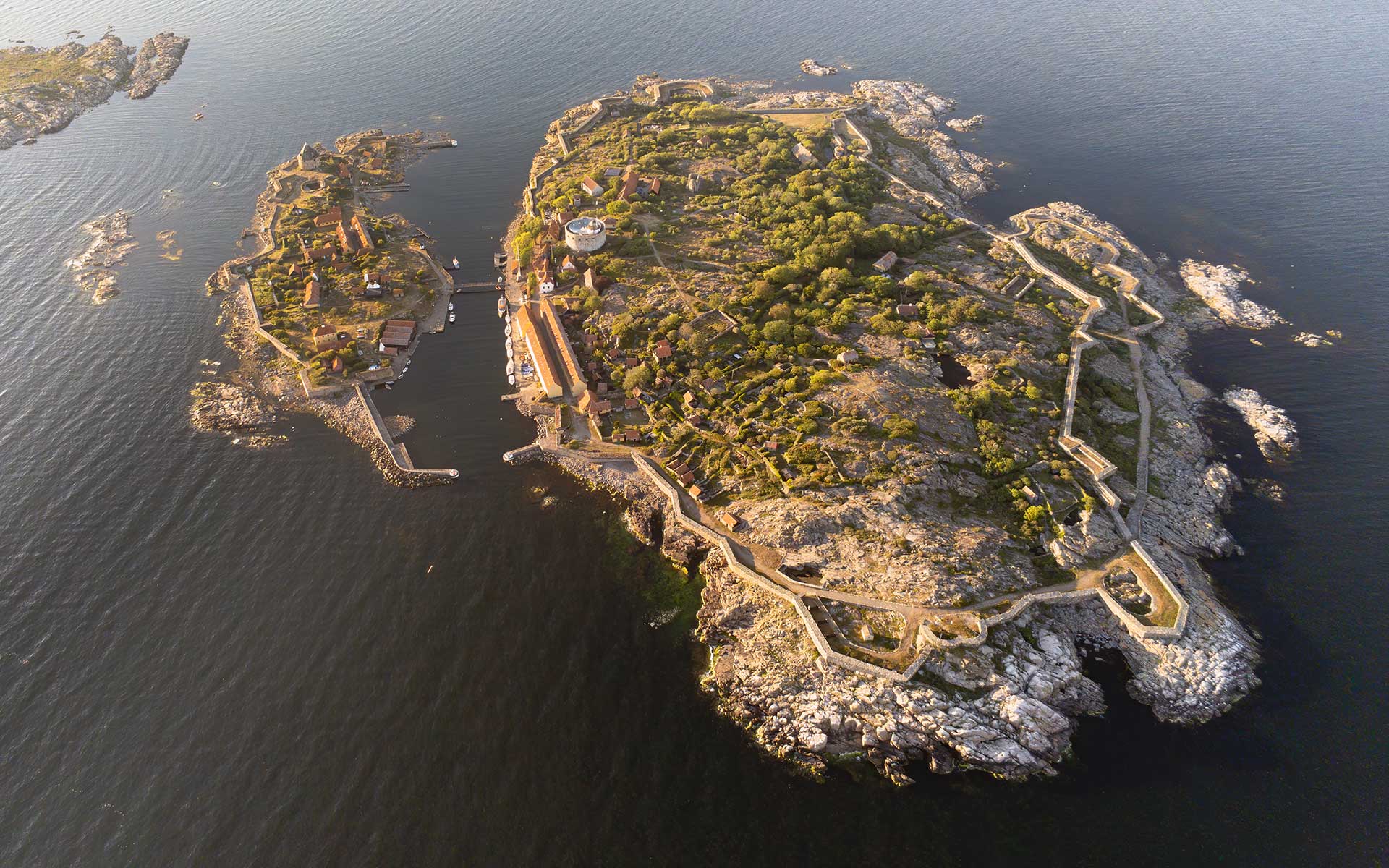
In June 2020, I had the pleasure of joining my colleagues for a two-day work outing to the Ertholmene archipelago. You may not be familiar with Ertholmene or its two main islands, Christiansø and Frederiksø, as they often fade into the shadow of their larger neighbor, Bornholm. However, a local ferry operates almost daily from Gudhjem on Bornholm to Christiansø, and I assure you, it’s well worth the trip!

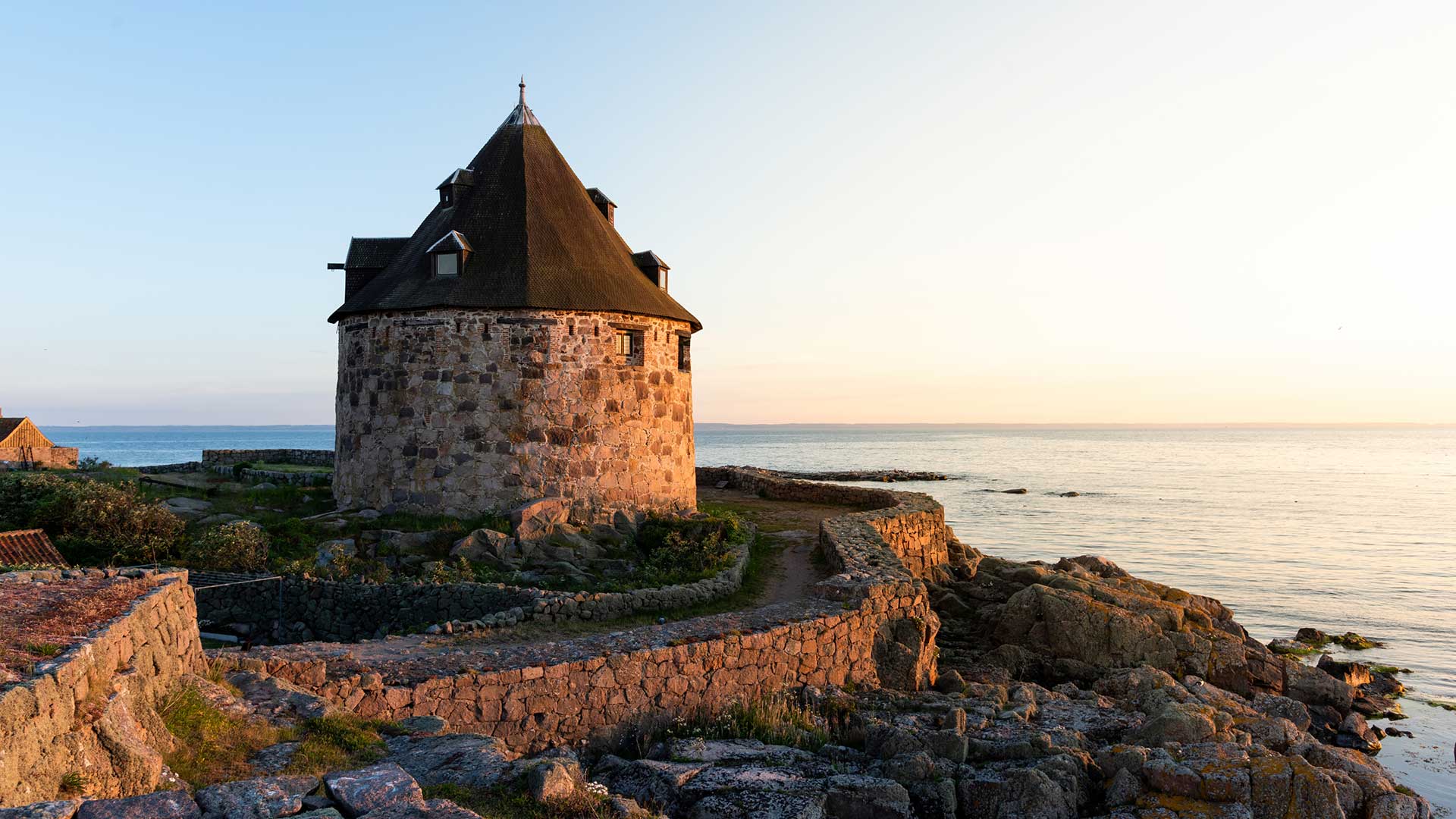
The Ertholmene archipelago, often simply referred to as Christiansø, is not only a picturesque cluster of islands but also a historic naval fortress dating back to the 17th century. The archipelago has a rich history; it was established as a military outpost in 1684 to protect Denmark from naval threats and has served various roles over the centuries, including a bird sanctuary. The unique ecosystem supports numerous bird species, making it a haven for nature enthusiasts.

In recent years, local administration—operating under the Danish Ministry of Defence—has worked diligently to transform Christiansø into a tourist-friendly destination. While it is possible to spend the night on the island, most visitors typically enjoy a few hours before returning to Bornholm.

On my previous visit to Christiansø, I only had a few fleeting hours to explore. Therefore, this time I was excited to stay overnight, allowing me to capture both the sunset and sunrise—though it meant sacrificing quite a bit of sleep! Fueled by a Monster energy drink, I managed to photograph both, joined by some colleagues eager to document the stunning scenery with their cameras.

To top it off, the local administration granted special permission for drone flights over the island. Concerned about disturbing the birds, I opted to fly a bit higher than usual, which rewarded me with breathtaking aerial views of the area.

If you find yourself on Bornholm, I wholeheartedly recommend taking the ferry from Gudhjem to Christiansø. It’s the perfect day trip, offering fantastic photo opportunities and a chance to immerse yourself in the island’s tranquil atmosphere.

Read more about Christiansø here.