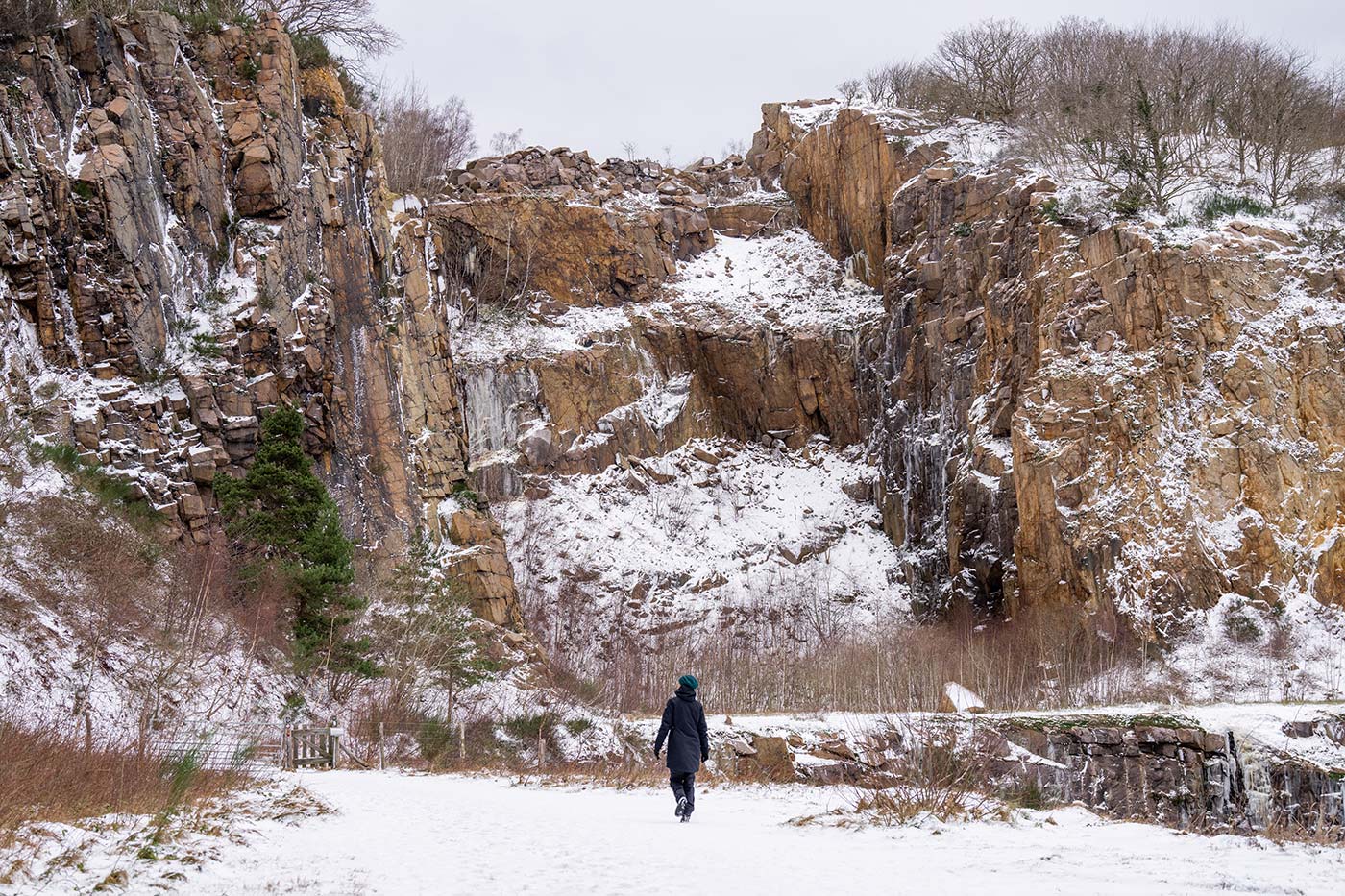
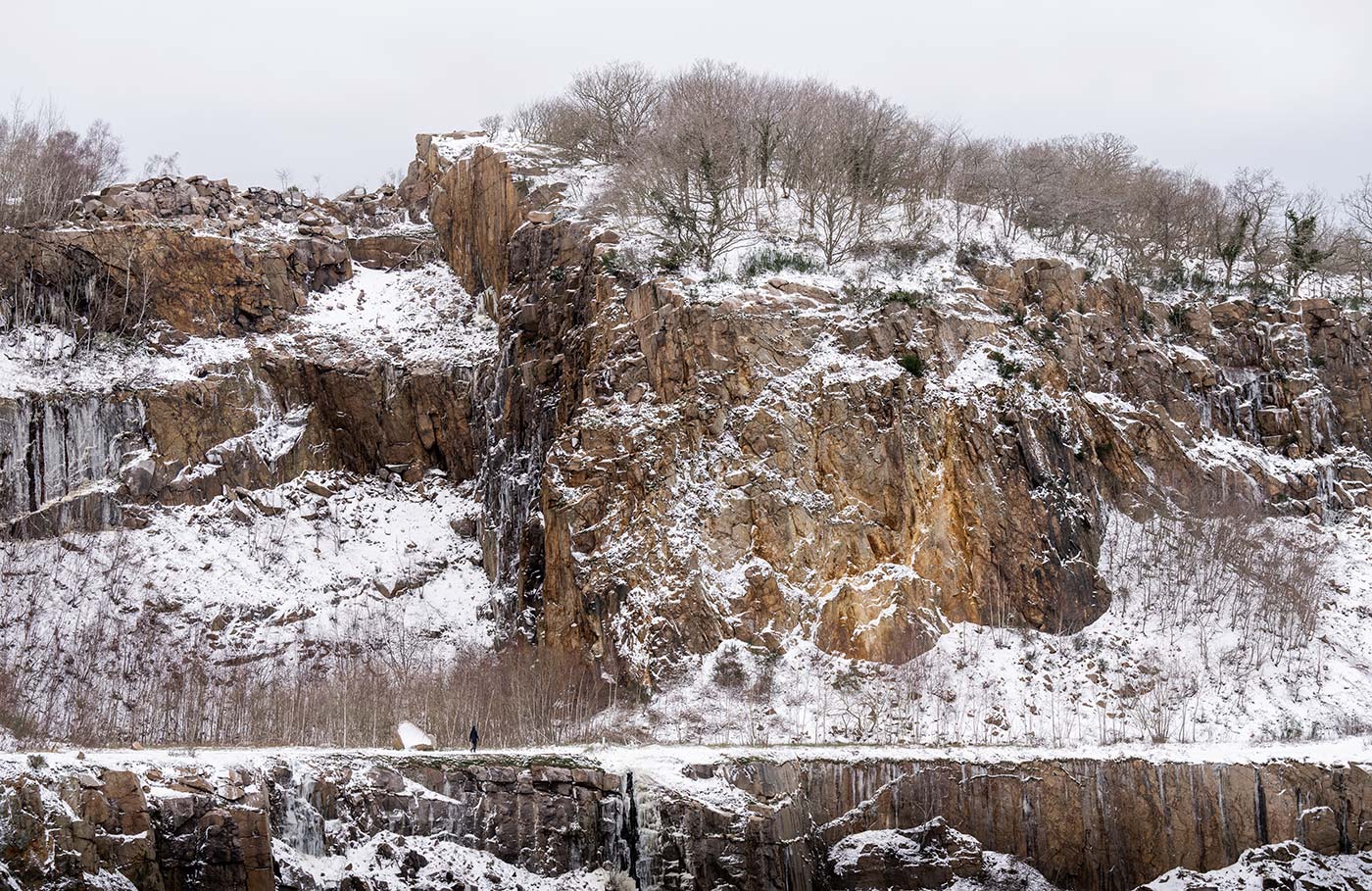
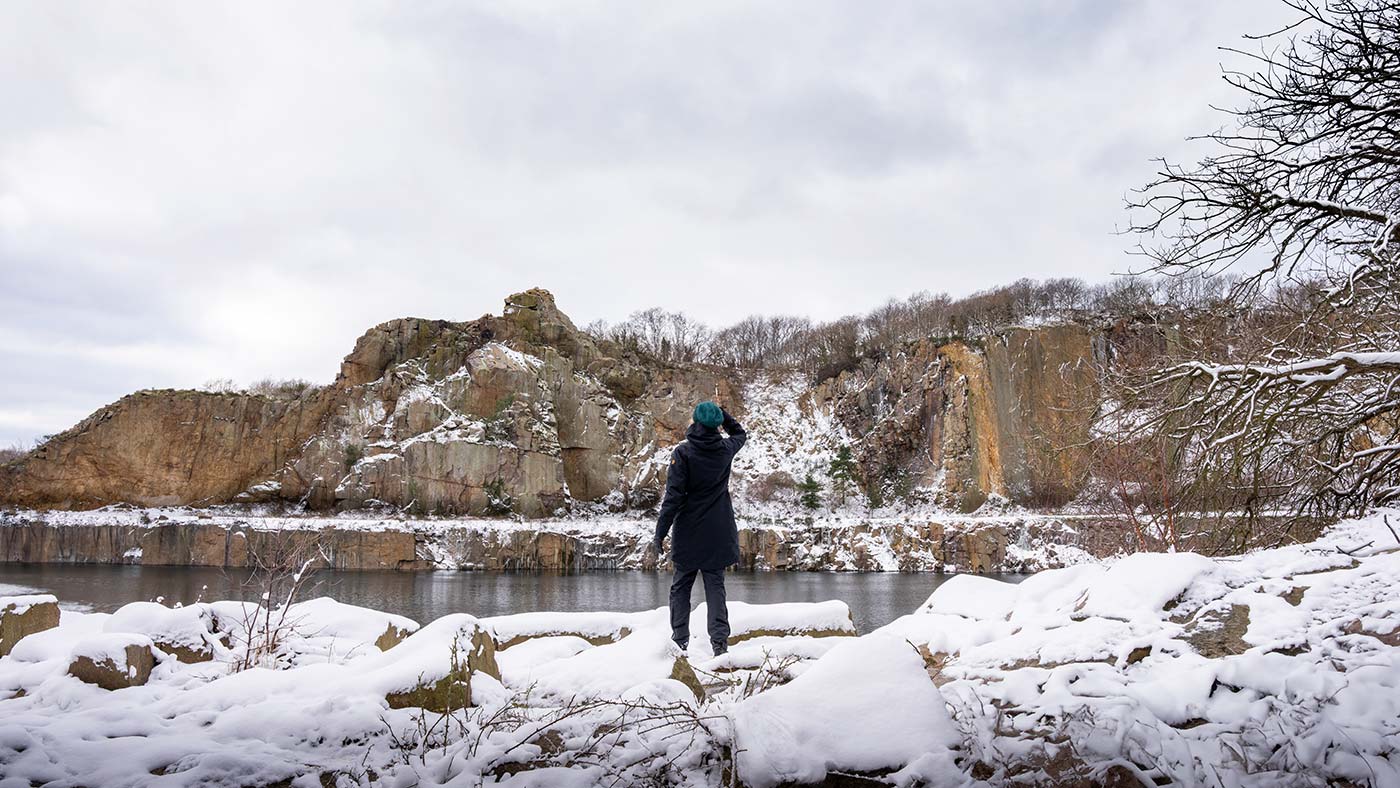
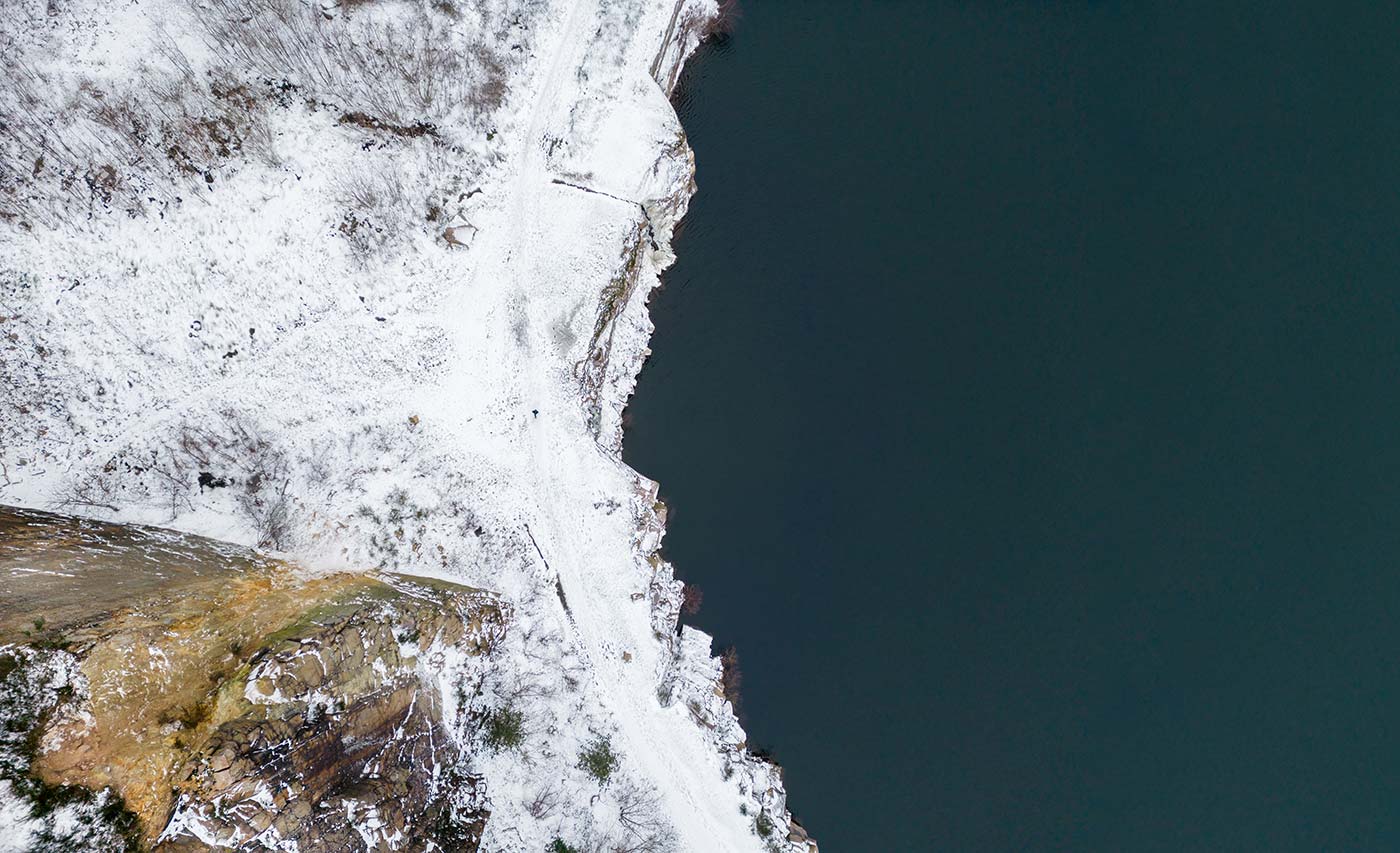
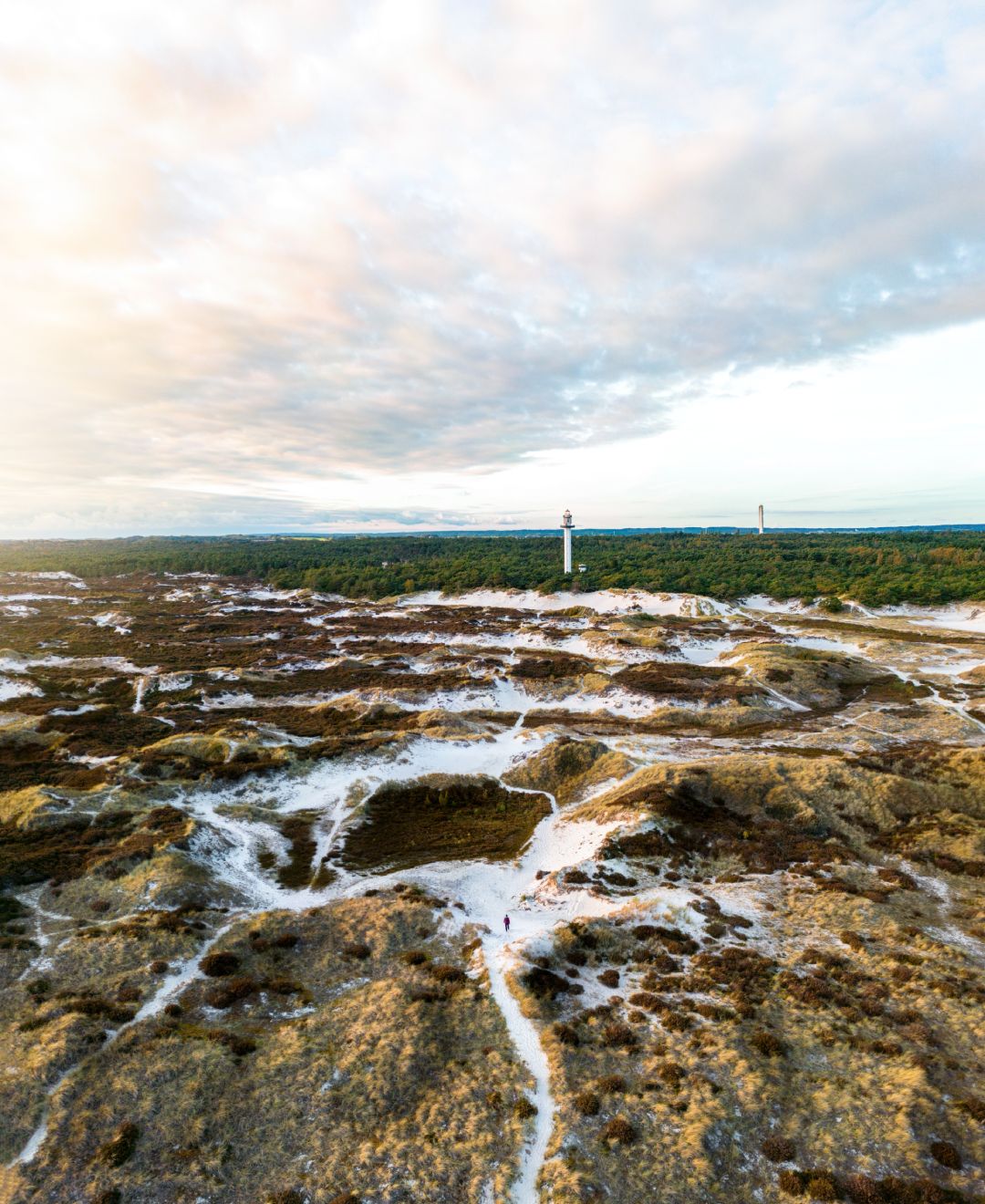
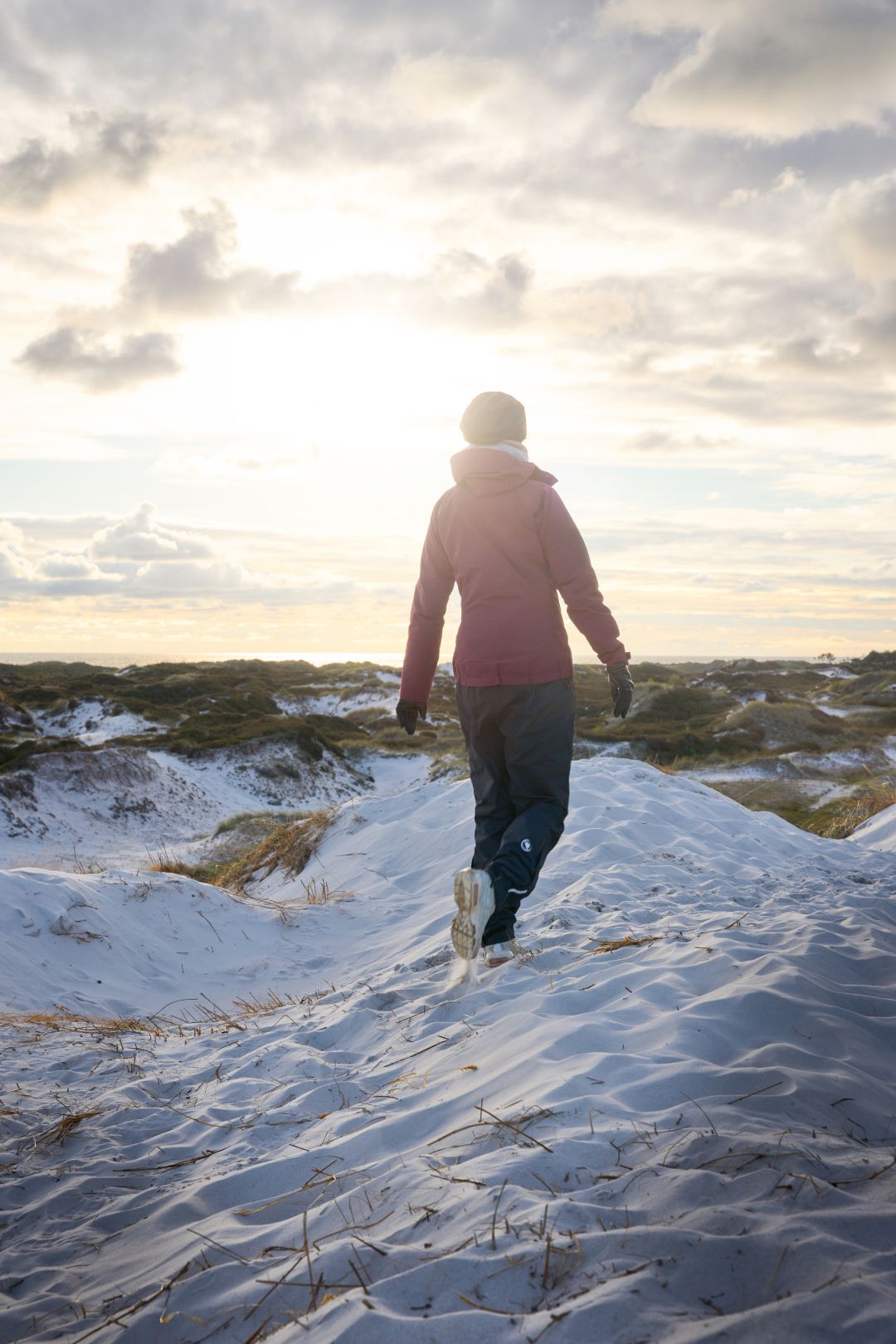
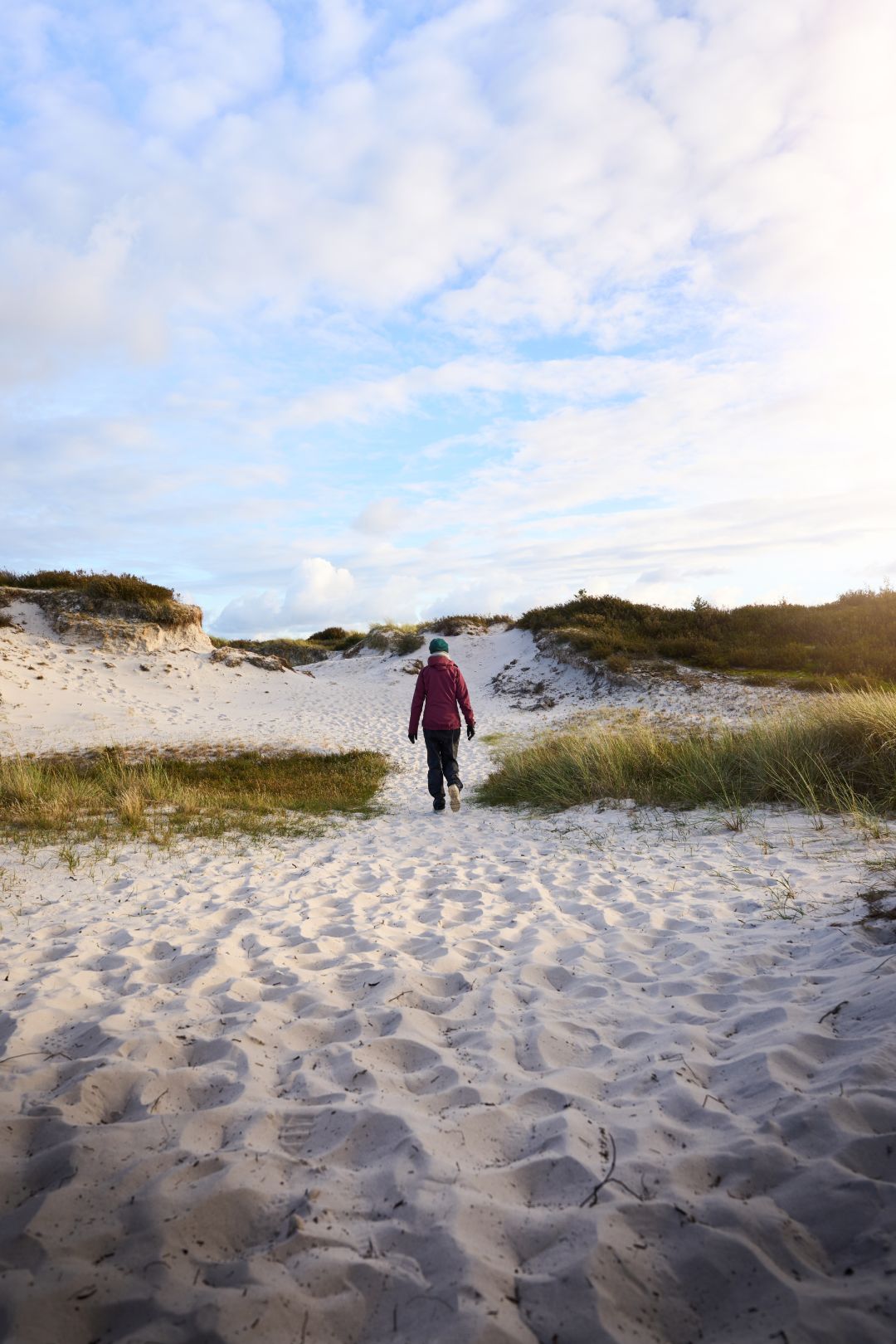
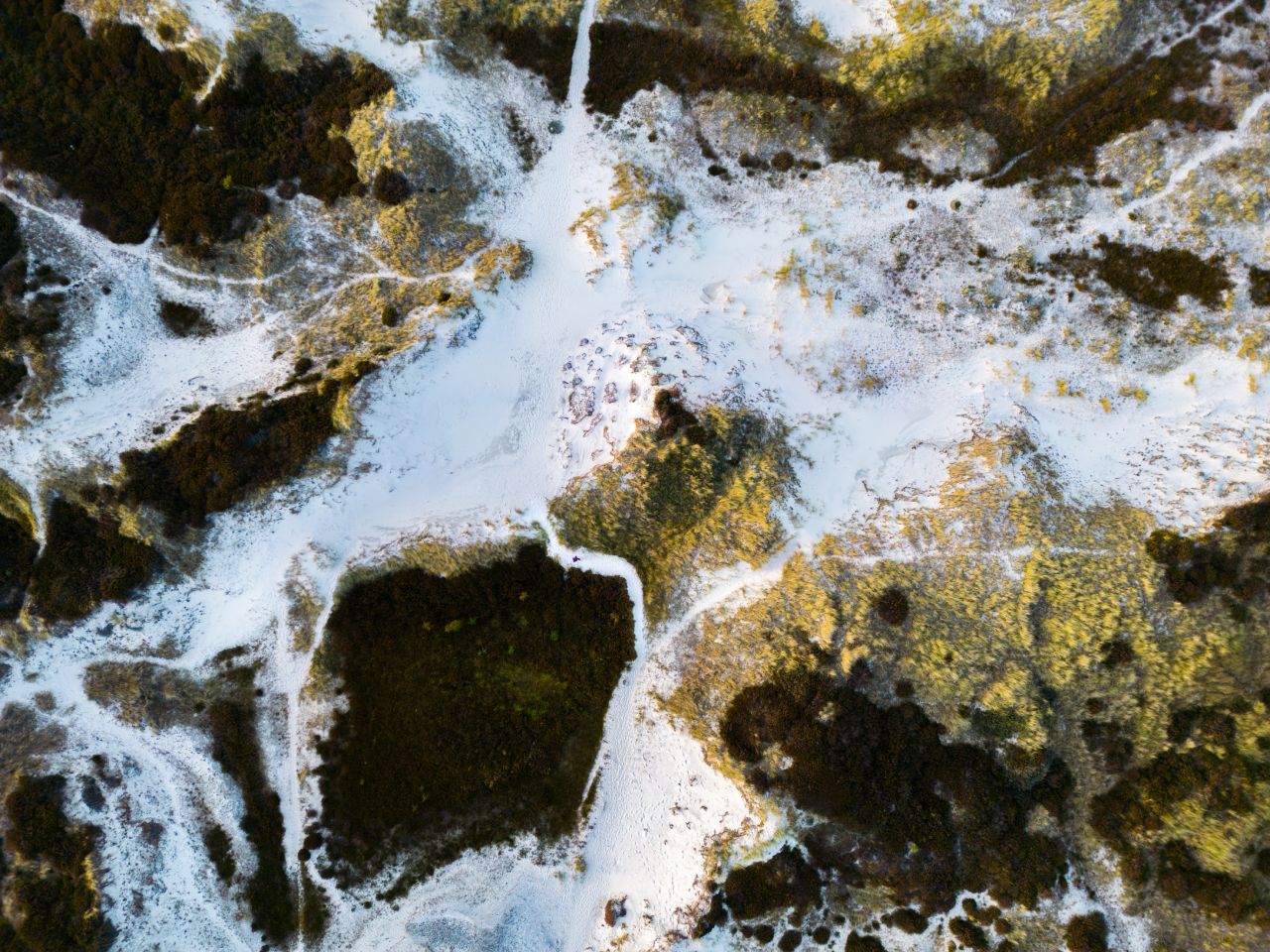
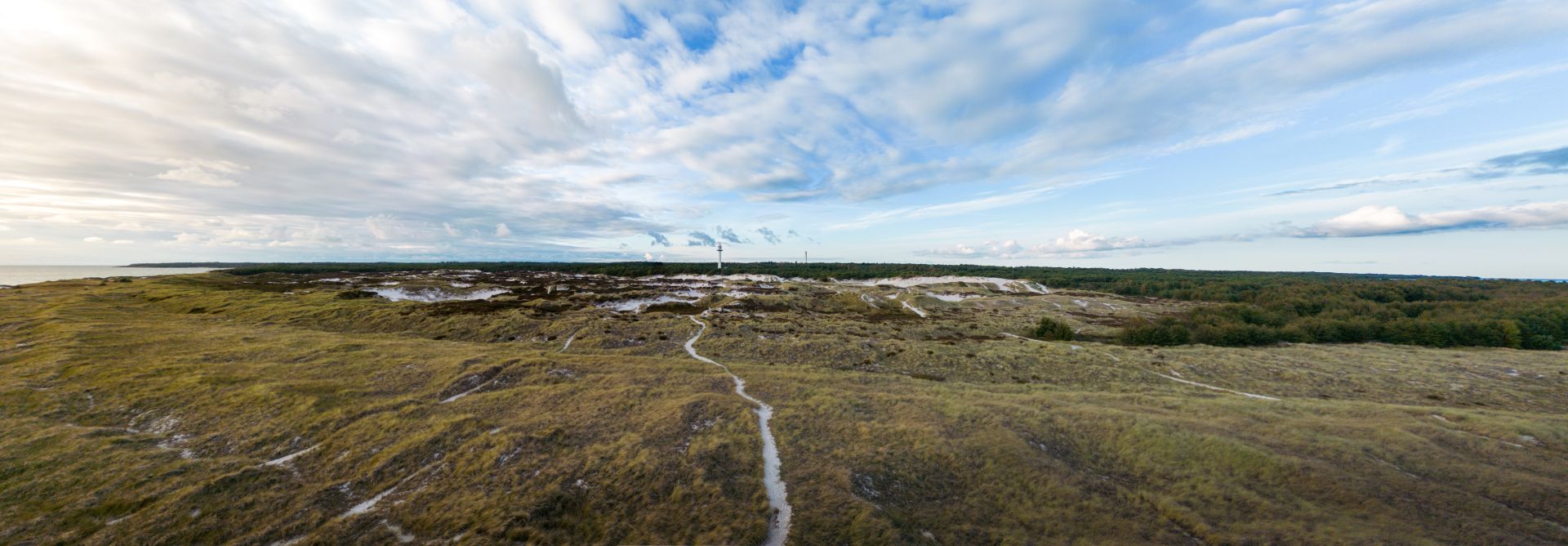
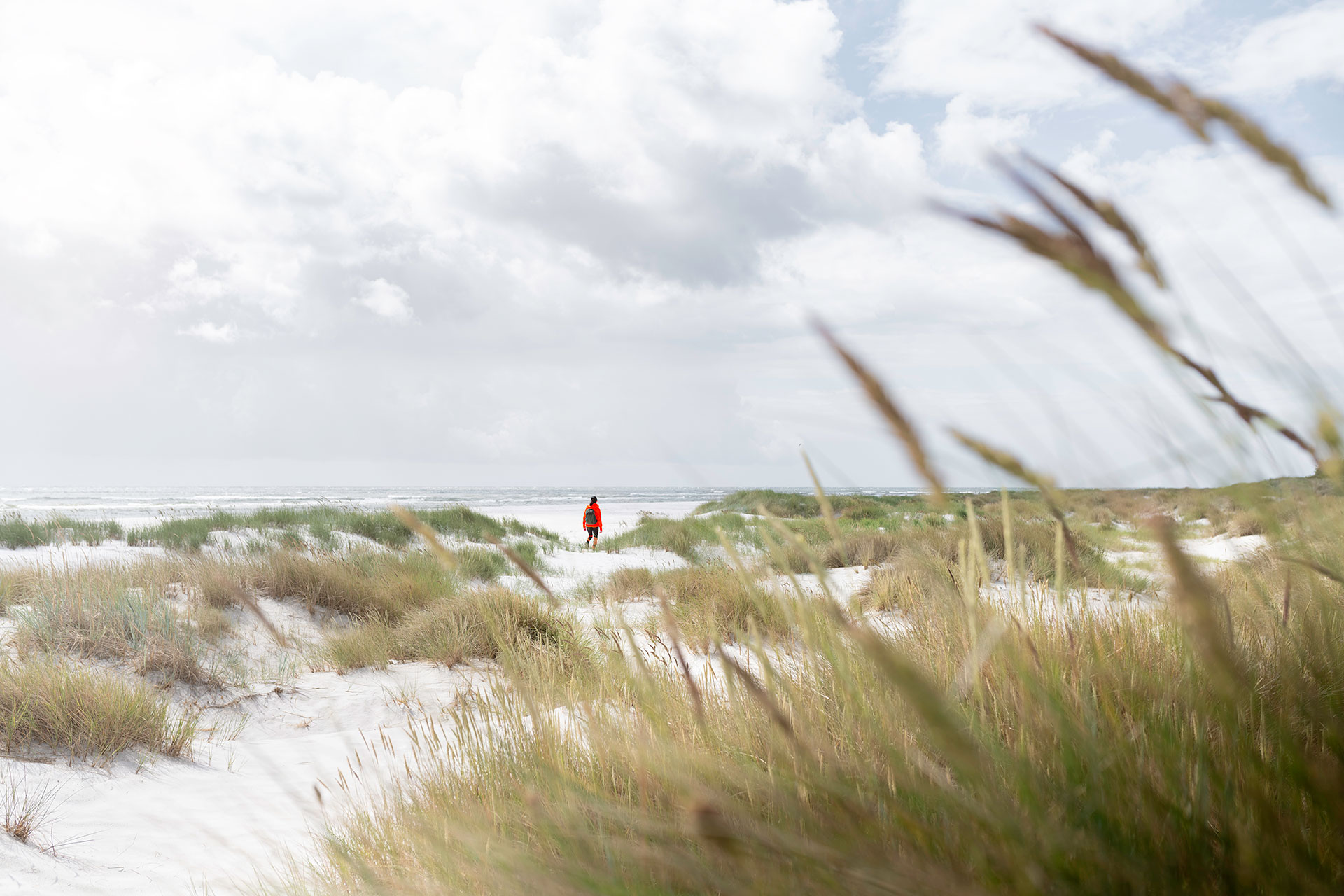
Another photo session on Bornholm. This time we went for a trip to Opalsøen on Northern Bornholm. Here I captured the breathtaking beauty of this magical place blanketed in snow.
The photos are part of a photo task for Destination Bornholm and will be available in their image database.
Photos are captured using a Sony A1 and a DJI Mini 3 Pro drone.
In November 2023, I embarked on a captivating adventure to Friskens Fotogömsle in Sweden, eager to photograph the untamed beauty of wild birds of prey. Armed with my trusty Sony A1 camera, this marked our second visit to the renowned photo hide, promising a day filled with remarkable encounters.
I was joined again by my fellow photographer @mariusfolkmann. The journey began with a unique twist – we slept in the hide, so would be ready for the next day. Rising at 5 AM, the anticipation of a day spent capturing the essence of Nordic raptors fueled our excitement.
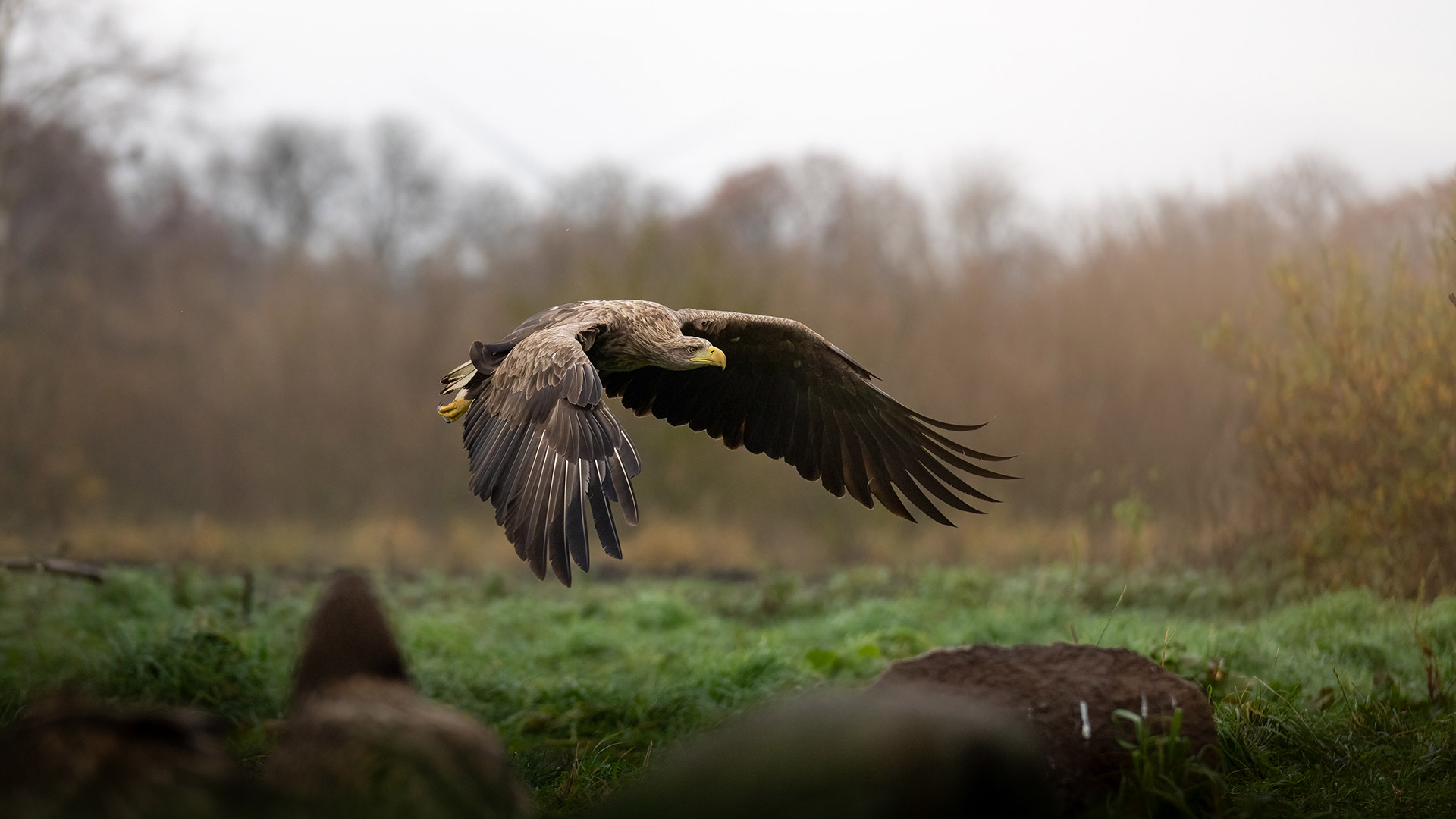
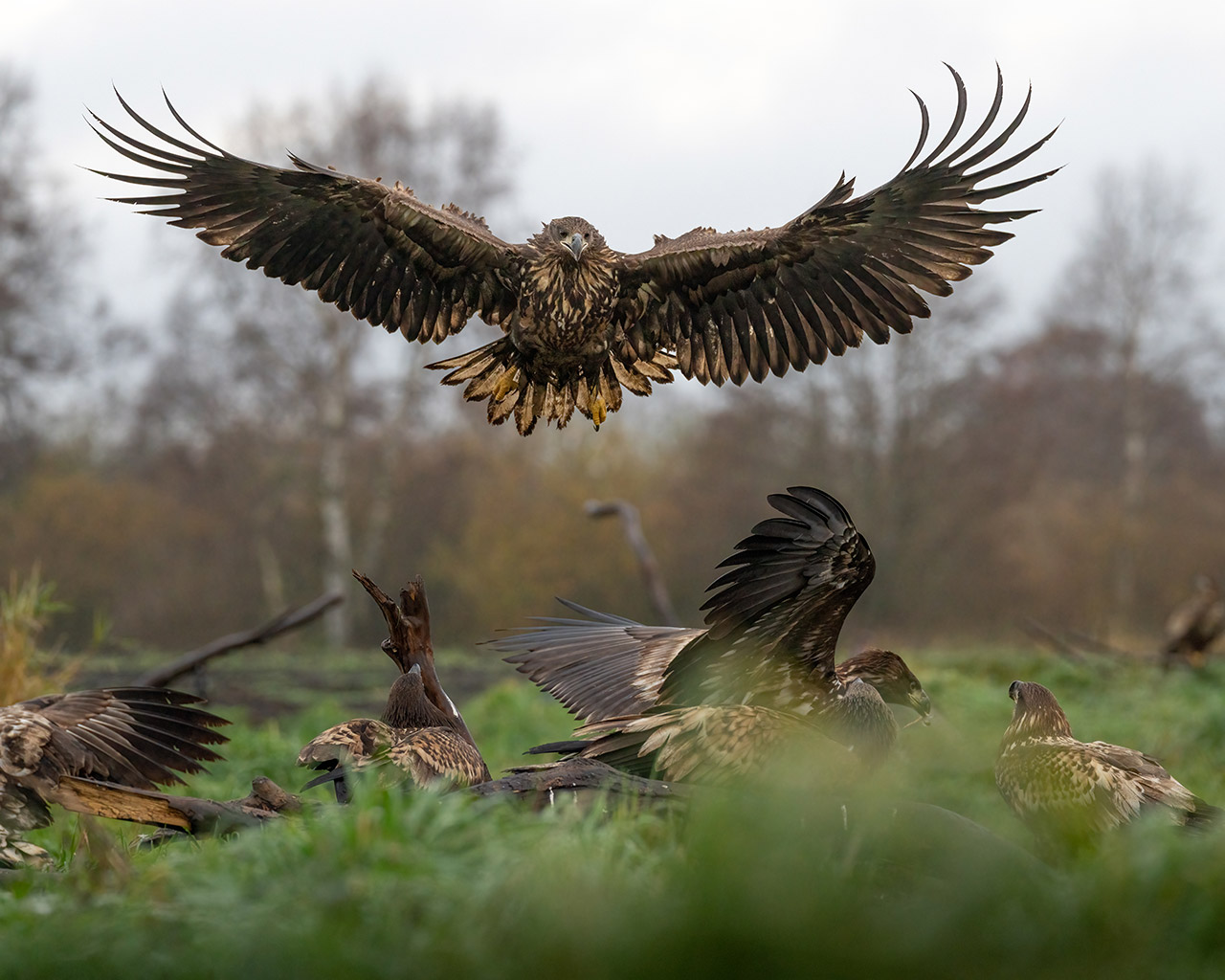
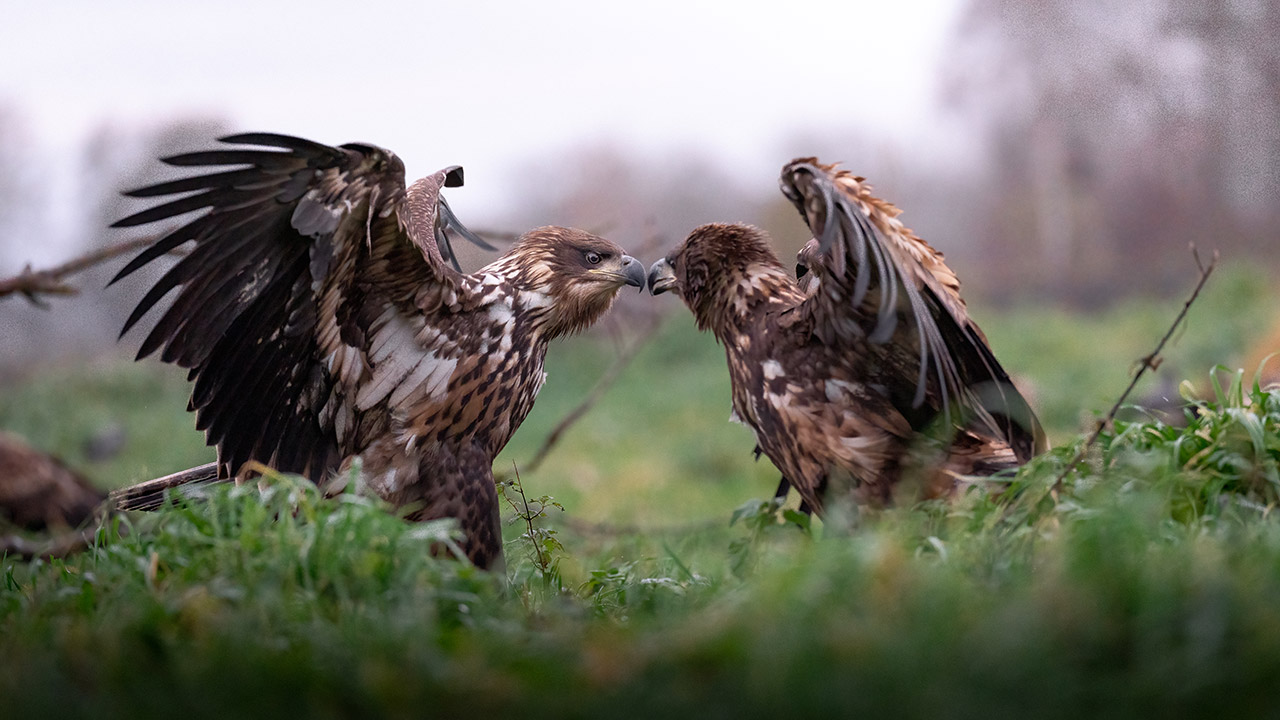
As the first rays of light pierced through the morning mist, the stage was set for an extraordinary spectacle. In front of the hide, an awe-inspiring congregation of 30 white-tailed eagles unfolded. The majestic birds, with wingspans of more than 2 meter, created a scene straight out of a wildlife photographer’s dream.
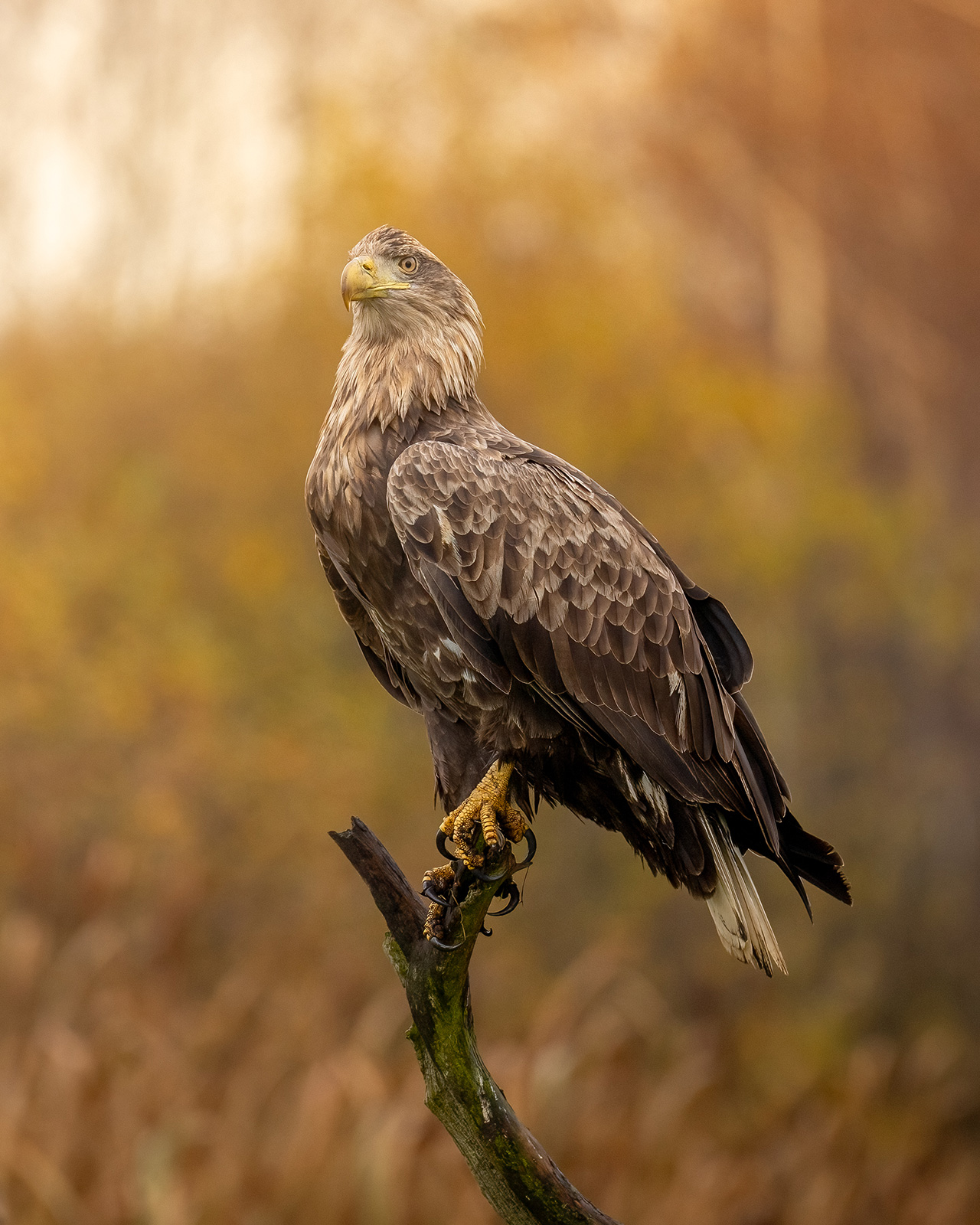
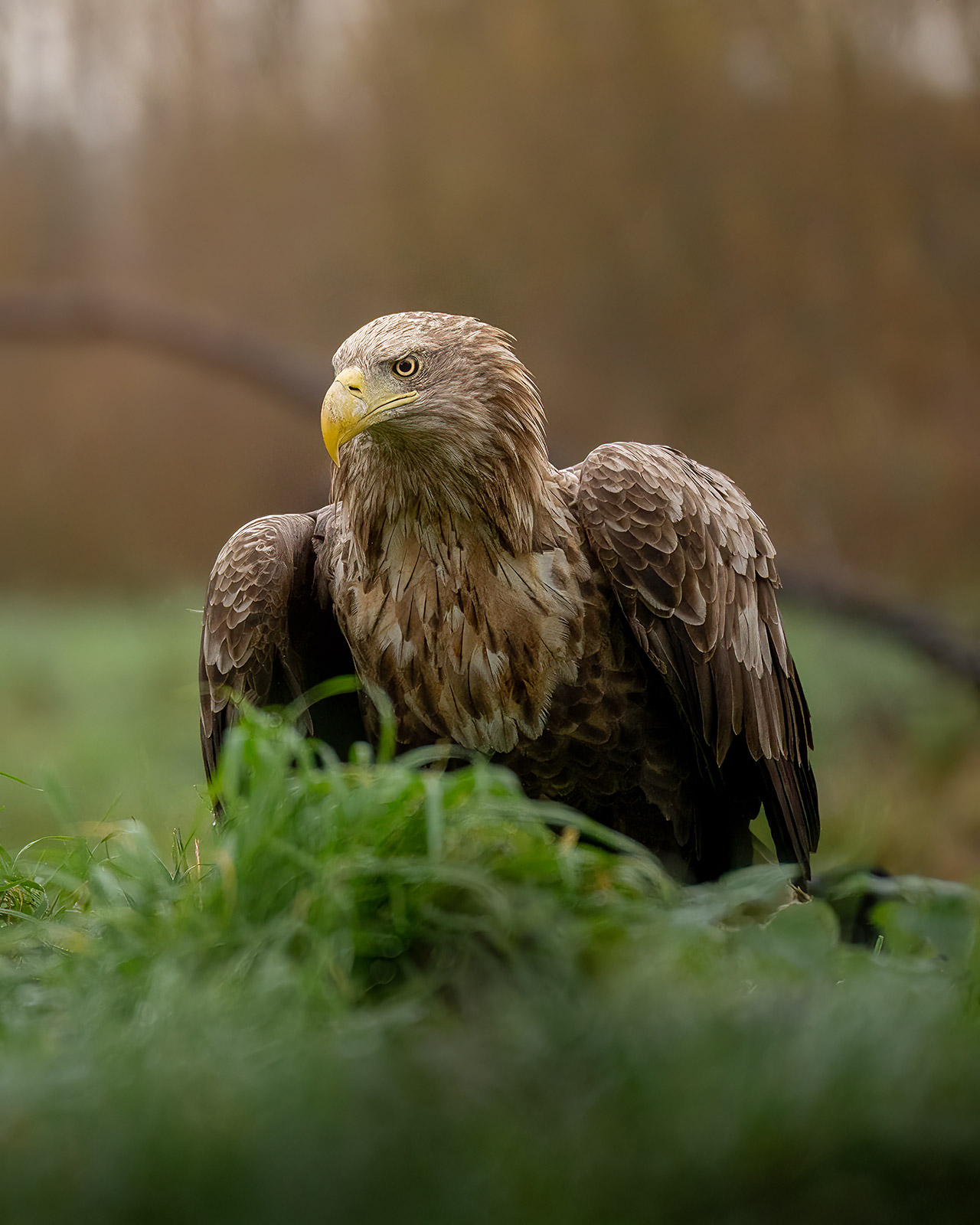
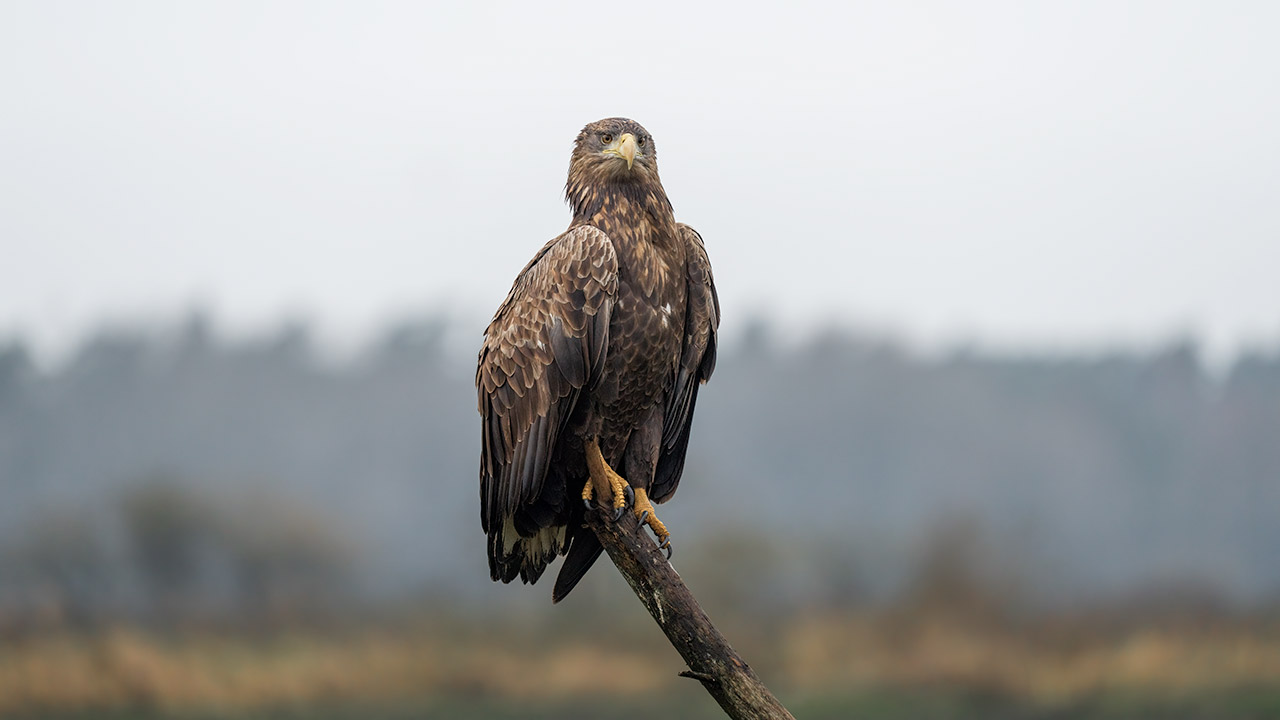
An adult white-tailed eagle.
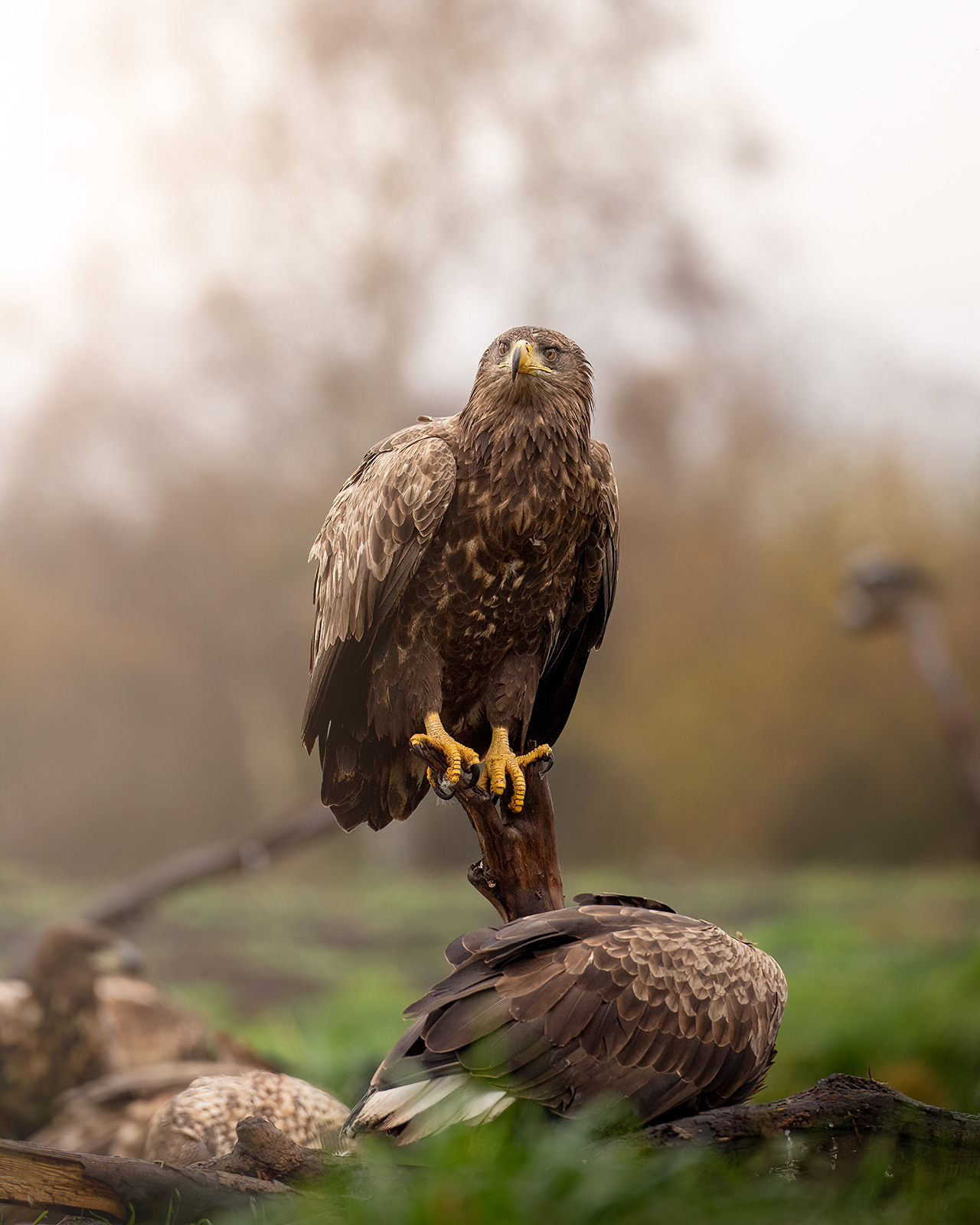
The white-tailed eagle, also known as the sea eagle, is a formidable bird of prey recognized for its large size and distinctive white tail feathers. With a wingspan exceeding 2 meters, this species inhabits coastal regions, including fjords, islands, and lakes. Scandinavia serves as a stronghold for these eagles, particularly in Norway, Sweden, and Finland, owing to the abundance of suitable habitats. Conservation efforts have contributed to the recovery of their population, reflecting the region’s commitment to preserving pristine landscapes. As apex predators, white-tailed eagles play a vital role in regulating ecosystems, making them a symbol of successful conservation in Scandinavia.
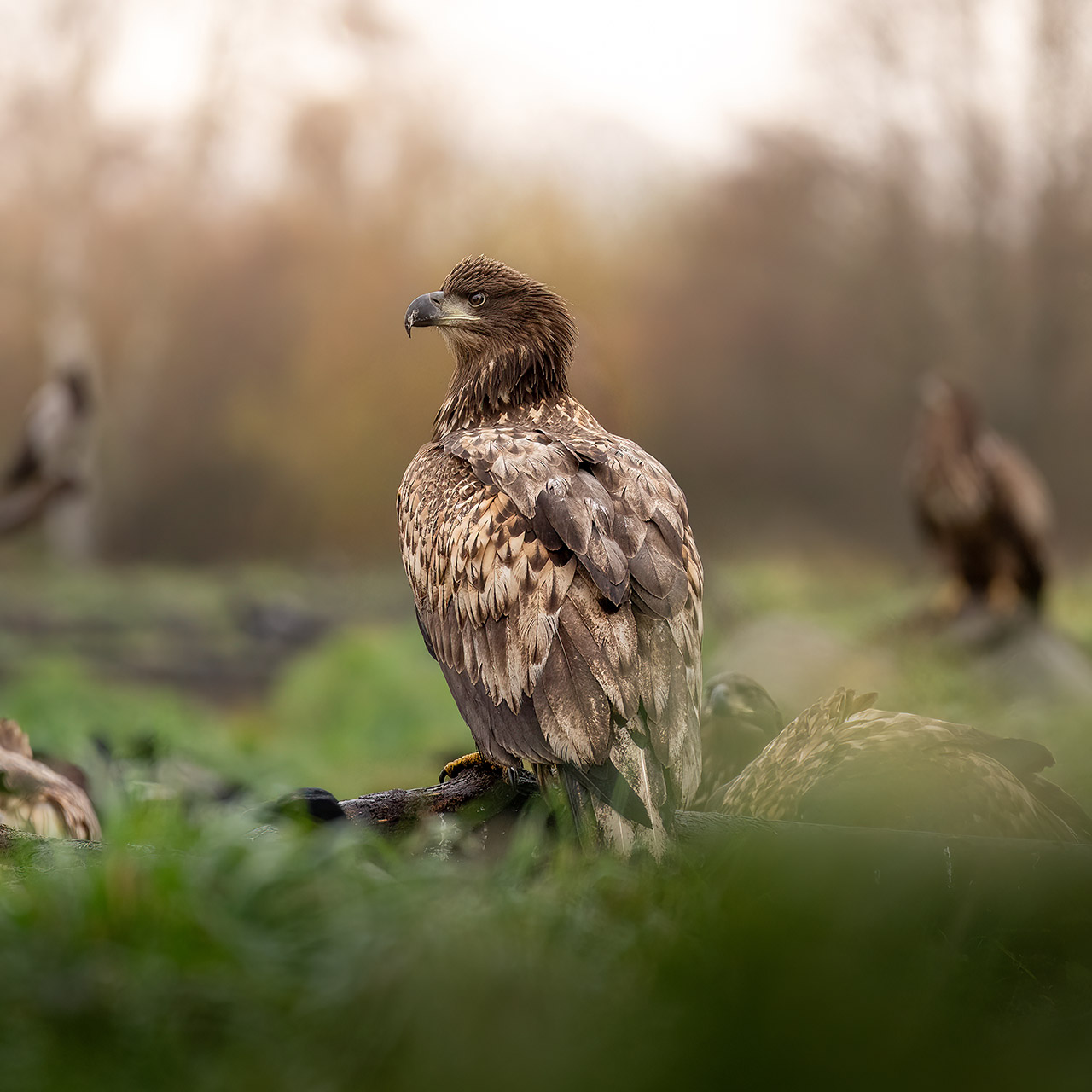
Juvenile white-tailed eagle
An adult white-tailed eagle.
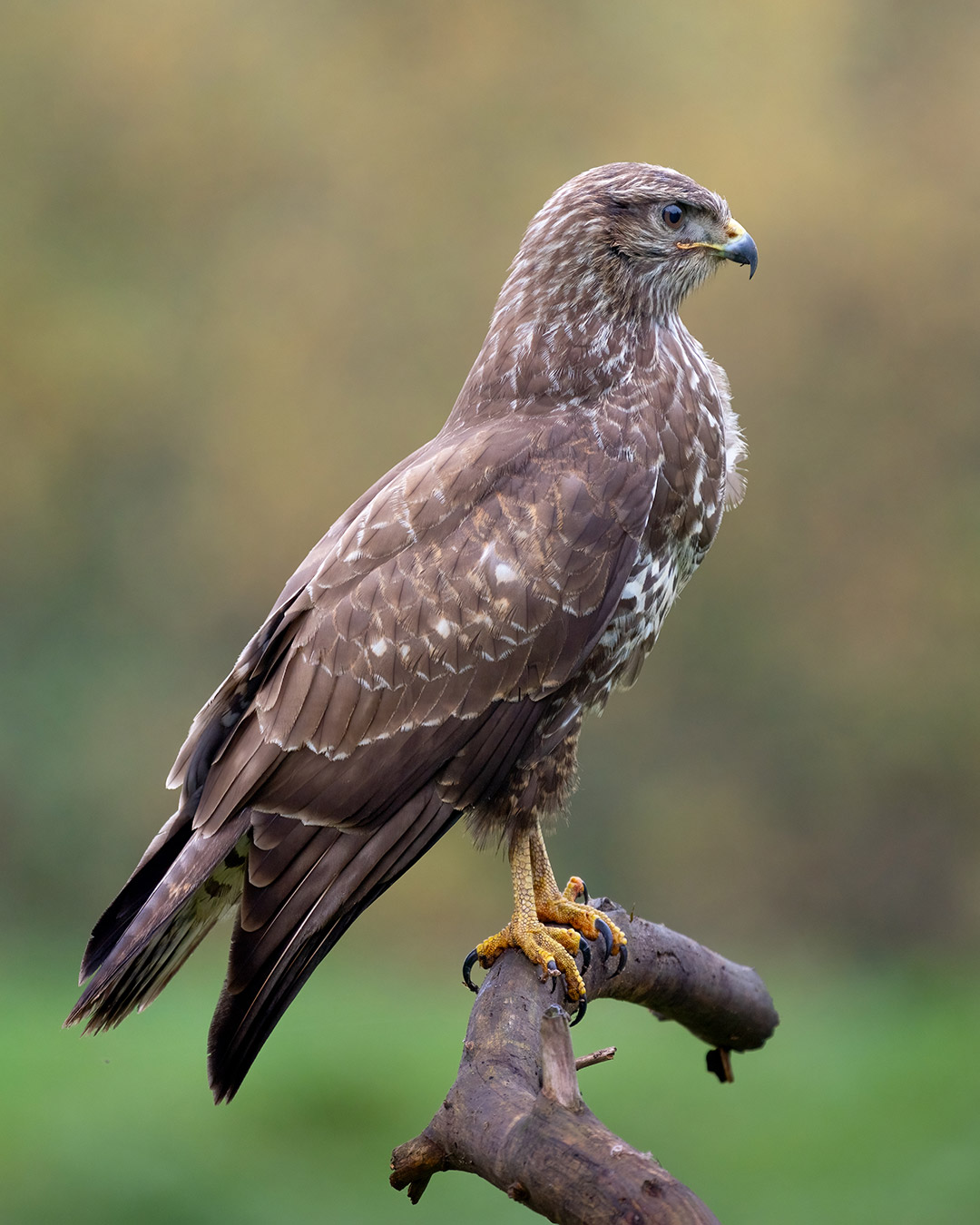
Throughout the day, the hide revealed its secrets, treating us to the diverse avian wonders of the region. Approximately 6 common buzzards, 10 red kites, and 2 kingfishers made their appearances, each presenting unique opportunities to capture their untamed beauty through the lens of my camera.
Common Buzzard
Kingfisher
Red Kite
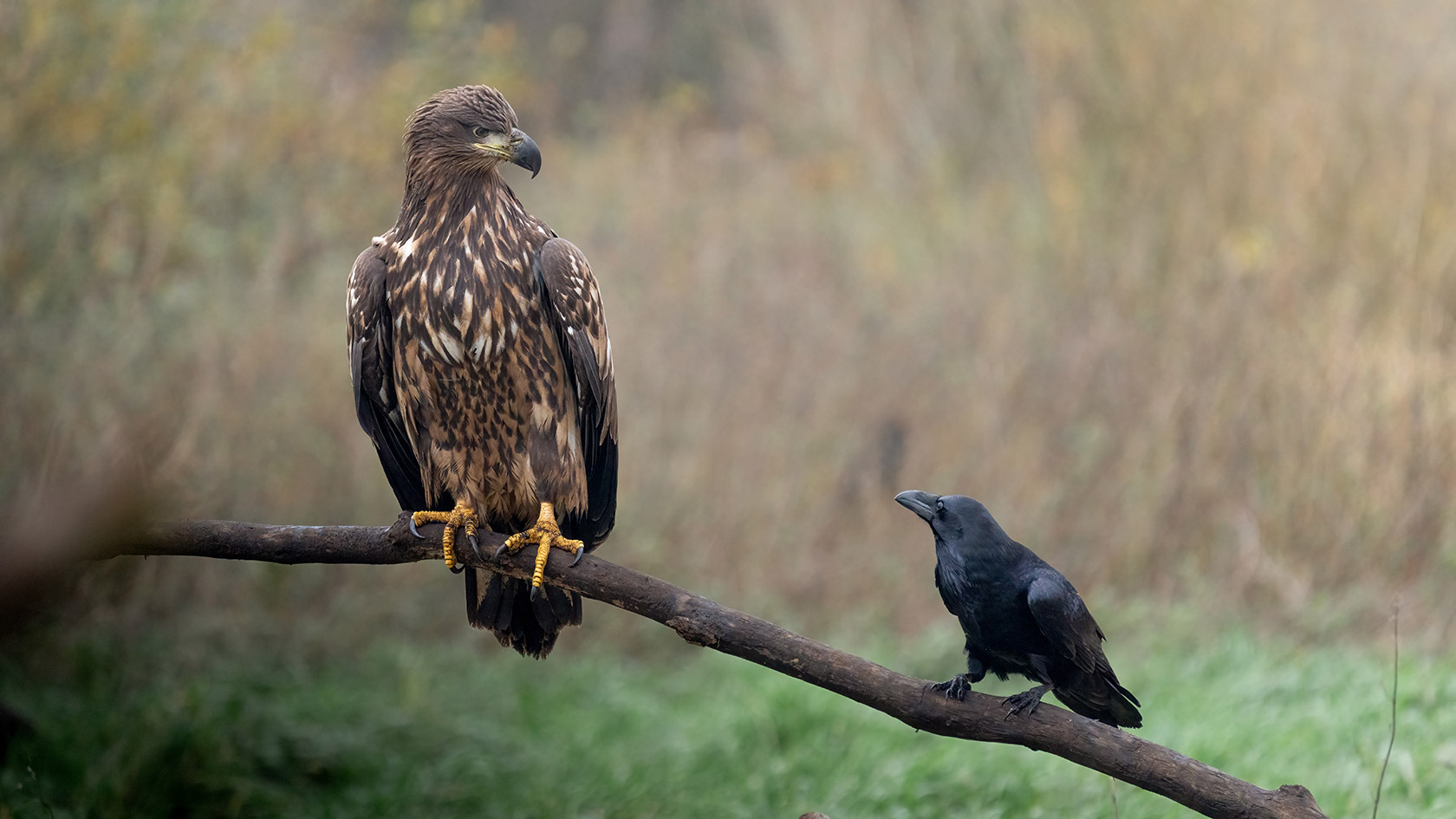
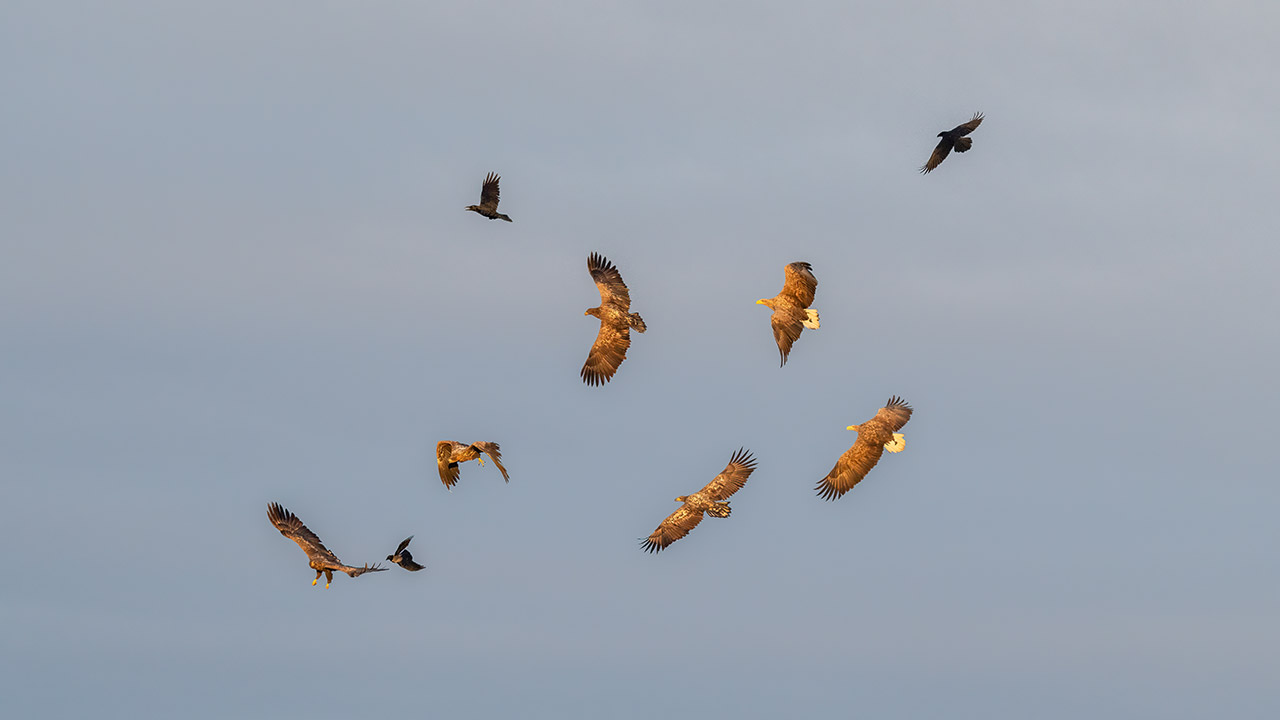
Six White-tailed harassed by crows and ravens.
As the sun dipped below the horizon, casting the hide into darkness, we reluctantly bid farewell to Friskens Fotogömsle. The journey back to Bornholm was a reflective one, filled with gratitude for the rare moments shared with these magnificent creatures.
This photographic odyssey was more than just a visual feast; it was a profound connection with the untamed spirit of nature. Friskens Fotogömsle, with its wealth of avian treasures, has etched itself into the tapestry of my memories as a place where the magic of the wild comes to life, one click at a time.
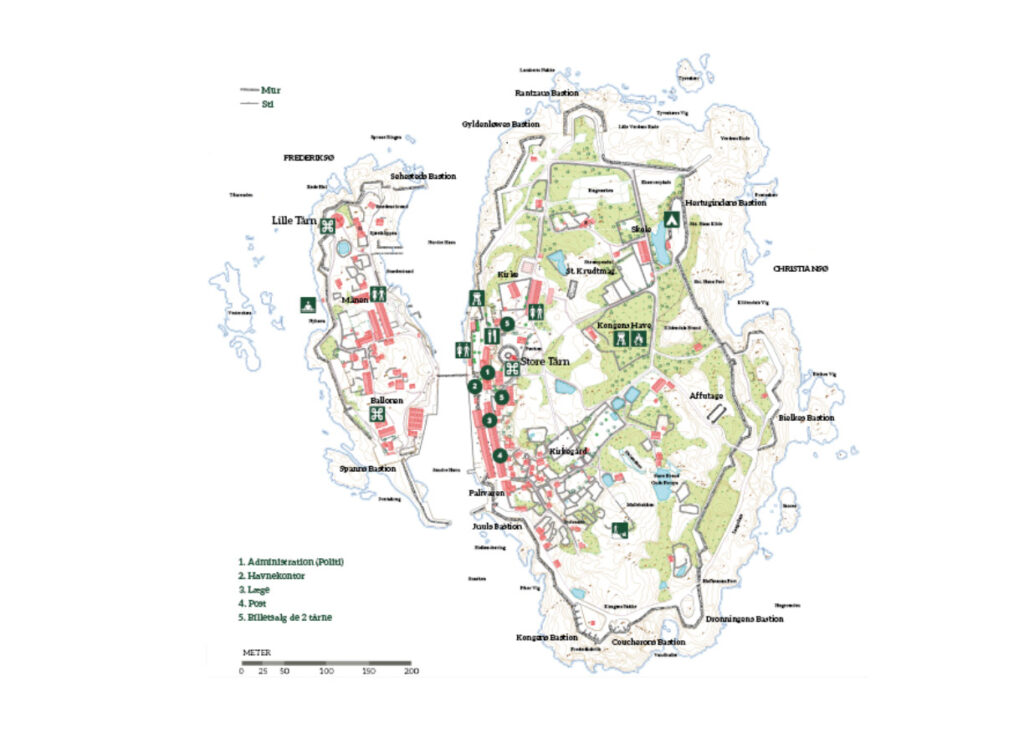
Nestled within the expanse of the Baltic Sea (around 20km from Bornholm), the captivating archipelago of Ertholmene beckons. Positioned between Denmark and Sweden, this historic island group, granted nature park status by the Danish government in 2019, is a haven for bird enthusiasts and nature lovers alike. Our adventure began when friends extended an invitation for an October getaway to Ertholmene, a proposal we couldn’t resist.
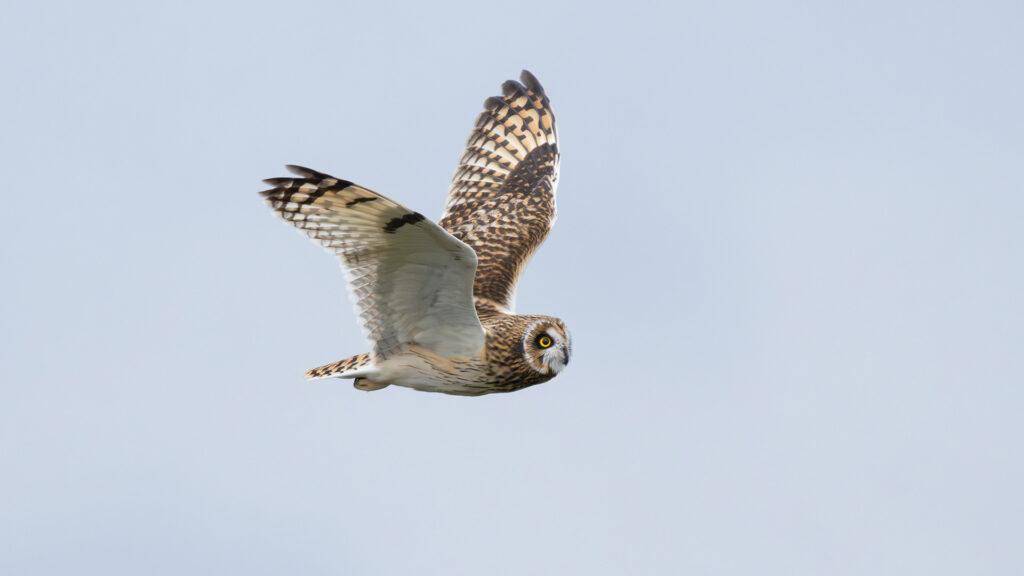
Short-eared owl (Mosehornugle in Danish)
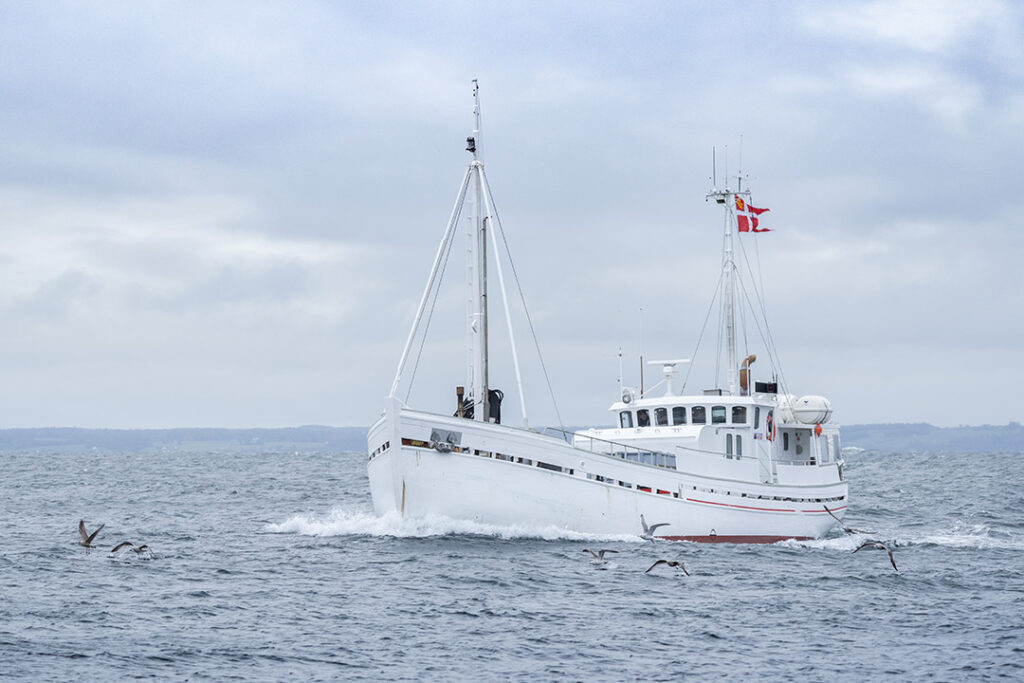
Visiting the enchanting island group of Ertholmene in the autumn is a true adventure, albeit a challenge. The Baltic Sea can be quite unforgiving during this season, with its rough waters and unpredictable nature. To add to the excitement, a single boat makes the daily journey to and from the islands, navigating the rolling waves with a bit of sway. This unique mode of transportation only adds to the allure of Ertholmene, making the journey as memorable as the destination itself. However, a pill against sea sickness can come in handy!
The ferry to Ertholmene – The postboat “Peter”.
Ertholmene is an archipelago steeped in history and natural beauty. Comprising two main islands, Christiansø and Frederiksø, Ertholmene’s remote location has shielded it from the hustle of the modern world. Designated as a nature park by the Danish government, the islands provide a pristine sanctuary for both migratory and resident bird species, making it a paradise for birdwatchers. Ertholmene’s rich historical legacy, combined with its status as a protected natural haven, creates a unique destination where visitors can immerse themselves in the island’s past and relish the tranquility of the present.
Ertholmene is actually an old Danish Naval Base dating back to the late 17th century. Its enduring fortifications and formidable cannons can still be seen today and serve as a testament to its military heritage, even as it transforms into a tranquil destination for those seeking a historic retreat. Read more about Ertholmene here.
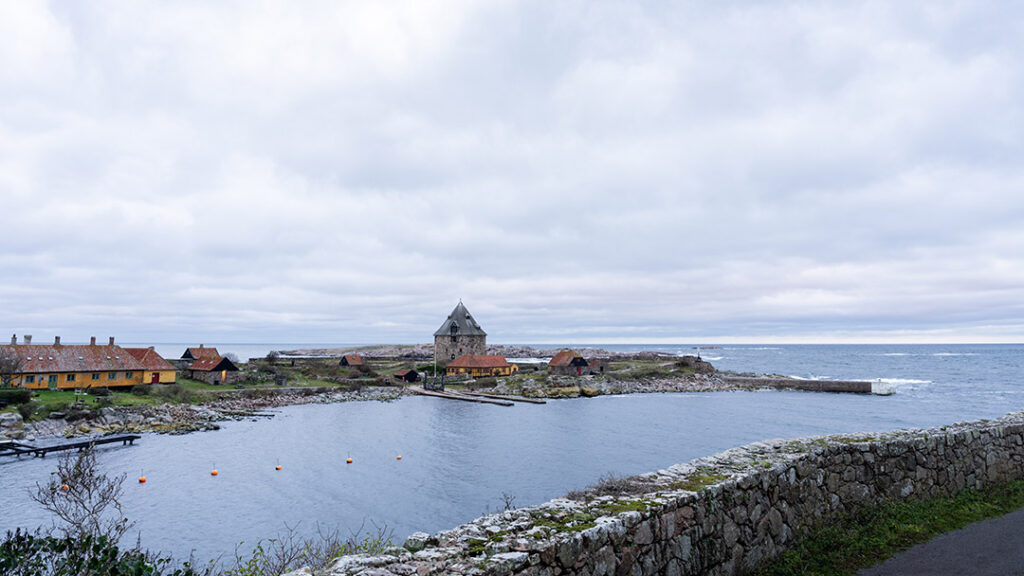
The view of Lille Tårn (Little Tower) on the island Frederiksø.
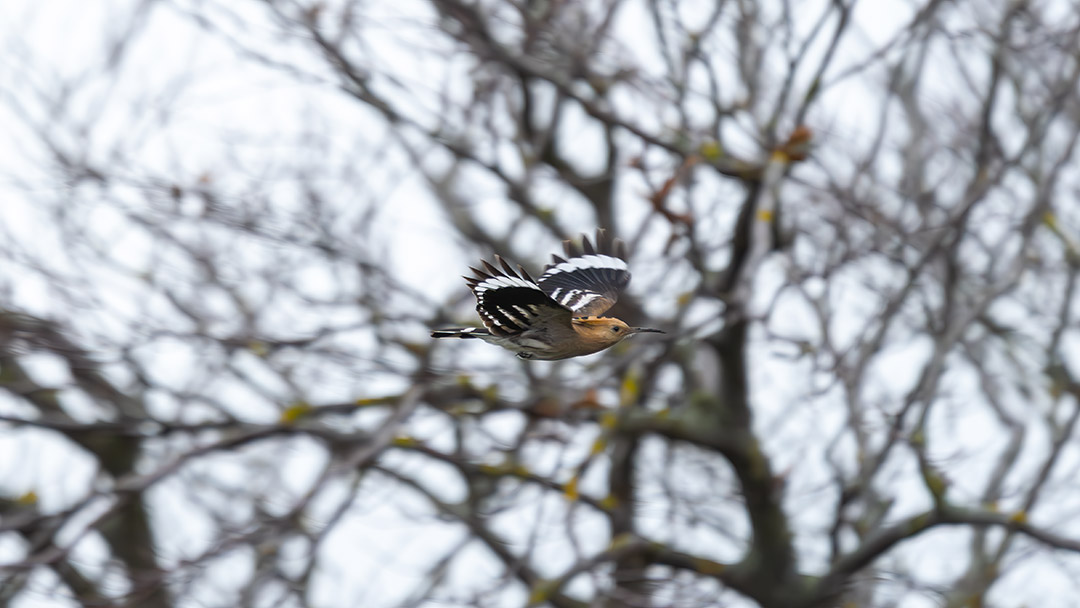
During my October visit, I had the privilege of spotting an astonishing 42 bird species, including the elusive short-eared owl and my first sighting of a Eurasian hoopoe. Below you can see some of my photos from the trip:
A quick capture of a sole Eurasian hoopoe (Hærfugl in Danish) on Christiansø island.
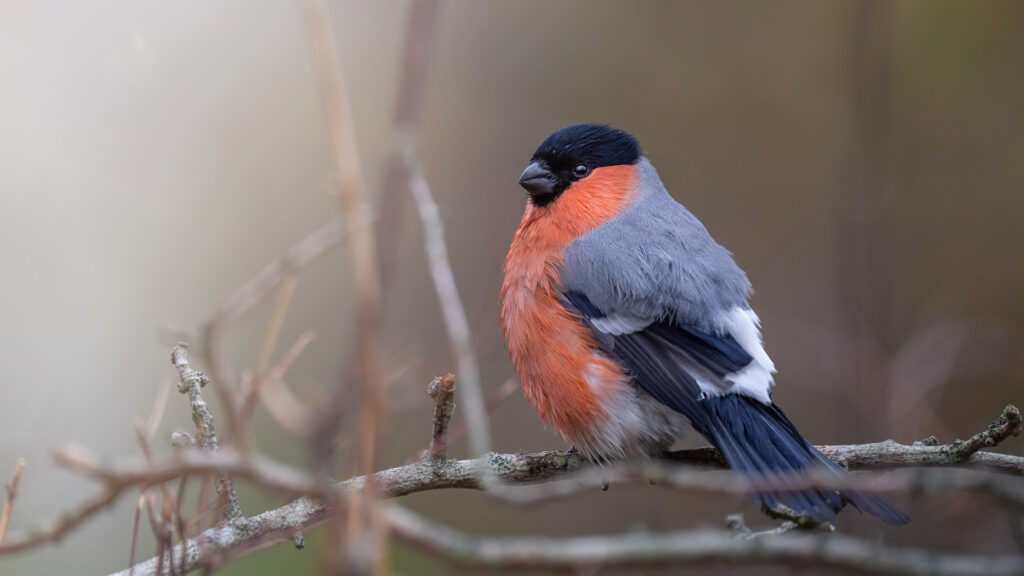
A male Eurasian bullfinch (Dompap in Danish).
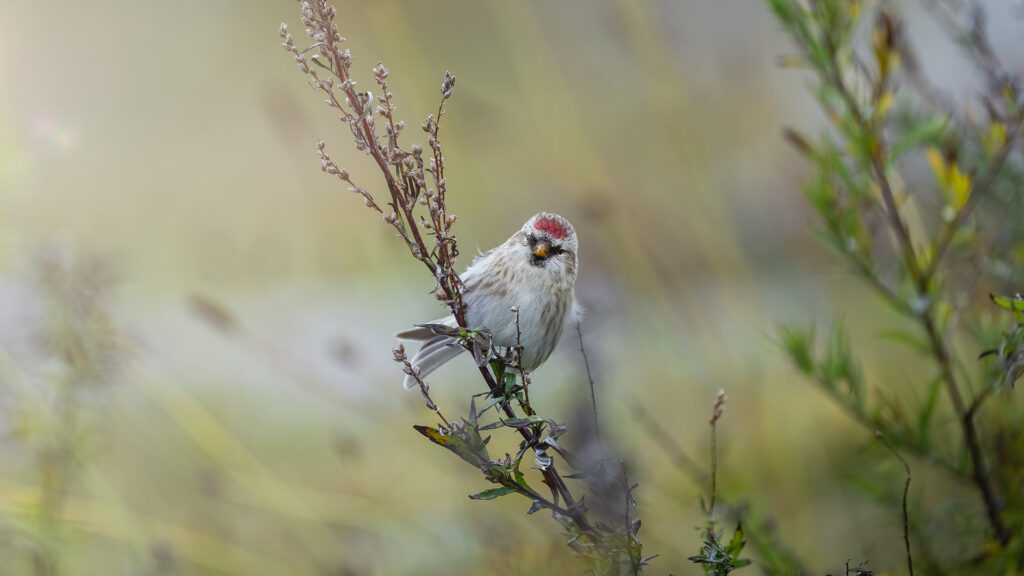
A Common redpoll (Gråsisken in Danish).
A short-eared owl (Mosehornugle in Danish) on the hunt.
It was time for another photo session at Dueodde beach on Southern Bornholm. It was a beautiful autumn afternoon and my wife volunteered to model again.
This time I brought my Sony A1, with a Sigma 24-70 mm F2.8, and my new DJI Mini 3 Pro drone. This is the result:
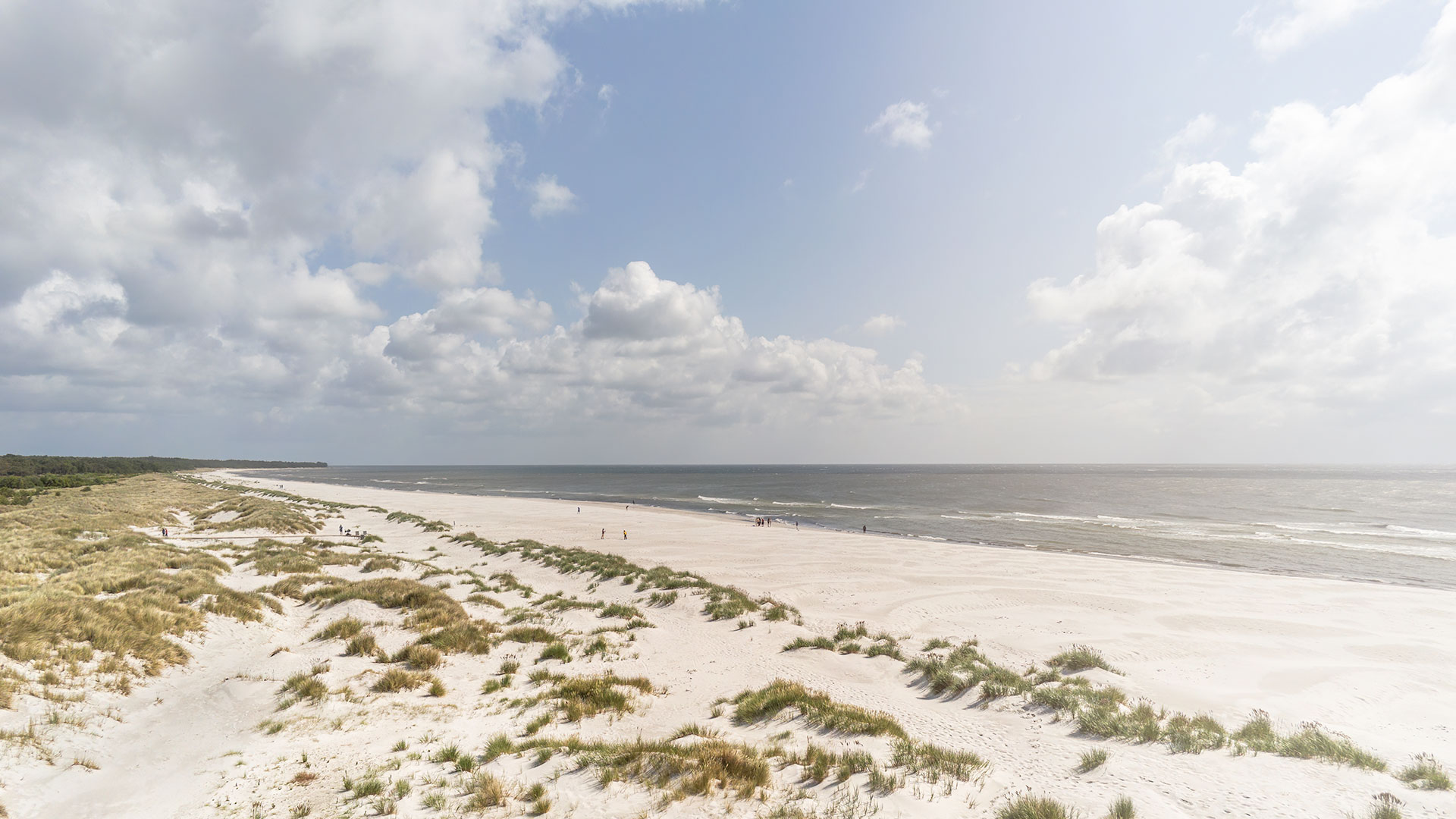
Today I visited Dueodde Beach on the Eastern side of Bornholm island. It was pretty windy, but luckily the sun was out long enough for me to capture a few shots of the beach.
The photos are captured on a Nikon ZII and Anafi Parrot drone. I post-edited them using Adobe Lightroom and Photoshop. And for the first time ever, I have utilized AI in my post-editing process.
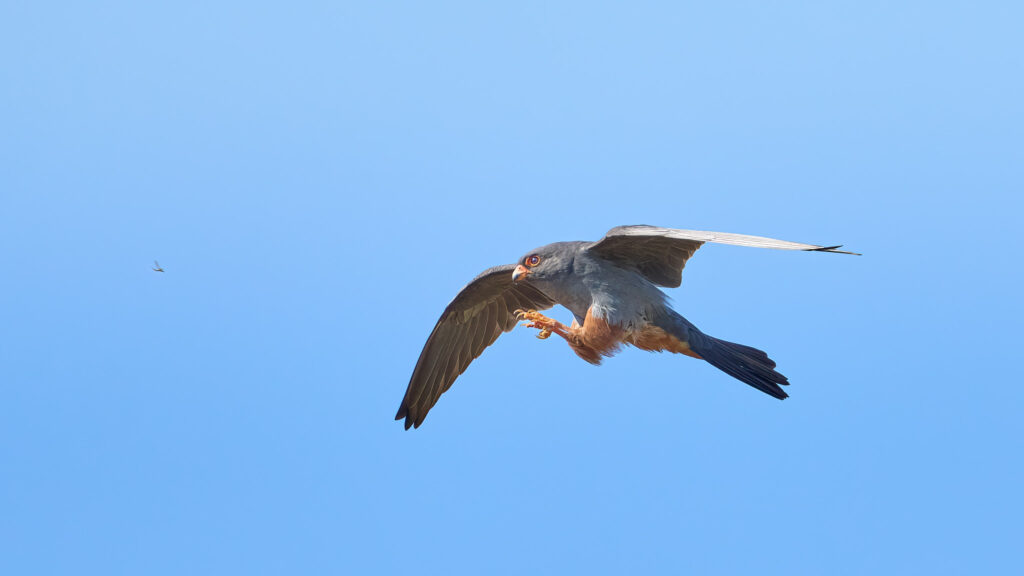
I’ve spent two days in Bastemosen on Bornholm with a flock of 8 red-footed falcons. This species of falcon is a rare sight on the island of Bornholm, so seeing 8 in the air over the small marshy area of Bastemosen is a real treat.
A male red-footed falcon hunting an insect in midair.
About the Red-Footed Falcon
The red-footed falcon (Falco vespertinus, or Aftenfalk in Danish) is a small migratory bird of prey that breeds in Eastern Europe and Asia, and spends its winters in southern Africa. It is named after its distinctive red legs and feet, which set it apart from other falcons.
The male has a slate-blue head and back, while the female has a brown back and a creamy-white underside with dark streaks. Red-footed falcons primarily hunt insects, but will also take small birds and mammals.
A female red-footed falcon flying past above my position in the bird tower.
About Bastemosen
Bastemosen is a beautiful and unique natural area located on the Danish island of Bornholm in the Baltic Sea. It is a wetland habitat that encompasses marshes, ponds, and small streams, and is home to a diverse range of flora and fauna. The area is particularly known for its rich birdlife, with several species of waterbirds, raptors, and passerines present. Bastemosen is a popular destination for birdwatchers and nature enthusiasts, who come to observe and enjoy the tranquility of the area. In addition to its ecological importance, the site also has cultural significance, with traces of prehistoric settlements and burial sites found in the surrounding landscape.
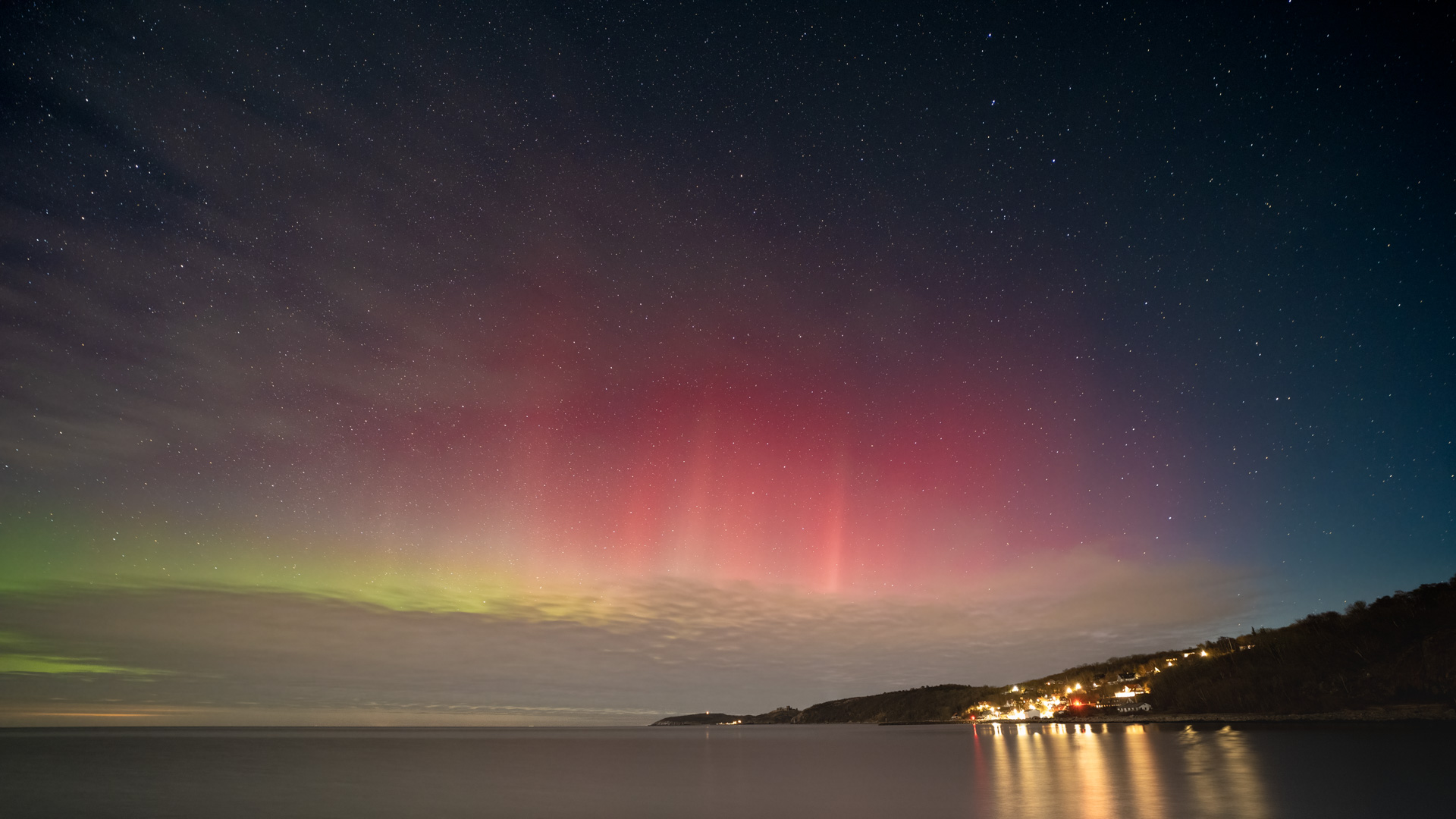
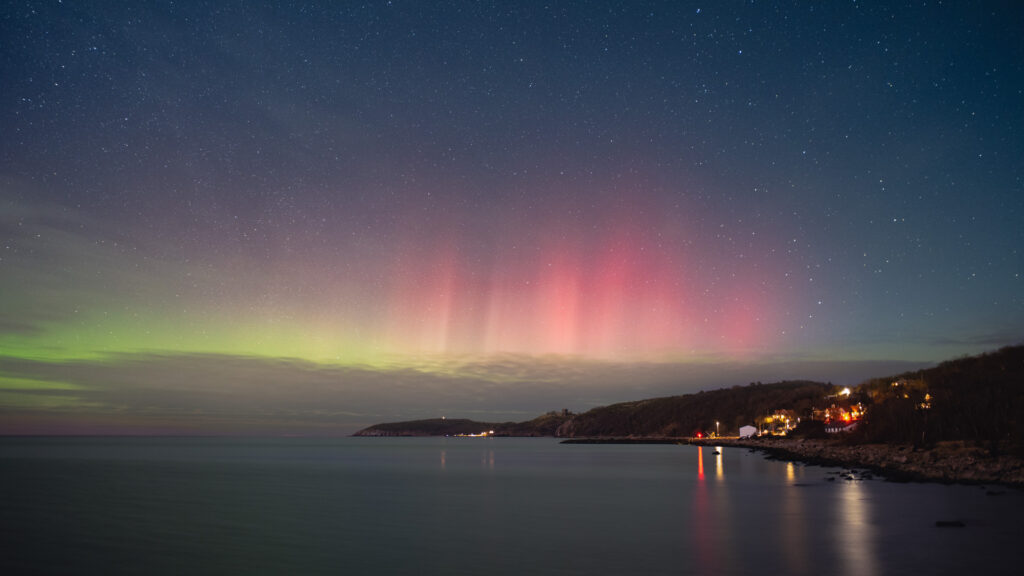
For the first time in my life I have experienced the Northern Lights. What makes this an even more magical sight is that fact that it happened on the island of Bornholm, where I live.
During the day, reports indicated there would be a high chance of seeing the lights from various places in Denmark, but it rarely reaches the latitude of Bornholm in the Baltic Sea. However, this night it turned out to be different. Around 10PM I was ready and waiting near Vang with my Nikon Z7II camera. I only waited a short while before the green lights appeared over the horizon and soon the dancing lights filled the Northern sky. What a fantastic and magical sight!
A composite photo taken with the Nikon Z7II + Samyang 14mm F2.8 and Sigma 35mm F1.14 Art.
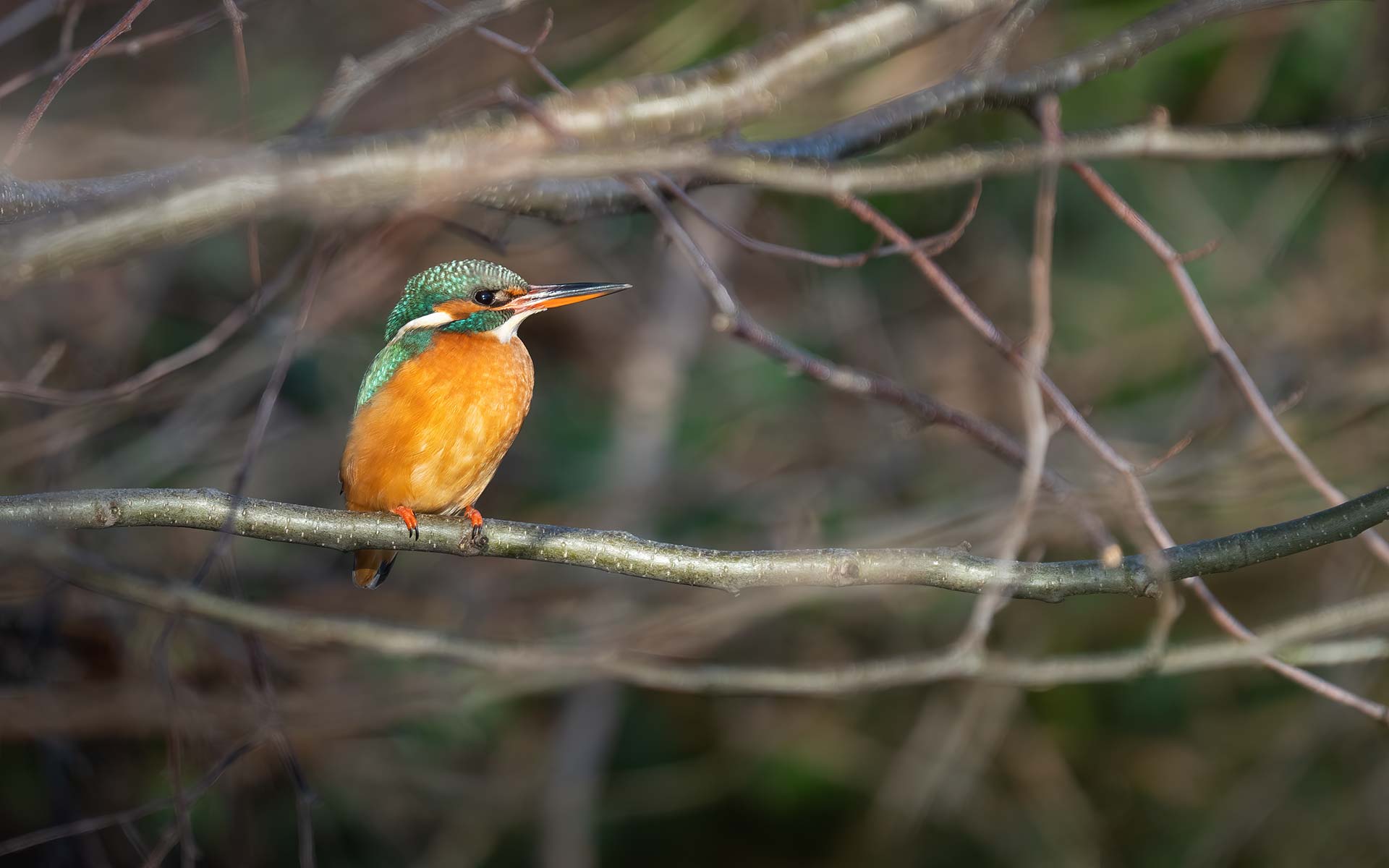
I have dreamt of getting a close-up of a Kingfisher for a long time. Last year a Kingfisher was reported in a small lake near my home, and I was ecstatic. However, it took seven months to study the little birds heaviour before I and another photographer finally managed to get close to it.
We shot a series of photos from our hiding spot through heavy branches, but we got the shots we wanted.
Equipment: Sony A1 + Sony FE 200-600 mm F5.6-6.3 G OSS.
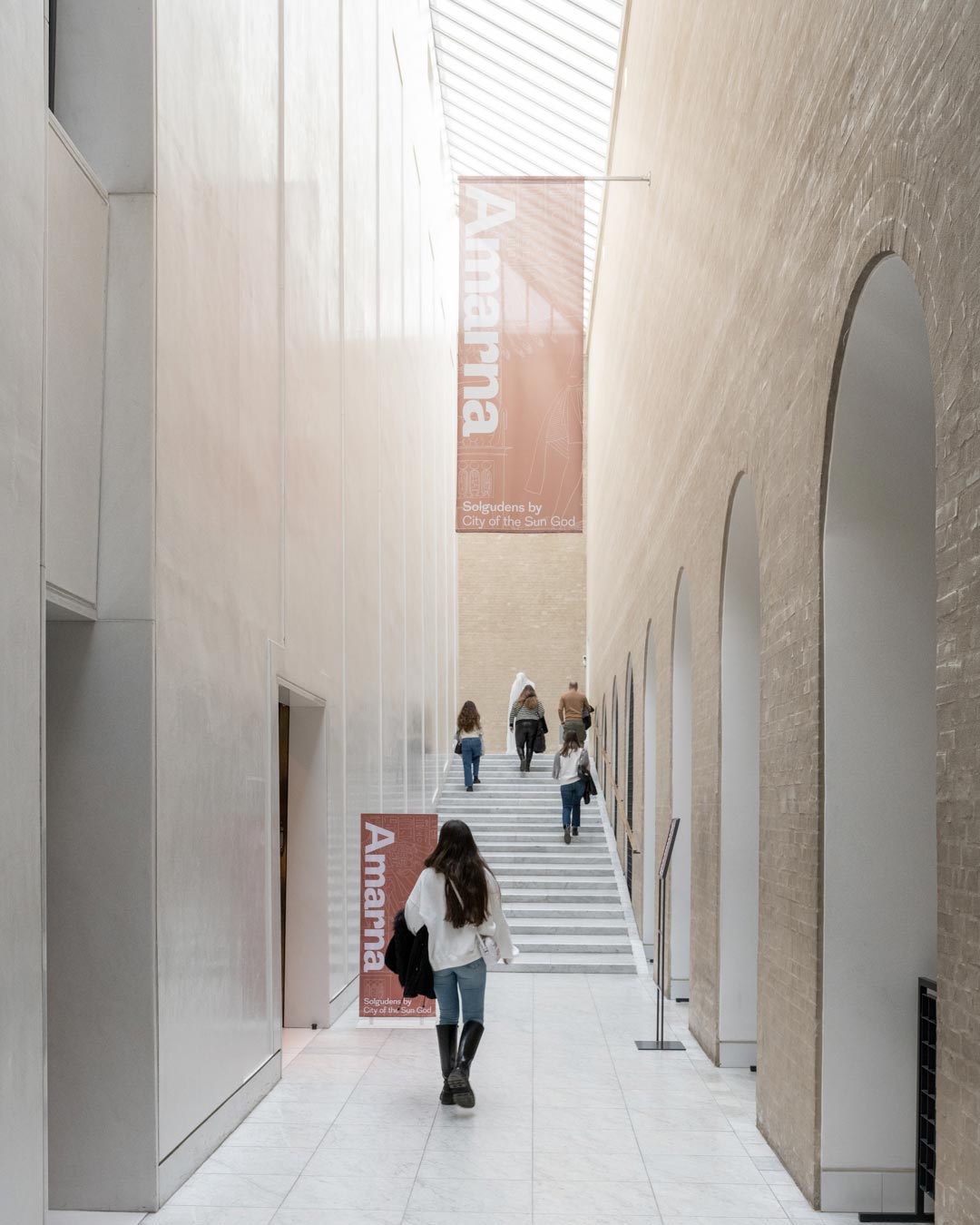
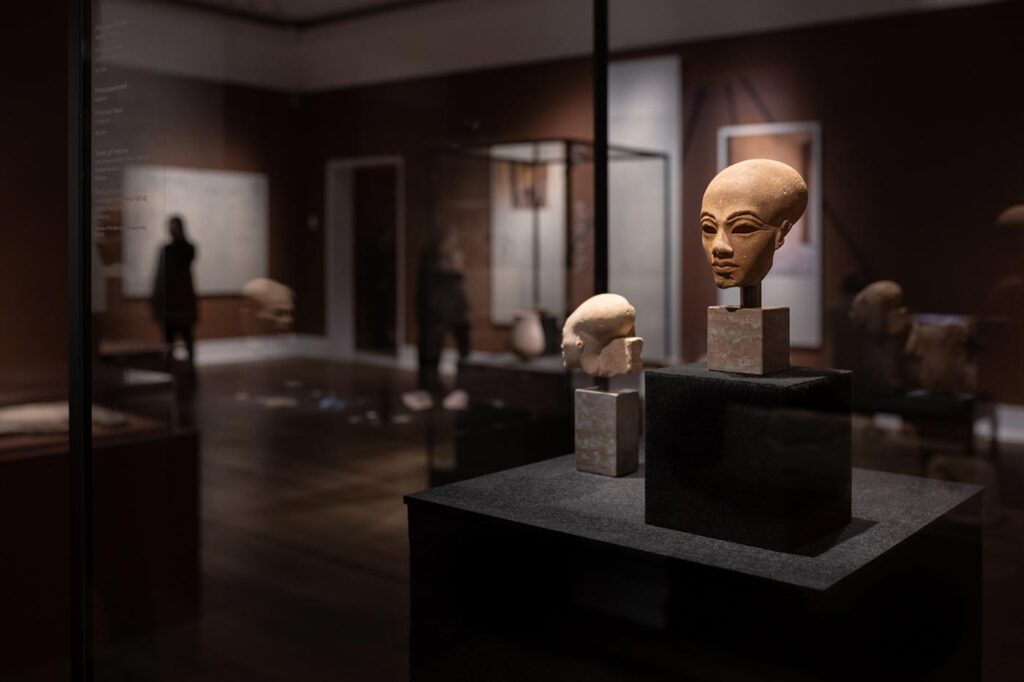
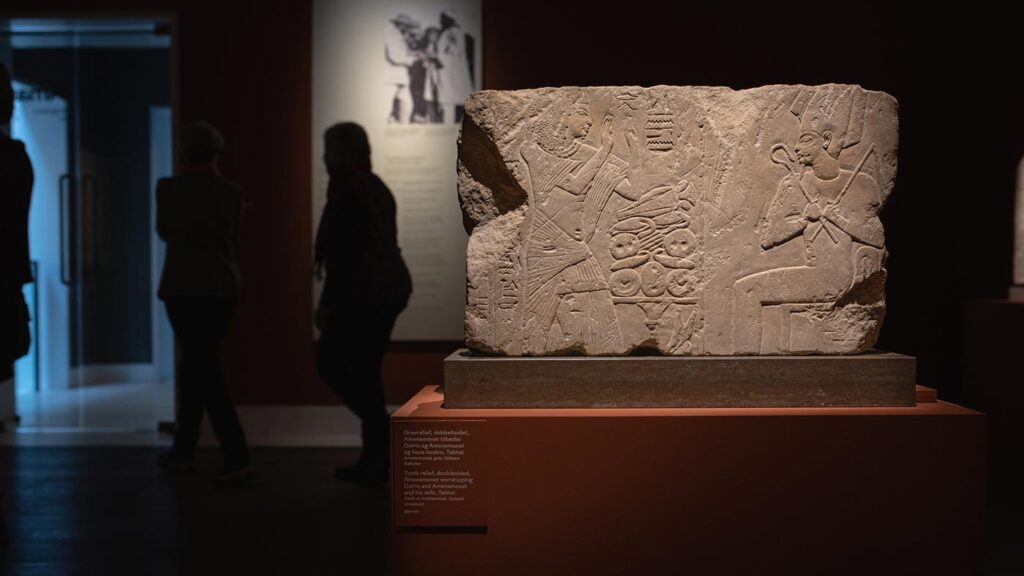
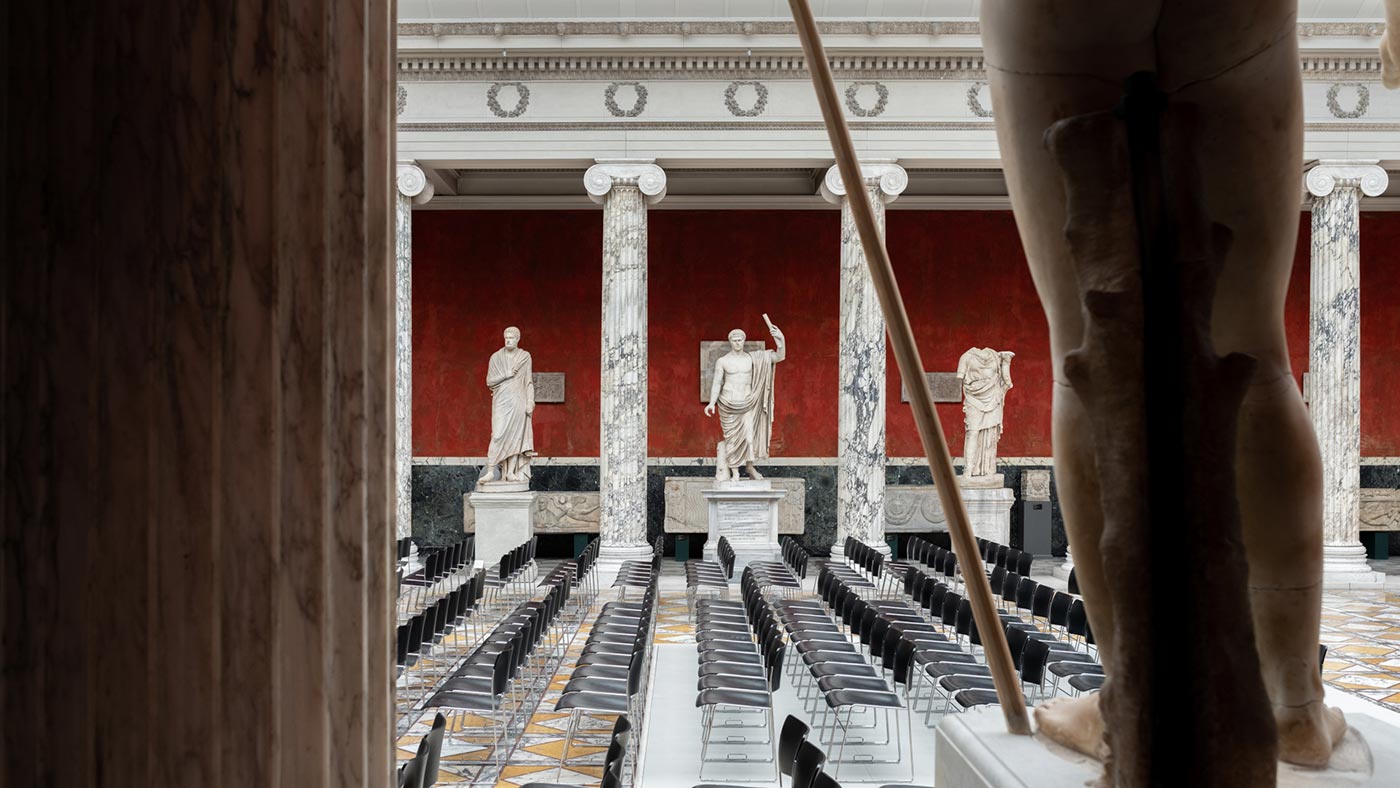
I recently revisited the Glyptotek in Copenhagen to experience their newly opened ‘Amarna – City of the Sun God’ exhibition. I have read extensively on this specific period of ancient Egypt and always welcome the opportunity to see the ancient artefacts from this lost city.
Poster for the Glyptotek's Amarna exhibit
I brought my trusty Nikon Z7II camera and using the FTZ adapter to attach a Sigma 35mm Art 1.4 lens. In this post you can read more about the Amarna period, the Glyptotek and see my photos from the various exhibitions.
The Amarna period
The Amarna period in ancient Egypt, lasting from 1353 to 1336 BC, was a time of significant religious and political change. Pharaoh Akhenaten, who ruled during this time, abolished the traditional polytheistic religion and introduced a new monotheistic religion centered around the worship of the sun disk, the Aten. A new capital city, Akhetaten (now known as Amarna), was built where Akhenaten and his queen Nefertiti were buried. This period is also known for its distinctive art style, which featured a new realism and a focus on the human form.
Entrance to the exhibition
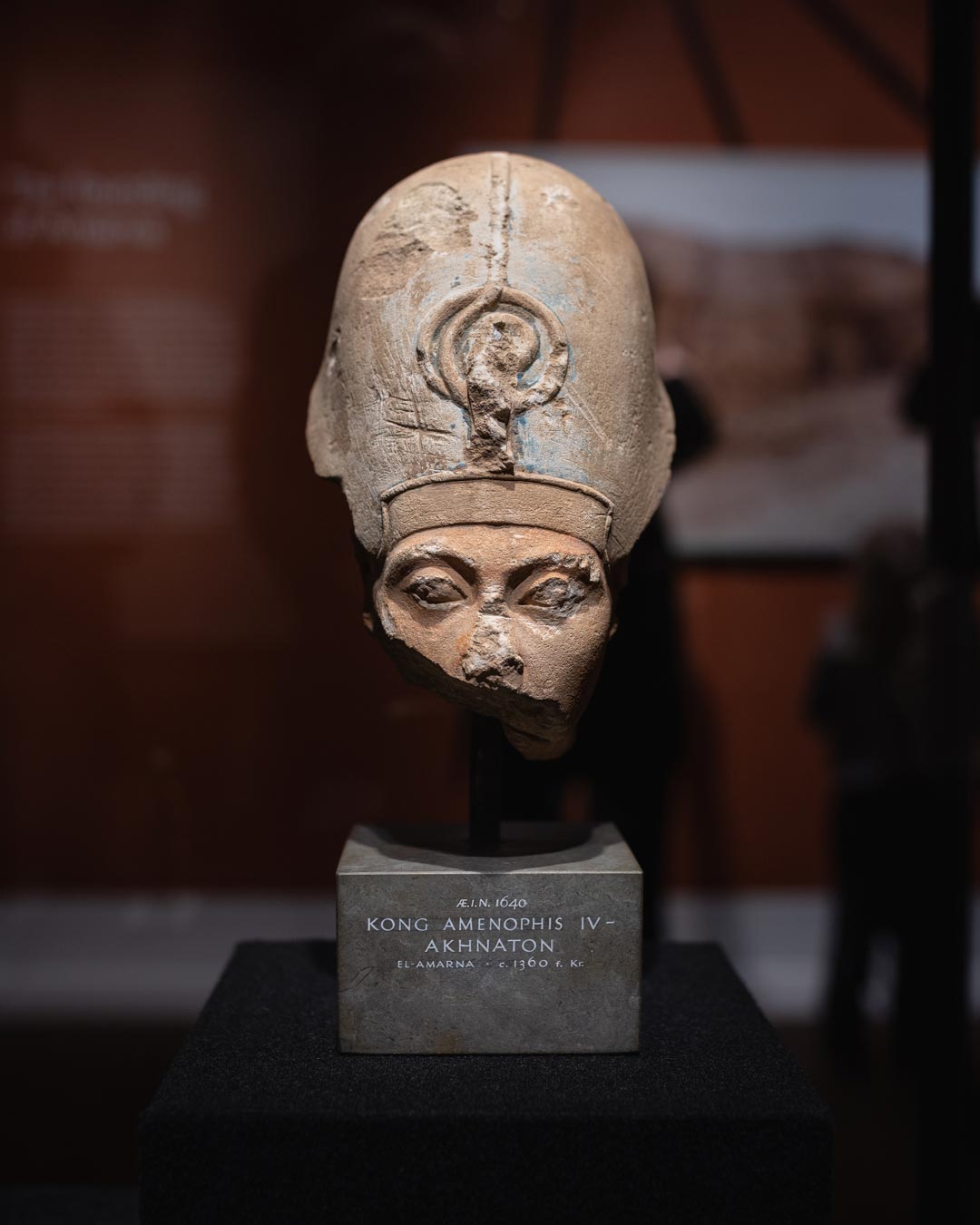
Broken bust of Akhenaten
In Glyptotek’s exhibition, parts of the lost city are brought to life with recreations of a temple wall, a column in a chapel and a palace floor. Photos, drawings, and a 3d animated video provide an insight into life in the magnificent city.
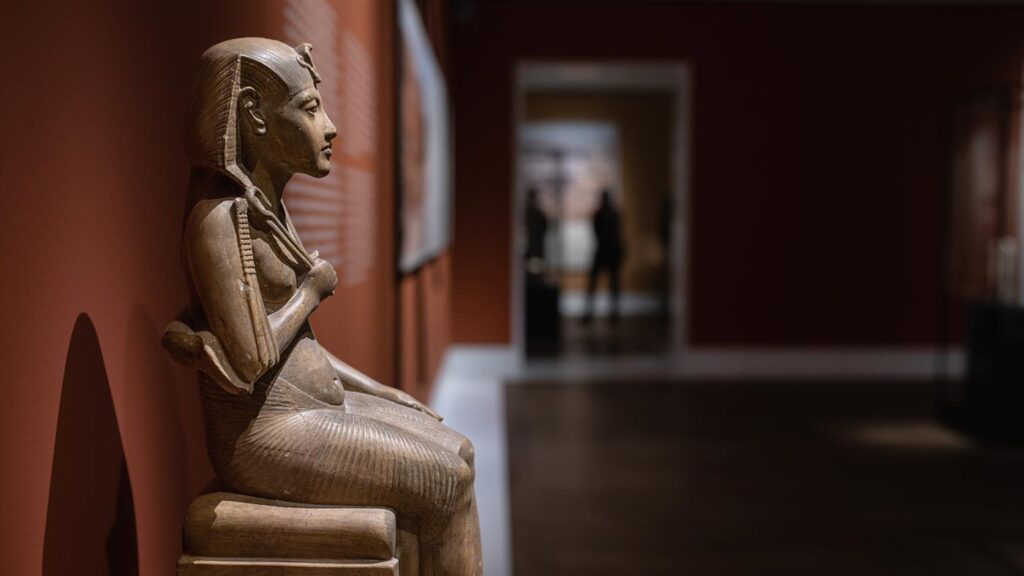
Statue of Akhenaten - Taken with a Nikon Z7II + Sigma 35mm Art 1.4
Taken with a Nikon Z7II + Sigma 35mm Art 1.4
Taken with a Nikon Z7II + Sigma 35mm Art 1.4
You can read more about the exhibition ‘Amarna – City of the Sun God’ on The Glyptotek’s website here.
The Glyptotek
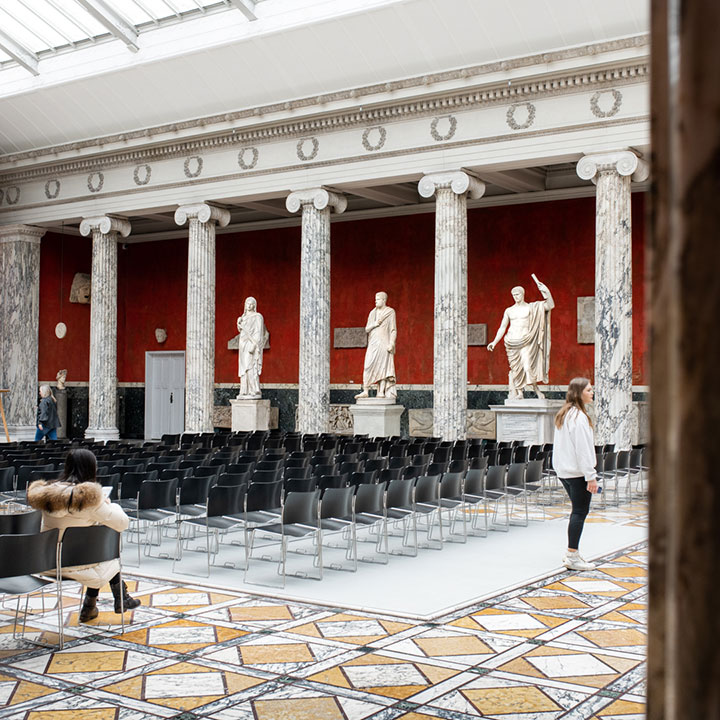
The Ny Carlsberg Glyptotek is an art museum in Copenhagen, Denmark. It is located near the city center and is known for its collection of ancient Egyptian, Greek, and Roman art, as well as a large collection of French Impressionist and Post-Impressionist art. The museum also features a beautiful winter garden. It was founded by the brewer Carl Jacobsen in 1888.
Taken with a Nikon Z7II + Sigma 35mm Art 1.4 (ISO800, F5.6, 1/60)
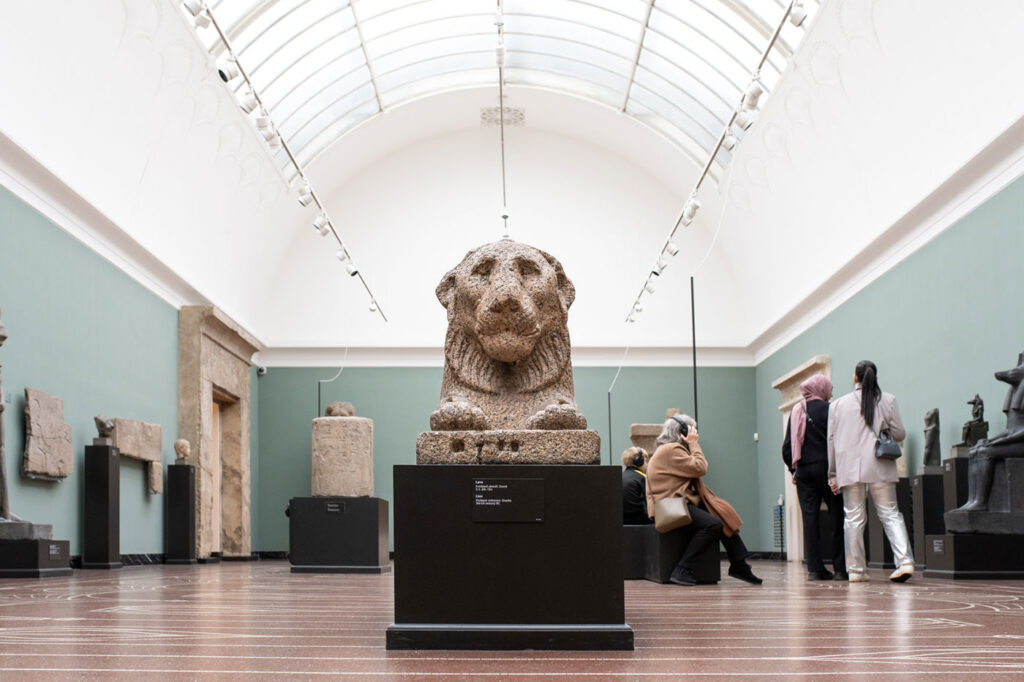
There are plenty of opportunities to take great photos in the Glyptotek’s various exhibitions. I only had a few hours, so I focused on the period of ancient Egypt, Greece and Rome.
Read more about the Glyptotek and their exhibitions on the website www.glyptoteket.com
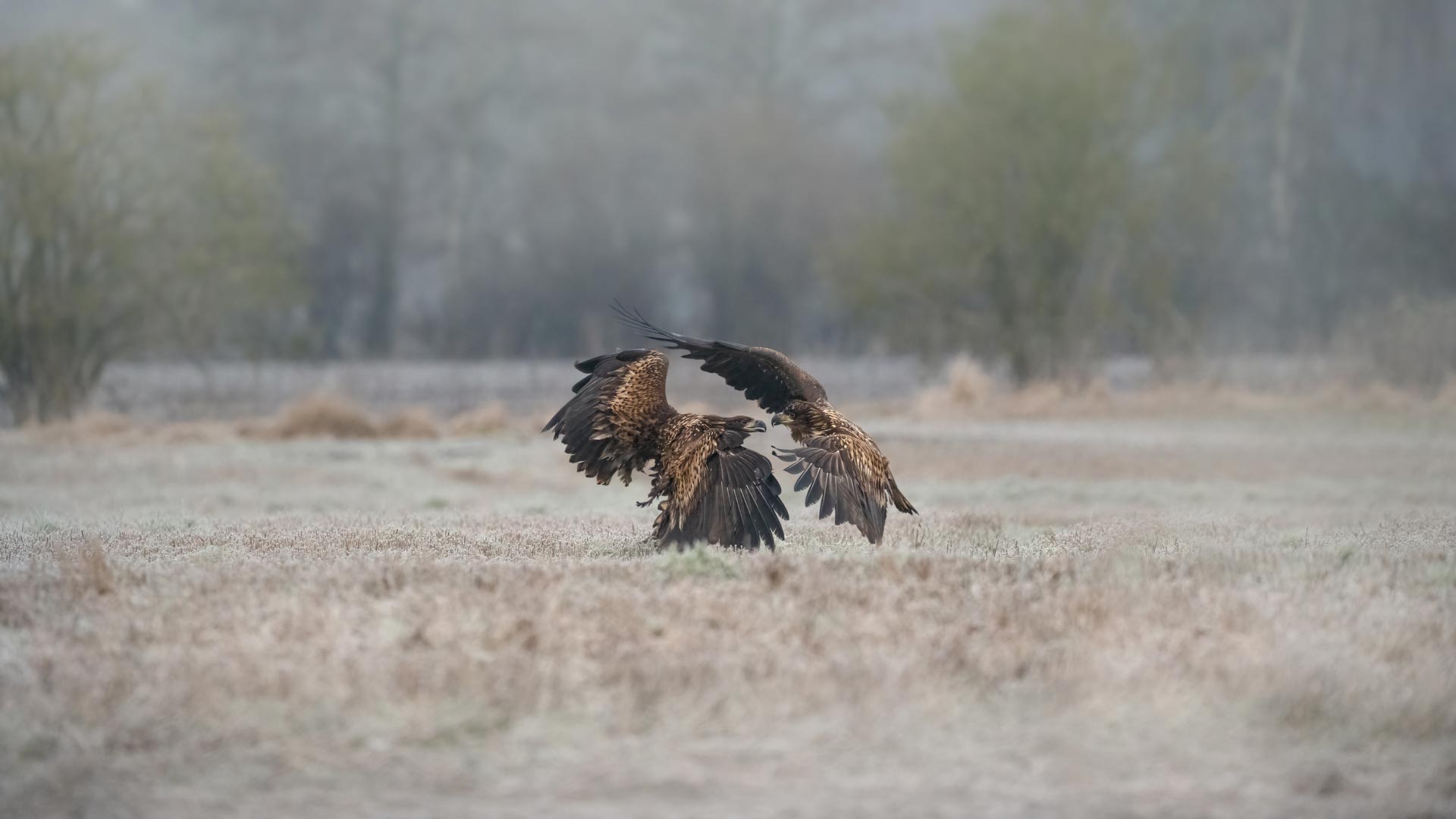
Two white-tailed eagles shot with a Sony A1 + Sony FE 200-600mm, ISO 12800, 600mm, F7.1, 1/2500 sec
Photo hide in Southern Sweden
In January 2023, I spent a night and a day in Friskens örn och fotogömsle (Frisken’s Eagle and Photo Hide) near Kristianstad in Southern Sweden. The hide was only an hour’s drive from Ystad Harbour, so it was an easy trip from both Bornholm and Copenhagen.
You are not allowed outside the hide during daylight hours, so you must arrive at the hide before sunset and leave only once the sun sets entirely and everything becomes dark outside the hide. This way, you don’t scare off the birds in the area, and they won’t associate the hide with human activity.
Along with @mariusfolkmann I arrived Friday night and was shown the hide and its facilities. It has a primitive camping toilet, a solar-powered phone charger and a gas heater so you won’t freeze the whole time. However, it is cold in January, and the heater can’t run the entire time, so bring warm clothes.
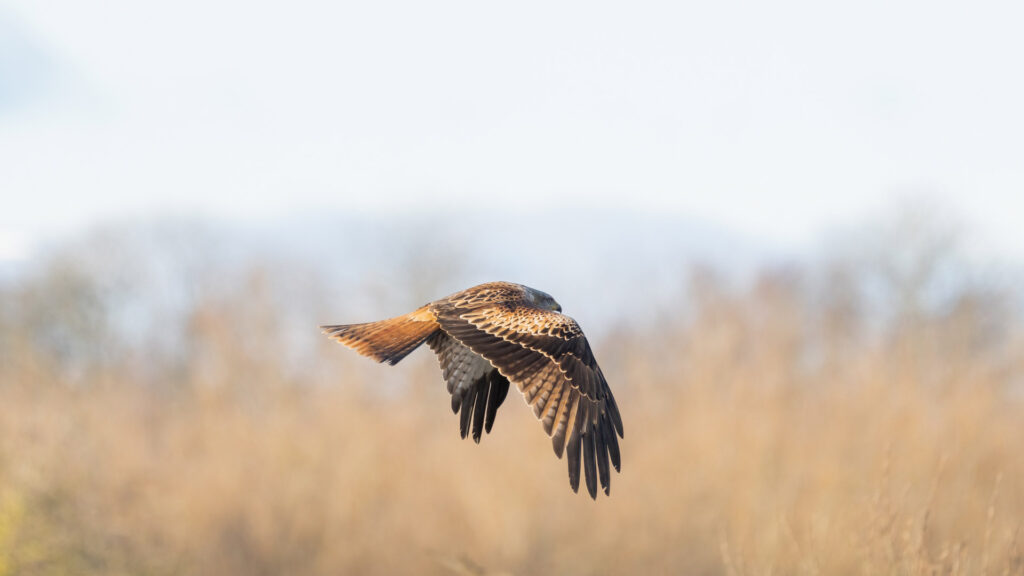
Red Kite shot with a Sony A1 + Sony FE 200-600mm, ISO 640, 600mm, F7.1, 1/2000 sec
We slept in the hide and woke up early at around 6 AM to remove the outside hatches and ready the camera equipment. I brought my new Sony A1 with a 200-600 mm lens. My maiden shoot with this new camera.
Around 9 AM, the first white-tailed eagle landed, and it just kept getting more and more enjoyable during the rest of the day. We saw 4-5 white-tailed eagles, 30-40 red kites, one kingfisher and possibly a rare black kite. Sadly we didn’t see any golden eagles, but then there is an excellent excuse to revisit the hide.
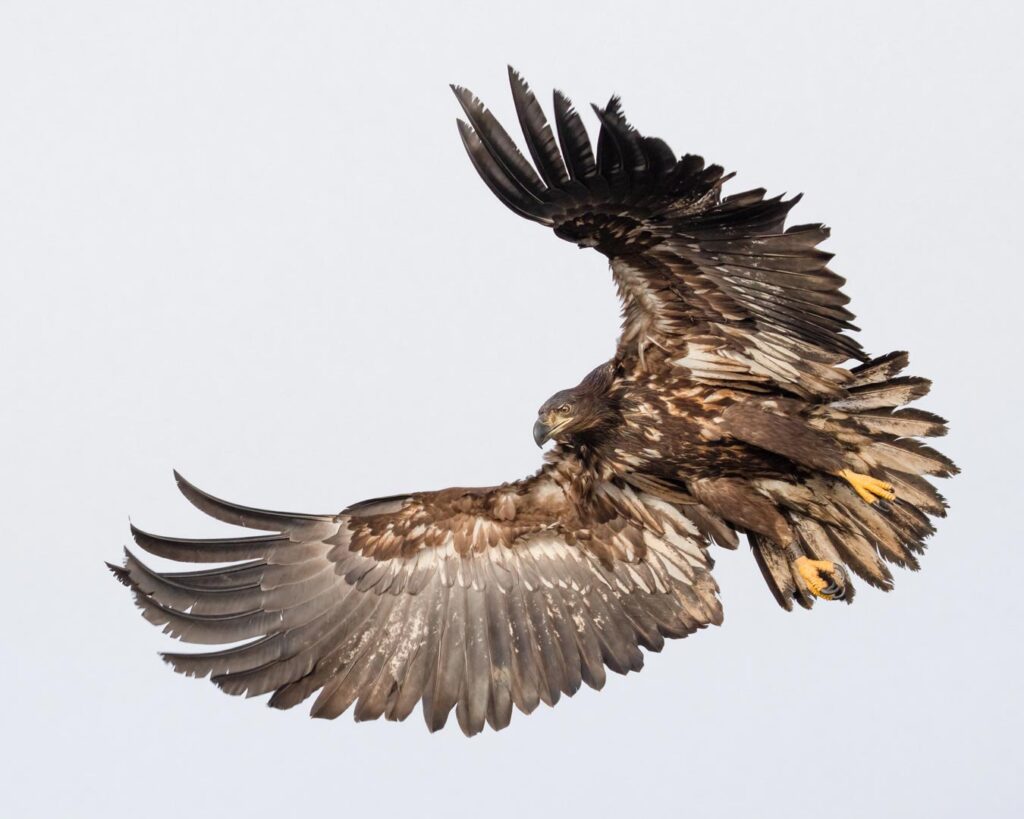
White-tailed eagle shot with a Sony A1 + Sony FE 200-600mm, ISO 800, 315mm, F7.1, 1/2500 sec
The white-tailed eagle (Haliaeetus albicilla)
is a large bird of prey native to Europe and Asia. It has distinctive white tail feathers, a brown body, and a wingspan of over 2 meters. The species is an apex predator, feeding on fish and small mammals, and is considered a symbol of power and freedom in many cultures.
Friskens örn och fotogömsle is highly recommended and I look forward to another trip in the future.
I absolute love the Sony A1 with the 200-600 mm lens. I captured shots I couldn’t with other systems I tried and the 50MP allowed me to crop the image quite a bit. Here are some of my favoirote photos from the day. I used the Sony A1 with the Sony 200-600 lens on a fluid tripod head.