October visit to Friskens Fotogömsle in Vittskövle, Sweden
October once again brought us back to Friskens Fotogömsle in Vittskövle, southern Sweden. Our annual visit has become something of a tradition, and this year we were eager to try the new hide that opened for the 2026 season.
As always, the experience began long before the birds arrived. We spent the night in the hide and were up before dawn, preparing our equipment and watching as the feeding area was set up in the darkness.
For this trip, I was once again shooting with my trusted Sony A1 paired with the Sony 200-600mm lens. The camera had recently been updated to firmware version 4.0, and throughout the entire visit it performed flawlessly.
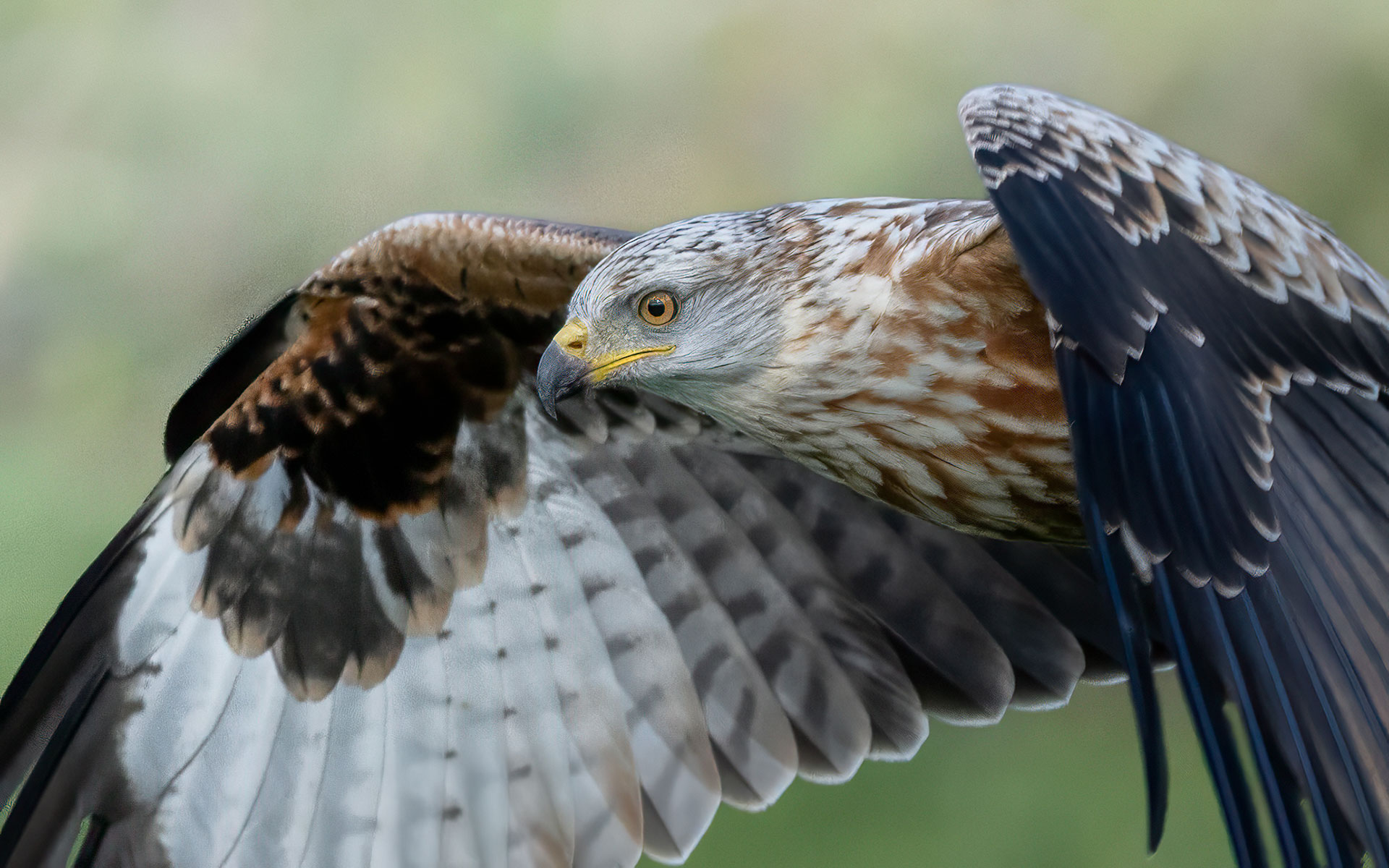
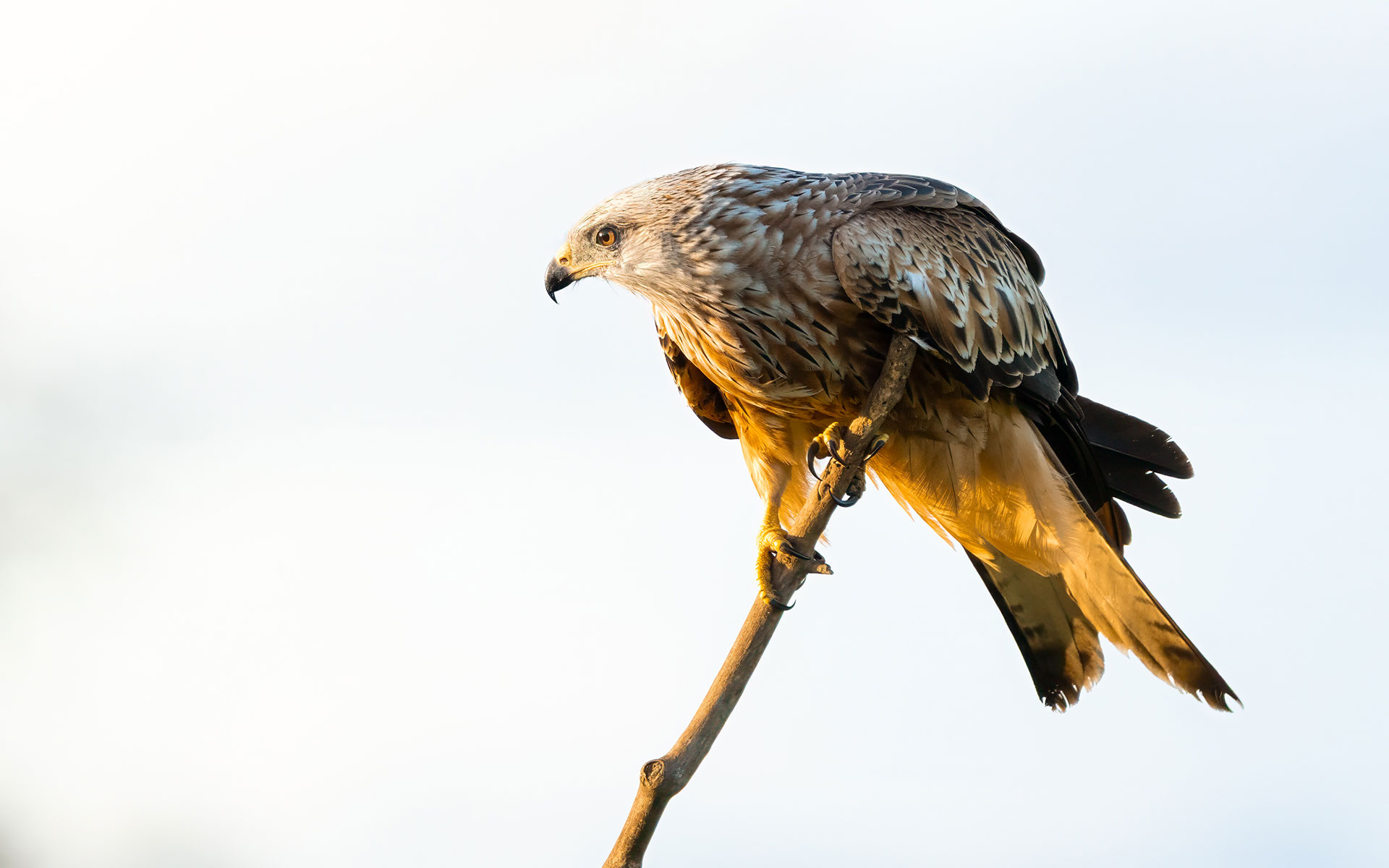
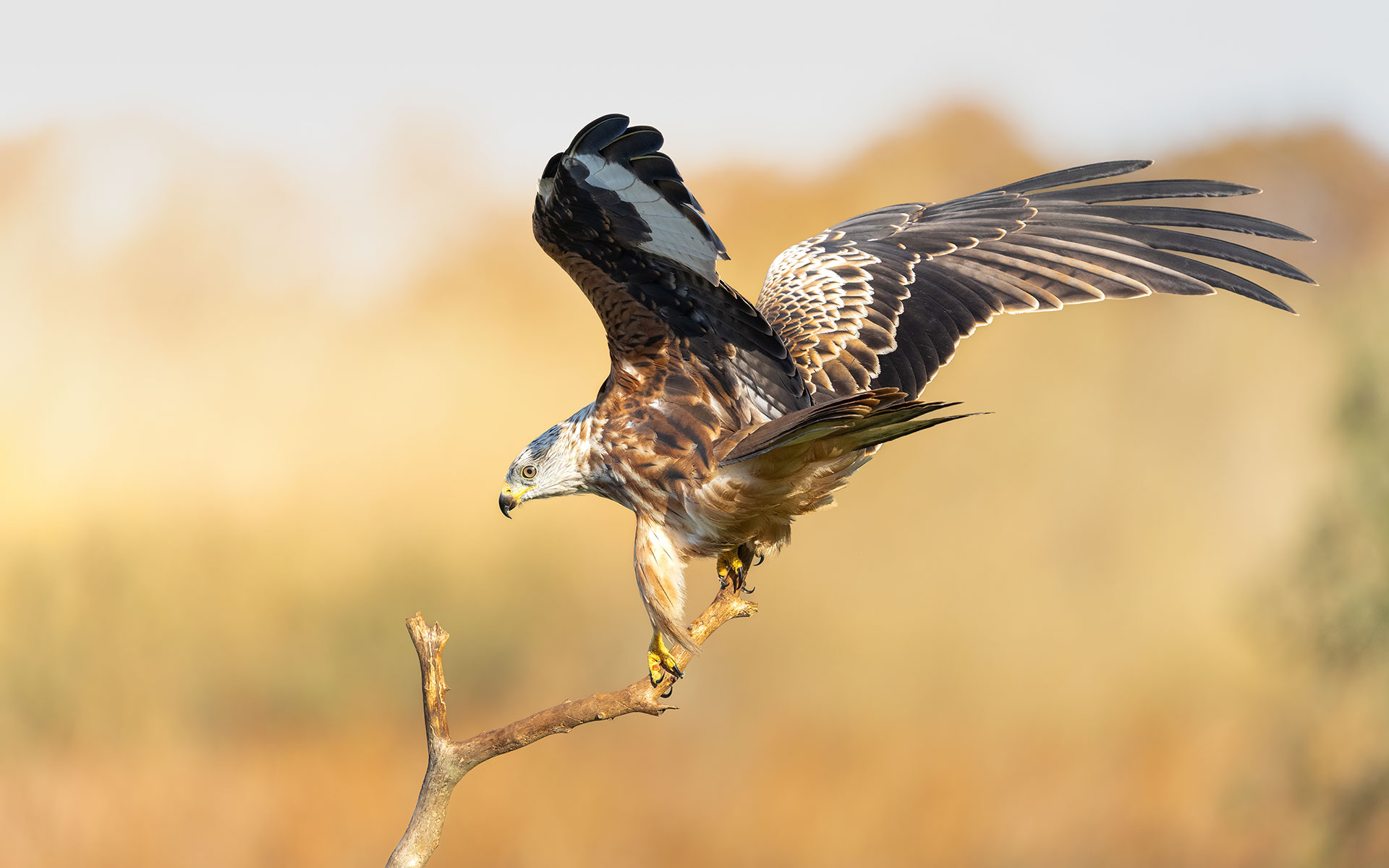
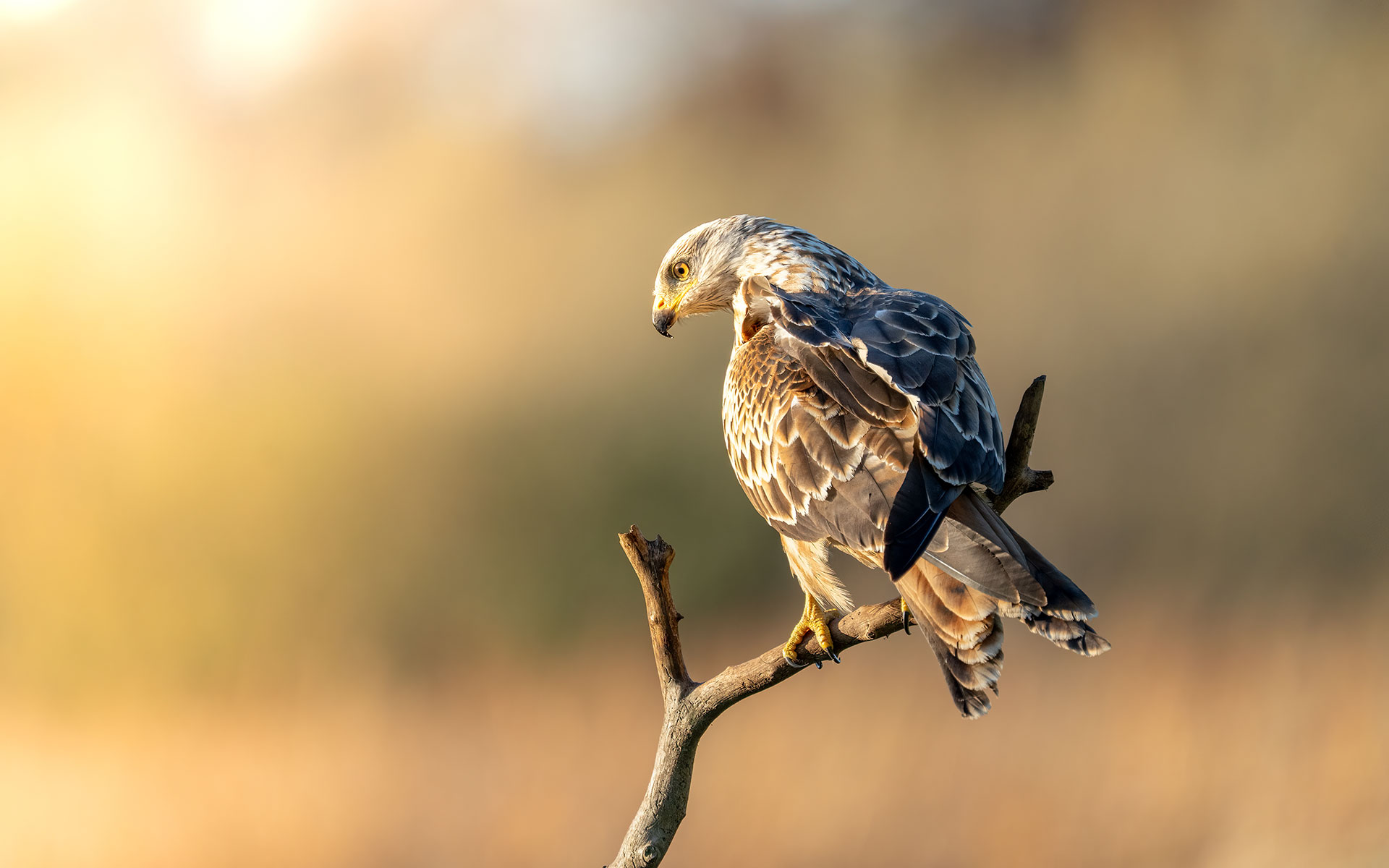
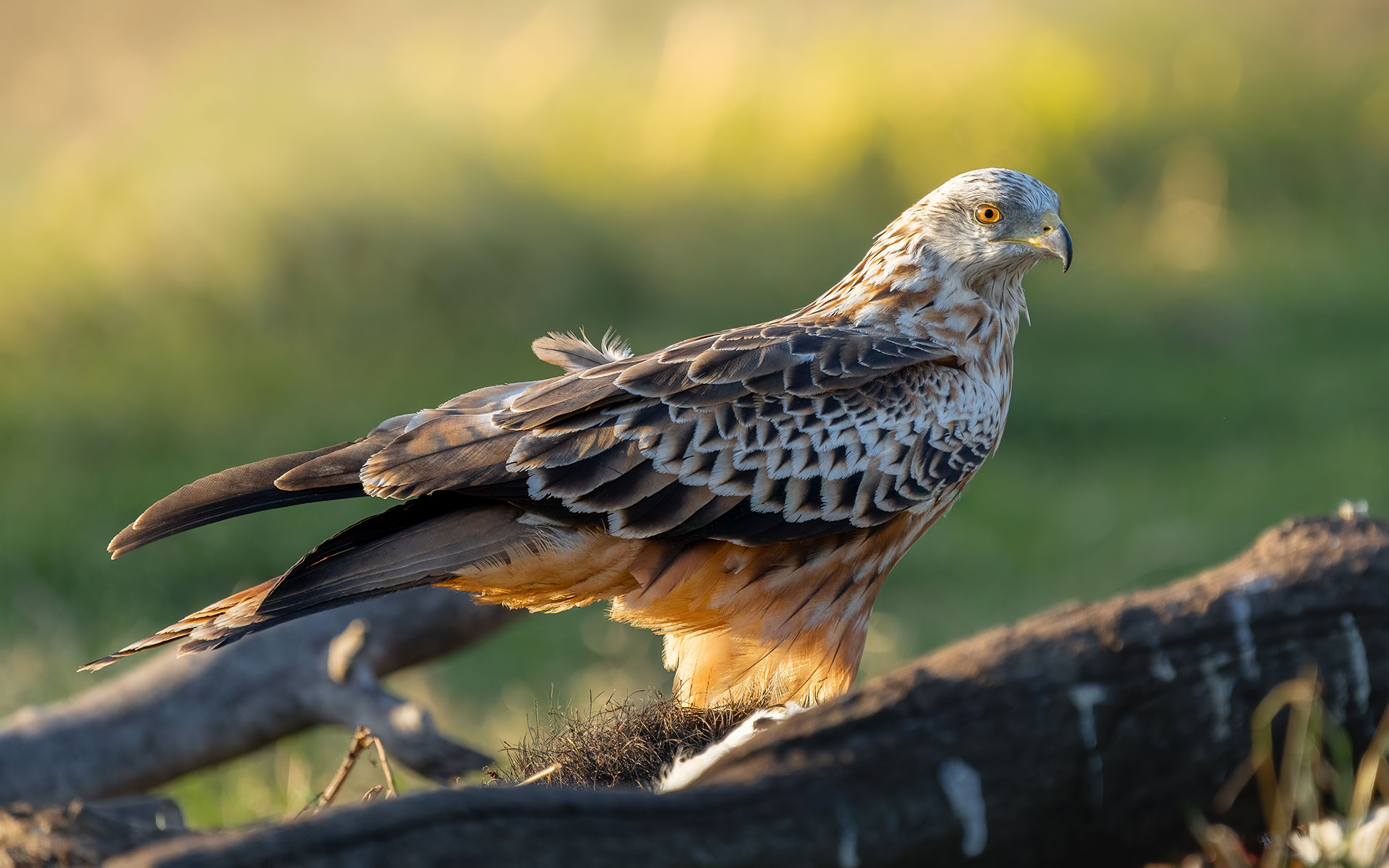
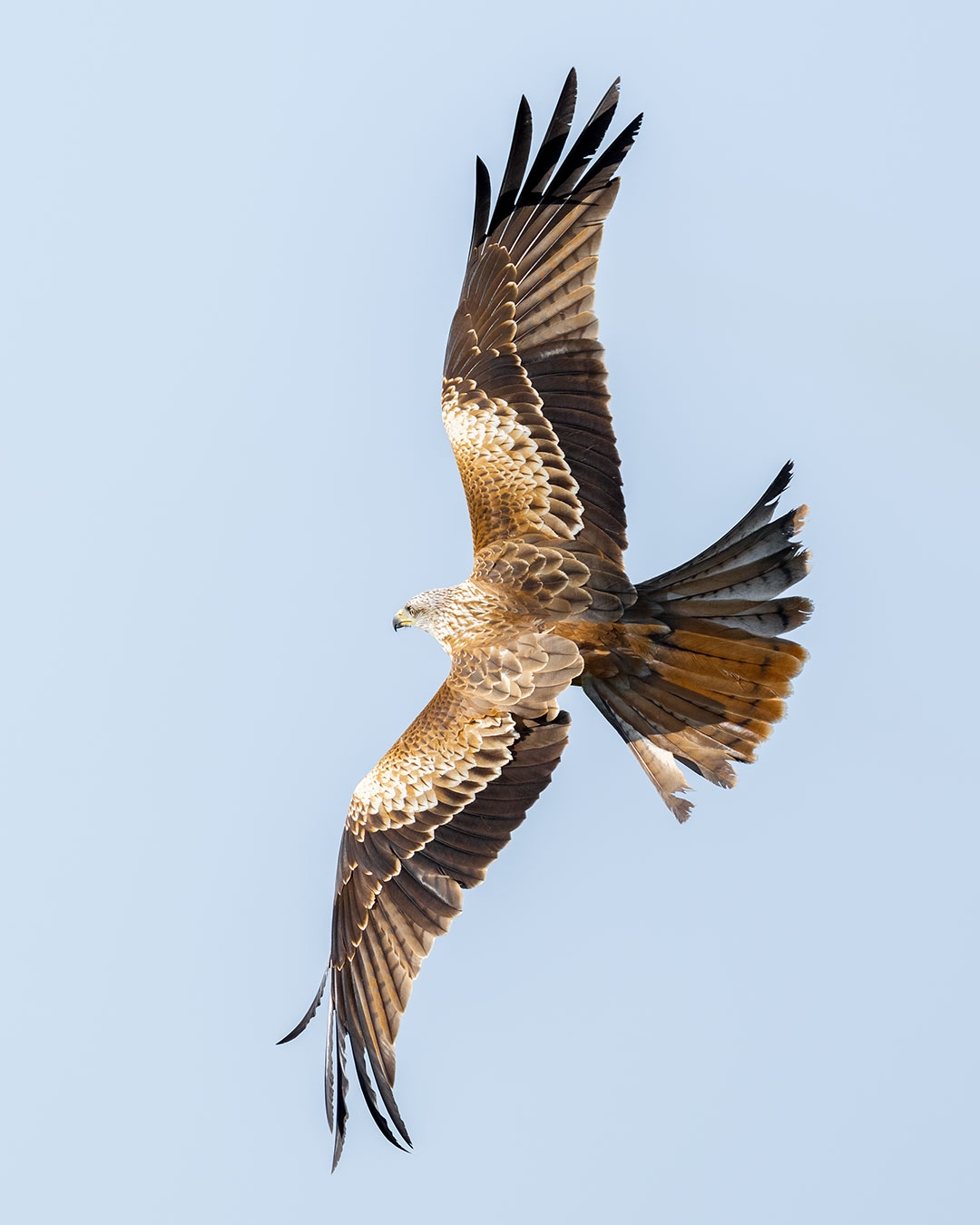
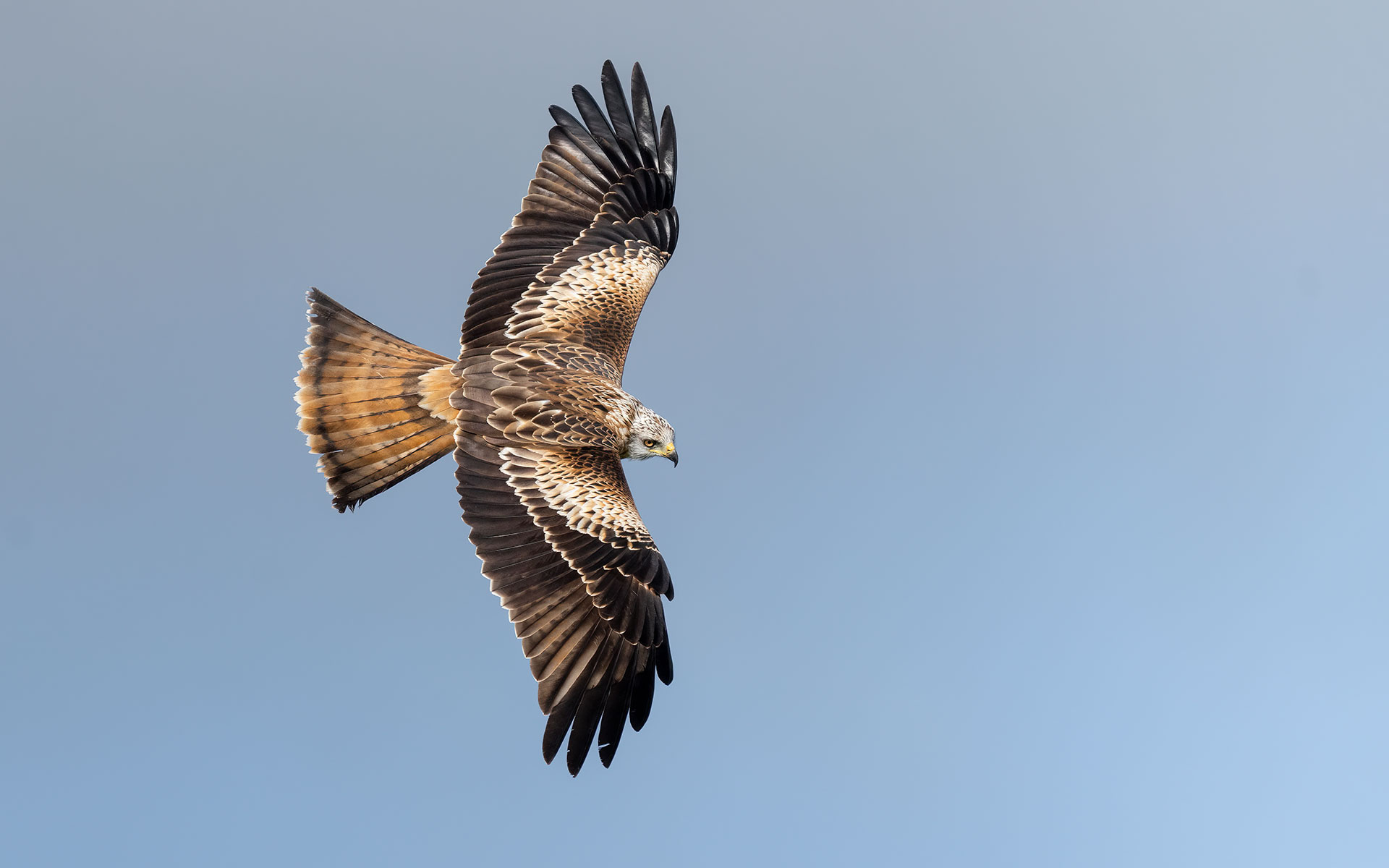
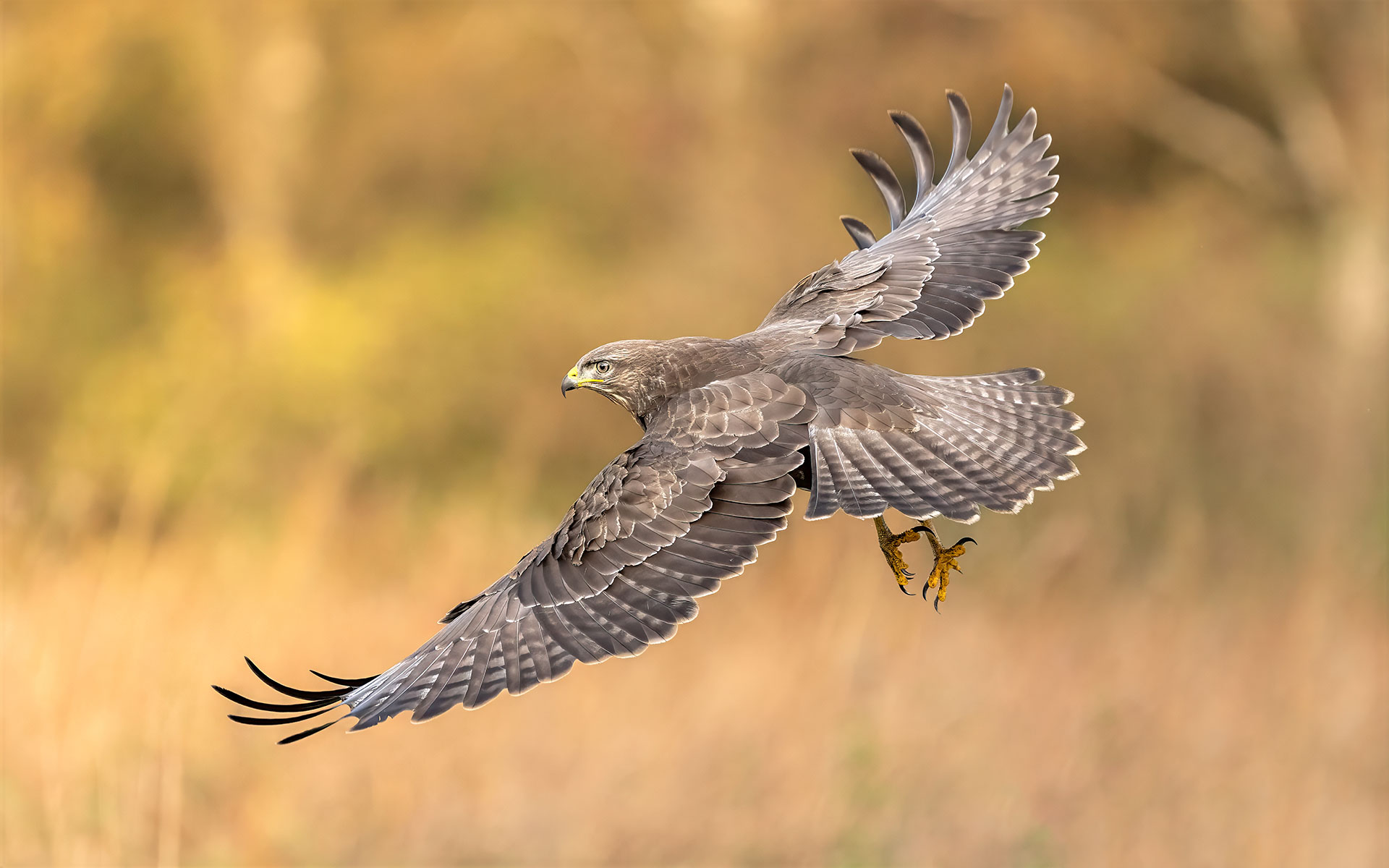
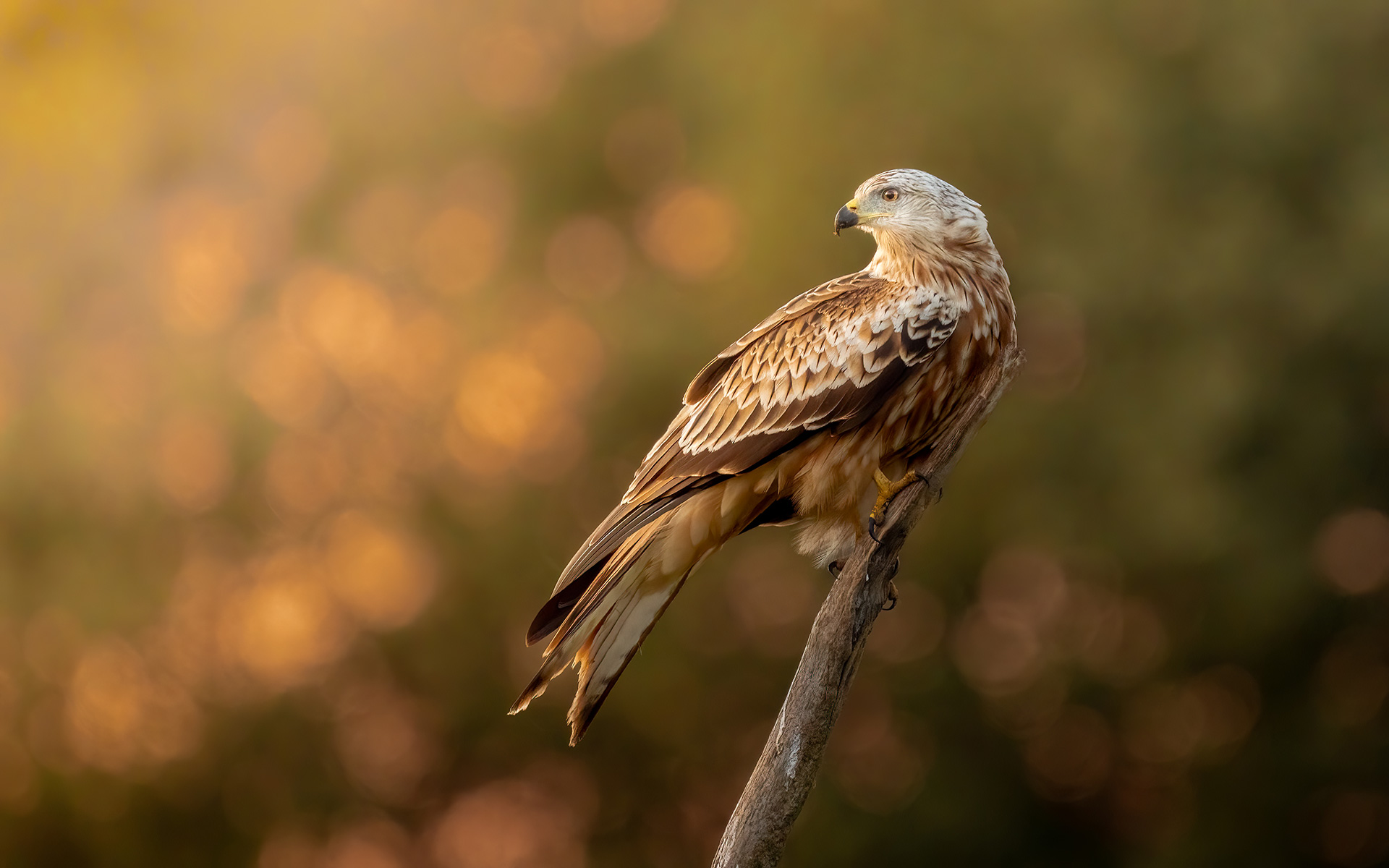
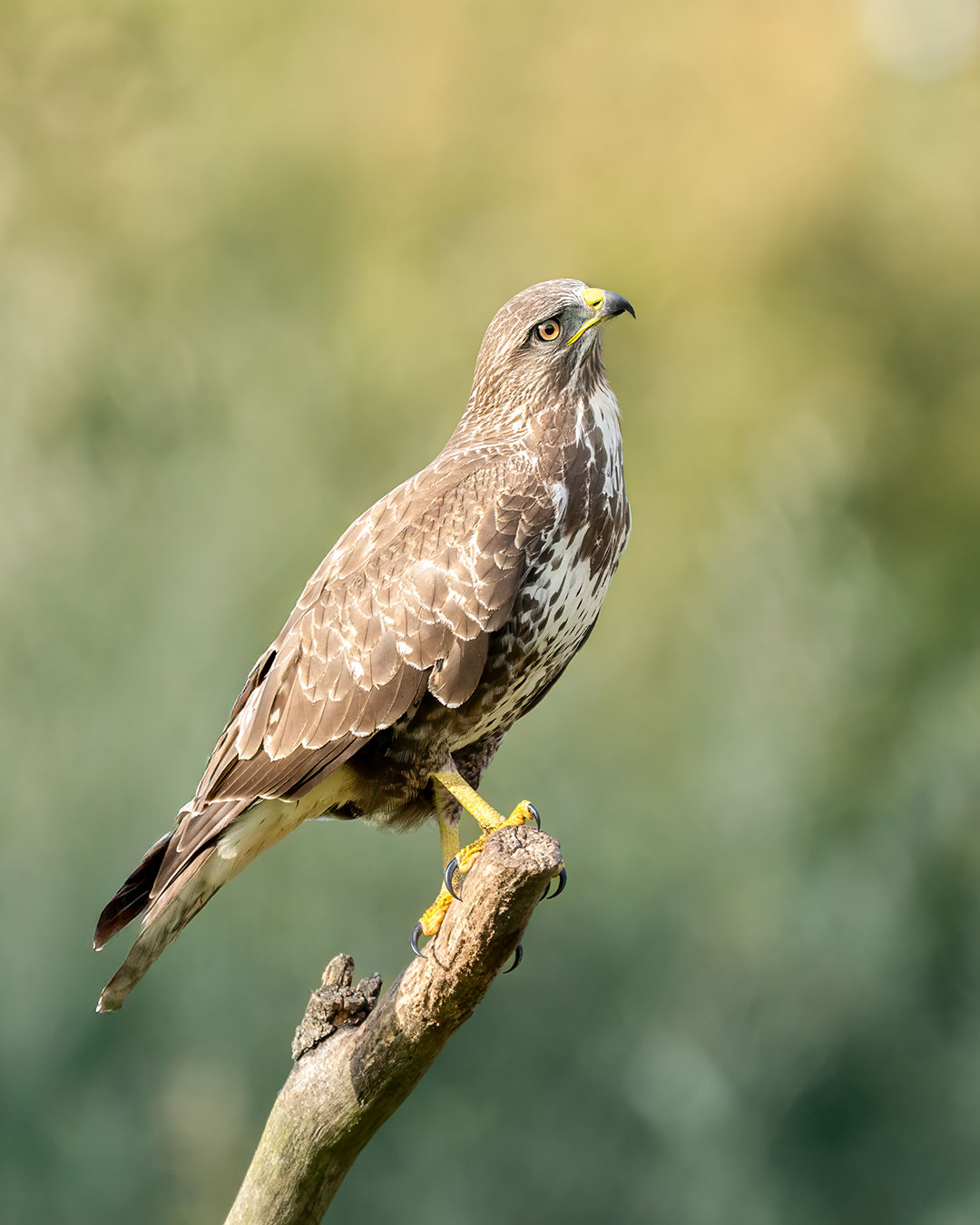
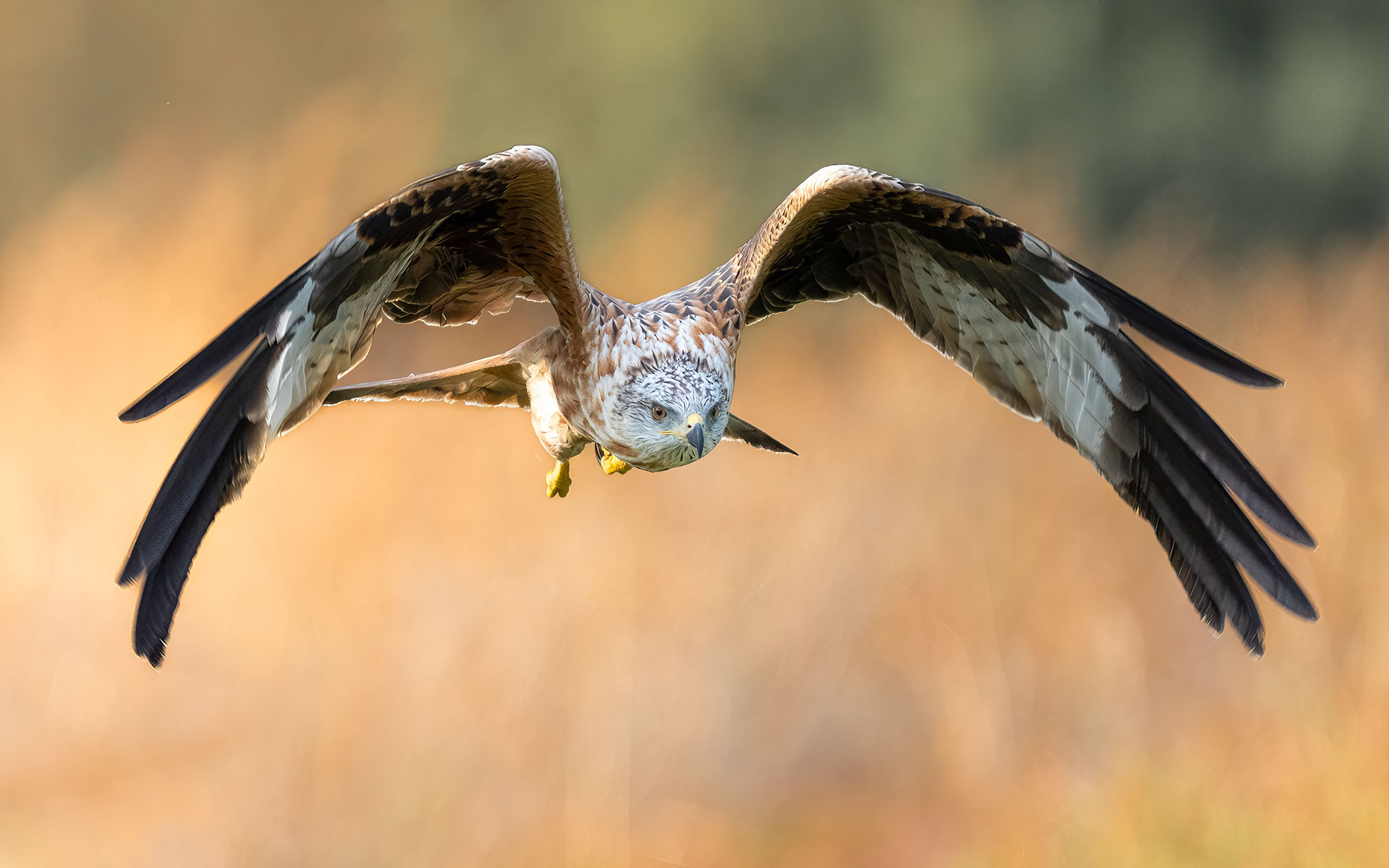
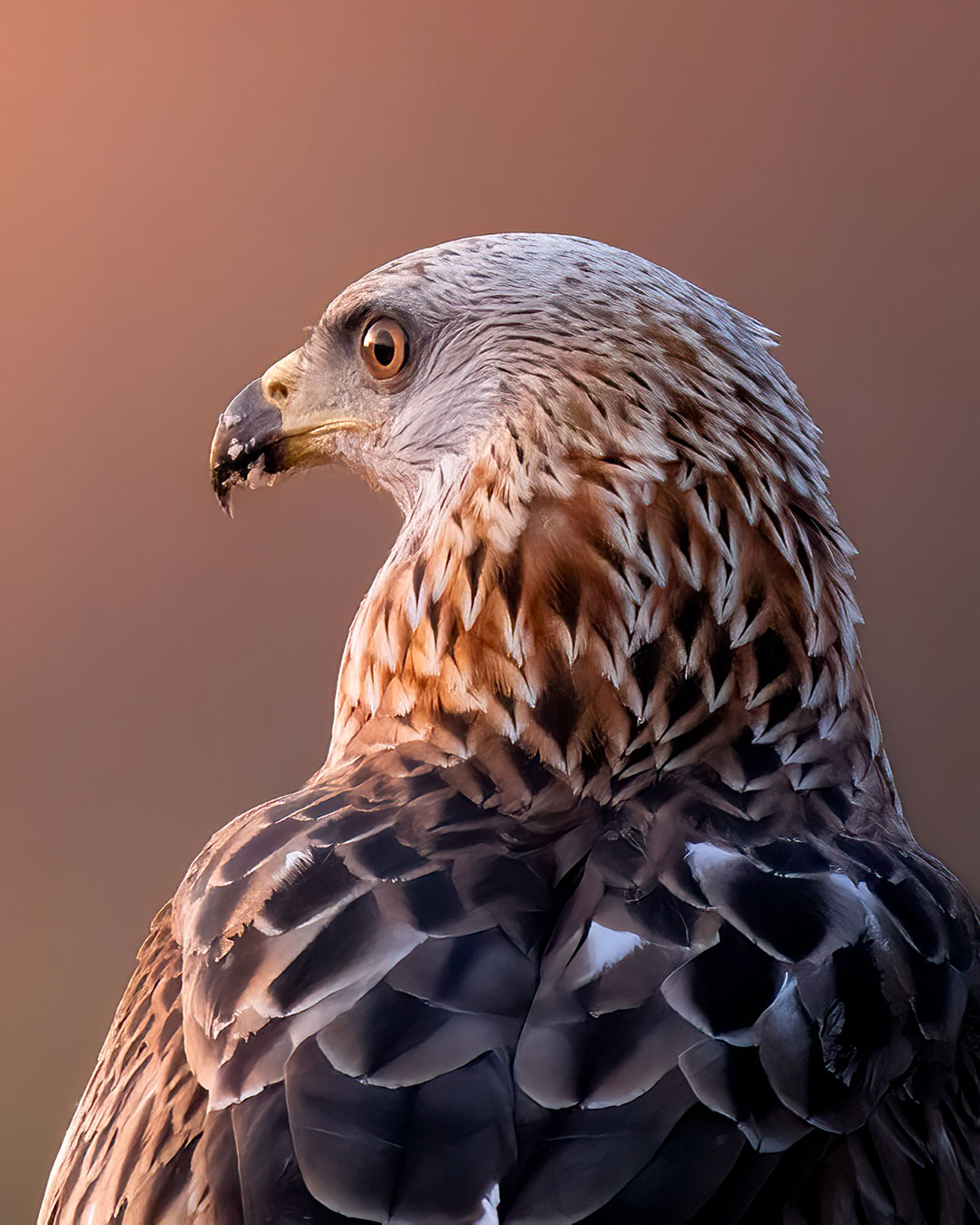
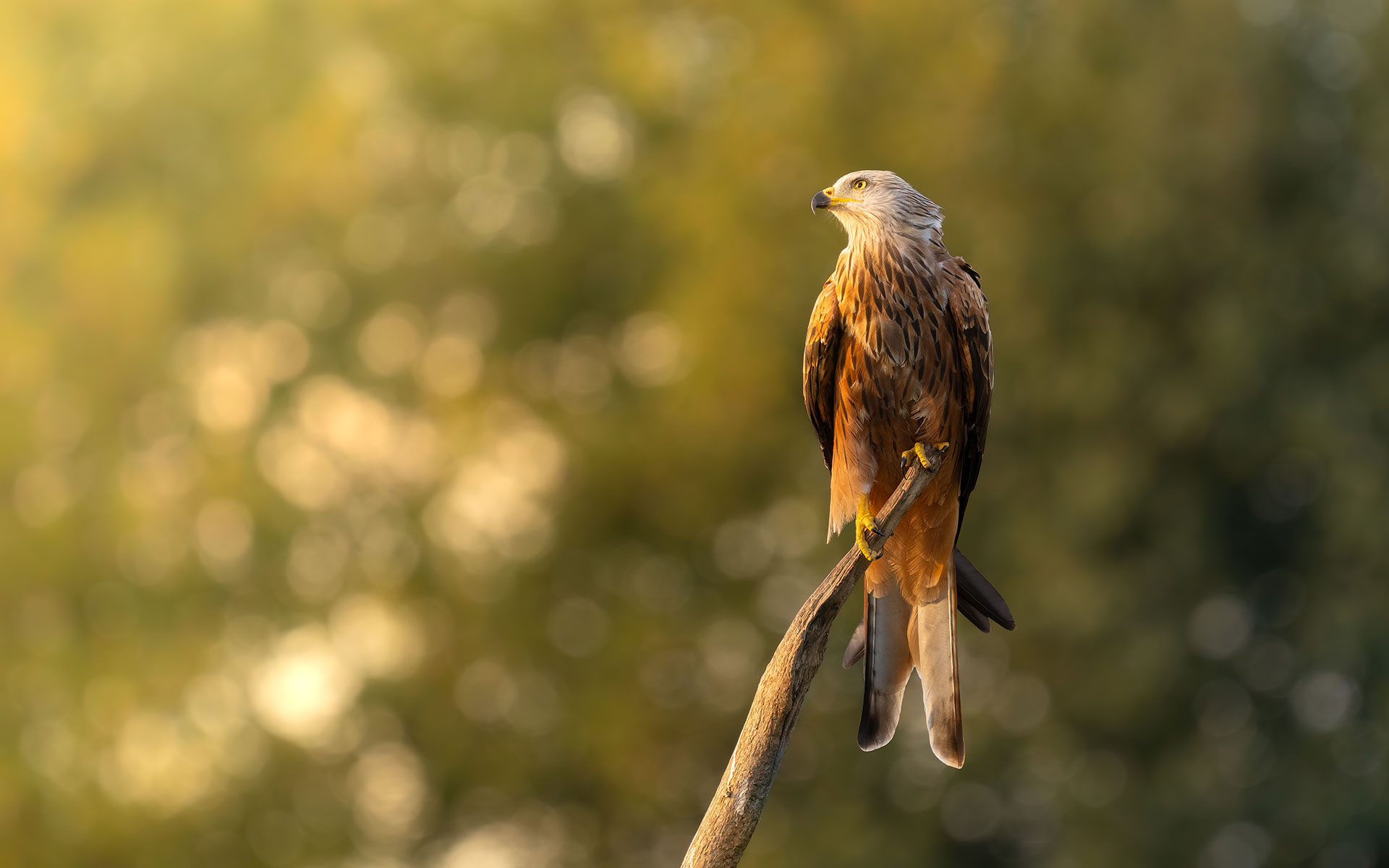
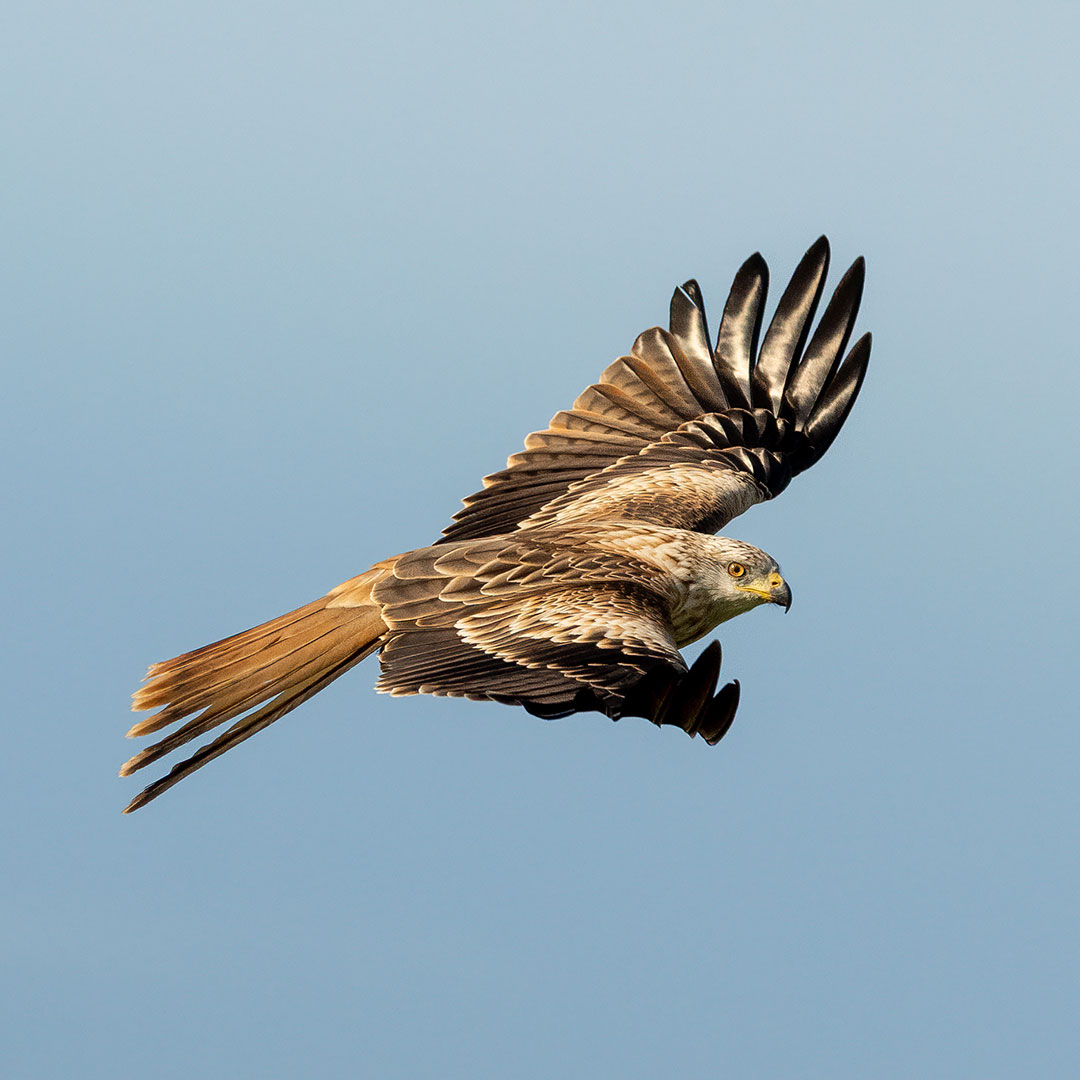
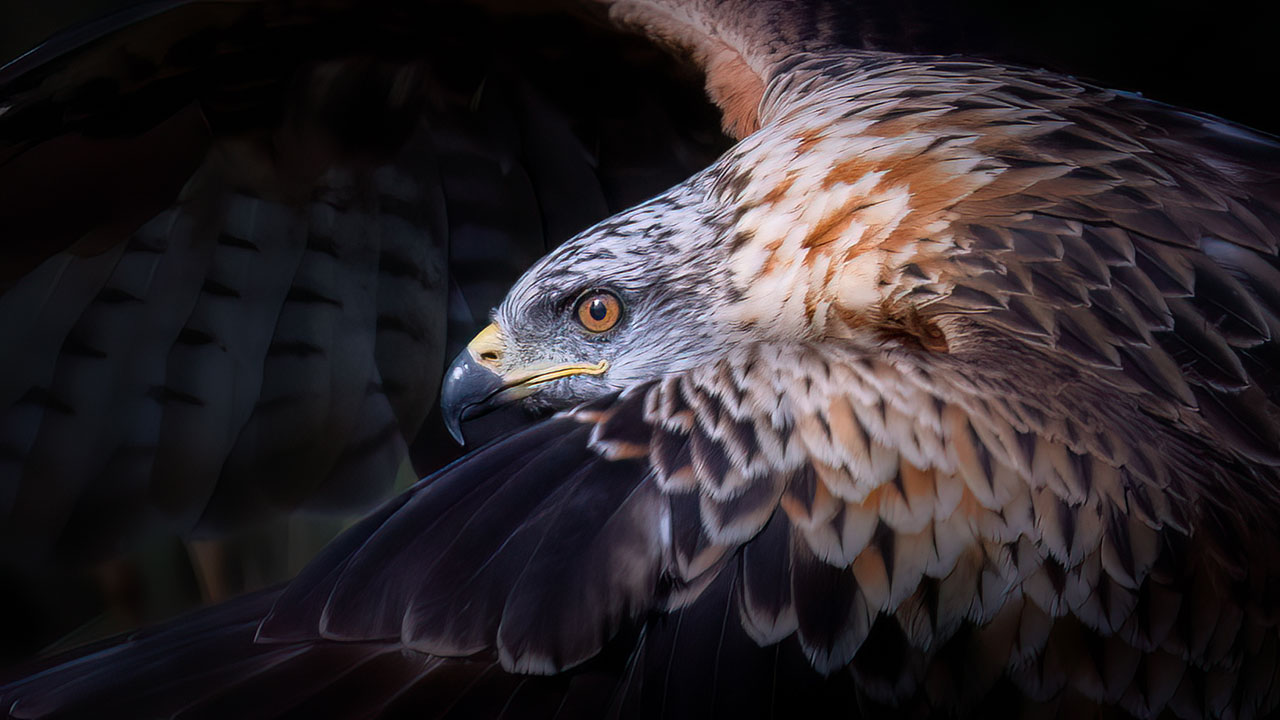
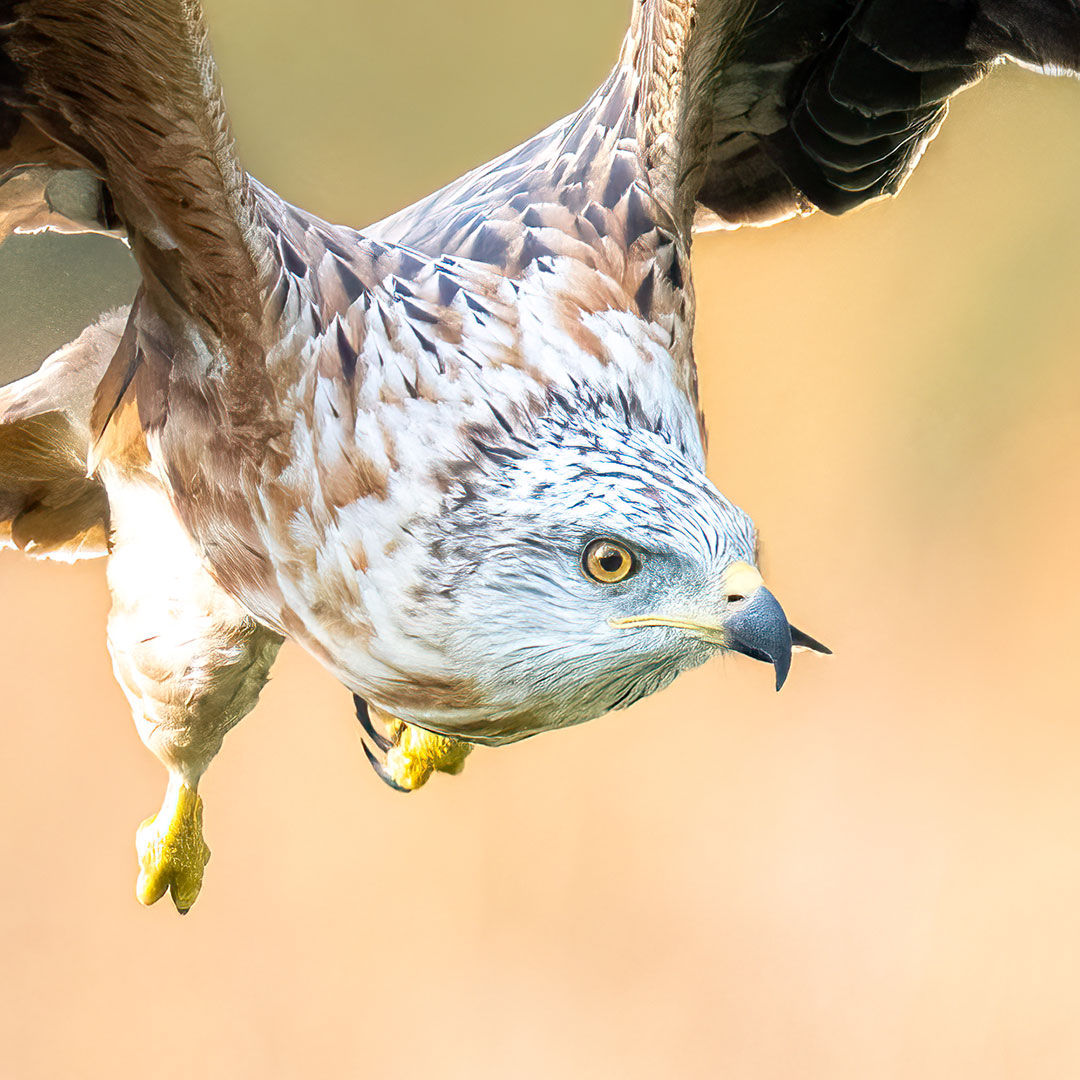
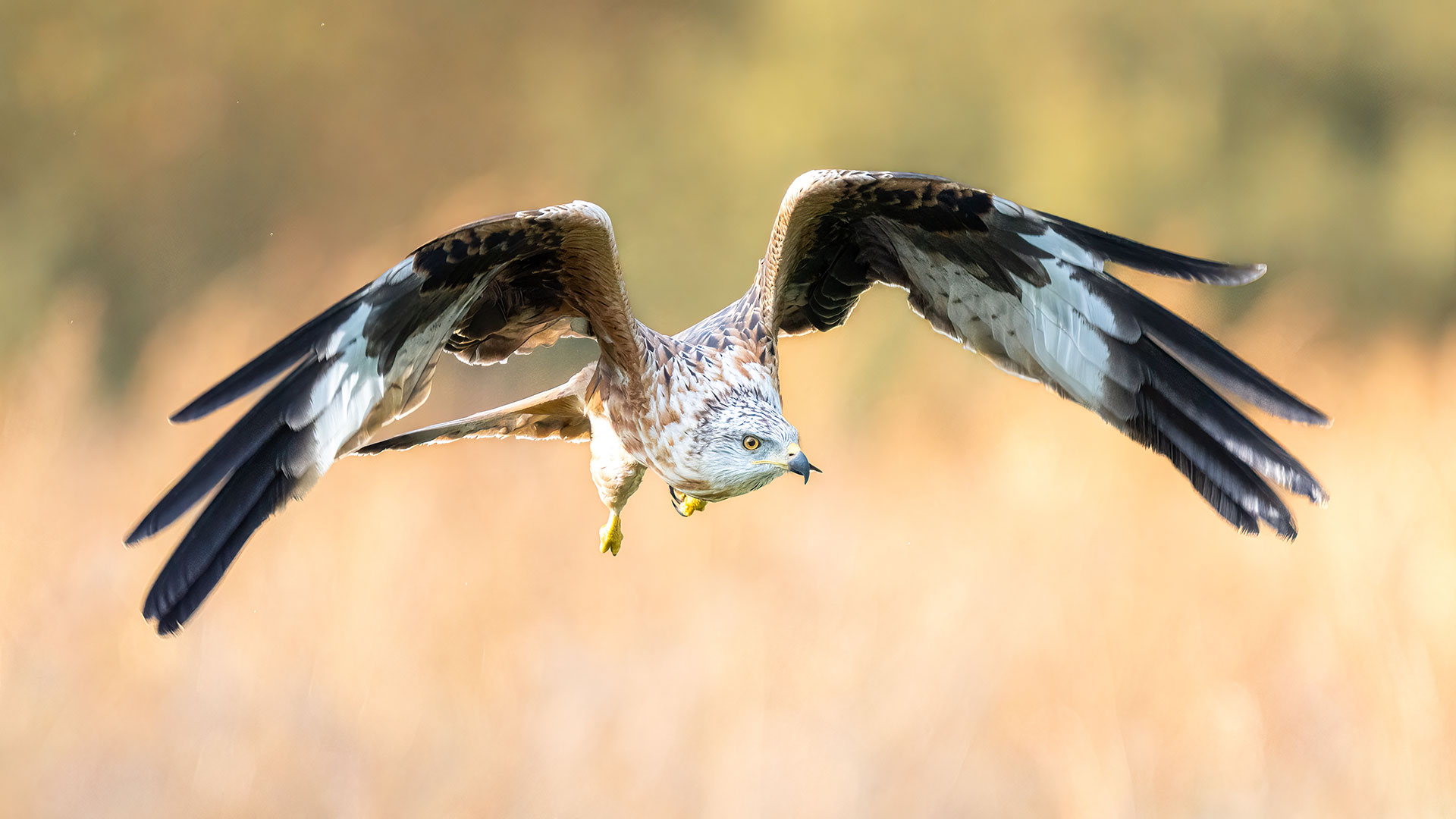
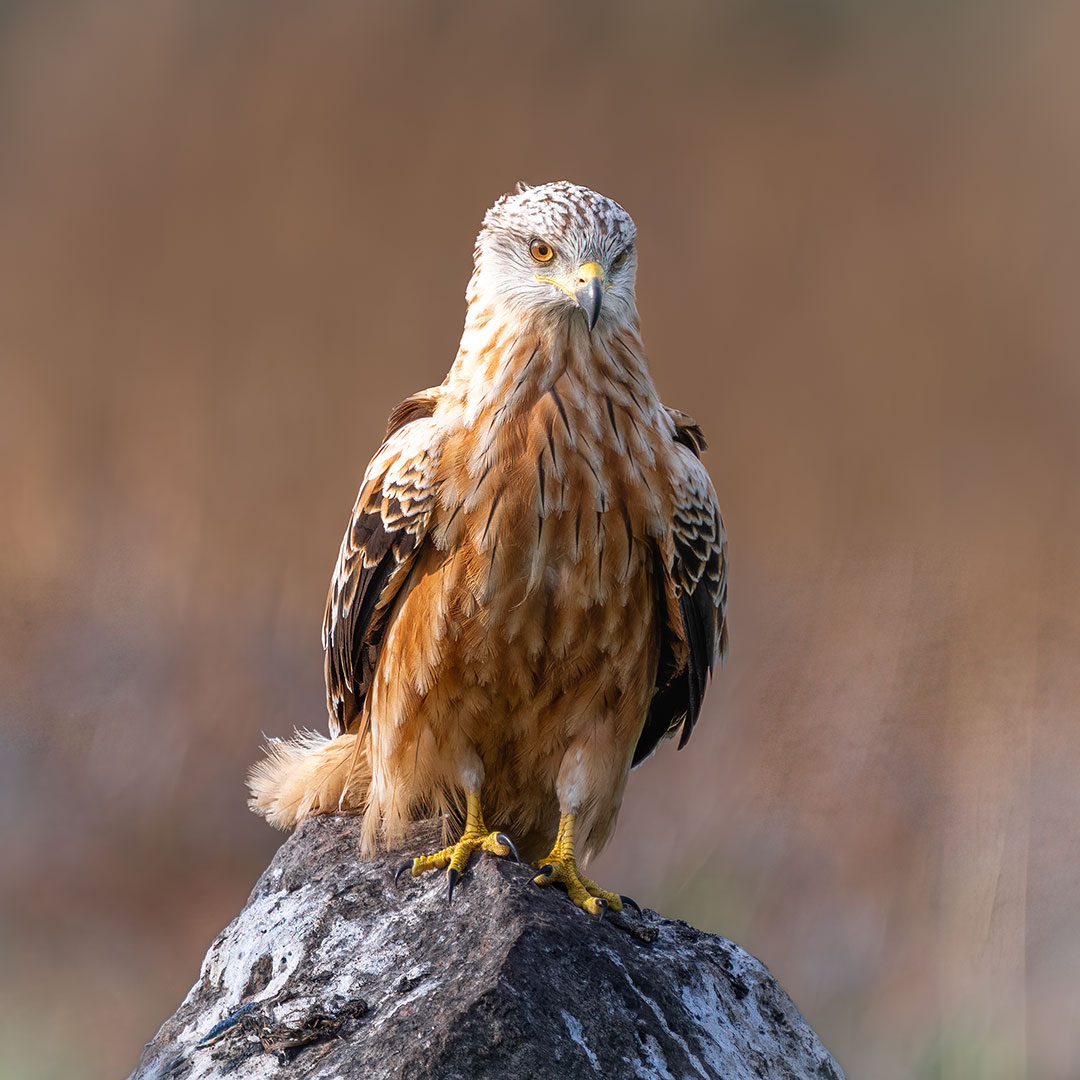
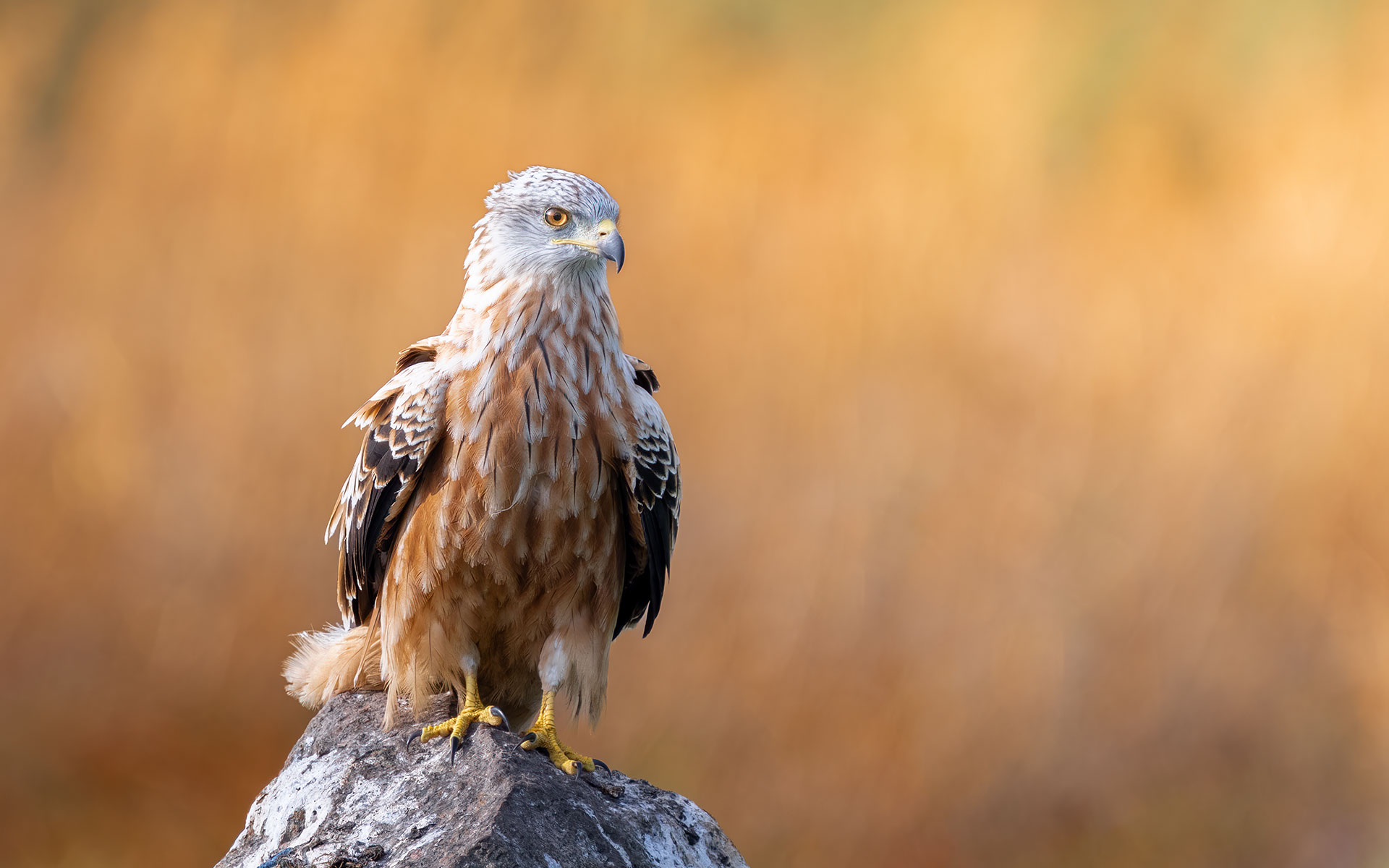
The first visitors arrived shortly after seven o’clock. Red Kites, Ravens, and Common Buzzards quickly gathered around the feeding area, filling both the sky and the surrounding trees. Unfortunately, the light was still challenging, with the sun yet to clear the horizon. As every wildlife photographer knows, patience is often rewarded, and as the morning light improved we finally had the opportunity to capture some beautiful images of Red Kites perched on the carefully placed branches near the feeding ground.
Red Kites photographed at Friskens Photo Hide.
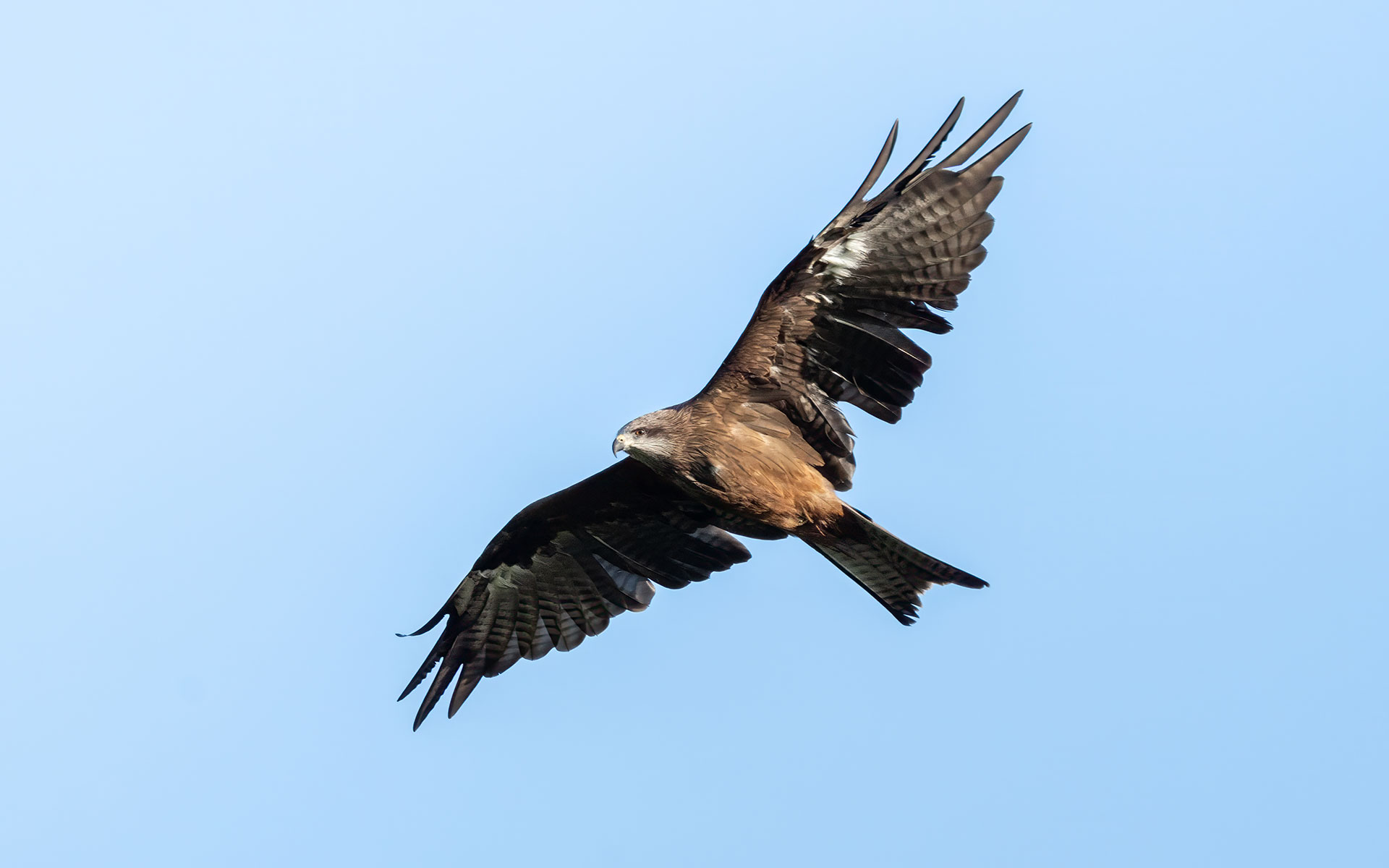
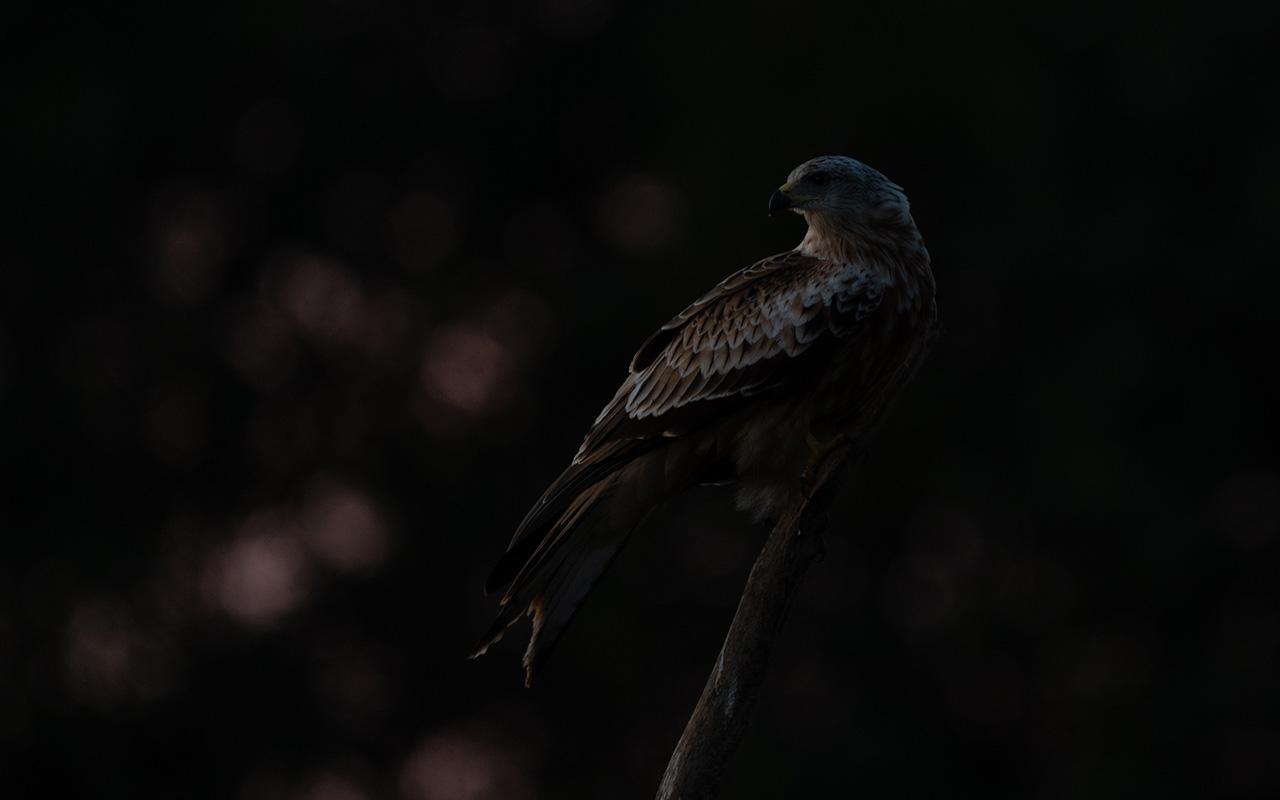
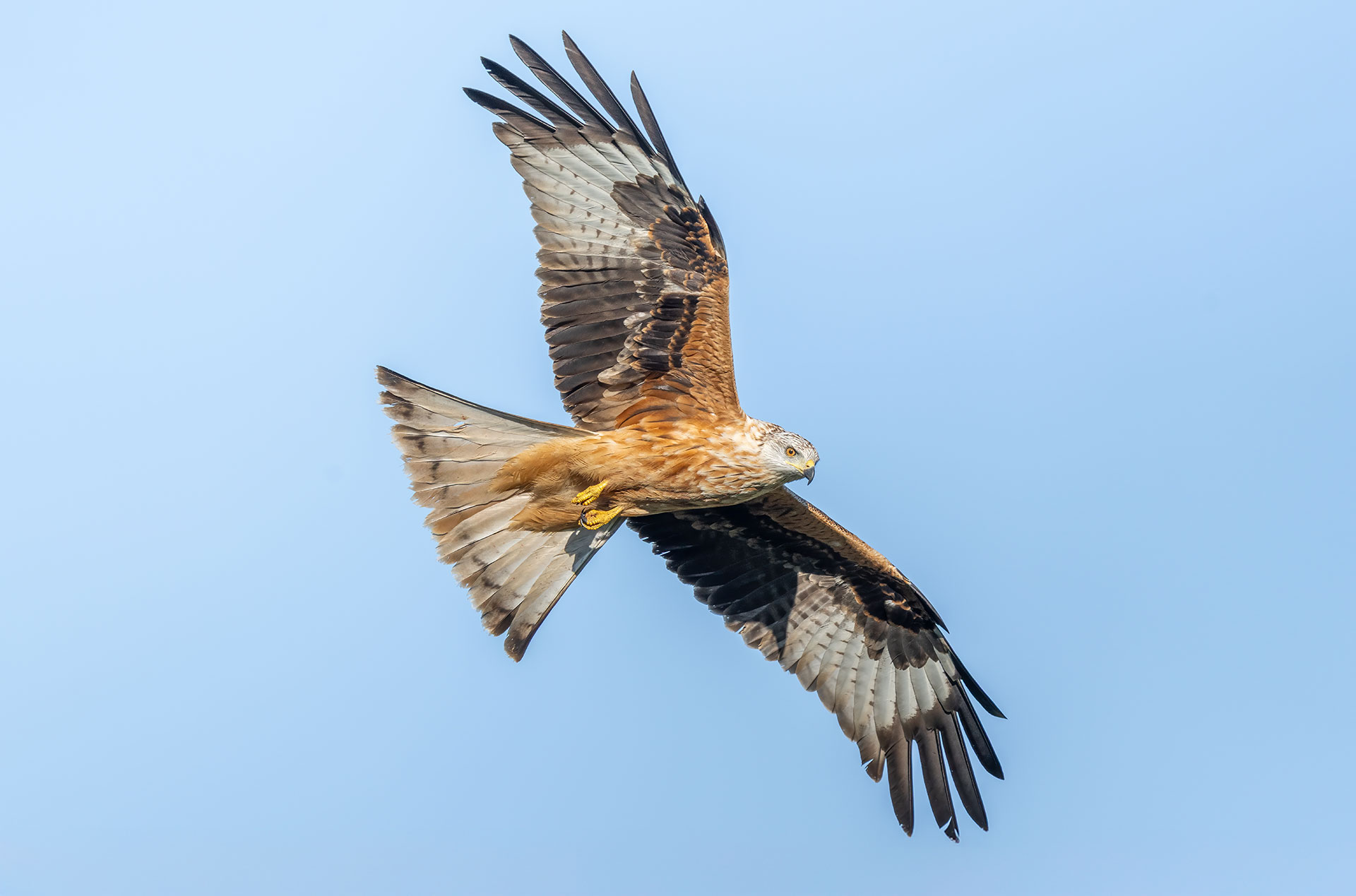
Few European birds of prey combine elegance and character quite like the Red Kite. Their graceful flight, forked tails, and rich chestnut plumage make them endlessly photogenic subjects. Even so, the day’s first real excitement came when a Black Kite appeared above the hide. It circled the area for several minutes but never committed to landing. Although the encounter was brief, we managed to capture a few photographs of this elusive visitor, a species we have only encountered a handful of times during our visits to Friskens.
The highlight of the day, however, was still to come.
Black Kite above the hide.
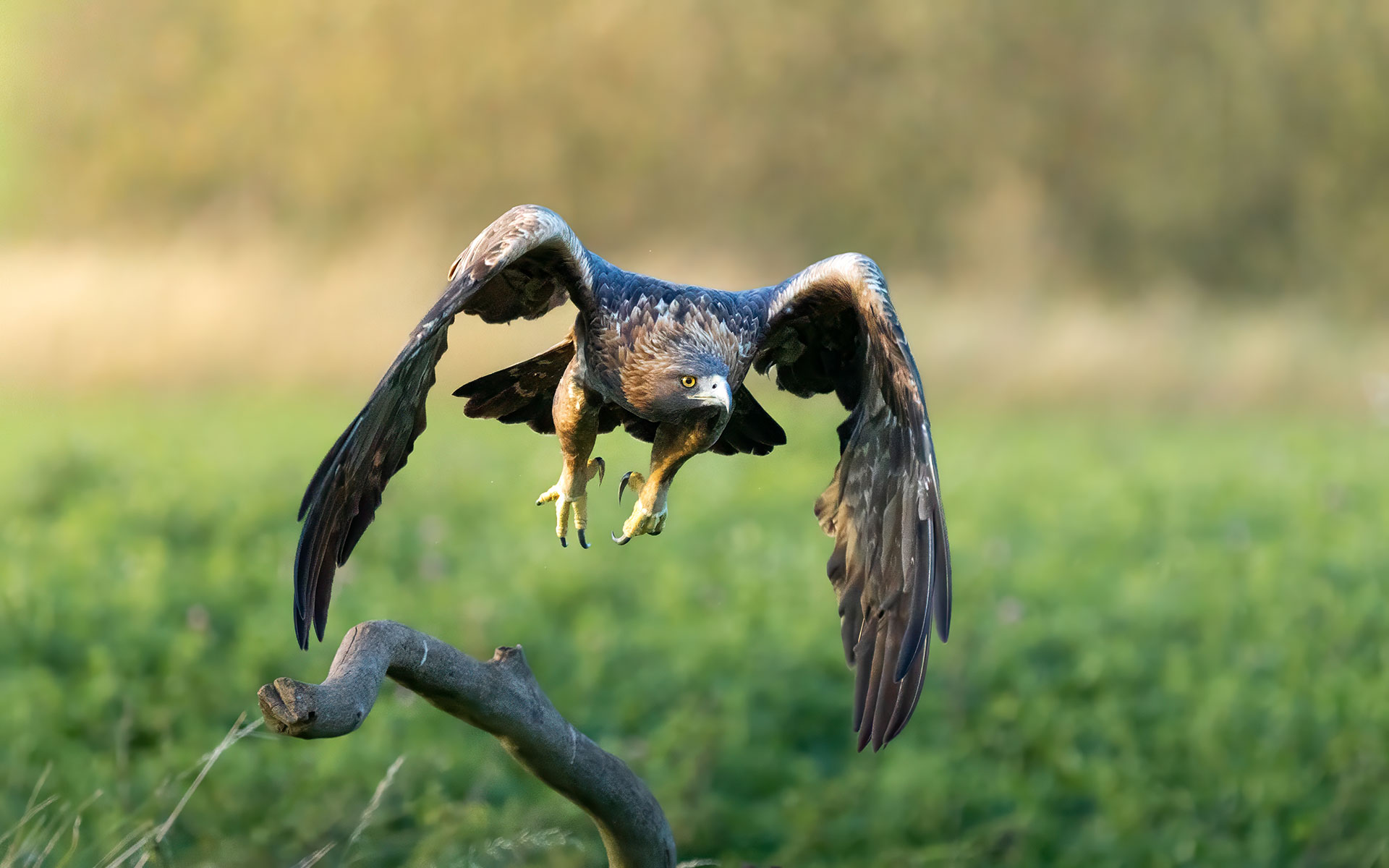
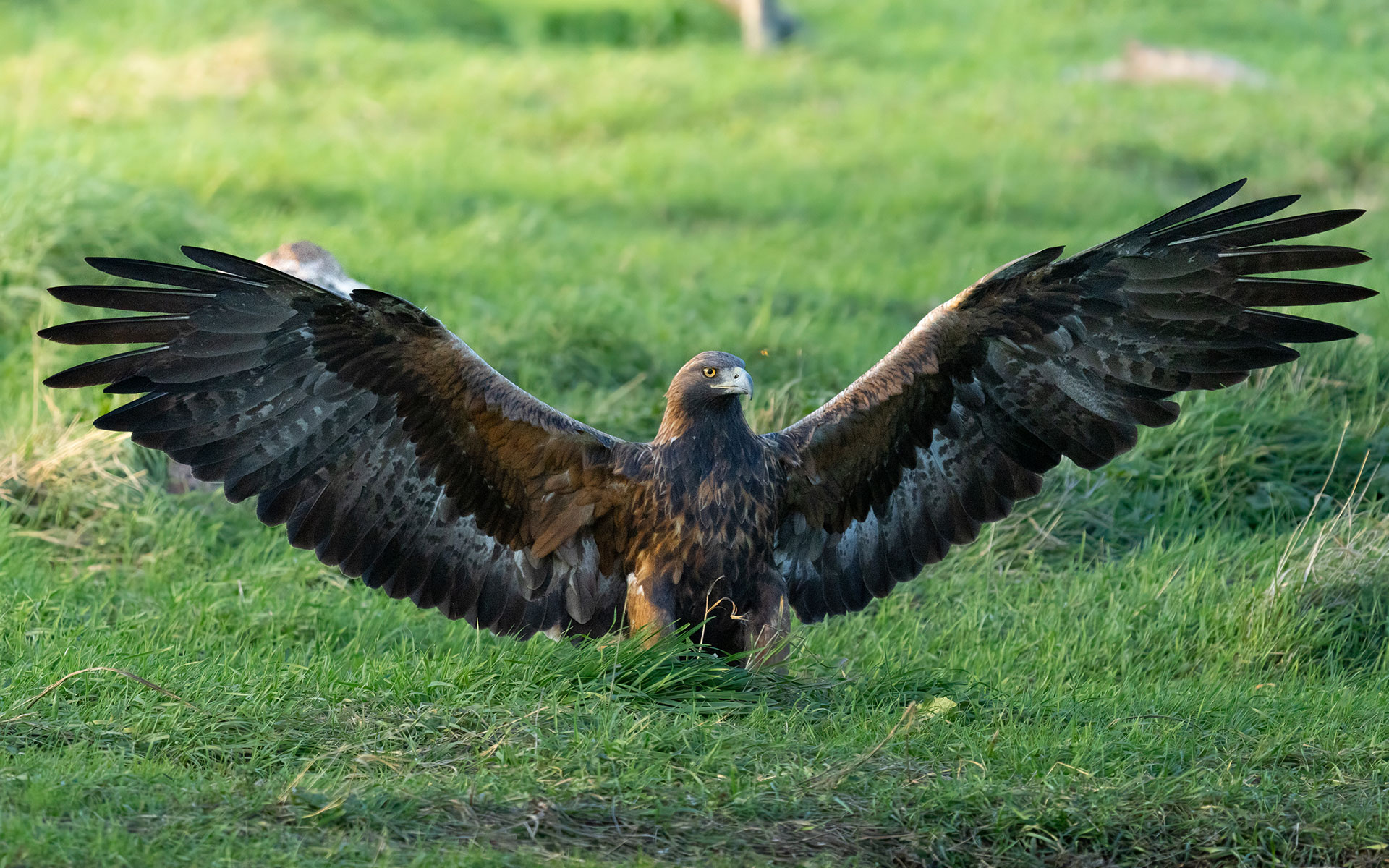
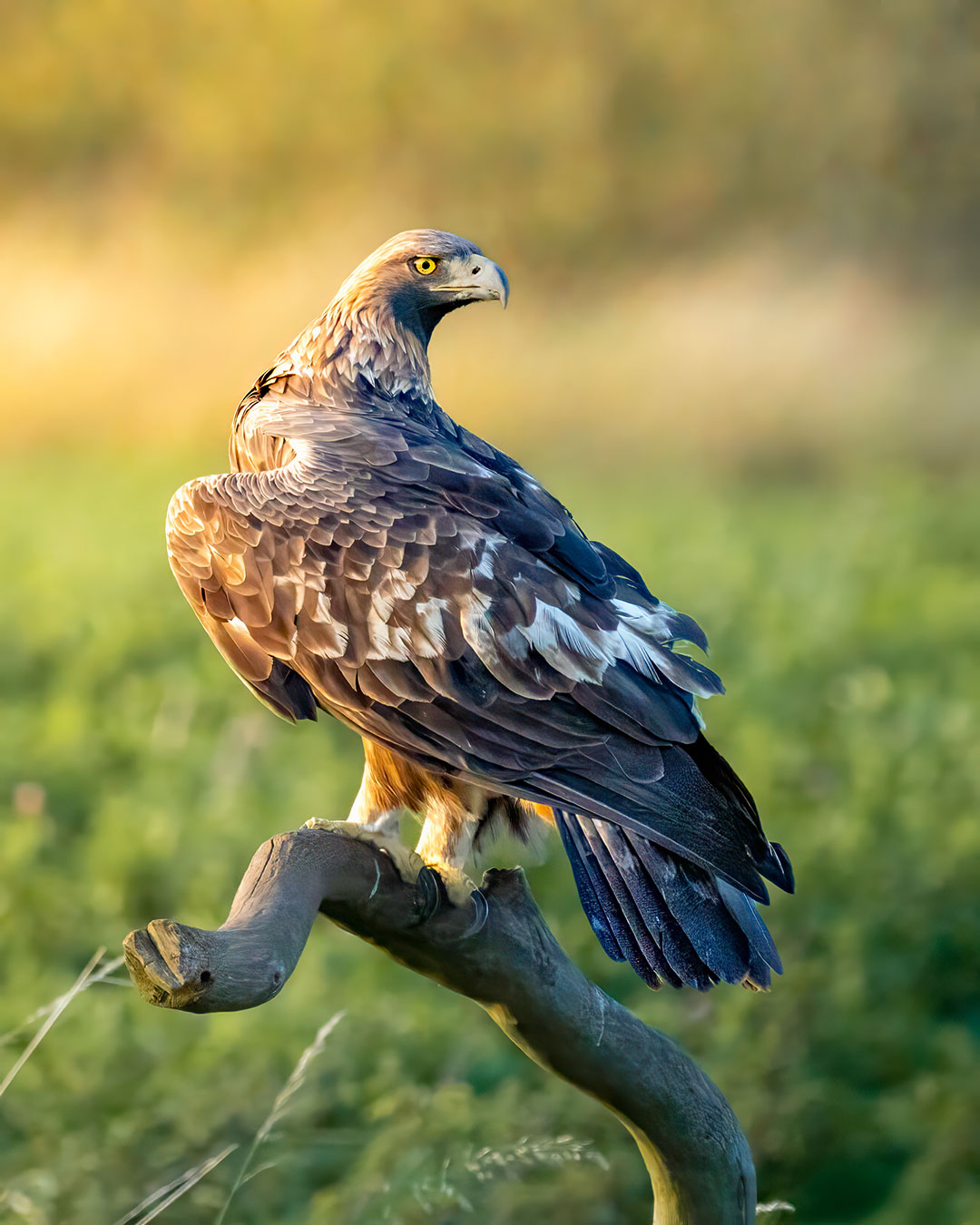
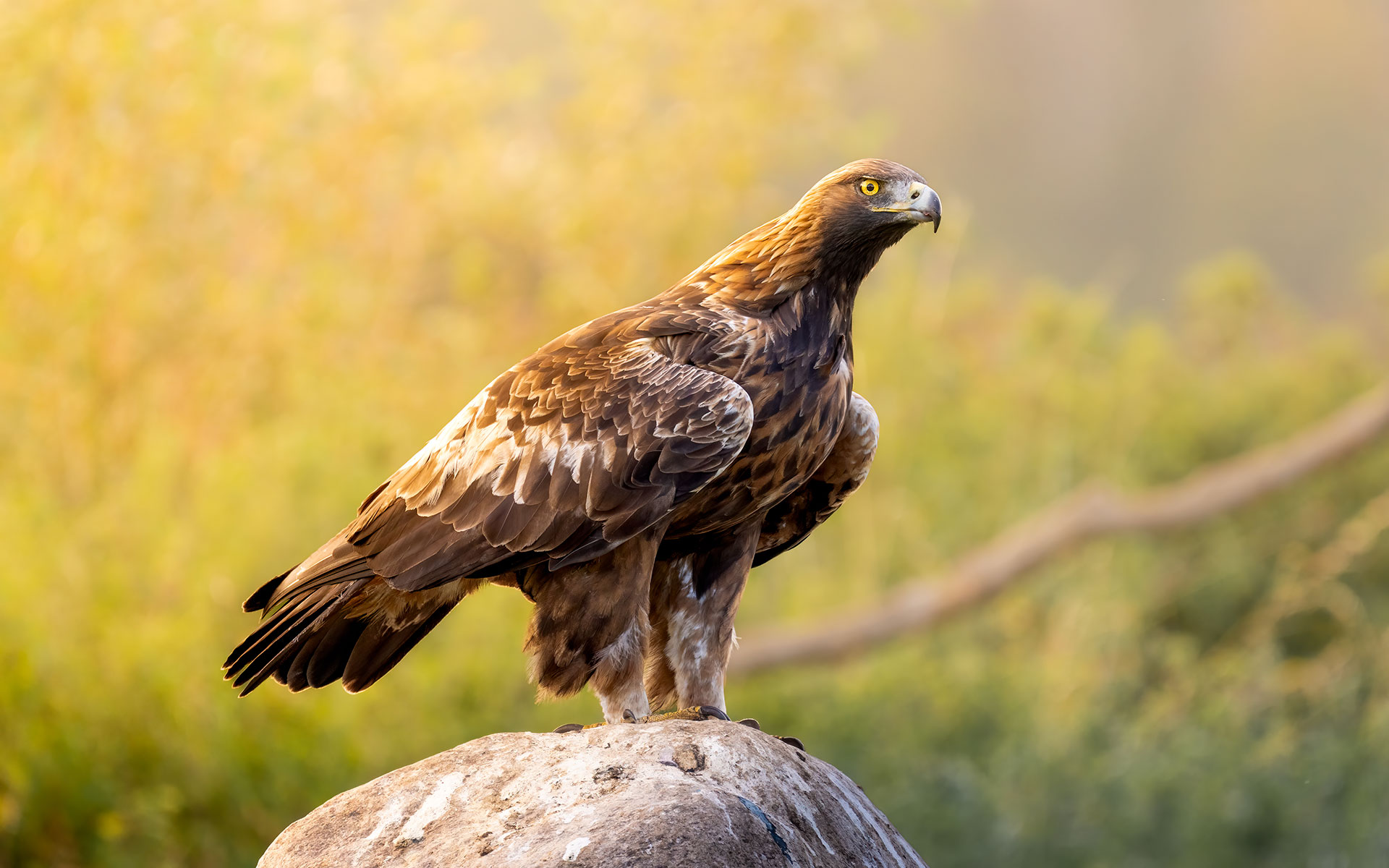
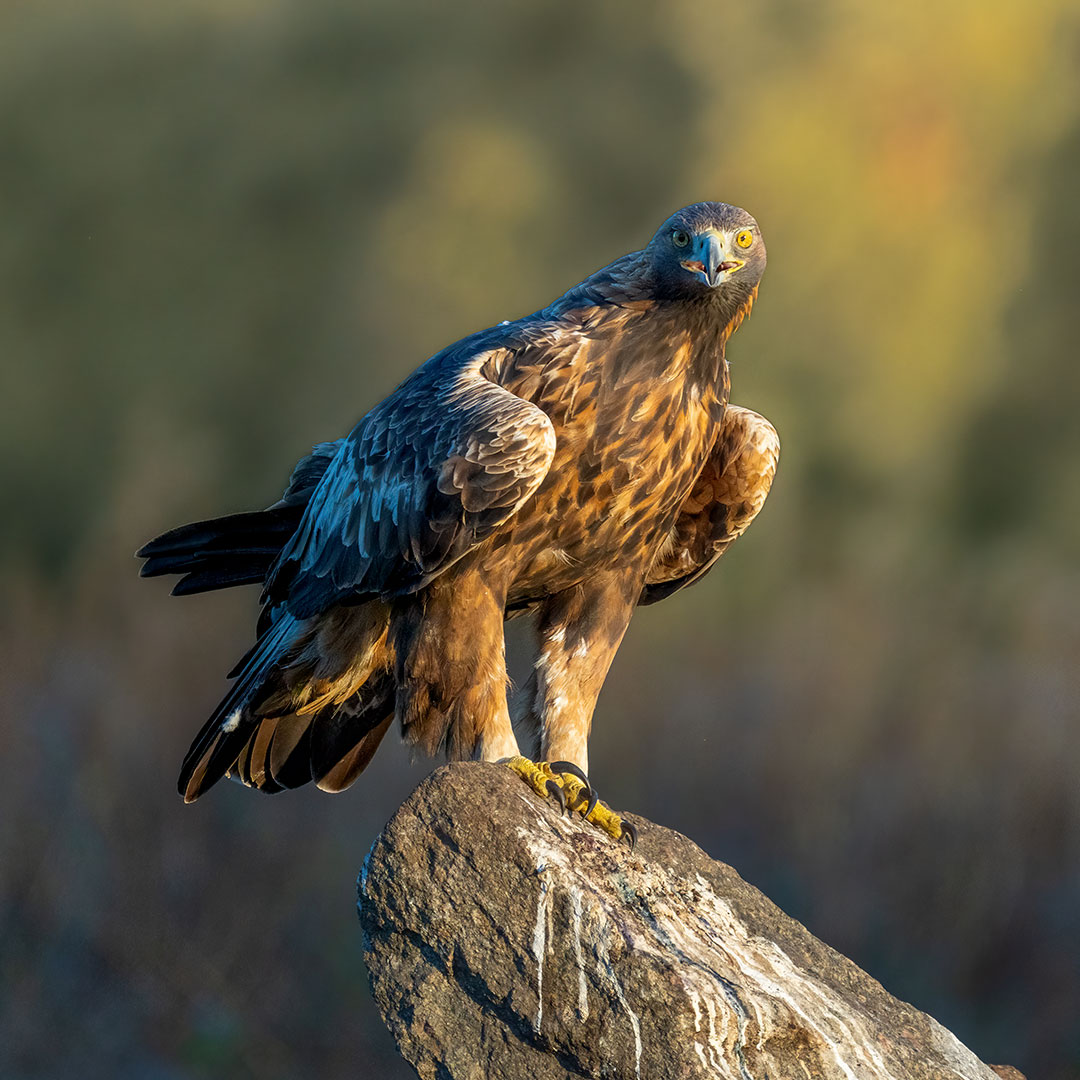
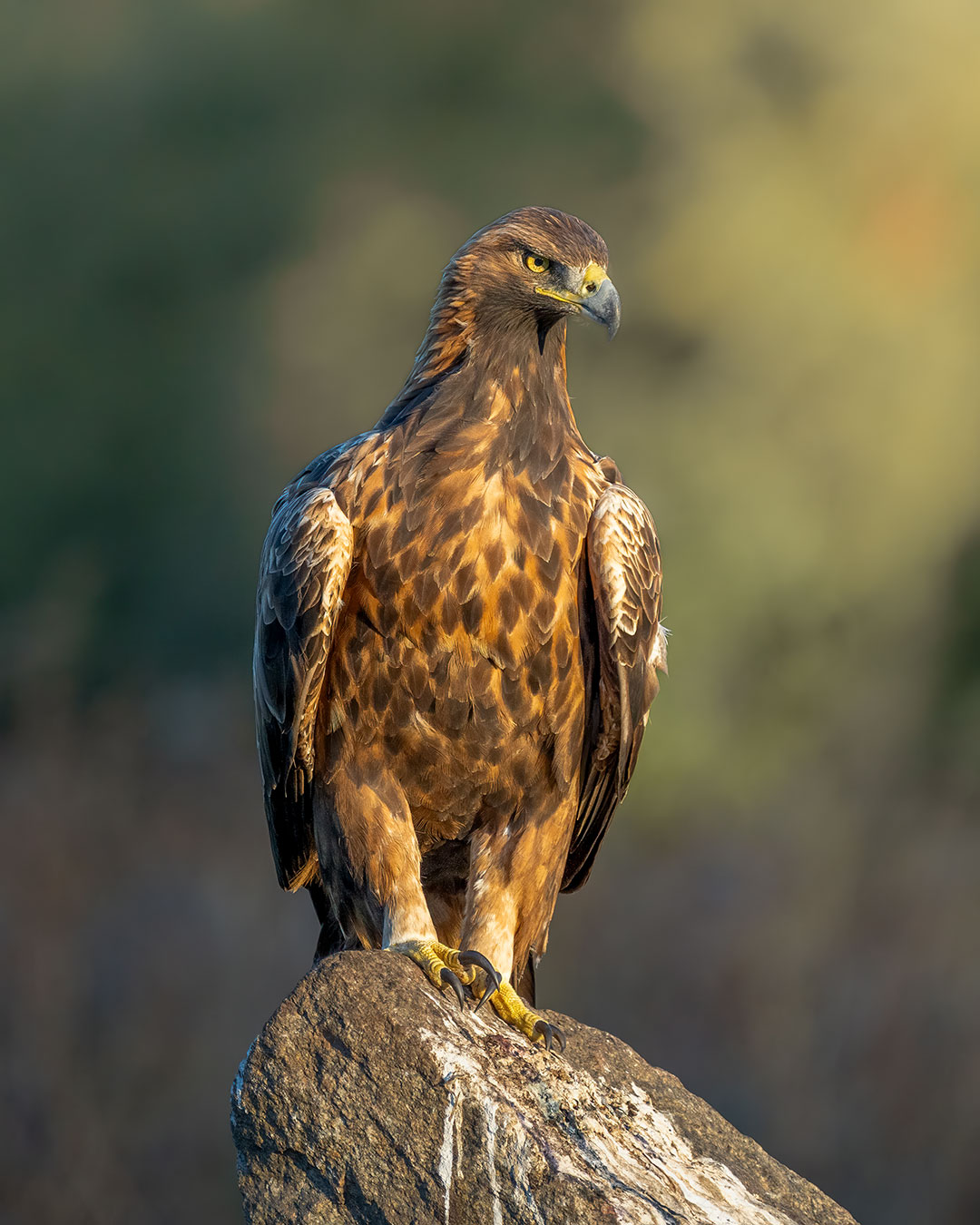
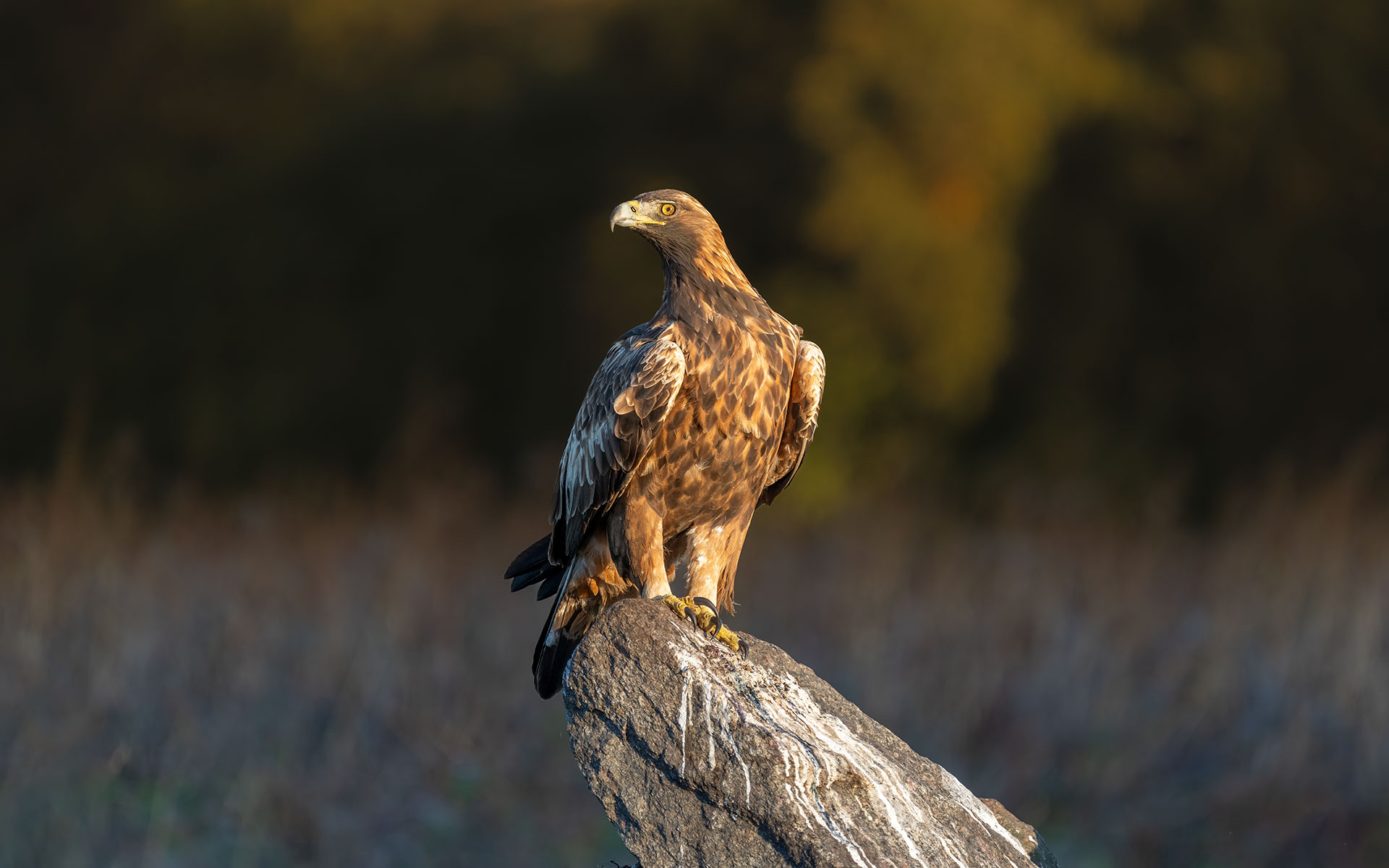
At approximately 5:30 PM, with the sun sinking towards the horizon and the light taking on a warm golden glow, two Golden Eagles suddenly appeared and landed directly in front of the hide – one at a time. For a few magical moments, they fed before lifting off once again and disappearing into the fading evening light.
Encounters with Golden Eagles are always special. This was the third time we have been fortunate enough to photograph them at Friskens, and each sighting feels just as memorable as the first.
Golden Eagle at Friskens in October 2026.
Looking back, it was yet another outstanding visit to Friskens Fotogömsle. The new hide worked well and offers photographers another excellent option, although I must admit that the original hide remains my personal favourite. From a practical perspective, having two hides available is a significant advantage, as Friskens is often fully booked during the most popular periods.
With memorable encounters, exciting photographic opportunities, and even a visit from two Golden Eagles, this year’s trip certainly lived up to expectations. We are already looking forward to returning next autumn.
In November 2026, I will be heading to South Africa for a dedicated photo safari and workshop at Balule River Lodge, arranged by Safari Eksperten. The trip is led by two well‑known Danish nature photographers, Mads Hagen and Mads Holm Andersen. The focus is on field technique, workflow, and the art of wildlife storytelling. For me, it’s a chance to explore a new corner of our remarkable planet and photograph fascinating animals in their natural habitat.
My photographic goals for the trip include documenting The Big Five – lion, leopard, elephant, rhino, and buffalo—but the birdlife is equally compelling. Species such as the Secretarybird are high on my list, both for their striking appearance and their distinctive hunting behaviour.
The safari format offers expert guidance, daily game drives, and dedicated time for reviewing and editing images with the instructors. I expect the combination of professional input and the wildlife opportunities in Balule to give me a wealth of new high‑quality photographs for my portfolio—and an experience of a lifetime.
I look forward to sharing my impressions and images in December 2026.
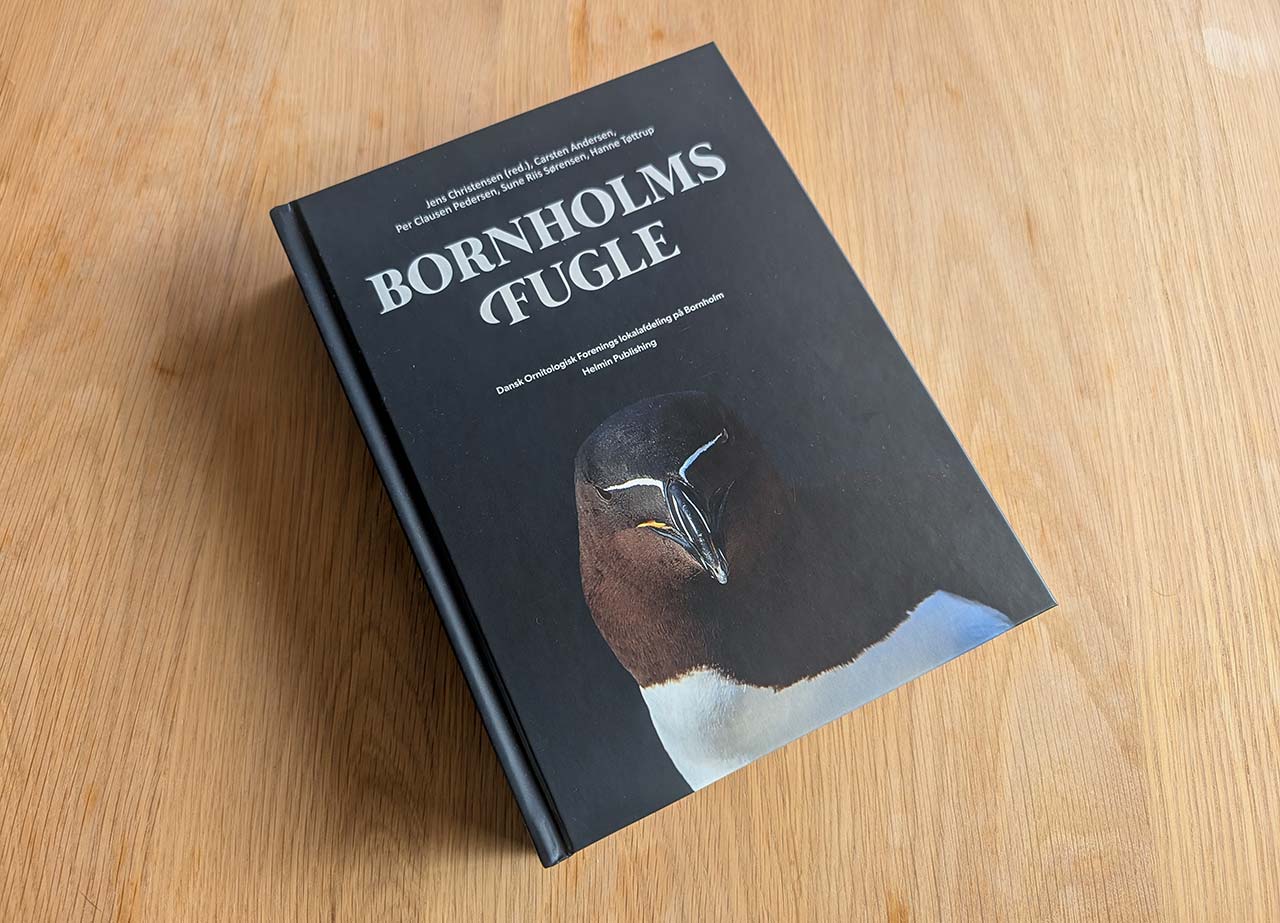
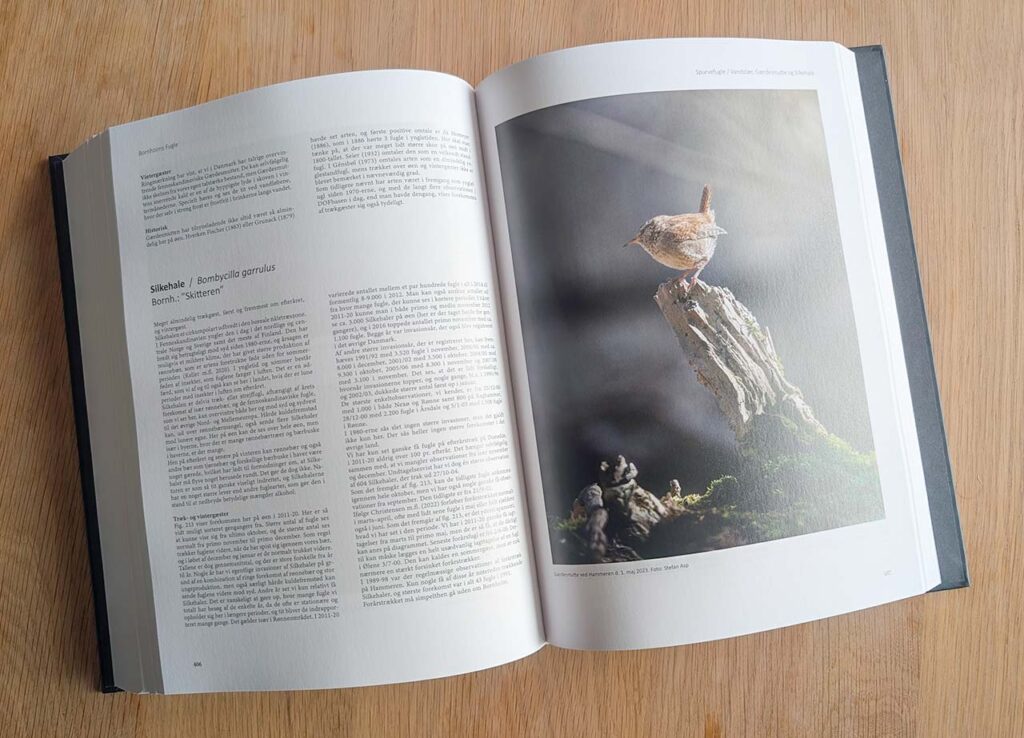
I’m happy to share a small milestone in my photography: a selection of my bird images from the Danish island of Bornholm has been published in the newly released book ‘Bornholms Fugle’ (Bornholm’s Birds).
The book provides a thorough overview of the island’s birdlife, and it brings together contributions from several local photographers. I’m pleased that some of my work made it into the book.
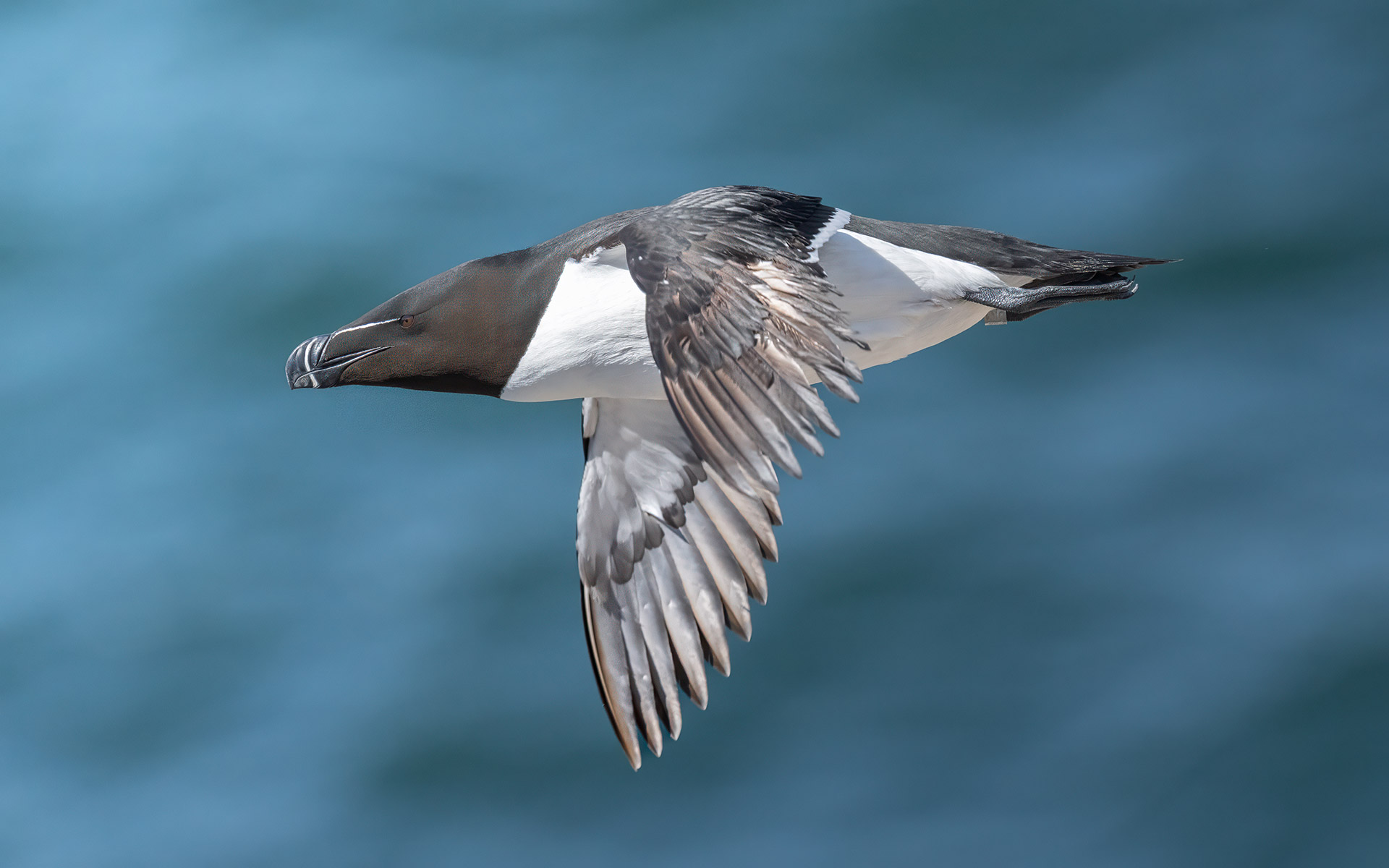
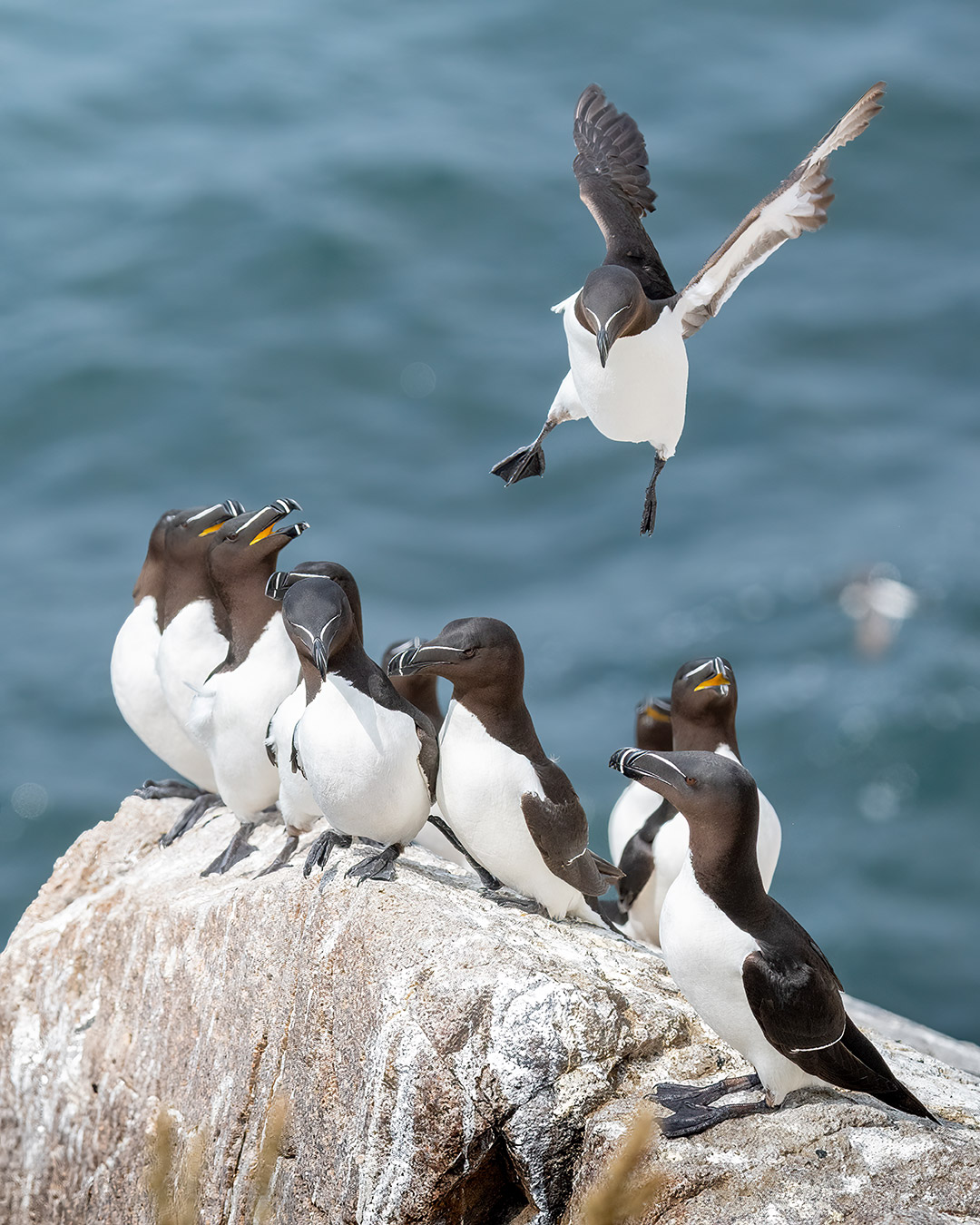
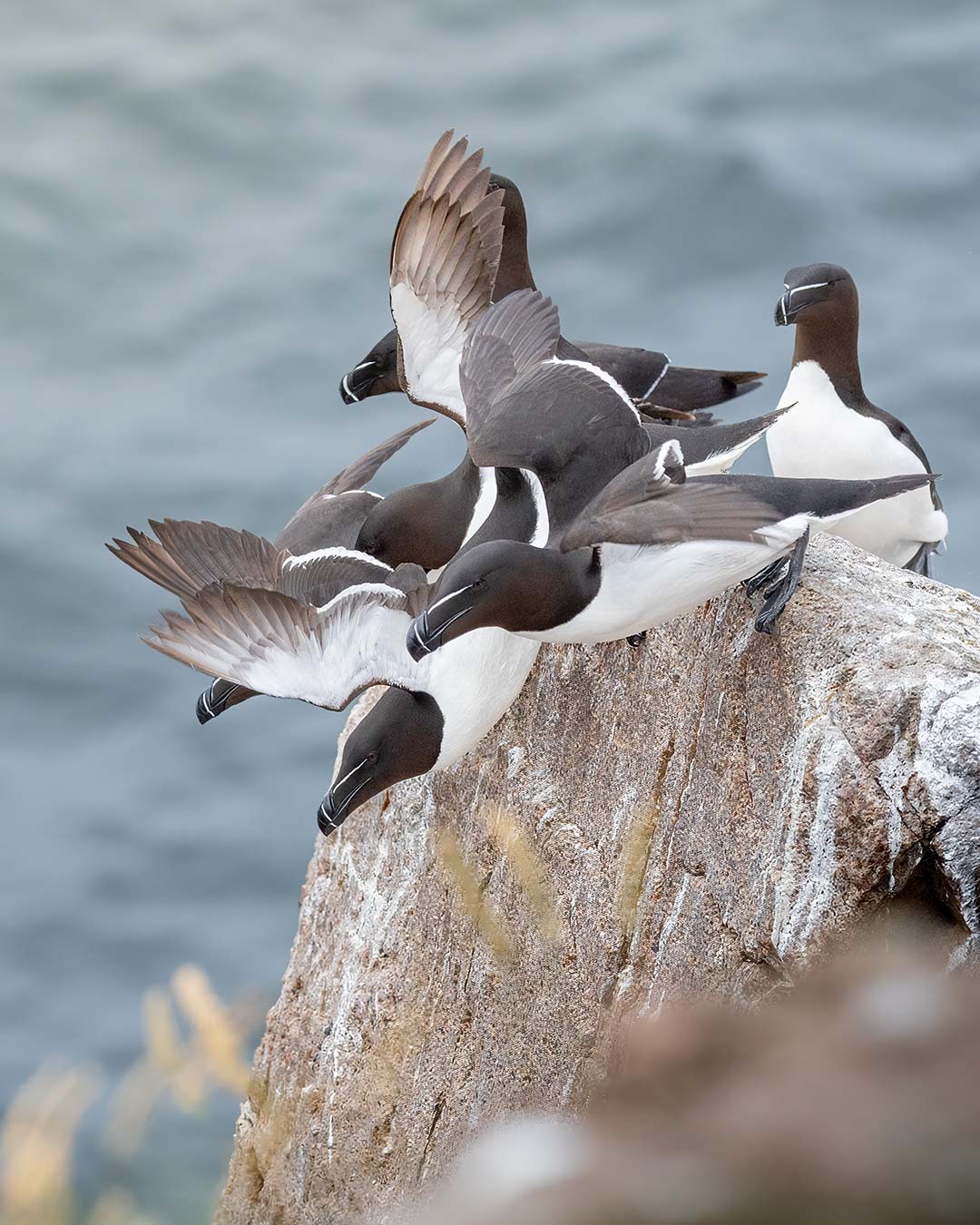
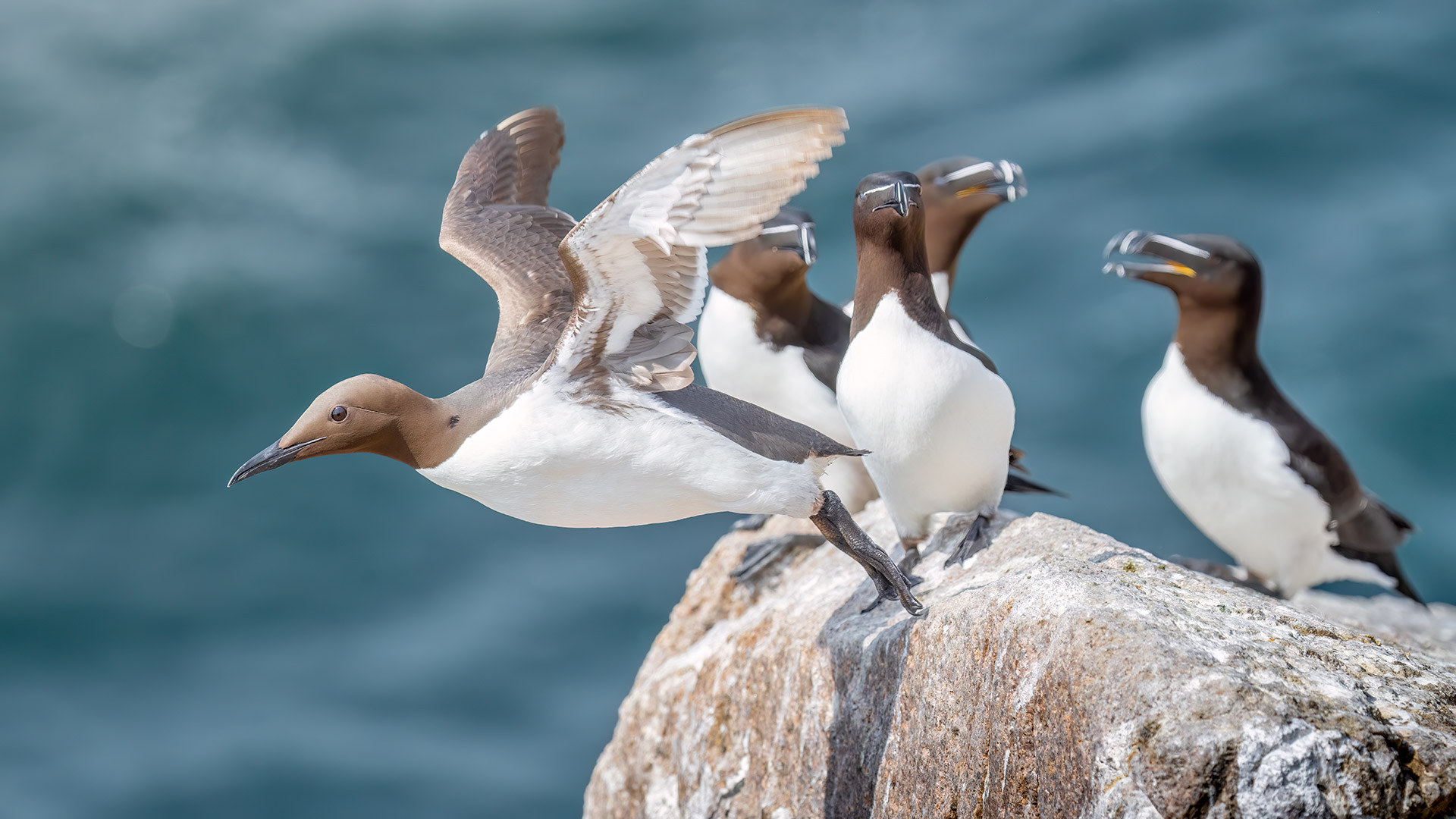
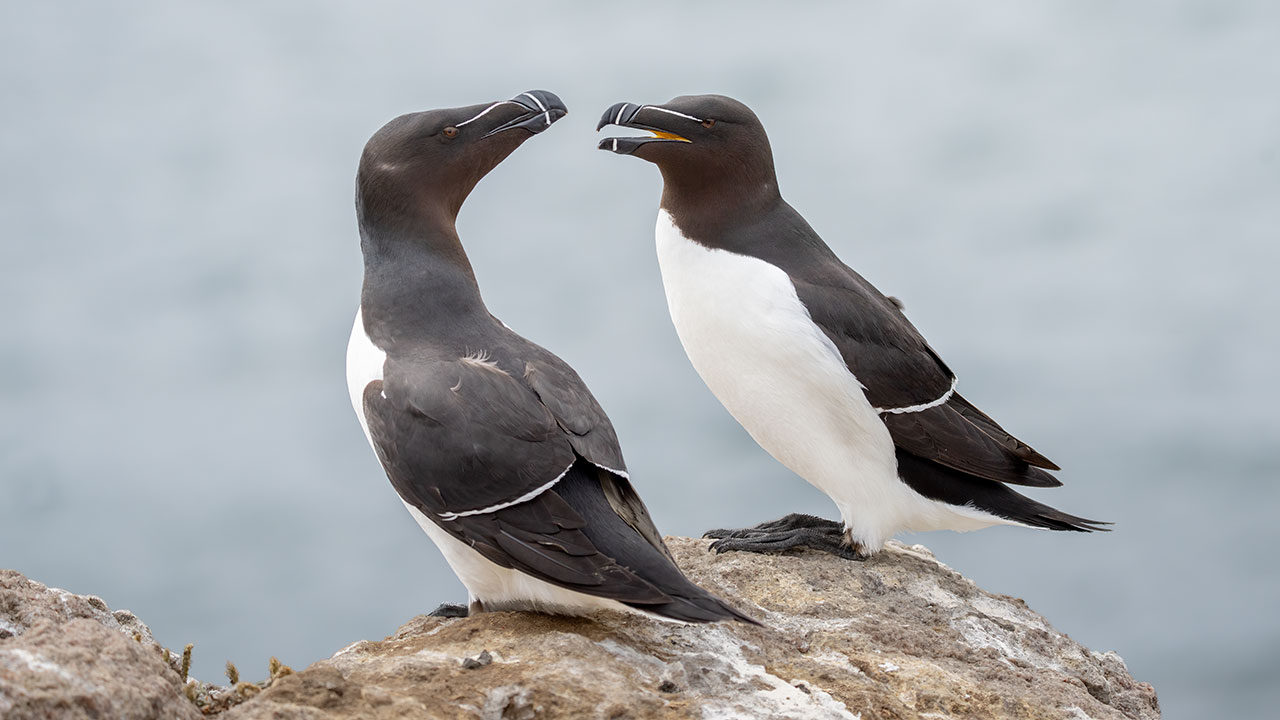
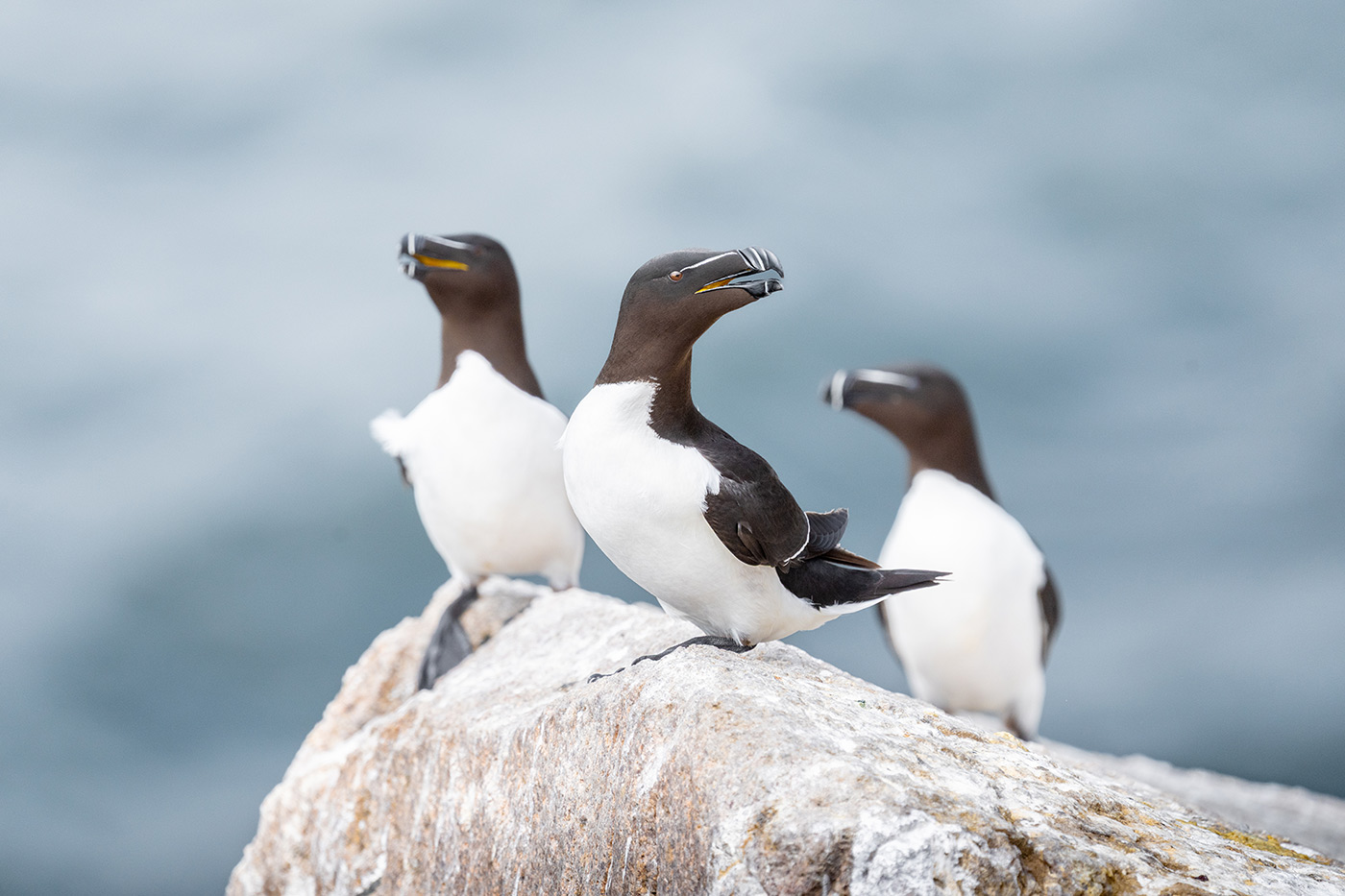
I took a short hike at Hammeren on the Danish island of Bornholm this week, mostly to see whether the Razorbills (Danish: Alke) and Common Murres (Danish: Lomvie) had settled on the cliffs for their usual June activity. They had! All along the coastline’s steep cliffs.
Both species are classic cliff breeders. Bornholm is one of the few places in Denmark where you can see them, and Hammeren’s cliffs gives a rare opportunity to see these birds up close.
Photographing them in harsh summer sun is always a challenge. Their black‑and‑white plumage pushes the dynamic range to its limits, and the angles along the cliffs don’t leave much room to adjust.
I ended up slowly sliding down a hillside to reach a better vantage point. Not ideal for anyone with a fear of heights, but manageable if you stay low and move carefully.
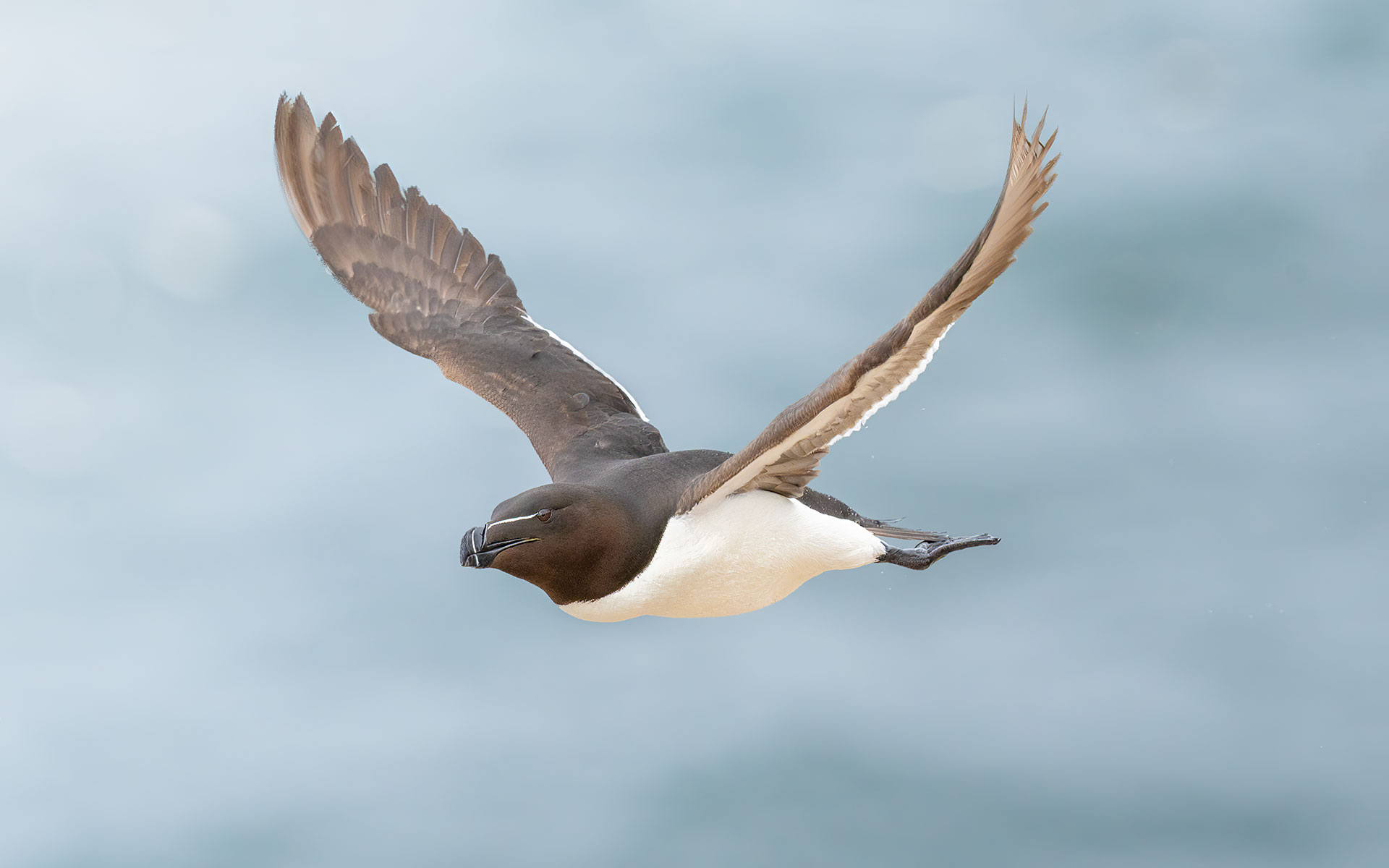
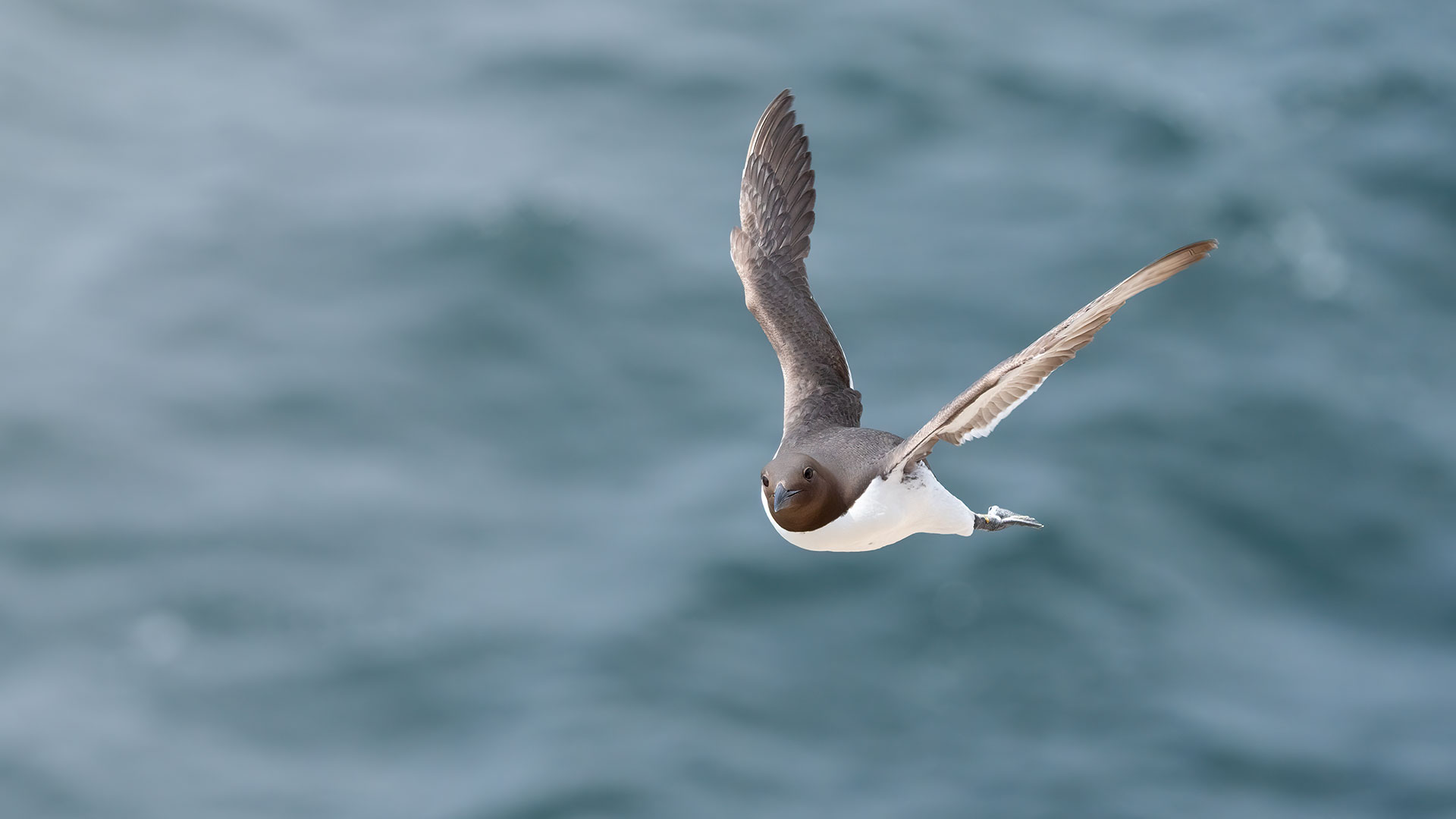
Still, a few frames worked, and here are two of them. Both shot with my Sony A1 and Sony 200-600 mm lens. Shutter at 1/4000 – these birds are fast!
Tip 1: One practical advantage for photographers is their flight pattern. These birds often circle the same routes along the cliff line, so if a Razorbill passes and you miss the shot, patience will usually pay off, since it will likely come back, or another will follow the same path.
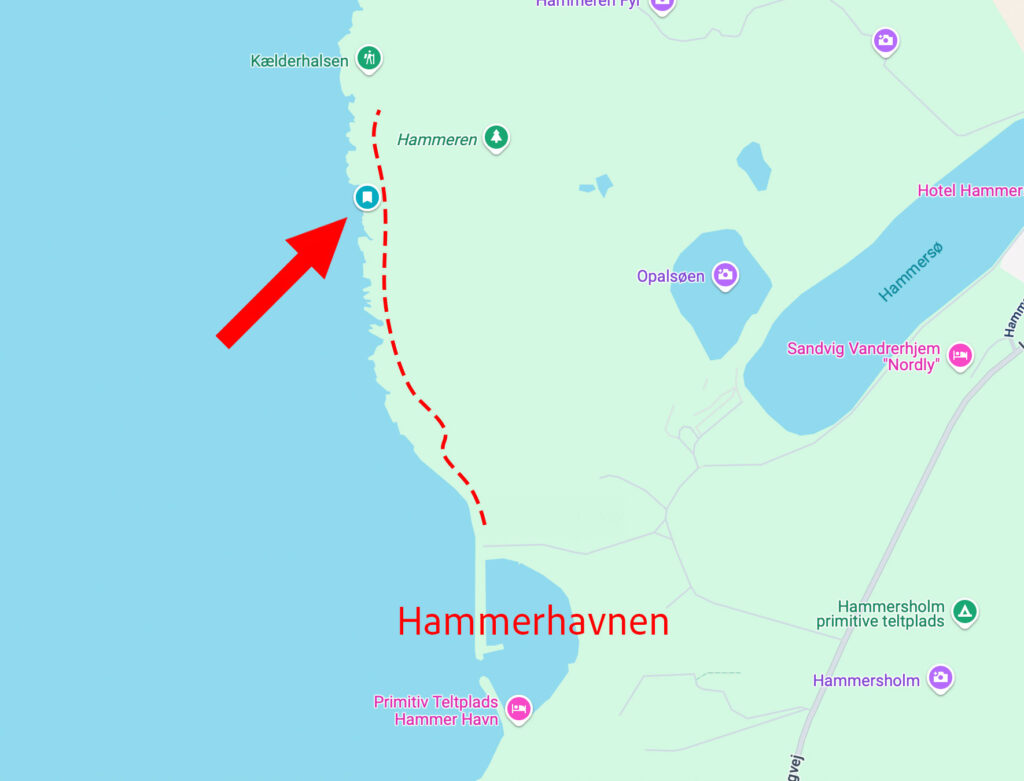
Tip 2: On the map below I’ve highlighted the best place to photography the birds. Follow the path from Hammeren Harbour (Danish: Hammerhavn) and slide carefully down the hill at this spot. Remember, it is quite a fall, so stay away from the cliff edge and be carefull – stay seated.
Thank you for reading my blog. Follow me on my social media acccounts for more. I’m primarily active on Facebook.
On 11 October 2025, I made my sixth visit to Friskens Foto Glömsle in southern Sweden—just weeks after my previous trip. Once again, I was joined by fellow wildlife photographer @mariusfolkmann.
With the season shifting and temperatures dropping, I anticipated changes in both the wildlife activity and the scenery. But as every wildlife photographer knows, nature doesn’t follow a script—you never know what will show up, or if it’ll land where you hope.
This time, we spotted a couple of White-Tailed Eagles, though only one landed in a nearby field and none came close enough for a photo opportunity. Throughout the day, we had the pleasure of watching 15–20 Red Kites and a few Black Kites soaring overhead and feeding in front of the hide. The wind was strong, which meant most birds approached from behind us and landed facing away from our cameras. Still, we managed to capture some decent shots.
One of the highlights actually came the evening before our shoot. As we arrived, Göran—the owner of the hide—helped us spot an Elk. We didn’t photograph it, but it was quite an experience.
All in all, it was not our most eventful experience at Friskens, but we still look forward to our next visit.
September Wildlife Photography at Friskens Foto Glömsle, Sweden
I had visited Friskens Photohide four times before, but this trip promised two firsts. For the first time, I booked the hide on my own—my usual wildlife photography partner couldn’t join me. And for the first time, I was visiting as early as September 27th, hoping the longer daylight hours would reveal different wildlife and behaviors than my usual winter visits. This is the story of my fifth adventure at Friskens, and the photographs it brought home.
How to Book and get to Friskens Glömse
Friskens Gömsle is located near Vittskövle in southern Sweden, and is a haven for wildlife photographers. From its discreet vantage points, you can capture white-tailed Eagles, the occasional Golden Eagle, as well as red and black kites, kingfishers, and a variety of other bird species. The hide is about a 2-3 hour drive from Copenhagen.
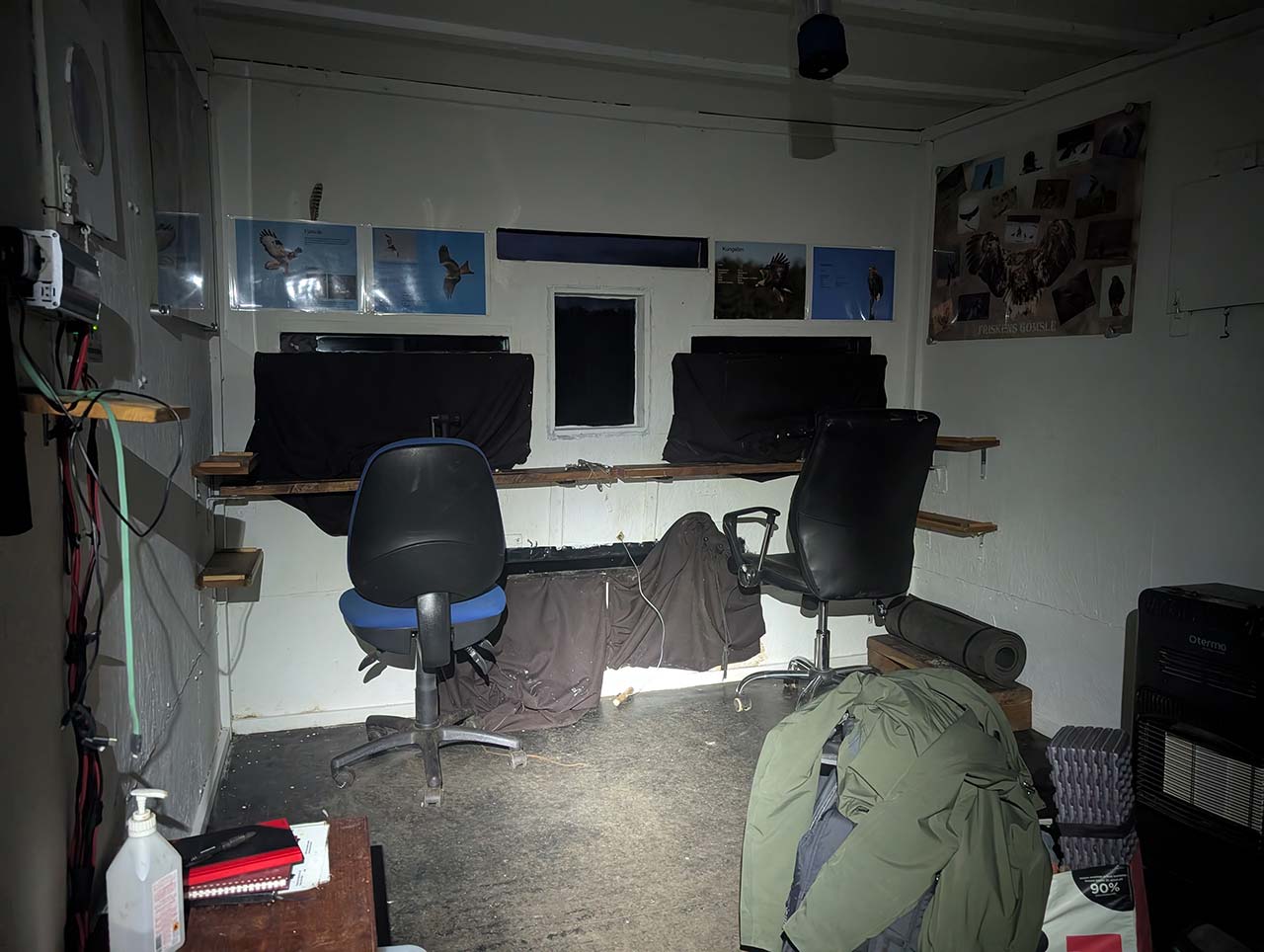
Visitors can choose between the “old” hide, open only in the autumn and winter months, and the “new” hide, which is also open during the summer season. Each hide is simple but comfortable, with a gas heater, a primitive toilet, two chairs, and four camera portholes.
To avoid disturbing the wildlife, you’ll need to be in place before sunrise and remain until after sunset. I usually arrange for a sleepover in the hide, so I can arrive the night before and avoid a long drive in the morning.
Until now, bookings for the hides have been made via e-mail, but starting in 2025 you’ll reserve your spot through the booking form on their website, friskensgomsle.se. Reservations for the old hide typically open in August, and they fill up fast—no surprise, given its popularity among Scandinavian wildlife photographers. Payment can be made by credit card upon arrival, when you stop by to see the owner, Göran, on your way to the hide.
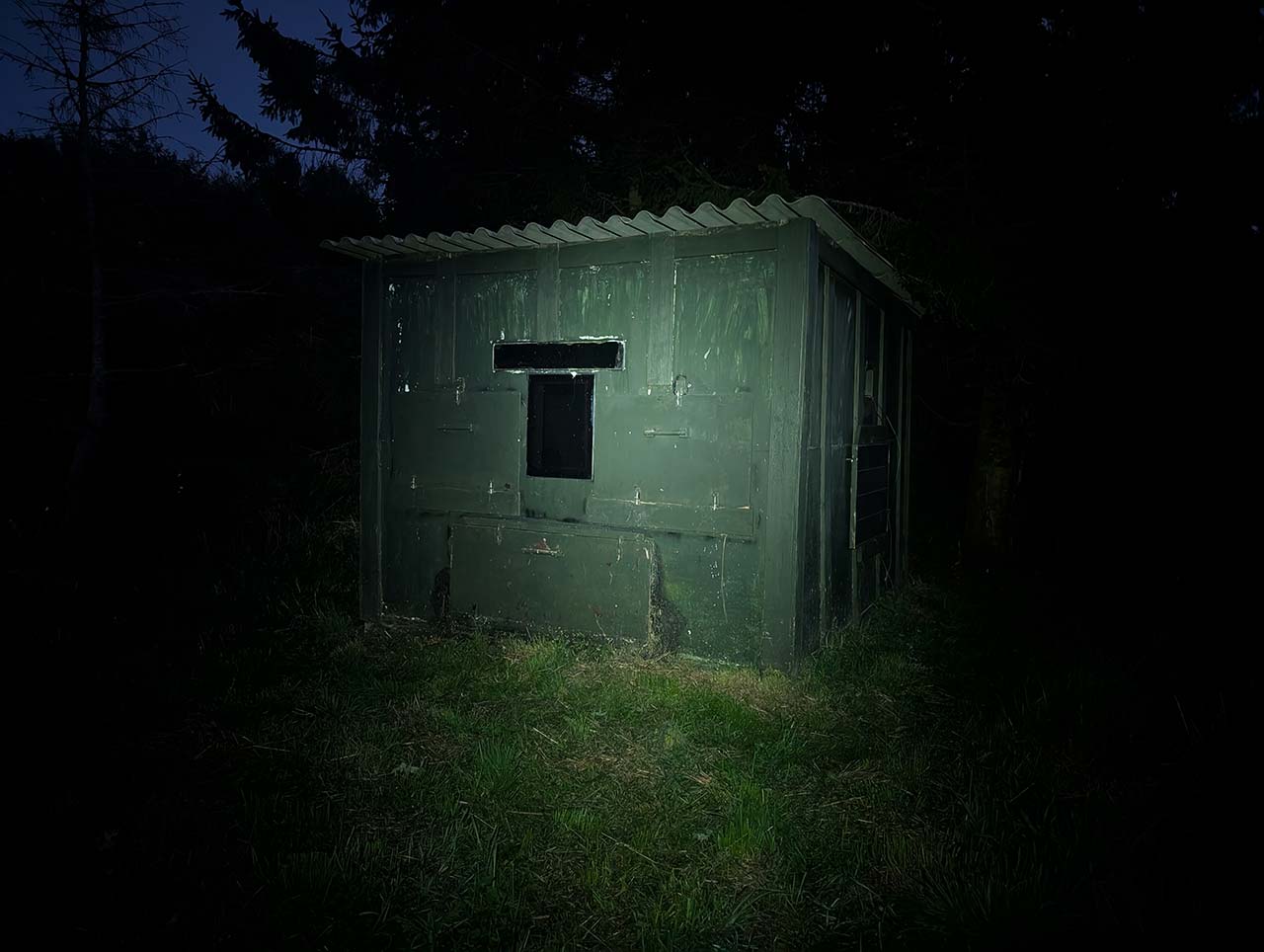
The hide from the outside
Inside the hide
An early morning visitor...
After a night’s sleep in the hide at Friskens Foto Glömsle, I woke around 5:30 AM and began preparing for sunrise, expected around 7:00. Birds tend to arrive early in search of breakfast, so it’s important to have everything set well before first light. I also repositioned a few branches in front of the hide to improve my chances of capturing a clean portrait with a soft, blurry background.
Right on cue at 7:00 AM, the first common buzzards appeared and began feeding on the deer, boar, and chicken laid out in front of the hide. The light was still quite dim at this point, so I held off on photographing. Then, just after 8:00 AM, all the birds suddenly took flight—a classic sign that a larger predator is approaching.
And there it was, right in front of the hide: the Golden Eagle. What a breathtaking moment. This was my second time spotting this majestic bird of prey at this location, and it was just as awe-inspiring as the first.
The Golden Eagle in the early morning light
The Golden Eagle began feeding on the meat, but I suspect it noticed my camera movement and took off again. Fortunately, a group of red kites—and possibly even a black kite—soon arrived and settled in for their breakfast. Around noon, the Golden Eagle returned briefly, only to fly off once more, likely startled by another subtle movement from my setup.
Then, at around 5 PM, a truly unforgettable moment: not one, but two Golden Eagles landed right in front of the hide – What a sight! Unfortunately they were too far apart to capture in a single frame, but I managed to record a short video of them. An incredible experience I won’t soon forget.
Two Golden Eagles infront of the hide
Throughout the day, there was steady activity in front of the hide. Even a juvenile White-tailed Eagle—typically the most common bird of prey at Friskens—made a brief appearance late in the evening.
Before and after editing
Editing my photos is almost as enjoyable as capturing them. What might surprise you, though, is how underwhelming they often look straight out of the camera. When I first switched to a full-frame camera and began shooting in RAW format, I was honestly disappointed by the flat, lifeless images I saw on screen. But then I discovered the magic of Lightroom—and everything changed.
I tend to underexpose my shots, especially in challenging light. Below, you’ll find the original image of a Red Kite I photographed in the fading light at Friskens. Use the slider to compare it with the final edit, enhanced using Adobe Lightroom, Topaz Denoise AI, and Topaz Sharpen AI. The transformation is dramatic.
Drag
The first weekend of the season
Göran, the owner of the hide, informed me, that I was only the second visitor this year, and that this weekend marked the official opening of the season. After witnessing such a variety of birds—especially the two Golden Eagles—I’m convinced that an early-season visit to Friskens Foto Glömsle is an experience I’ll definitely want to repeat. Read more about Friskens Foto Glömsle on my page here.
Below are a few of my favourite photos from this trip – click on the images to see them in the large original format.
This weekend I visited Roskilde Airshow 2025, marking the 30th anniversary of Denmark’s top aviation event. The atmosphere was excited, with thousands of spectators gathered to witness an impressive lineup of aircraft and aerial performances.
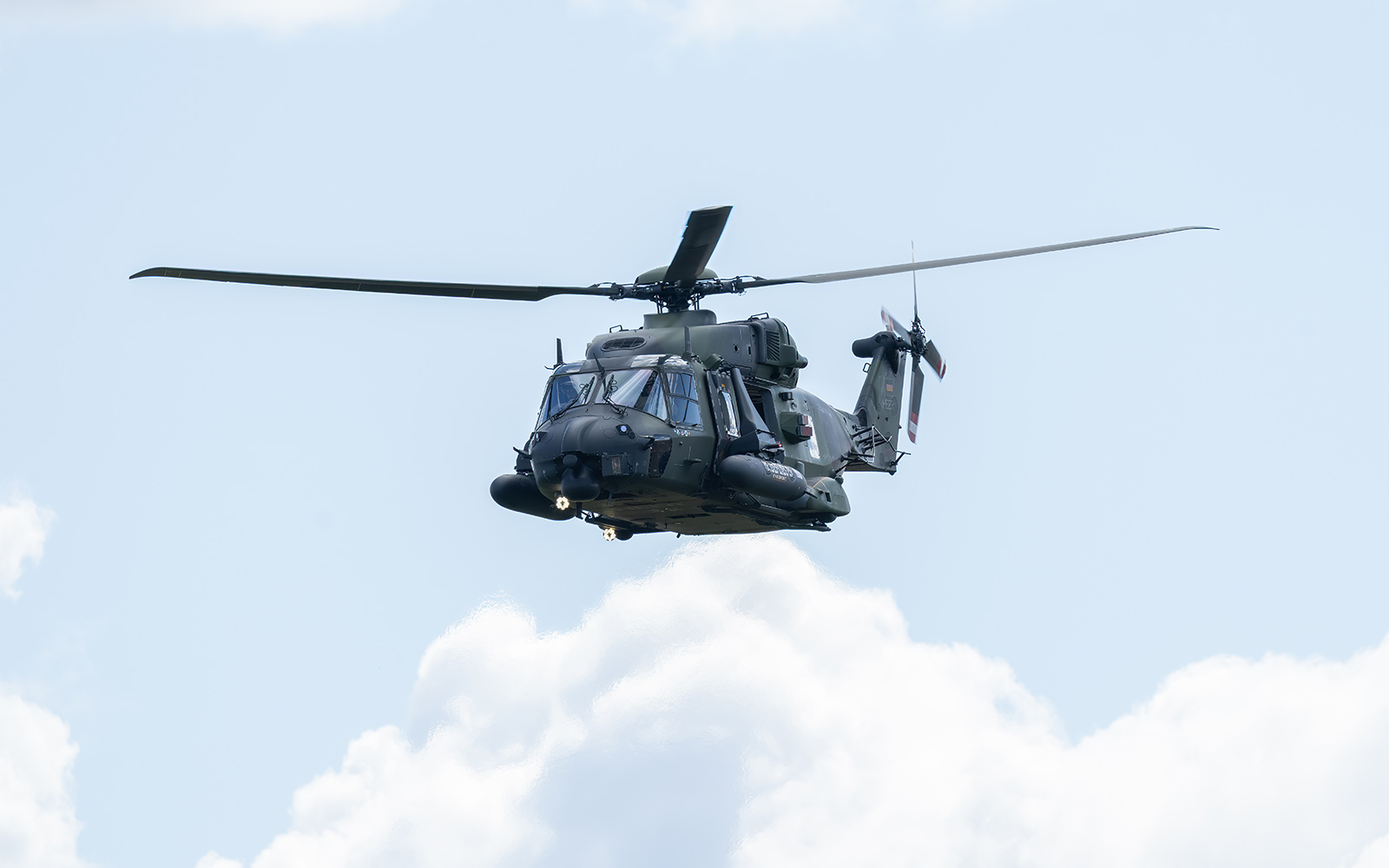
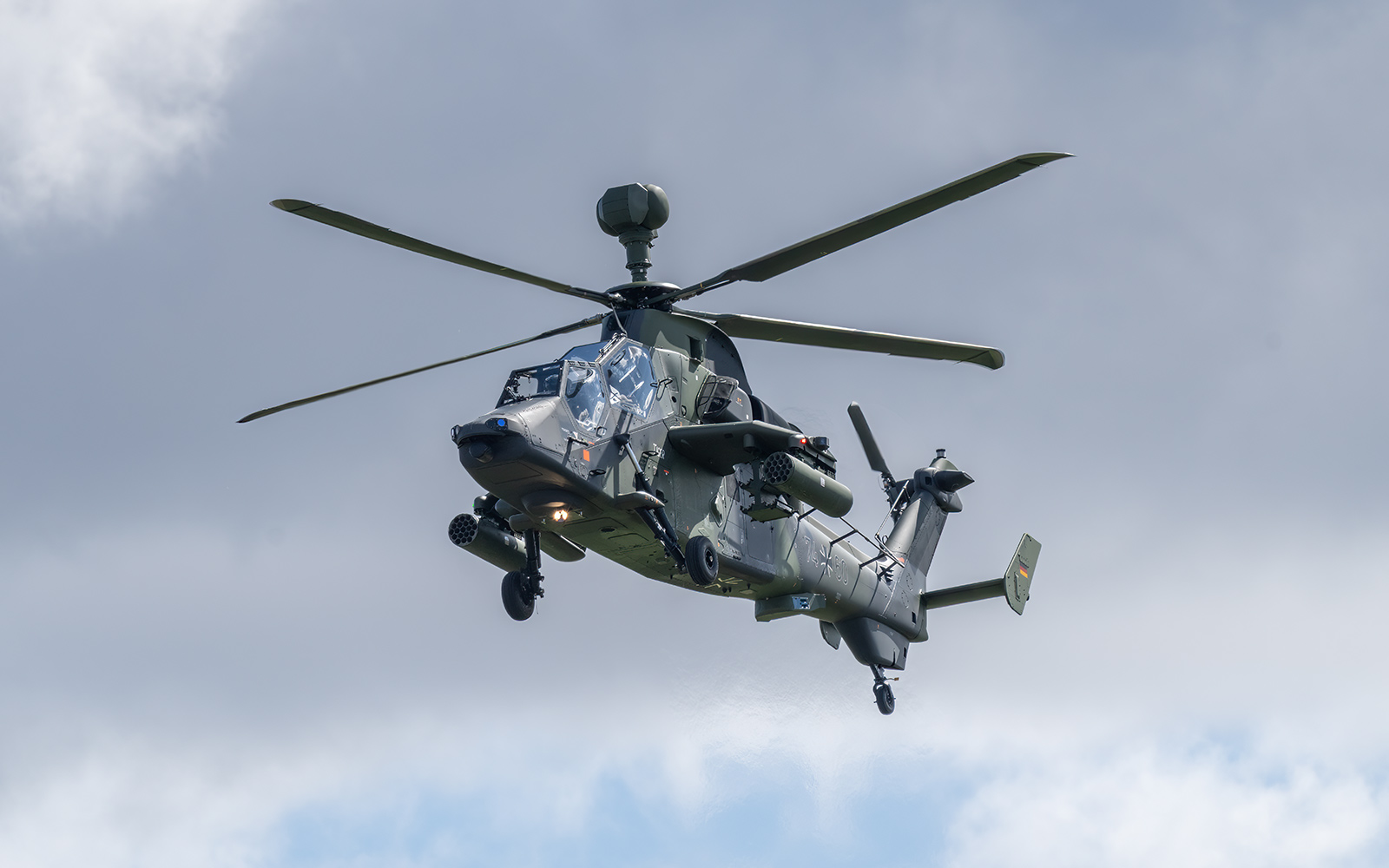
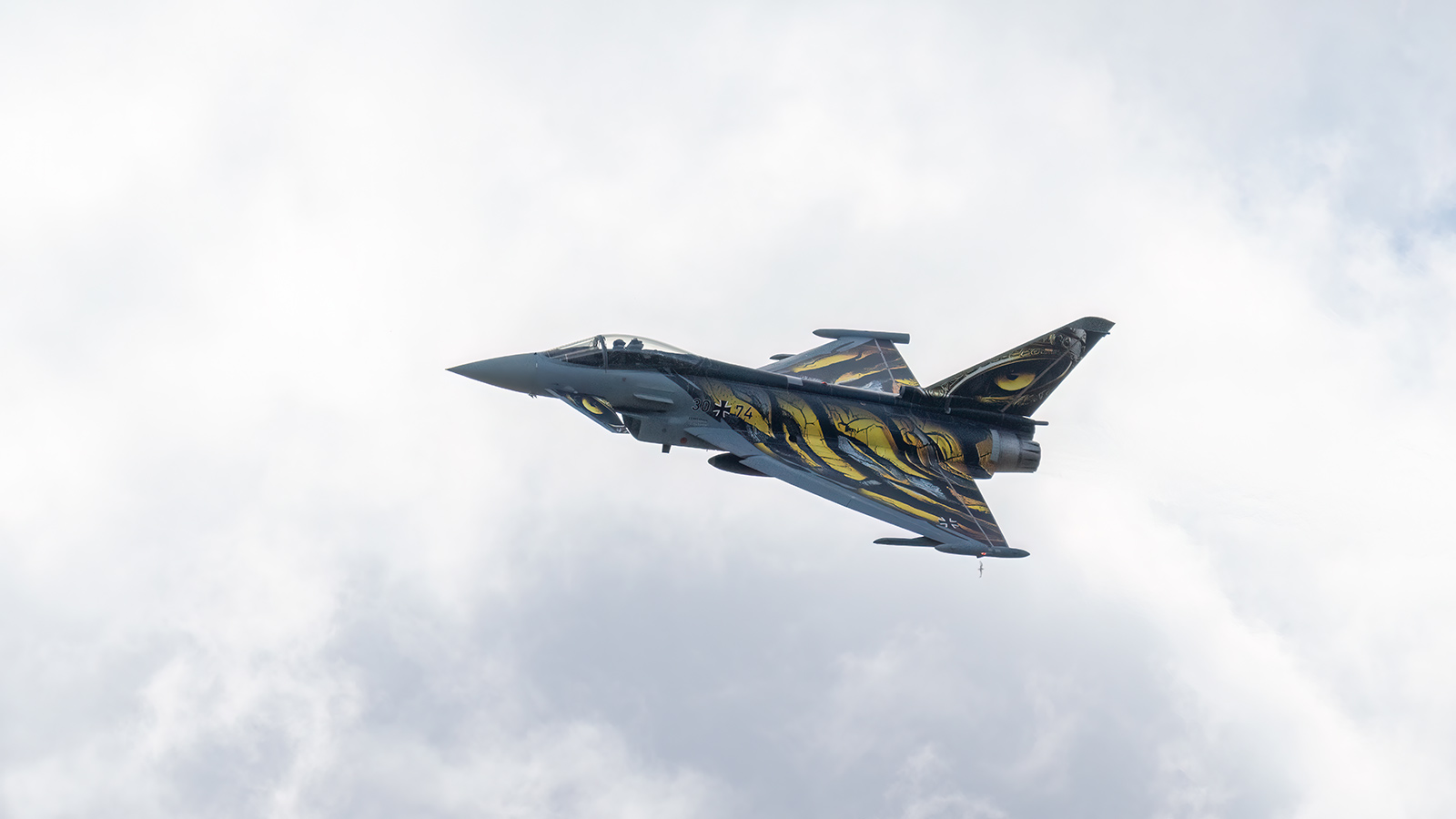
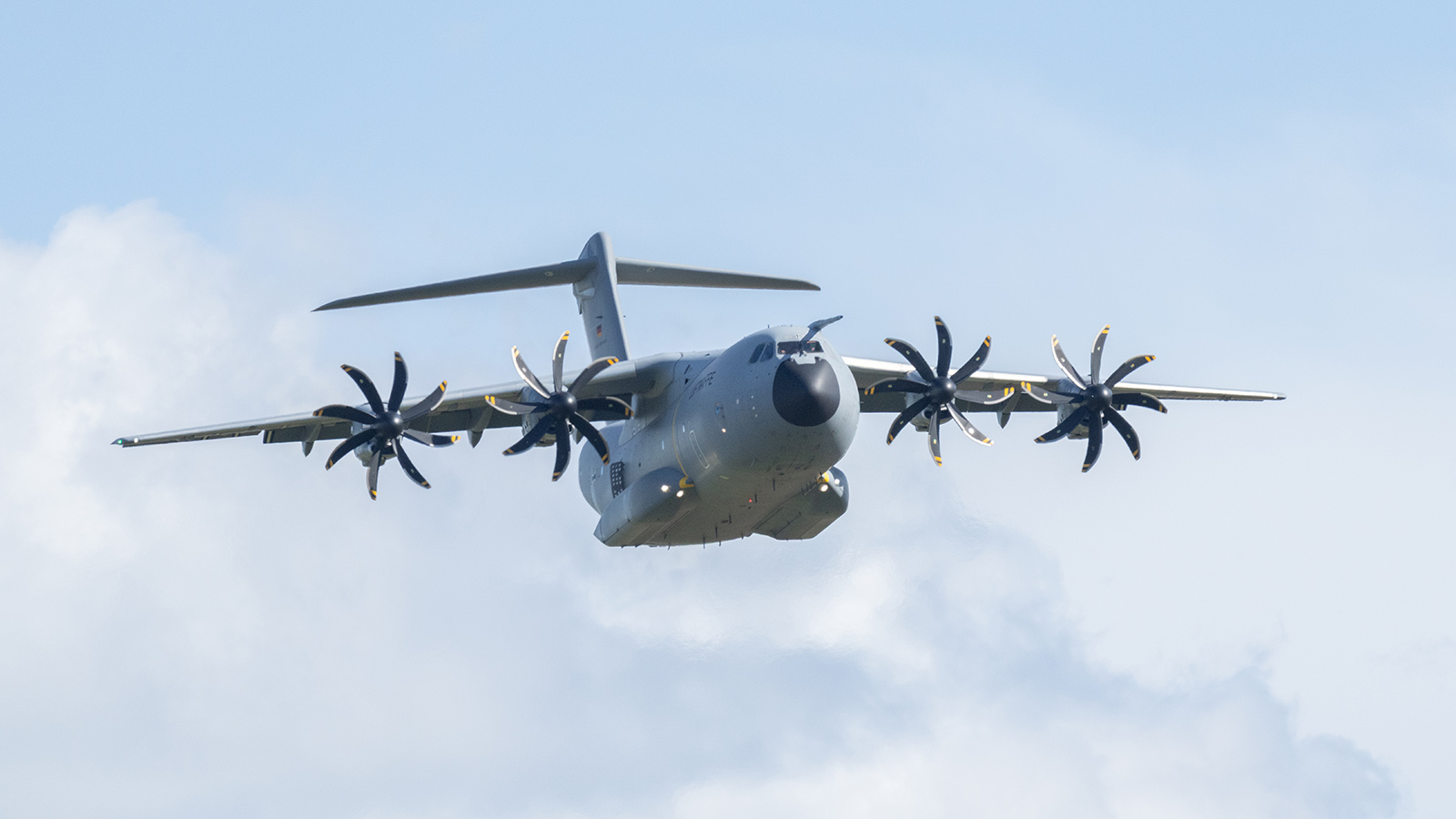
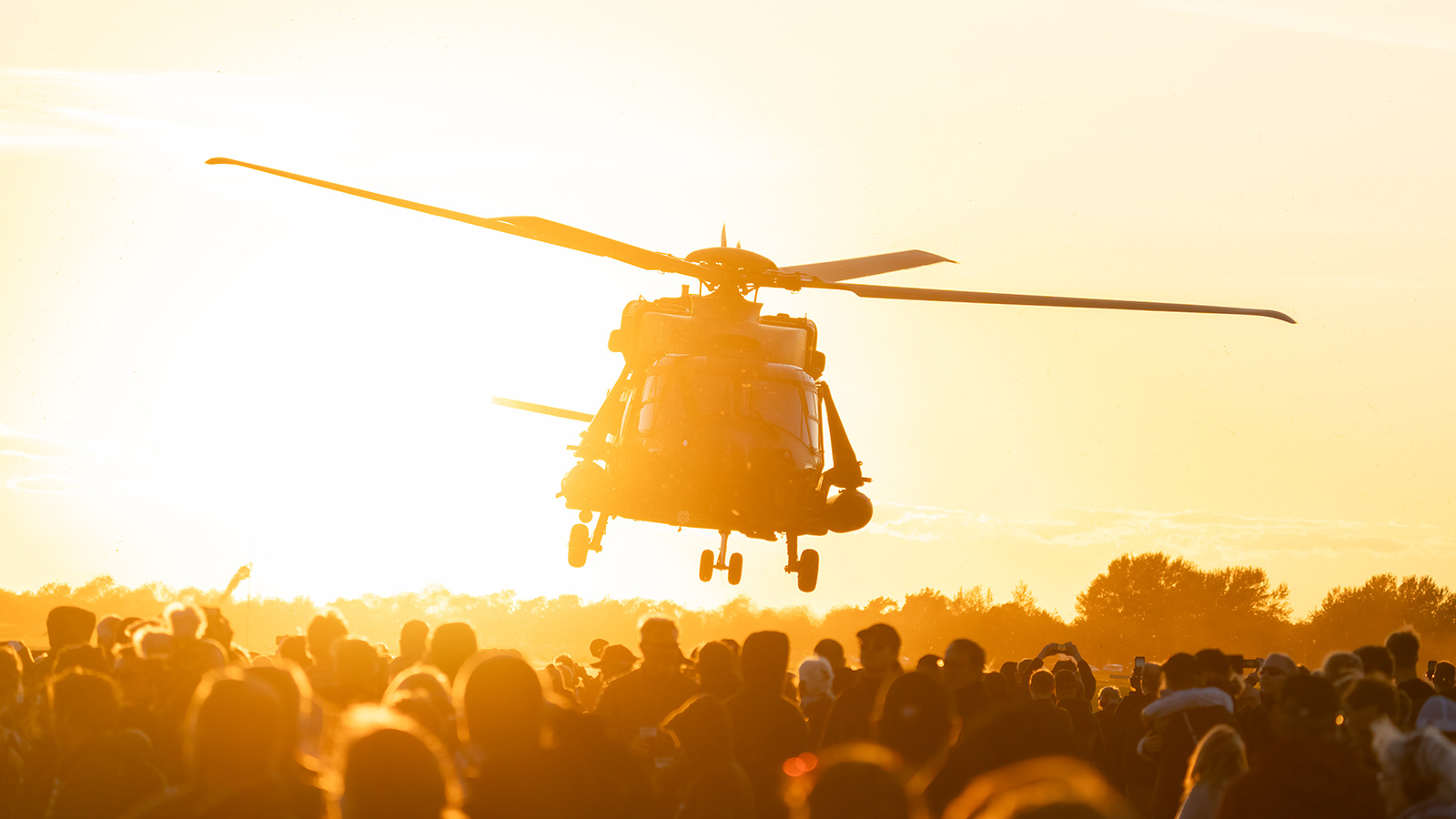
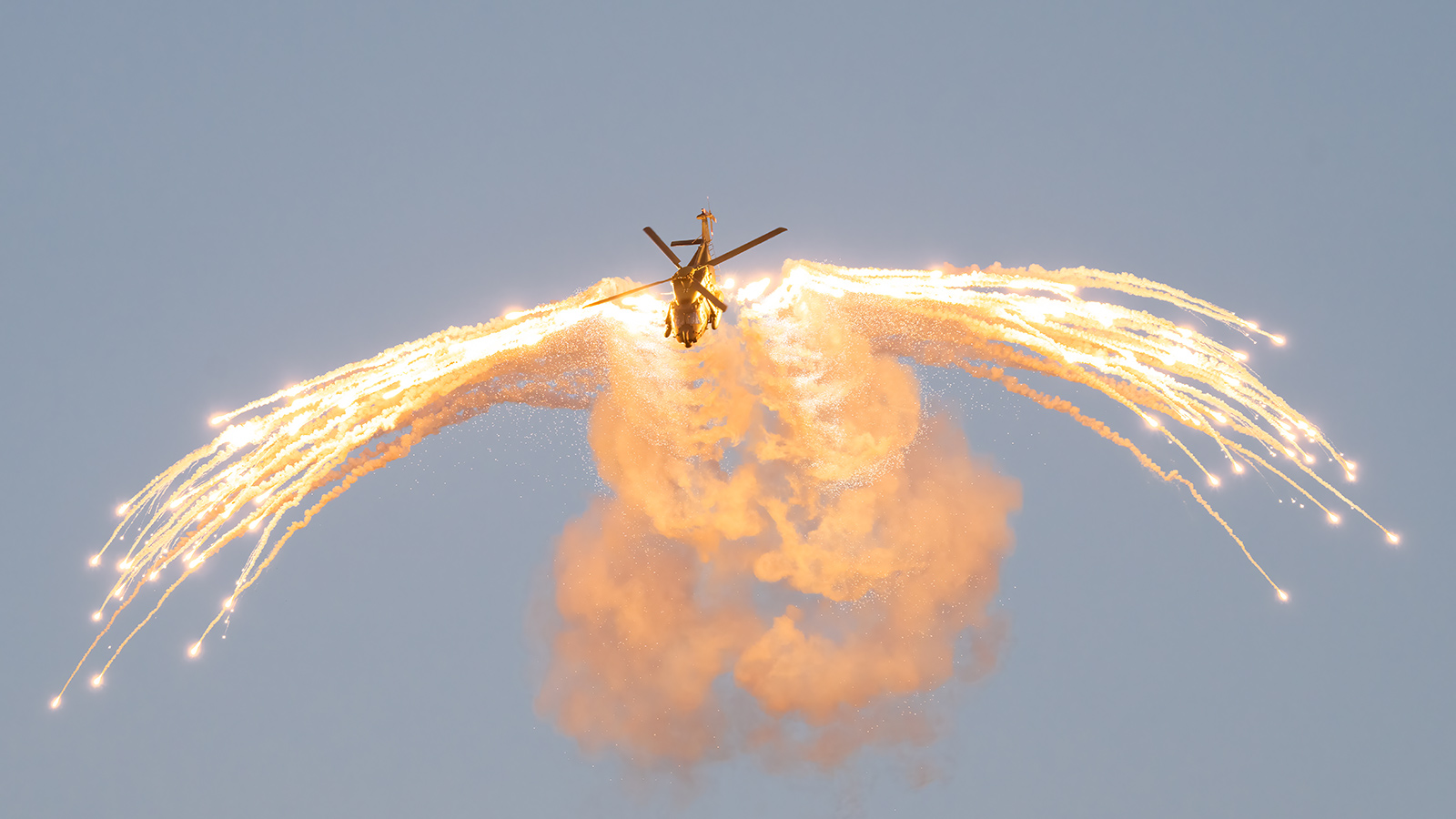
Armed with my camera, I had the chance to photograph a range of military aircraft, including the F-16 Fighting Falcon, Eurofighter Typhoon, and JAS 39 Gripen. The show also featured several helicopters from the Danish Air Force and the German Luftwaffe, offering a close-up look at these powerful machines both in flight and on the ground.
It was a thrilling experience to be surrounded by the roar of jet engines and the showmanship of world-class pilots. Unfortunately, the audience at the airshow faced directly into the sun for most of the day, which made photography quite challenging. The aircraft—especially the jets—blazed past at full speed, often silhouetted against harsh backlighting. Despite the conditions, I managed to capture a series of shots I’m genuinely proud of. In this post, I’m sharing some of my personal favorites from the show.
A trip to the steep cliffs of Hammeren on Northern Bornholm turned into one of the more memorable wildlife. With my Sony A1 and 200–600 mm lens in hand, I had the pleasure of capturing Razor Bills and Common Guillemots perched along the sheer rock faces and in flight.
Bornholm becomes a haven for these seabirds during the spring and summer months, when both species arrive to breed along the island’s rugged northern coast. The Razor Bill (Alca torda) is striking with its deep black and white plumage and sharply defined beak, often seen diving with precision into the Baltic waters. Meanwhile, the Guillemot (Uria aalge), slightly more slender and chocolate-brown in hue, nests in close-packed colonies, their eerie cries echoing off the cliffs.
A great spot for photographing the birds are right where the red arrow is pointing.
To reach this fantastic viewing spot, I recommend parking at Hammerhavnen and following the narrow path northward. As the trail winds along the coastline, the cliffs rise steeply beside you—and so do the chances of encountering these fascinating birds up close, without disturbing their natural rhythm.
This was hands-down one of the finest opportunities I’ve had to observe and photograph both species. I’ve shared a selection of images below—hope they give you a sense of the wonder I felt watching these birds thrive on the edge of the sea.
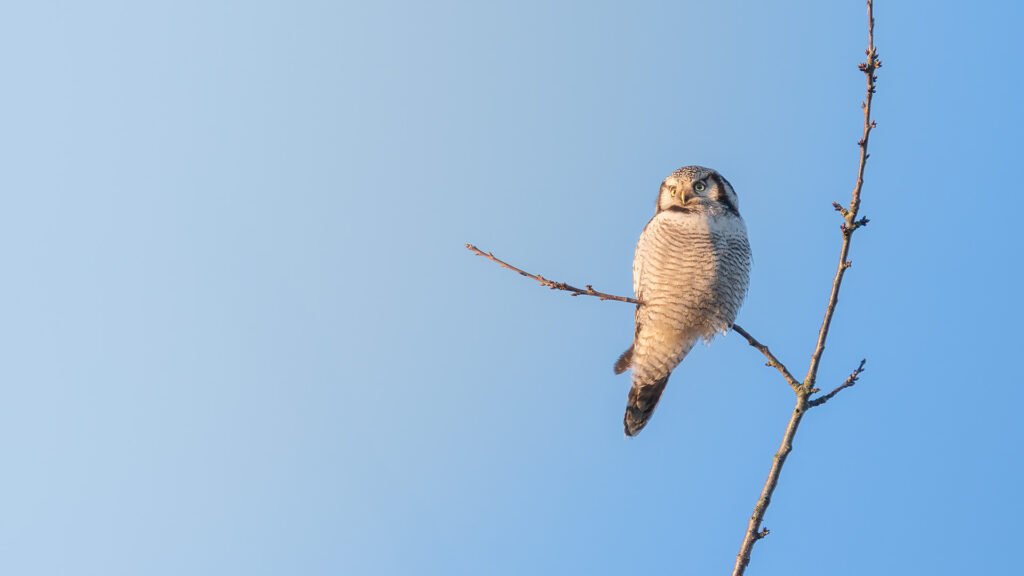
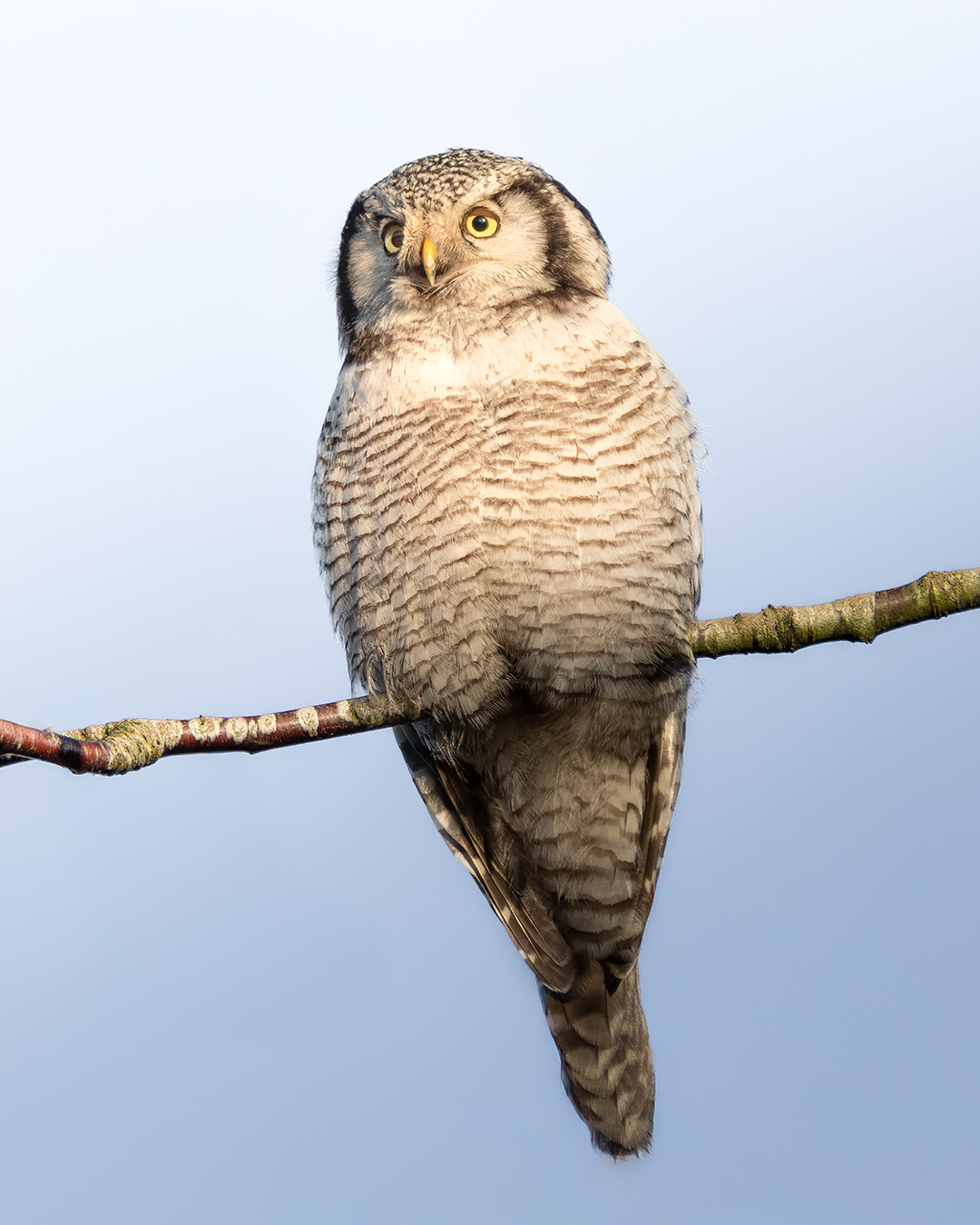
Some wildlife encounters require patience, persistence, and just a little bit of luck. That was certainly the case when I set out to see my first Northern Hawk-Owl at Humleore Skovdistrikt near Ringsted on Zealand. For several days sightings of this rare bird was reported on the national ornithology database, so I decided to see it with my own eyes.
After work, I drove for about an hour and a half, eager to witness this rare visitor. However, upon arrival, I was met with disappointment—the gathered photographers and birders informed me that the owl had just vanished. It was frustrating but only made me more determined to try again.
The next evening, I returned, hoping for better luck. And this time, I was rewarded. As the light began to fade, the Northern Hawk-Owl appeared. What a breathtaking moment! Though the conditions were not ideal, I managed to capture a few images that document this special encounter.
The photos were taken on my Sony A1 with the Sony 200-600mm lens and later processed using Adobe Lightroom, Photoshop, and Topaz Sharpen AI to bring out the details despite the low light.
This experience reminded me why I love wildlife photography—it’s not just about the images but about the journey, the patience, and the thrill of finally seeing something extraordinary.
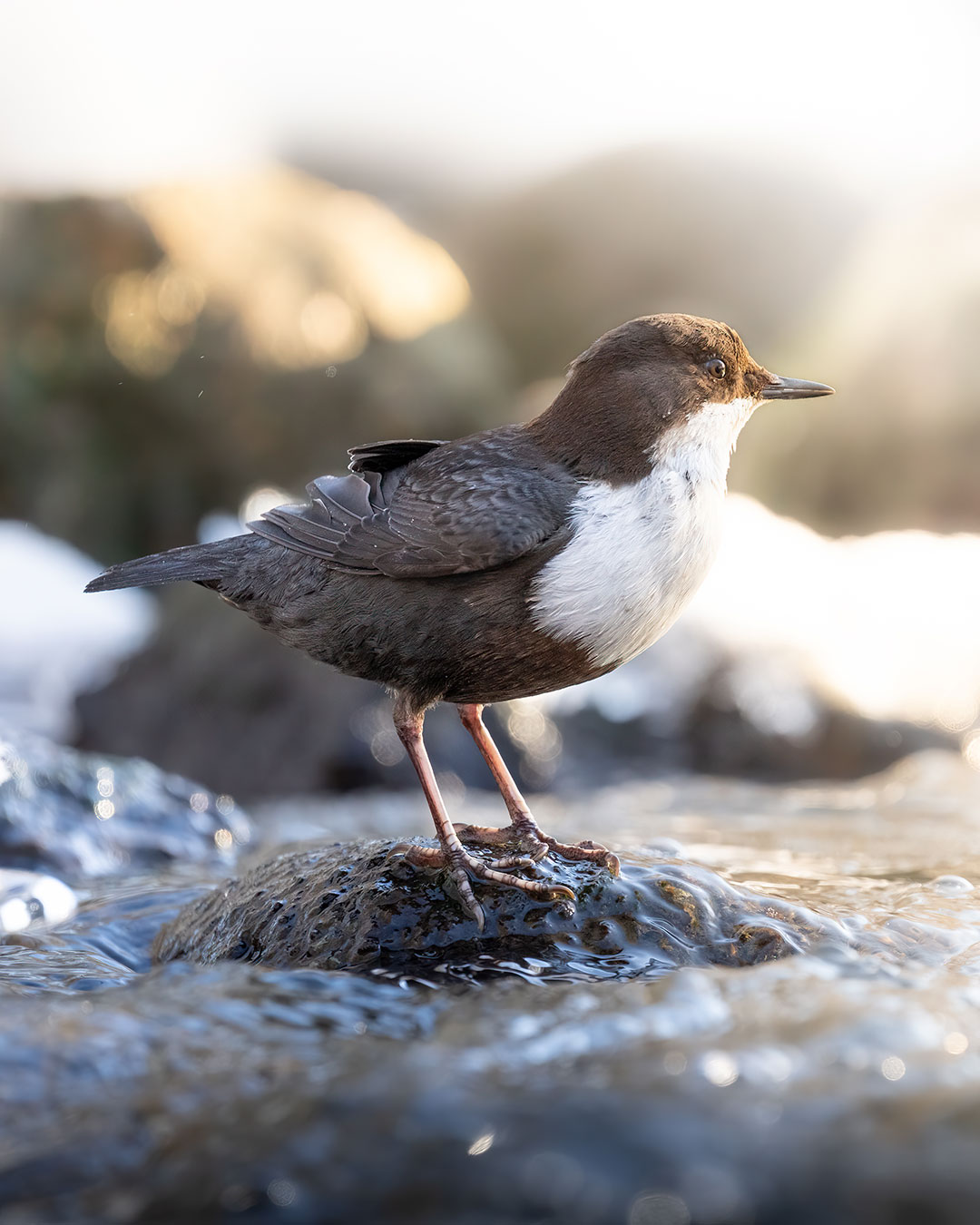
I’m excited to share a 1-minute video and a few photos of the White-throated Dipper, captured at Solbjerg Engsø near Hillerød. This remarkable bird, known for its white throat and impressive swimming skills, thrives in fast-flowing streams, diving for aquatic insects and small fish.
The footage was shot using a Sony A1 camera paired with a Sony 200-600mm lens, which allowed me to capture the bird’s behavior from a distance without disturbing its natural activity. The video and images were taken at the northern end of the lake, where a narrow stream with rocks creates the perfect environment for the Dipper to hunt.
Check out the video and images below to see this fascinating bird in action! Select the small gear icon to select the highest playback quality.